The role of appropriate portions in promoting healthy eating habits

The Importance of Portion Control
In today’s fast-paced society, maintaining a healthy diet can be challenging. One of the key factors contributing to this struggle is the misunderstanding of appropriate portion sizes. Many individuals find themselves consuming more than they realize, often due to cultural norms, oversized restaurant servings, or even misleading food packaging. This lack of awareness significantly impacts long-term health and wellness.
Understanding portion control is essential for cultivating healthy eating habits. It can significantly impact your overall health and well-being. There are several vital implications of serving sizes:
- Weight Management: Proper portions help prevent overeating, a common habit that leads to obesity. For instance, studies have shown that when participants were given 20% smaller portions of their meals, they reported similar satiety levels to those who consumed full-sized servings. Thus, mindful portion control can be a simple yet effective strategy for weight loss or maintenance.
- Nutritional Balance: Correct servings allow for a diverse and balanced diet, ensuring all food groups are represented. Health professionals recommend filling half your plate with fruits and vegetables to meet daily nutrient needs. This approach not only supports physical health but also enhances mental well-being by encouraging varied food choices.
- Mindful Eating: Awareness of portions encourages individuals to appreciate food, enhancing their overall dining experience. Engaging with meals mindfully can lead to improved digestion and increased satisfaction, as individuals learn to savor and enjoy each bite rather than rushing through meals.
In the United States, research shows that portion sizes have increased dramatically over the past few decades, with typical servings for entrees often three times larger than recommended sizes. Many consumers unknowingly consume more than the suggested amounts, leading to various health issues, including diabetes, heart disease, and other chronic conditions. According to the CDC, more than 40% of American adults are classified as obese, a statistic that emphasizes the urgency of addressing portion sizes in dietary habits.
With the growing awareness of nutrition and health, understanding serving sizes has never been more crucial. Health campaigns, such as MyPlate via the USDA, focus on helping individuals visualize proper portion sizes by illustrating different food groups and recommended serving sizes. By learning how to gauge appropriate portions, you can take significant steps toward a healthier lifestyle.
Incorporating tools, such as measuring cups or even just using smaller plates, can aid in adjusting your portion sizes effectively. Ultimately, embracing the principles of portion control is not merely a temporary measure but a lifelong practice that fosters overall well-being.
DISCOVER MORE: Click here
Portion Control: A Key to Healthy Eating
As individuals strive for healthier lifestyles, one of the most effective yet underappreciated strategies is adopting appropriate portion sizes. In a society often driven by convenience and immediacy, understanding portion control can serve as a powerful tool in promoting healthy eating habits. By adjusting the quantity of food consumed, individuals can not only manage their weight but also enhance their overall nutritional intake.
Understanding Portion Sizes goes beyond merely glancing at standard measurements; it encompasses recognizing what a serving truly looks like in realistic terms. For instance, while a serving of pasta might typically be about one cup, many dishes served at restaurants can feature three to four cups, leading diners to believe they need to consume significantly more than necessary. This sizable disconnect underscores the importance of educating oneself on appropriate servings to mitigate the risk of overeating.
Research indicates that people often underestimate the amount they consume, which can contribute to excess calorie intake. According to a study conducted by the Journal of the American Dietetic Association, nearly 60% of participants misjudged appropriate portion sizes. To combat this common issue, consider the following strategies:
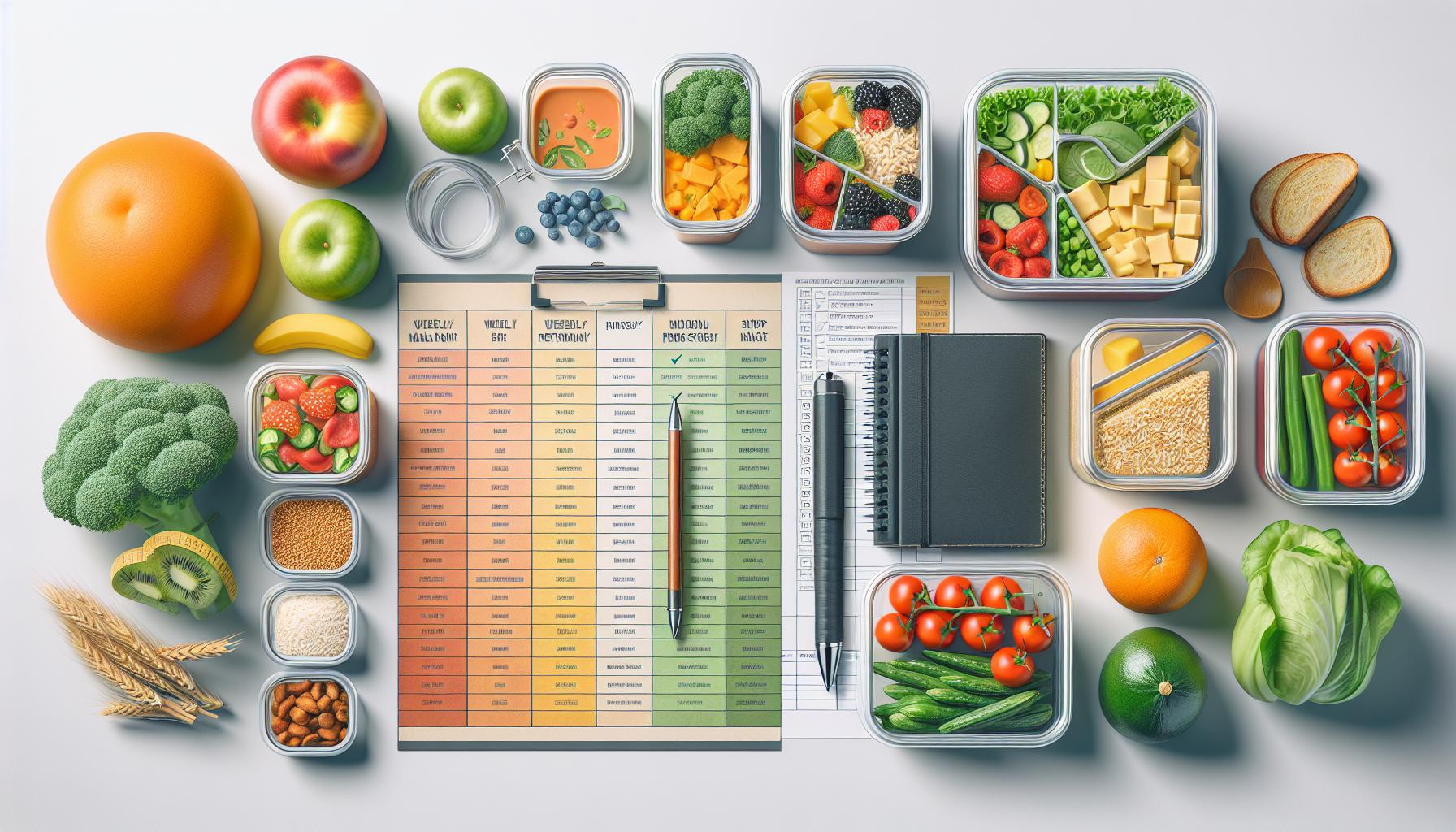
- Use Visual Cues: Familiarize yourself with common objects to gauge serving sizes. For example, a fist-sized portion typically represents a cup of fruits or vegetables, while a palm-sized serving can represent protein like chicken or fish.
- Plate Size Matters: Transition to using smaller plates or bowls. Research shows that individuals tend to fill their dishes to the brim, so opting for smaller tableware can naturally reduce portion size, which aligns with the body’s hunger cues.
- Pre-portion Snacks: Instead of eating directly from large bags or containers, portion out healthy snacks into smaller servings. This creates a conscious effort to be mindful about consumption and prevents mindless eating.
Additionally, recognizing emotional triggers that influence portion sizes can lead to healthier relationships with food. Many individuals eat in response to boredom, stress, or social pressures rather than genuine hunger. Engaging in mindful eating practices can change this habit, focusing on the experience of eating rather than the volume consumed. This shift promotes gratitude for food and awareness of varying hunger levels, ultimately leading to improved digestion and satisfaction.
The correlation between appropriate portion sizes and health outcomes is becoming increasingly evident. Beyond mere weight management, proper portions contribute to fostering a balanced diet. Foods from different categories—grains, proteins, fruits, and vegetables—should all be included in everyday meals. Ensuring sufficient servings from each category not only fulfills nutritional needs but also supports sustained energy and prevents fatigue. By consciously choosing appropriate portions, individuals can make strides toward achieving their health goals while enjoying meals that are both delicious and nourishing.
| Advantage | Details |
|---|---|
| Prevention of Overeating | Appropriate portion sizes help in regulating caloric intake, which is crucial in avoiding excessive weight gain. |
| Encouraging Mindful Eating | By focusing on portion sizes, individuals are encouraged to pay attention to their hunger cues, enhancing their relationship with food. |
When discussing the role of appropriate portions in promoting healthy eating habits, understanding the psychological and physiological benefits is essential. One of the key advantages of adhering to suitable portion sizes is the prevention of overeating. By regulating caloric intake, consumers can maintain a balanced diet that mitigates the risk of obesity-related issues. This not only fosters a healthier lifestyle but can also extend longevity and improve overall quality of life.Furthermore, promoting mindful eating is another significant aspect tied to appropriate portion sizes. Focusing on how much one consumes fosters greater awareness of hunger, satiety signals, and emotional triggers related to eating. This deeper connection helps individuals establish a positive relationship with their meals, leading to improved food choices and dietary habits. As such, the practice of portion control emerges as a pivotal strategy in the journey toward improved health and well-being.
DISCOVER MORE: Click here for insights on hydration
Transforming Eating Habits Through Portion Awareness
In addition to controlling portions, mindful eating techniques pave the way for a deeper understanding of our food choices. Mindfulness in meals involves being present during the eating experience, paying attention to flavors, textures, and satiety cues. This practice enables individuals to savor each bite and recognize when they feel satisfied, which can inevitably lead to reduced portion sizes. A study published in the journal *Appetite* found that individuals who practiced mindful eating consumed 20% fewer calories compared to those who rushed through their meals. Incorporating mindfulness into daily eating routines fosters a culture of gratitude towards food, encouraging people to appreciate the nourishment it provides.
Educational Resources play a crucial role in promoting appropriate portions. Numerous organizations, including the United States Department of Agriculture (USDA) and the Centers for Disease Control and Prevention (CDC), have launched initiatives aimed at educating Americans on portion sizes and balanced eating. These programs often provide interactive tools and visual guides, such as the USDA’s MyPlate, which outlines the ideal proportions of various food groups on a plate. Resources like these are invaluable in combating the confusion many face when determining appropriate serving sizes, ultimately contributing to healthier choices.
Portion Distortion is another phenomenon worth addressing. Over the past few decades, food portions in restaurants and packaged goods have significantly increased, a trend that has been termed “portion distortion.” The American Heart Association has reported that snack foods, fast-food meals, and beverages have ballooned in size and calorie content. For instance, a standard serving of soda was once 6.5 ounces; today, it’s not uncommon to find drinks exceeding 20 ounces. This escalation in portion sizes not only skews our perception of what constitutes a normal serving but also sets the stage for unhealthy eating habits. Understanding this distortion can empower consumers to make conscious choices, opting for smaller, healthier portions whenever possible.
Another critical aspect of implementing appropriate portions is the role of cooking at home. Home-cooked meals allow individuals to control ingredients and portion sizes more effectively. A survey by the Hartman Group revealed that 61% of consumers believe eating home-cooked meals helps them manage calorie intake better than eating out. By preparing meals at home, individuals can craft balanced dishes that align with their nutritional goals and serve them in appropriate portions, fortifying their relationship with food.
The influence of social settings and dining experiences also plays a significant role in portion size perception. Research shows that people tend to eat more in social situations or when faced with larger portions, even if they aren’t hungry. Being conscious of these external factors can promote healthier choices. Engaging in discussions about portion sizes with family and friends can foster a supportive environment around healthy eating habits.
Lastly, children are often shaped by the portion habits established in their households. Educating families on appropriate portions can create a ripple effect that promotes healthier lifestyles, encouraging the next generation to value balanced eating. Schools, too, can take an active role by determining portion sizes for meals aligned with the Dietary Guidelines for Americans, ensuring students receive appropriate nutritional servings at their cafeterias.
As awareness grows concerning the importance of appropriate portion sizes in promoting healthy eating habits, communities can evolve into spaces where these principles are integrated seamlessly into daily routines. Embracing portion control is more than an individual effort; it is a collective movement towards enhancing our health and wellbeing.
DISCOVER MORE: Click here for insights on cultivating discipline and time management
Final Thoughts on Promoting Healthy Eating Habits Through Portion Control
In conclusion, the journey towards healthier eating is significantly influenced by the understanding and application of appropriate portion sizes. As we’ve discussed, mindful eating encourages individuals to tune into their bodies and make conscious decisions about their food intake. This practice, coupled with vital educational resources, aids in dispelling the confusion surrounding serving sizes and fosters a more health-conscious society. Furthermore, recognizing the impact of portion distortion in modern dining experiences empowers consumers to take charge of their eating habits, promoting a balanced approach to nutrition.
Equally important is the role of cooking at home, which allows individuals to dictate not only the ingredients but also the portions on their plates. This autonomy can significantly enhance our relationship with food, transforming mealtime into a mindful activity rather than a rushed necessity. Awareness of the social dynamics that influence our eating behaviors further highlights the need for collective dialogue around portion sizes. These discussions can ignite community-wide changes that promote healthier choices for everyone.
Looking ahead, as we continue to educate families and younger generations on the principles of portion control, we plant the seeds for lasting change in dietary habits. By prioritizing appropriate portions, we pave the way for a healthier future, enabling individuals to navigate the complexities of food choices with confidence. Thus, the integration of portion awareness into our daily lives is not simply about eating less; it is about cultivating a culture of health, mindfulness, and respect for nutrition that can have profound effects on public health.