Technology and Sleep: How the Use of Electronic Devices Affects Your Sleep Hygiene
The Challenges of Technology on Sleep Quality
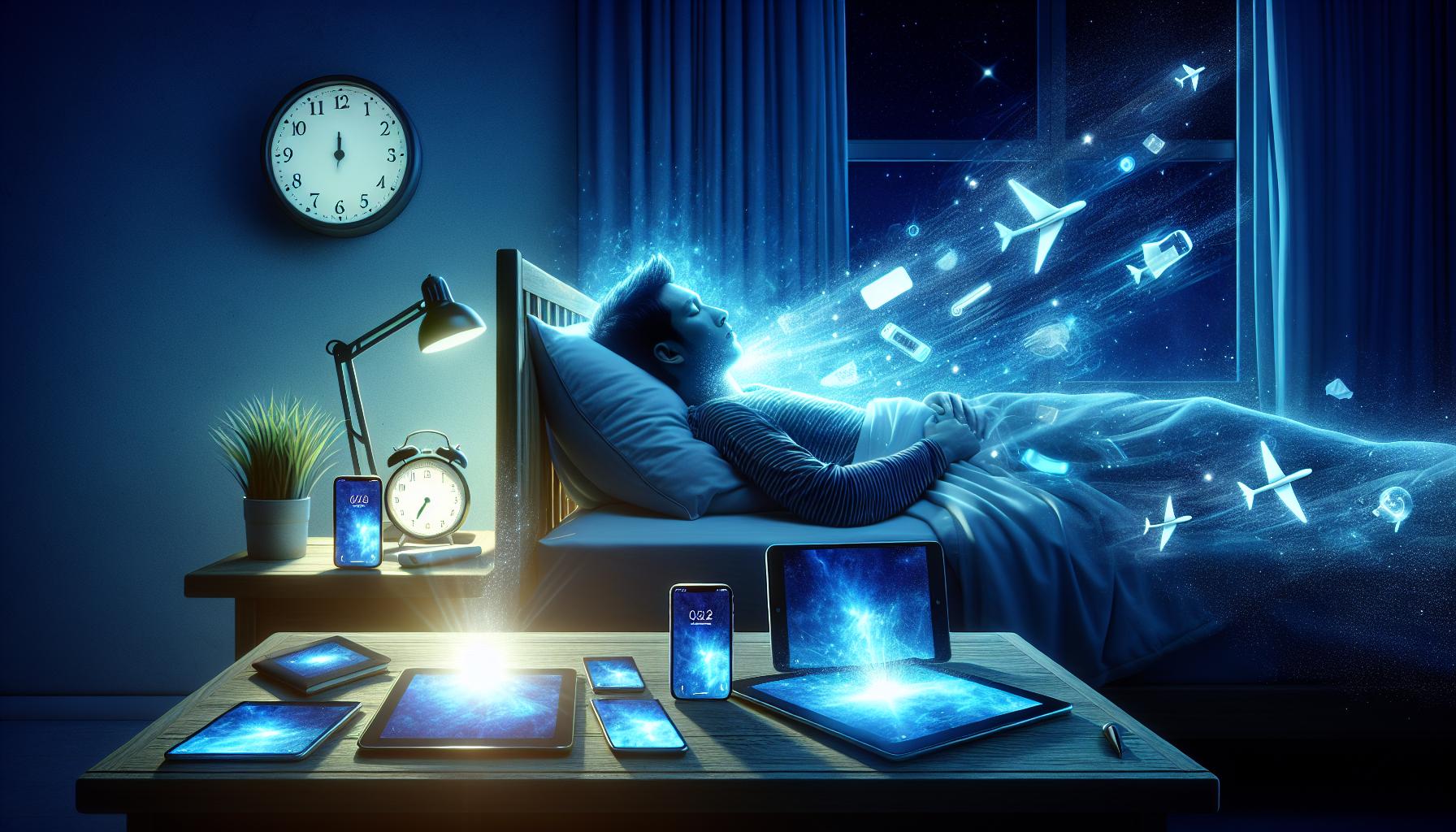
As we navigate our modern lives, the integration of technology is ubiquitous, from early morning to late at night. This all-encompassing presence raises significant concerns regarding sleep hygiene, particularly how screen time impacts the quality of our sleep. With many of us habitually using our devices right before we turn in for the night, understanding the consequences of this behavior is essential for our health.
The array of devices that many Americans engage with daily is extensive, including:
- Smartphones: These compact devices keep us connected but also serve as entertainment hubs, often leading to extended usage before bedtime.
- Tablets: With their larger screens, tablets facilitate reading, streaming, and gaming, which can easily intrude on our sleep schedule.
- Laptops: Many use laptops for work or leisure in the evening, further diminishing the boundary between productivity and rest.
- Televisions: Watching TV is a common evening ritual, yet the blue light emitted can still negatively affect our natural rhythms.
The blue light, overwhelmingly present in these devices, has been linked to the disruption of melatonin production, the hormone responsible for regulating sleep. Research indicates that excessive blue light exposure, particularly in the hour prior to sleep, can lead to:
- Difficulty falling asleep: Engaging with screens can heighten alertness, making it challenging for individuals to wind down.
- Reduced sleep duration: The longer we stay engaged with our devices, the more time we lose for restful sleep.
- Lower sleep quality: Fragmented sleep can result from unnatural wakefulness, leading to feelings of fatigue the next day.
In the United States, research indicates that over 80% of adults use electronic devices in the hour leading up to bedtime. This statistic highlights a broader cultural norm where technology use is often prioritized over sleep. However, it’s essential to strike a healthy balance. Knowing that our reliance on gadgets has tangible effects on our well-being, the onus is on individuals to adopt strategies that enhance sleep hygiene while still staying connected.

Simple adjustments can make a significant difference. For instance, experts recommend implementing a “digital curfew,” where individuals set aside devices at least an hour before bed. Additionally, utilizing blue light blocking features, increasingly standard in modern devices, may help mitigate the adverse effects. Embracing alternative evening activities can also provide a much-needed break from screens; consider engaging in reading a physical book, meditative practices, or gentle stretches to promote relaxation and tranquility.
As we continue to live in a technology-driven age, understanding its impact on our sleep becomes increasingly important. Finding a compromise between screen time and sleep health can lead to improved overall wellness, enabling us to remain both technologically connected and adequately rested.
DIVE DEEPER: Click here to create your perfect meal plan
The Blue Light Dilemma
One of the most pressing concerns regarding electronic devices and sleep hygiene is the blue light emitted from screens. This specific wavelength of light has been shown to interfere with our body’s natural circadian rhythm, which is our internal clock that regulates sleep-wake cycles. According to the American Academy of Sleep Medicine, exposure to blue light in the evening can lead to delays in falling asleep, impacting overall sleep quality.
When we engage with our smartphones, tablets, laptops, or television screens late into the night, we are inadvertently signaling our brains to remain alert. This can hinder our ability to produce melatonin, the crucial hormone responsible for making us feel sleepy. The result? Many individuals experience delayed sleep onset, excessive daytime sleepiness, and challenges in maintaining uninterrupted rest.
A significant portion of the population is affected by this issue. A study from the National Sleep Foundation found that approximately 90% of adults in the U.S. report using electronic devices at least an hour before bed. This overwhelming reliance on technology can create a cycle where quality sleep becomes increasingly elusive. To comprehend the ramifications of this behavior, consider the following potential effects of using electronic devices before bedtime:
- Impaired sleep architecture: Frequent interruptions in sleep can affect the different stages of sleep, reducing time spent in restorative REM cycles.
- Increased wakefulness during the night: The stimulation from screens can lead to restless nights, where individuals find themselves waking up more frequently.
- Higher risk of sleep disorders: A consistent pattern of late-night screen usage has been associated with conditions such as insomnia and sleep apnea.
With these challenges on the rise, it is vital for individuals to evaluate their nighttime routines and consider the impact of their electronic habits. Fortunately, becoming aware of these dynamics paves the way for effective strategies that can enhance sleep hygiene. By implementing simple changes, such as reducing screen time or adopting wearables that monitor sleep quality, individuals can reclaim their restful nights.
Understanding the science behind how technology encroaches on our sleep can empower us to make informed choices. By acknowledging the significant influence of electronic devices on our sleep hygiene, we can begin to prioritize our health amidst the technological advancements that define modern life. The journey toward better sleep leverages knowledge and awareness, and with the right approach, a balance between screen time and quality rest is entirely attainable.
Understanding the Impact of Electronics on Sleep Quality
The ever-increasing prevalence of electronic devices in our daily routines compels us to examine their effects on our sleep hygiene. One of the main culprits is the blue light emitted from screens. This type of light significantly disrupts the production of melatonin, the hormone responsible for regulating sleep. Studies indicate that exposure to blue light during the evening can delay sleep onset, leading to shorter sleep duration and poorer sleep quality. Moreover, the psychological engagement and stimulation offered by smartphones, tablets, and computers can lead to increased cognitive arousal. When users are engrossed in social media, emails, or gaming, their minds remain active long after the screen has been turned off. This heightened state of alertness can hinder the natural winding down process necessary for quality sleep.Another vital consideration is the habit of using electronic devices in bed. Many people have adopted this as a routine, which inadvertently conditions their brains to associate the bed with activity, rather than relaxation and rest. Creating a distinctive mental boundary between screen time and sleep time is crucial for maintaining healthy sleep hygiene.Incorporating measures such as setting screen time limits and adopting a “digital curfew” an hour before bed can greatly enhance the quality of sleep. This practice fosters better sleep hygiene by allowing the body to adapt to a restful state free from the distractions and disruptions caused by electronic devices.Furthermore, the rise of sleep-tracking applications on smartphones offers insights into sleep patterns, providing an opportunity for users to make informed changes. While these tools can be beneficial, it is imperative to use them judiciously, as excessive focus on sleep metrics can also lead to anxiety about sleep itself.In summary, a deeper understanding of the interplay between technology use and sleep hygiene opens the door to informed behavioral adjustments, encouraging healthier sleep practices for all. Exploration of these elements can help in creating a balanced relationship with technology that promotes better overall sleep health.
DISCOVER MORE: Click here to learn about effective time management
The Impact of Social Media and News Consumption
In addition to blue light, the content we consume on electronic devices plays a crucial role in shaping our sleep quality. The pervasive nature of social media and constant updates from news outlets can create a cycle of anxiety and overstimulation, further hindering our ability to wind down before bed. Engaging with social media platforms late at night often pulls individuals into a rabbit hole of scrolling, where they might encounter distressing news or peer comparisons that can leave their minds racing.
A 2020 study published in the journal Sleep Health indicated that individuals who report higher usage of social media before bedtime are more likely to experience disruptions in their sleep pattern. The same study found that about 55% of young adults claimed they felt compelled to check their social feeds before going to sleep. The result is a dichotomy of behaviors: while people seek connection and stimulation, they inadvertently fuel sleeplessness and restlessness.
Furthermore, the dopamine-driven rewards that come from checking notifications can make it hard to resist the urge to reach for our phones before bed. This leads to poor sleep hygiene as individuals find it challenging to disconnect. Experts emphasize the importance of developing a calming nighttime routine that steers clear of stimulating content. Simple strategies include:
- Designating tech-free zones: Consider keeping electronic devices out of the bedroom entirely, transforming it into a sanctuary for sleep.
- Utilizing “Do Not Disturb” mode: Activate this feature during the night to minimize interruptions from notifications and alerts.
- Engaging in calming activities: Prioritize reading, meditation, or gentle yoga as alternatives to browsing social media.
In addition to these habits, the accessibility of news can exacerbate worries, especially in today’s climate of information overload. Frequent consumption of news can create a heightened state of alertness, making it difficult to transition into a calm and restful state. Nonetheless, with more awareness, individuals can curate their nightly news intake, focusing on content that is less likely to provoke stress or anxiety.
The Role of Sleep Technologies
Interestingly, the same technology that poses risks to sleep hygiene also offers innovative solutions for better rest. The rise of sleep-tracking devices and wearable technology has allowed many individuals to gain insights into their sleeping patterns. These tools provide data that can help identify habits detrimental to sleep quality, empowering users to make informed choices.
According to a report from the Consumer Technology Association, nearly 50% of adults in the U.S. use sleep-tracking technology to monitor their sleep. Such devices can reveal not only the quantity of sleep but also quality indicators, such as heart rate variability and breath patterns during sleep. Equipped with this information, users can modify their routines and lifestyle choices, enabling them to create optimal conditions for restorative sleep.
Moreover, a range of sleep-aiding apps has emerged, offering sounds, guided meditations, and relaxation exercises aimed at easing individuals into sleep. Such technologies serve as valuable tools when effectively integrated into a nighttime routine. Nevertheless, as beneficial as these innovations may be, it remains essential to establish boundaries around device usage to preserve overall sleep hygiene.
The intersection of technology and sleep is complex, driven by changing lifestyles and continuous advancements. Recognizing the dual nature of electronic device influence can serve as both a cautionary tale and a beacon of hope for those seeking better sleep solutions amid a tech-centric world.
DISCOVER MORE: Click here to learn how hydration impacts your diet
Conclusion
In conclusion, the relationship between technology and sleep is both intricate and significant. As we navigate an increasingly digital world, it becomes crucial to understand how our reliance on electronic devices impacts our sleep hygiene. The pervasive presence of blue light and the engaging but potentially distressing content on social media and news platforms can disrupt our natural sleep rhythms, leaving us restless and fatigued. With a substantial number of adults reportedly engaging with social media before bed, the need for awareness and proactive measures emerges as essential.
However, it’s not all doom and gloom. The very technologies that challenge our sleep can also provide innovative solutions. The proliferation of sleep tracking devices and sleep-aiding applications empowers individuals to harness information to cultivate healthier sleeping habits. As the data from these devices offer insights into sleep patterns, users can learn to recalibrate their evening routines for optimal rest. By making conscious choices such as creating tech-free zones, utilizing “Do Not Disturb” features, and prioritizing calming activities, individuals can combat the adverse effects of technological distractions.
Ultimately, the journey towards better sleep in a tech-centric world calls for a balanced approach—leveraging technological advancements while being mindful of their potential drawbacks. By doing so, we can aspire to achieve not only improved sleep quality but also enhanced overall well-being. Understanding this balance is imperative to thriving in our fast-paced, technology-driven lives, ensuring that each night’s rest paves the way for productive and fulfilling days ahead.