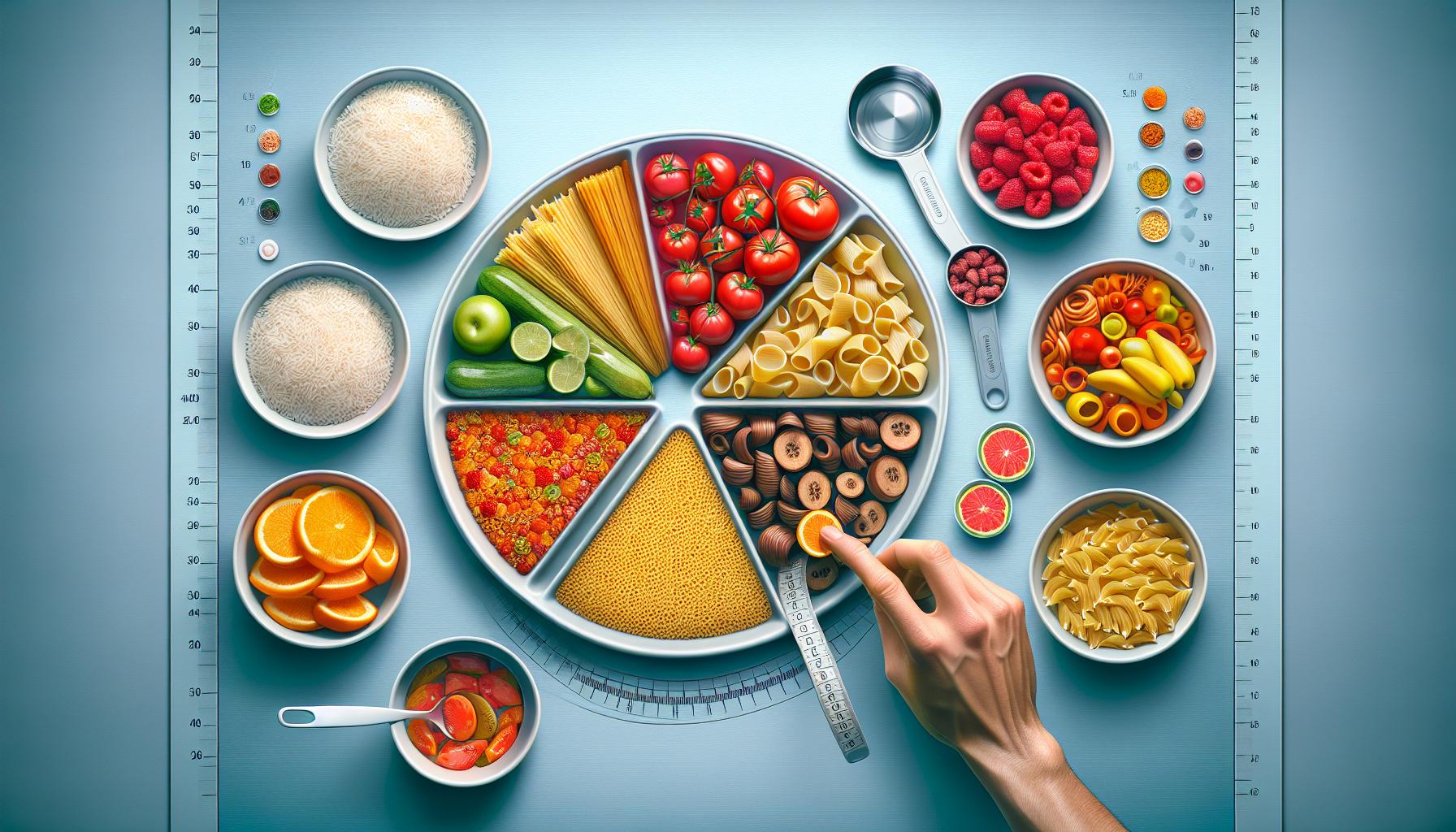
How to Plan Healthy and Practical Meals for the Week
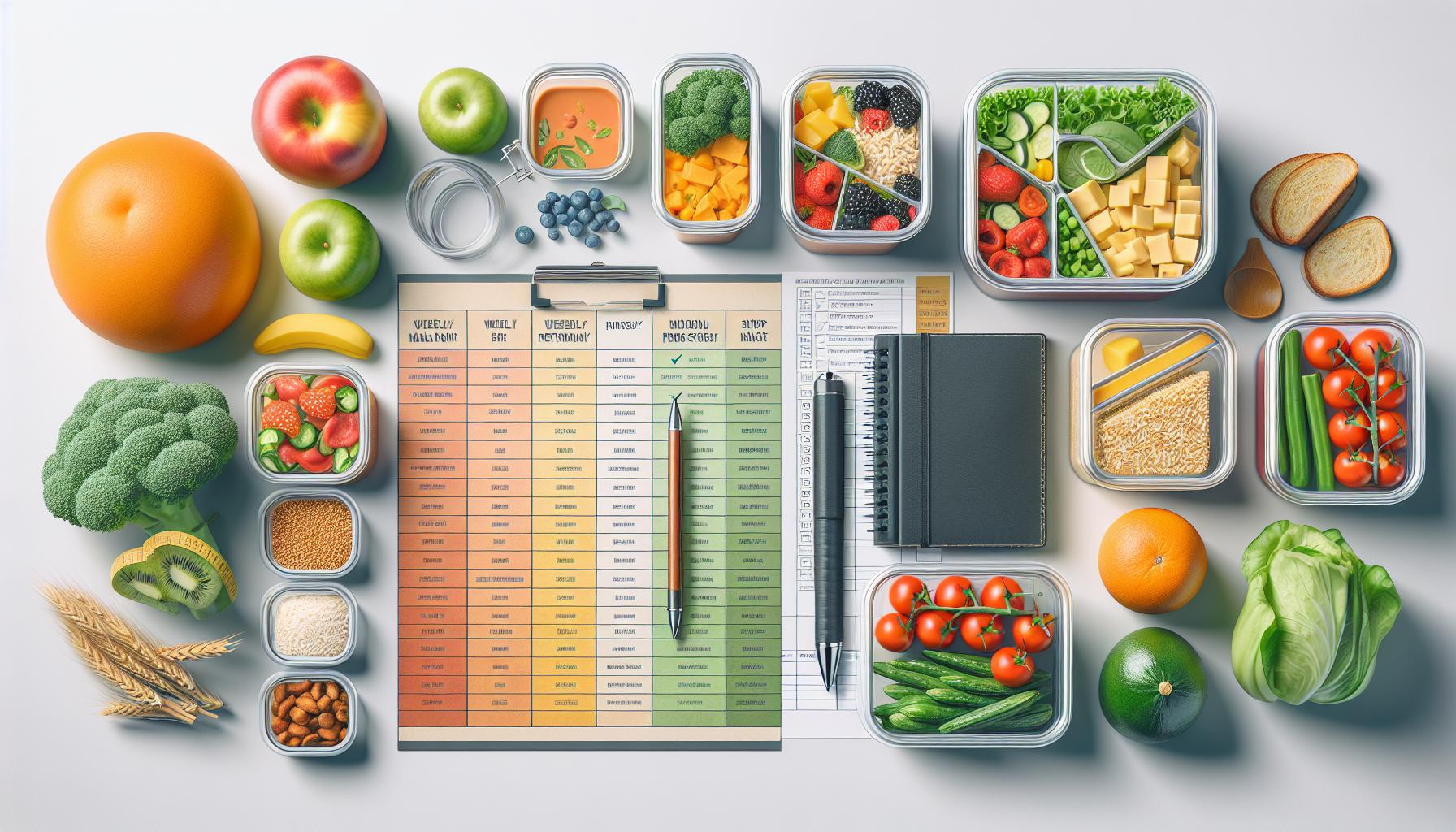
Mastering Weekly Meal Planning
In today’s fast-paced world, the art of meal planning has become a vital tool for those looking to maintain a balanced diet while managing their time effectively. By taking a little time each week to organize your meals, you can not only save precious hours in the kitchen but also enhance the overall quality of your eating habits.
The importance of planning ahead cannot be overstated. Here are some key benefits of effective meal planning:
- Healthier Choices: By intentionally selecting recipes that incorporate whole foods, lean proteins, and plenty of fruits and vegetables, you drastically increase your chances of making nutritious decisions. For example, instead of reaching for a frozen pizza after a long day, you might find that prepped grilled chicken with quinoa and steamed broccoli is just as quick to heat up and far more beneficial for your health.
- Cost-Effective: Planning your meals allows you to make the most of your grocery shopping. Buying ingredients in bulk not only reduces waste but often comes with significant savings. For instance, purchasing a large bag of rice, beans, or seasonal produce can be economical, while also providing versatile bases for your meals throughout the week.
- Time-Saving: Meal prepping—cooking meals in advance—means less chaos during your busy weeknights. Batch cooking soups, stews, or casseroles on Sundays can lead to easy, ready-made dinners that you can simply heat and eat on hectic evenings.
As you begin to formulate your meal plan, it’s important to consider various factors that can influence your choices:
- Your Dietary Needs: Whether you are vegetarian, vegan, gluten-free, or managing a health condition, tailoring your meals to fit your personal dietary requirements will enhance both your enjoyment and adherence to your plan. For example, if you’re focusing on a low-carb diet, incorporating zucchini noodles or cauliflower rice can be delicious alternatives to traditional pasta or rice.
- Time Constraints: Reflect on your weekly schedule and identify how much time you realistically have for cooking each day. Rushed mornings may require quick breakfasts like smoothies or overnight oats, while leisurely weekends can be ideal for more elaborate meals. This foresight can help you build a balanced plan without overwhelming your schedule.
- Culinary Skills: Knowing your cooking comfort level is essential when selecting recipes. If you’re a novice in the kitchen, opt for simple, straightforward recipes that require minimal preparation. As you gain confidence, you can gradually explore more complex dishes that challenge your cooking abilities.
This guide will delve into practical strategies to help you create a weekly meal plan that is nutritious, efficient, and enjoyable. By understanding the basics of meal planning, you will gain the knowledge and confidence to transform your kitchen into a haven for healthy living. From leveraging technology like meal planning apps to integrating seasonal ingredients that support local farmers, the possibilities are endless — inviting you to explore the delicious world of meal preparation!

Dive deeper: Click here to discover the impact of social relationships on mental health
Key Steps to Effective Meal Planning
To unlock the full potential of your weekly meal planning, it’s essential to follow a structured approach. By incorporating specific steps, you can streamline your process, making it not only efficient but also enjoyable. Here are foundational steps to consider when embarking on your meal planning journey:
- Step 1: Inventory Your Kitchen – Before you can plan what to make, take stock of what you already have on hand. Examine your pantry, fridge, and freezer for ingredients that may need to be utilized. This not only helps to minimize food waste but can also inspire meal ideas. Perhaps there’s a can of chickpeas waiting to be turned into a delicious curry or a head of kale that can complement a hearty soup.
- Step 2: Choose Recipes Wisely – Your recipe selection is pivotal in setting you up for success. Aim for a mix of meals that cater to different skill levels, cooking times, and ingredients. Decide on versatility, incorporating meals that allow for swapping out ingredients based on availability or seasonality. For instance, you can prepare a versatile grain bowl with brown rice or farro, topped with seasonal vegetables and your protein of choice.
- Step 3: Create a Balanced Menu – Strive to achieve nutritional diversity across your meals. Each week, include a variety of proteins, carbohydrates, healthy fats, and colorful fruits and vegetables. A good balance might include grilled salmon with sweet potatoes and asparagus one night, followed by a vegetarian stir-fry loaded with greens and tofu the next. Such variety not only pleases your taste buds but ensures your body receives a broad spectrum of nutrients.
- Step 4: Craft a Detailed Shopping List – Once your menu is set, create a comprehensive shopping list based on the recipes chosen. Organizing the list by food categories—produce, proteins, grains, and dairy—can expediate your grocery run. This helps prevent impulse purchases and keeps you focused on what you truly need for the week ahead.
- Step 5: Allocate Prep Time – Designate a specific time each week for meal prepping. Whether it’s Sunday afternoon or an hour each evening, consistency is key. During this time, chop vegetables, marinate proteins, or cook large batches of grains. These preparations will ease your weeknight cooking burdens and encourage healthier eating habits.
By adhering to these structured steps, you empower yourself with a practical framework that minimizes stress and maximizes enjoyment in the kitchen. Meal planning becomes a breeze when it’s methodical, allowing you to savor meals you’ve thoughtfully prepared without the last-minute scramble that often leads to unhealthy choices.
Incorporating these strategies can lead to a ripple effect, enhancing not just your diet but also your overall well-being. As you progress, you’ll discover additional techniques and tips that resonate with your unique lifestyle, ultimately refining your meal planning prowess.
Understanding the Core Benefits of Weekly Meal Planning
Successfully planning healthy and practical meals for the week is more than just arranging ingredients. It’s about creating a balanced lifestyle that fosters better eating habits. The right approach to weekly meal planning presents numerous advantages that can enhance your overall well-being and save you valuable time. Below is a detailed table representing significant benefits associated with this valuable practice.
| Advantage | Description |
|---|---|
| Cost Savings | By planning meals, fewer ingredients go to waste, helping you stay within your budget. |
| Nutritional Balance | Ensures you’re incorporating a variety of essential food groups into your diet, promoting overall health. |
Planning meals gives you the control to include thoughtful, nutritious options that enhance energy levels while minimizing processed food intake. This method not only supports better health choices but also alleviates the stress associated with last-minute dining decisions. Meal planning encourages you to explore new recipes and culinary techniques, fostering a deeper connection with food and its preparation.Moreover, by using strategies such as batch cooking or prepping ingredients in advance, you conveniently set yourself up for a week of healthy eating. The time saved in daily cooking can be reallocated to personal interests or family bonding, significantly enriching your lifestyle. Improving meal organization can lead to more normalized grocery shopping habits, freeing your weekends for enjoyment rather than chores. All these factors coalesce to make healthy meal preparation integral to not just nourishing your body, but supporting a fulfilling weekly rhythm.
DISCOVER: Click here to learn more about the nutritional benefits of
Maximizing Flavor and Nutrition
When planning healthy and practical meals for the week, it’s crucial to not only focus on the ingredients but also on maximizing flavor and nutrition. Achieving this balance can transform your meals from mundane to magnificent, keeping both your taste buds and well-being satisfied. Here are additional strategies to elevate your meal planning efforts:
- Incorporate Seasonal Ingredients – Seasonal produce not only offers the best flavors but is often more nutrient-dense and cost-effective. In the spring, enjoy asparagus and peas; summer brings berries and tomatoes; fall is perfect for squash and apples, while winter offers hearty root vegetables. By planning meals around these ingredients, you can create dishes that are fresh and vibrant. Check local farmers’ markets or grocery store seasonal guides to find the best options near you.
- Embrace Batch Cooking – Batch cooking allows you to prepare large quantities of food at once, saving you time and effort throughout the week. Choose one or two bases—like quinoa or brown rice—and make them in bulk. Pair them with different proteins and vegetables throughout the week to keep your meals interesting. For instance, grilled chicken can be paired with quinoa and roasted vegetables on Monday, then transformed into a stir-fry with brown rice and bok choy for Wednesday. This strategy not only minimizes cooking time but also helps you to craft varied meals without repeating the same dish.
- Smart Storage Solutions – Proper storage is vital to maintaining the freshness of your prepped ingredients. Invest in high-quality, airtight containers to keep produce and prepared meals from spoiling quickly. You might also consider labeling containers with dates to keep track of freshness. Another helpful tip is to store herbs in a glass of water in the fridge, covering them with a plastic bag, which can keep them fresh for longer, enhancing your meals’ flavor profile.
- Utilize Freezer-Friendly Recipes – Freezing meals can be a lifesaver, especially during busy weeks. Many soups, stews, and casseroles freeze exceptionally well, allowing you to make extra portions and save them for later. By incorporating freezer-friendly recipes into your meal plan, you’ll always have healthy options ready when life gets hectic. Plus, having a stash of homemade meals on hand can significantly reduce the temptation of ordering takeout.
- Experiment with Healthy Swaps – Enhance the nutritional value of your meals by experimenting with healthy ingredient swaps. For example, substitute Greek yogurt for sour cream, or use whole-wheat flour instead of white flour in baking. These small changes can add up to significant improvements in your overall nutrient intake. You can also try swapping out high-calorie dressings for homemade vinaigrettes made from olive oil and vinegar, adding flavor without unnecessary additives.
As you dive deeper into the world of meal planning, these practical strategies can help you create an array of meals that not only nourish your body but also bring joy to your dining experience. From utilizing seasonal ingredients to experimenting with creative cooking techniques, you’ll find yourself in the kitchen more often, savoring the delicious dishes you’ve crafted with care.
LEARN MORE: Click here to dive deeper
Final Thoughts on Healthy Meal Planning
Planning healthy and practical meals for the week is more than just a chore; it’s an opportunity to cultivate a lifestyle that promotes well-being and satisfaction. By embracing the strategies discussed, such as incorporating seasonal ingredients, batch cooking, and experimenting with healthy swaps, you can create a diverse array of meals that excite your palate while nourishing your body. Remember, the key to successful meal planning lies in balance—it’s about ensuring that healthy choices are also convenient and enjoyable.
Moreover, consider your own unique preferences and dietary needs as you map out your weekly menu. Not only can this enhance your food experience, but it can also inspire creativity in the kitchen. With each meal planned, you contribute to a healthier future, not only for yourself but also for your family if you are cooking for them. From utilizing smart storage solutions to incorporating freezer-friendly recipes, the possibilities are endless.
As you embark on your meal planning journey, allow yourself the freedom to explore new ingredients, recipes, and cooking techniques. This approach will not only keep your meals vibrant and varied but will also save you time and reduce stress during busy weekdays. Ultimately, with a little thought and preparation, your week can be filled with delicious, healthy meals that support both your physical health and your culinary enthusiasm.