Strategies to Balance Technology Use and Mental Health
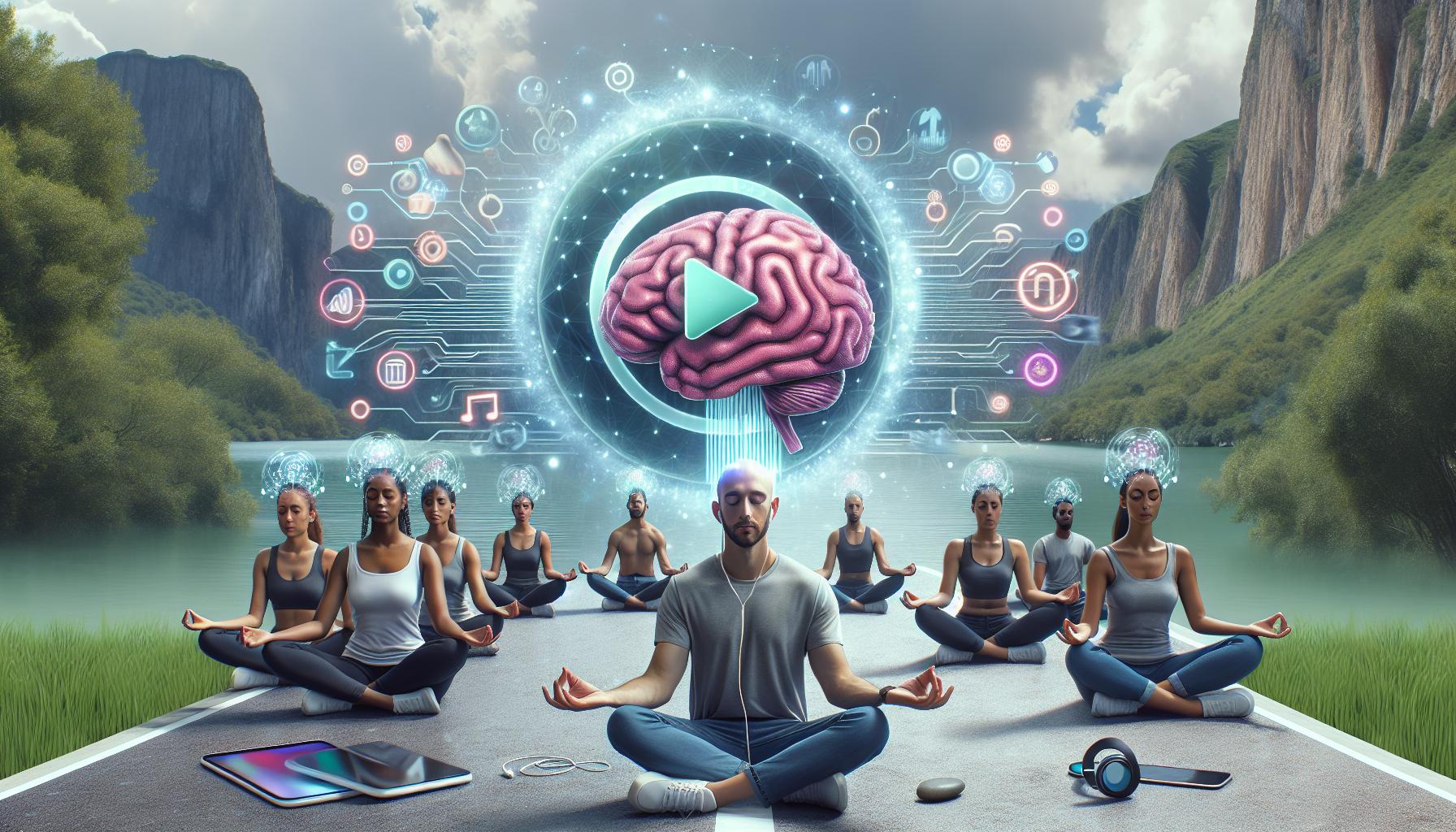
The Growing Impact of Technology on Mental Health
In the current digital landscape, where technology envelops our daily lives, understanding its impact on mental health is more crucial than ever. The staggering statistic revealing that the average American spends over 11 hours daily on screens underscores the urgency of this issue. This screen time spans work, social media, gaming, and entertainment, leading many to question how such extensive exposure affects their mental well-being.
As technology permeates our routines, many individuals often feel crushed under the weight of incessant notifications, unending emails, and social media pressures. This digital overload can deteriorate mental health, exacerbating conditions like anxiety, depression, and sleep disturbances. For instance, studies show that people who frequently check their smartphones may experience increased levels of anxiety, as they are constantly bombarded with information and feel pressured to stay connected at all times. Furthermore, the blue light emitted from screens has been linked to disrupted circadian rhythms, leading to insomnia, which is a significant concern for mental health.
Harnessing Technology for Positive Mental Health Outcomes
Despite these challenges, it is essential to recognize that technology can also serve as a powerful tool for enhancing mental well-being when utilized mindfully. For instance, the rise of mental health apps has made therapeutic practices like meditation and mindfulness more accessible. Apps such as Headspace and Calm provide guided sessions that help users manage their stress levels and promote a sense of calm in their busy lives.
Another innovative facet of digital technology is the emergence of online support groups. These platforms allow individuals to connect with others facing similar life challenges—be it grief, anxiety, or addiction. Virtual communities on platforms such as Reddit or Facebook can provide invaluable emotional support, breaking down geographical barriers that often isolate those in need. These groups enable sharing experiences and fostering connections that can alleviate feelings of loneliness.
Moreover, the wealth of educational resources available online raises awareness about mental health. Websites like NAMI (National Alliance on Mental Illness) and MentalHealth.gov offer comprehensive guides on understanding various mental illnesses, reducing stigma, and directing individuals toward professional help.
Navigating the Tech-Mental Health Landscape
Recognizing technology’s dual nature empowers individuals to harness its benefits while minimizing detrimental effects. Establishing boundaries—such as designating specific times to unplug from devices or utilizing apps that promote digital well-being—can help maintain this balance. Mindful consumption of technology, such as curating a news feed or selecting positive content on social media, can further enhance mental health outcomes.
In conclusion, the intersection of technology and mental health presents both challenges and opportunities. By understanding how to appropriately engage with the digital world, we can foster a healthier lifestyle that promotes mental well-being in an increasingly tech-driven society. As we continue to explore these strategies, it is essential to remain proactive in safeguarding our mental health while embracing the benefits that technology can provide.
DIVE DEEPER: Click here to enhance your self-care routine
Setting Digital Boundaries: A Key Strategy
One of the most effective strategies to balance technology use and mental health is establishing clear digital boundaries. In an era where our devices are seamlessly integrated into our daily lives, it’s easy to lose track of how technology can intrude upon personal time and mental space. To regain control, individuals must become intentional in their technology consumption. A proactive approach includes setting specific times during the day to disconnect from devices, effectively creating a technology-free zone. Here are some practical methods to help establish those boundaries:
- Designate Tech-Free Zones: Identify areas in your home, such as the bedroom or dining room, where devices are not allowed. This can promote quality interactions and improve overall family dynamics.
- Set Screen Time Limits: Utilize built-in features on devices or specific apps to limit daily screen time. This can help reduce overall exposure and encourage more engaging offline activities.
- Establish a Digital Curfew: Committing to unplugging from technology at a specific time each evening can improve sleep quality and reduce anxiety-inducing behaviors associated with late-night scrolling.
Creating these boundaries not only helps mitigate the negative effects of technology on mental health but also fosters a healthier relationship with devices. By prioritizing moments of disconnection, individuals can reduce feelings of overwhelm and anxiety that stem from constant connectivity.
Mindful Technology Consumption
Another cornerstone strategy in balancing technology use is mindful consumption. Just as individuals curate their diets for physical health, it is equally important to curate digital content. The information we consume online can significantly influence our mental state. To cultivate a positive digital environment, consider the following:
- Follow Positive Influencers: Choose social media accounts that inspire, motivate, or offer support. This conscious selection can lead to a more uplifting online experience.
- Limit News Consumption: Given the current landscape filled with distressing news, set aside specific times to check news outlets instead of getting bombarded throughout the day.
- Engage with Mindfulness Apps: Use technology to practice mindfulness. Regular engagement with meditation or breathing apps can promote mental well-being and provide an oasis in the digital world.
By actively considering the impact of online interactions, one can encourage a more balanced approach to technology use. This practice of mindful consumption paves the way for improved mental health by fostering an online atmosphere that nurtures rather than drains mental and emotional resources.
Integrating Offline Activities
Alongside digital boundaries and mindful consumption, it is essential to prioritize offline activities. Engaging in real-world experiences can provide substantial benefits for mental health that technology cannot replicate. Activities such as hiking, attending community events, or exploring hobbies promote social interactions and physical wellness—two critical components for mental stability.
In summary, by implementing strategies that focus on setting digital boundaries, consuming technology mindfully, and integrating enriching offline activities, individuals can harness the advantages of technology while protecting their mental health. The goal is to create a healthy balance that promotes well-being in an ever-evolving digital landscape.
Strategies to Balance Technology Use and Mental Health
As technology becomes increasingly integrated into our daily lives, it is essential to recognize its dual role; while it can enhance communication and provide access to information, it can also negatively impact mental health. Here, we explore several strategies that can help individuals maintain a healthy balance between technology use and mental well-being.
| Strategy | Benefits |
|---|---|
| Setting Time Limits | Encourages better focus on personal relationships and hobbies by limiting distractions. |
| Daily Tech-Free Hours | Promotes relaxation and reduces anxiety, allowing for deeper connections with oneself and others. |
| Mindful Consumption | Enhances awareness of emotional triggers related to social media and news consumption. |
| Engaging in Physical Activities | Offsets sedentary behavior associated with screen time, boosting overall mental health. |
Implementing these strategies empowers individuals to take control of their technology usage. By consciously navigating the digital landscape, they can minimize feelings of overload, stress, and anxiety, thus fostering a healthier mental state. Each step taken not only enhances personal well-being but also enriches interpersonal relationships, creating a more balanced lifestyle.
DIVE DEEPER: Click here to learn about the glycemic index
The Importance of Social Connections in a Digital Age
While technology can sometimes hinder our relationships, it also possesses the power to enhance social connections when used mindfully. Fostering virtual friendships and maintaining social ties are crucial for mental health, especially in an age where physical distancing has become more frequent. To strike a balance between digital interactions and mental well-being, consider the following strategies:
- Prioritize Quality Over Quantity: While it’s easy to keep in touch with numerous online acquaintances, focusing on a few key relationships can lead to deeper and more meaningful interactions. Spend more time connecting with those who provide genuine support and positivity in your life.
- Organize Virtual Meetups: Utilize video conferencing tools to host regular catch-ups with friends or family. Scheduling these events can eliminate isolation and promote a sense of community, even when physically apart.
- Join Online Support Groups: There are many platforms designed to connect individuals with similar challenges or interests. Participating in these groups offers a sense of belonging and support, which are vital for mental health.
By engaging in technology-driven social activities, individuals can cultivate a sense of community while balancing the superficial connections often found in the digital landscape.
Digital Detox: A Refreshing Approach to Reconnect
The notion of a digital detox is gaining traction, and for good reason. Taking intentional breaks from screens allows individuals to recharge their mental batteries and reconnect with the world around them. Here are several ways to effectively implement a digital detox:
- Weekend Retreats: Designate weekends as tech-free periods. Use this time to engage in nature, read a book, or catch up with family without the distractions of devices, which can help restore mental balance.
- Technology-Free Mornings: Start the day without immediately reaching for your phone. Instead, take time for mindfulness activities—like journaling or meditating—that can set a positive tone for the day.
- Social Media Sabbaticals: Consider periodic breaks from social media platforms. Use this time to reflect and evaluate your relationship with technology and how it impacts your mood and stress levels.
A digital detox can serve as a reset, offering insights into the role of technology in one’s life and promoting healthier habits moving forward.
Seeking Professional Guidance
In cases where technology significantly impacts mental health, seeking professional guidance should not be overlooked. Therapists and mental health professionals can provide tailored strategies to address specific concerns related to technology and well-being. Engaging in therapy may include:
- Cognitive Behavioral Techniques: These approaches help individuals challenge negative thoughts associated with technology use, empowering them to build healthier online boundaries.
- Encouraging Non-Digital Hobbies: Professionals can assist in exploring interests outside of technology, ensuring a well-rounded life that integrates offline fulfillment.
- Monitoring Symptoms: Maintaining a dialogue about feelings toward technology can signal when additional support may be necessary, allowing for proactive measures to safeguard mental health.
By recognizing when technology overwhelms, individuals can seek expert advice to develop effective habits and create a nurturing digital environment.
DISCOVER MORE: Click here to learn how to balance work and personal life
Conclusion: Embracing a Balanced Digital Lifestyle
In an increasingly digital world, learning to balance technology use with mental health is more crucial than ever. The strategies discussed, from prioritizing quality social connections to implementing regular digital detoxes, offer valuable tools to navigate the complexities of our virtual lives. By consciously engaging with technology and creating boundaries, individuals can enhance their online experiences while protecting their mental well-being.
Moreover, understanding when to seek professional guidance can provide necessary support, especially if technology use spirals into unhealthy patterns. Mental health professionals can assist in developing tailored approaches that foster a grateful coexistence with technology, ensuring it enriches rather than detracts from our lives.
As technology continues to evolve, so too should our strategies for maintaining a healthy relationship with it. Taking the time to reflect on how digital interaction impacts emotional health, while cultivating offline hobbies and routines, allows for a restorative balance that benefits overall well-being. When we embrace these practices, we unlock the potential for a richer, more fulfilling life that harmonizes the conveniences of technology with the essential needs of human connection and mental resilience.
Moving forward, let us challenge ourselves to be more mindful consumers of technology and intentional about our mental health. Through deliberate action and self-awareness, we can forge paths that not only enhance our personal well-being but also foster a healthier digital landscape for future generations.