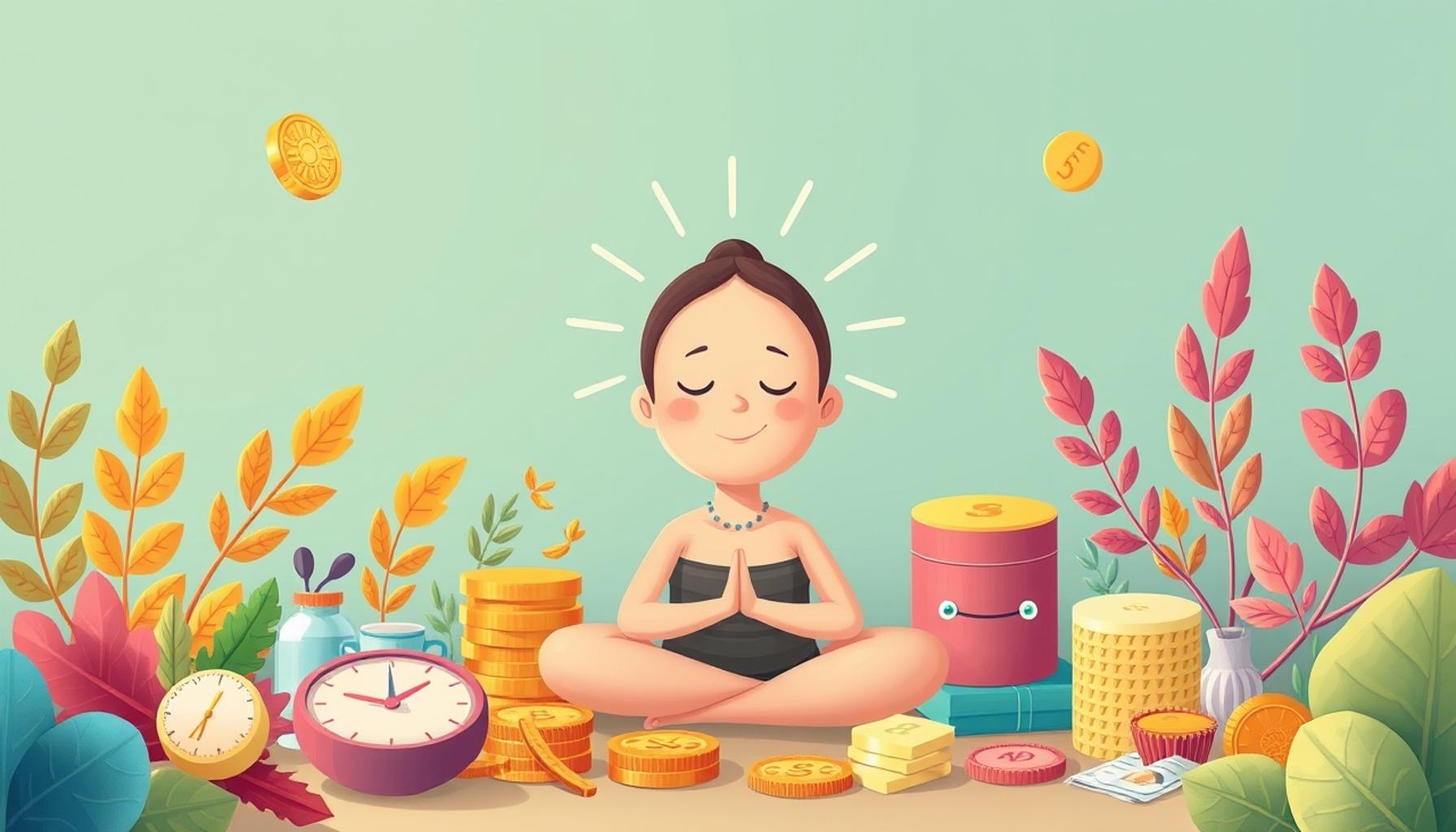
The Importance of Meditation in Mental Health: Creating a Space for Emotional Balance
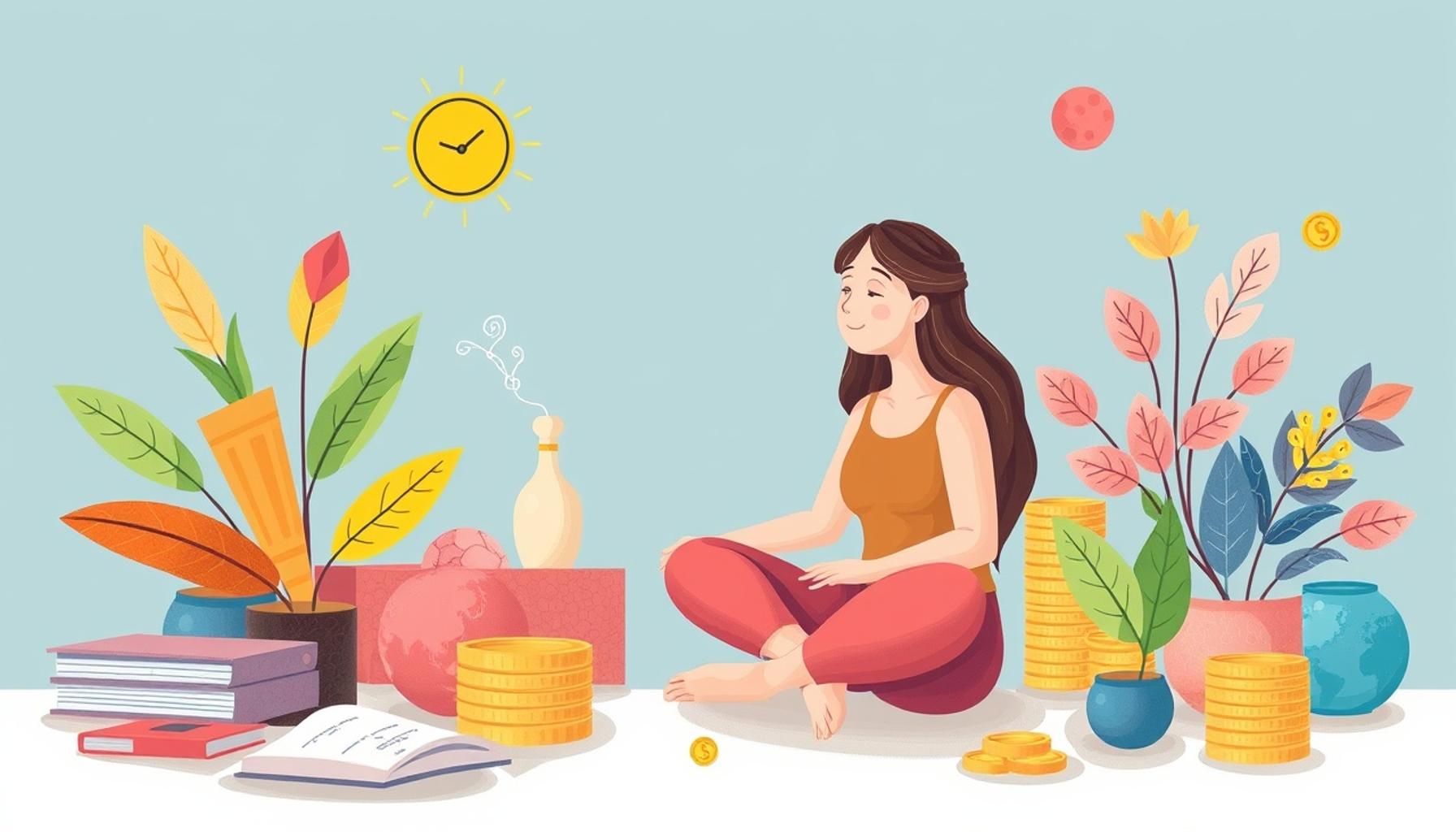
The Evolving Role of Meditation in Mental Health
As mental health challenges continue to rise, meditation stands out as a beacon of hope for many seeking solace and stability. Originally rooted in ancient traditions across various cultures—such as Hinduism, Buddhism, and Taoism—meditation has undergone a remarkable transformation. It now serves as a fundamental component of modern mental health strategies designed to bolster emotional well-being and resilience.
This ancient practice invites individuals to embark on a journey within themselves, providing a unique opportunity for introspection and self-discovery. With an array of techniques ranging from mindfulness to transcendental meditation, practitioners can tailor their approach to suite their mental health needs.
Understanding the Benefits of Meditation
Numerous studies have examined the ways in which meditation can effectively tackle pressing mental health issues. The following highlights shed light on its potential benefits:
- Stress Reduction: Meditation has been shown to significantly lower cortisol levels—a hormone linked to stress. A study conducted by the American Psychological Association revealed that participants who engaged in regular meditation exhibited decreased levels of anxiety and perceived stress.
- Anxiety Management: Incorporating meditation into daily routines helps promote a calm and centered state of mind. Techniques such as focused breathing can alleviate symptoms of anxiety disorders. For instance, individuals with generalized anxiety disorder reported reduced anxiety levels after practicing mindfulness meditation consistently.
- Enhanced Focus: In a world inundated with distractions, meditation has gained recognition for its ability to improve concentration and cognitive function. Research from the University of Washington indicated that regular meditators were better poised to focus on tasks and resist distractions compared to their non-meditating counterparts.
- Emotional Regulation: Meditation aids individuals in recognizing and managing their emotions more effectively. By developing greater self-awareness, practitioners can identify emotional triggers and respond to them in a more balanced manner.
The Importance of a Dedicated Space for Meditation
Creating a tranquil environment for meditation is essential in amplifying its benefits. Setting aside a specific area in one’s home can enhance the experience, allowing individuals to immerse themselves fully in the practice, whether it’s the spare room, a cozy corner, or even a space in the backyard. In the hustle and bustle of American life, where obligations often overshadow personal wellness, this ritual becomes even more vital.
Regular meditation not only cultivates mindfulness but also fosters a deeper connection with oneself. As awareness around mental health continues to expand, the significance of meditation in achieving emotional equilibrium becomes increasingly apparent. Individuals—from busy professionals in New York City to students in Los Angeles—are discovering that meditation is more than just a moment of peace; it is a powerful tool for navigating the complexities of modern life.
In conclusion, the transformative power of meditation cannot be overstated. As more research emerges highlighting its profound benefits, it is clear that this age-old practice is a valuable asset in the contemporary mental health landscape, encouraging introspection, resilience, and emotional balance for all who seek it.
LEARN MORE: Click here to enhance your time management skills
The Science Behind Meditation’s Impact on Mental Well-Being
Delving deeper into the connection between meditation and mental health, it’s essential to understand the mechanisms by which this practice influences our emotional landscape. Research indicates that meditation not only fosters relaxation but also initiates profound biochemical processes in the brain. Neuroscientific studies have shown that regular meditators experience changes in brain structure and function, particularly in areas associated with self-regulation and emotional control.
One of the foremost insights from neuroscience is the increased gray matter density found in the prefrontal cortex of individuals who meditate consistently. This area of the brain is crucial for executive functions, such as decision-making, impulse control, and emotional regulation. In a notable study published in the journal Psychiatry Research: Neuroimaging, participants who engaged in mindfulness meditation over eight weeks exhibited increased thickness in their prefrontal cortex, leading to improved emotional awareness and cognitive capabilities.
In addition to structural changes, meditation has been shown to impact neurotransmitter levels. For instance, practitioners often report elevated serotonin, the “feel-good” hormone, which plays a vital role in mood regulation. Decreased levels of anxiety and tension among those who meditate consistently illustrate this link vividly. Research from the University of Massachusetts found that subjects who practiced meditation regularly noted significant improvements in mood and a marked decrease in symptoms of depression.
Different Meditation Techniques and Their Emotional Benefits
The diversity of meditation techniques allows individuals to choose those that resonate best with their personal needs and lifestyles. Here are some of the most popular forms and how they can aid in mental health:
- Mindfulness Meditation: This technique encourages practitioners to focus on the present moment, promoting a state of alertness and calm. Studies have demonstrated that mindfulness meditation can reduce symptoms of depression and anxiety, empowering individuals to face their emotions without judgment.
- Transcendental Meditation: By repeating a specific mantra, participants enter a deep state of relaxation. Research has revealed that this form can significantly lower blood pressure and improve overall emotional well-being, making it an excellent choice for those dealing with chronic stress.
- Guided Imagery: Often led by a professional or through recorded sessions, guided imagery allows individuals to visualize calming scenes or experiences. This technique has been shown to alleviate anxiety and enhance feelings of positivity.
- Movement-Based Practices: Incorporating physical aspects, such as in yoga or Tai Chi, these practices not only build physical health but also help stabilize emotions by fostering a mind-body connection.
Understanding the various meditation methods highlights the adaptability of this practice, making it accessible for individuals from all walks of life, whether in bustling cities like New York or serene rural areas across America. Harnessing the right technique can lead to fulfilling emotional balance and a healthier mental state.
| Category | Benefits |
|---|---|
| Stress Reduction | Meditation has been shown to significantly lower levels of cortisol, the stress hormone, helping individuals to manage daily stressors more effectively. |
| Emotional Regulation | Engaging in regular meditation can enhance emotional awareness and improve the ability to process feelings, leading to greater emotional balance and resilience. |
| Anxiety Relief | Studies indicate that mindfulness meditation helps alleviate symptoms of anxiety by fostering a state of calm and promoting present-moment awareness. |
| Enhanced Concentration | Meditation practices can train the brain to focus better, improving cognitive function, and allowing for increased productivity and mental clarity. |
Meditation practices have surged in popularity due to their profound implications for mental health. Not only do they create a serene mental space conducive to relaxation, but they also offer mechanisms for positive change within the mind. By integrating meditation into daily routines, individuals can embark on a path toward improved mental health outcomes that extend far beyond the confines of traditional therapeutic approaches.Research consistently highlights the role of meditation in enhancing emotional well-being. One study found that participants who engaged in mindful meditation exhibited a substantial decrease in depressive symptoms. These findings underscore the significance of mindfulness and its capacity to create emotional balance amid life’s inevitable challenges.Incorporating tools such as guided meditations or mindfulness apps can empower individuals to cultivate a more present and aware state of mind. This engagement not only fosters personal growth but also fuels the desire to further explore the positive impacts of meditation on overall mental well-being, prompting readers to delve deeper into this enriching practice.
DISCOVER MORE: Click here
Building a Sustainable Meditation Practice for Mental Wellness
As the appreciation for meditation continues to grow in the United States, so does the need for practical strategies to cultivate a sustainable practice. Establishing a consistent meditation routine can enhance the emotional balance that many individuals seek in today’s demanding environment. To reap the full benefits, it’s important to tailor one’s approach to fit individual lifestyles, preferences, and goals.
One effective method for initiating a meditation practice is to start small. The idea of meditating for extended periods can be daunting, especially for beginners. Research supports the benefits of even brief sessions, with studies suggesting that just 10 to 15 minutes of daily meditation can significantly reduce stress and enhance emotional well-being. Setting a timer for short sessions and gradually increasing the duration can make meditation feel more manageable and less intimidating.
Additionally, creating a dedicated space for meditation can significantly influence the quality and consistency of practice. A quiet, peaceful corner in your home adorned with calming visuals and soft lighting can help cultivate an inviting atmosphere conducive to meditation. Such a space becomes a sanctuary, a place where one can escape the daily chaos and reconnect with themselves.
The Role of Technology in Enhancing Meditation Practices
In the digital age, technology has proven to be a powerful ally in promoting meditation and mental health. Numerous apps, such as Headspace and Calm, provide guided meditations, mindfulness exercises, and even soothing sounds to enhance relaxation. A study conducted by researchers at Harvard Medical School found that participants using meditation apps reported lower levels of anxiety and depression compared to those who did not use such tools. This accessibility has democratized meditation, allowing more people to incorporate it into their daily routines.
Virtual communities and online resources also play a vital role in supporting meditators. Forums and social media groups offer spaces where individuals can share their experiences, motivate each other, and even participate in group meditations. This sense of community can bolster commitment and enhance motivation, fostering a supportive environment that encourages emotional wellness.
Challenges and Misconceptions About Meditation
Despite its many benefits, several myths and misconceptions surrounding meditation can create barriers for potential practitioners. One common opinion is that meditation requires a specific mental state to be effective, which can lead to feelings of inadequacy for newcomers. In reality, meditation is a practice that embraces all thoughts and emotions, emphasizing acceptance rather than avoidance. This understanding can assist individuals in overcoming fears of “not doing it right” and allow them to engage with the process more openly.
- Expectation vs. Reality: Many individuals expect instant results from meditation. However, cultivating emotional balance through this practice is often a gradual journey that unfolds over time.
- Perceived Time Constraints: Physical and mental exhaustion can lead some to believe they lack the time for meditation. Yet, integrating short sessions throughout the day, such as during a lunch break, can provide significant relief and balance.
Ultimately, acknowledging these challenges while fostering an understanding of meditation’s inherent flexibility can empower individuals to embrace the practice fully. As mindfulness permeates daily life, many individuals discover that meditation is not just a series of exercises; it becomes an essential tool for crafting and maintaining emotional equilibrium.
LEARN MORE ABOUT: Click here to discover the benefits of strength training
Conclusion
In conclusion, the profound impact of meditation on mental health cannot be overstated. As we navigate the complexities of modern life, cultivating a sanctuary for mindfulness is essential for achieving emotional balance and overall well-being. Through building a consistent meditation practice, regardless of the time constraints or preconceived notions that may hinder our engagement, individuals can tap into deep reservoirs of peace and clarity. Simple techniques, such as starting with short sessions and creating a dedicated space, enable accessibility for those at any stage of their meditation journey.
Embracing technology, from meditation apps to online communities, provides an additional layer of support that fosters commitment to this transformative practice. As these resources continue to flourish, more people find themselves empowered to prioritize their mental health without the burdens of outdated misconceptions. Remember, meditation is not about perfection; it is a personal journey of acceptance and growth. The journey may be gradual, but the benefits in terms of reduced stress, enhanced emotional insight, and improved mental clarity are undeniable.
As we collectively shift our focus towards holistic wellness in an increasingly hectic world, exploring the depths of meditation can serve not just as a form of self-care, but as a crucial component of leading a balanced life. For those seeking emotional equilibrium, meditation stands as a vital practice, creating a refuge from the noise of life, fostering resilience, and unlocking the potential for a healthier, more harmonious existence.