
How to Motivate Children to Engage in Regular Physical Exercise
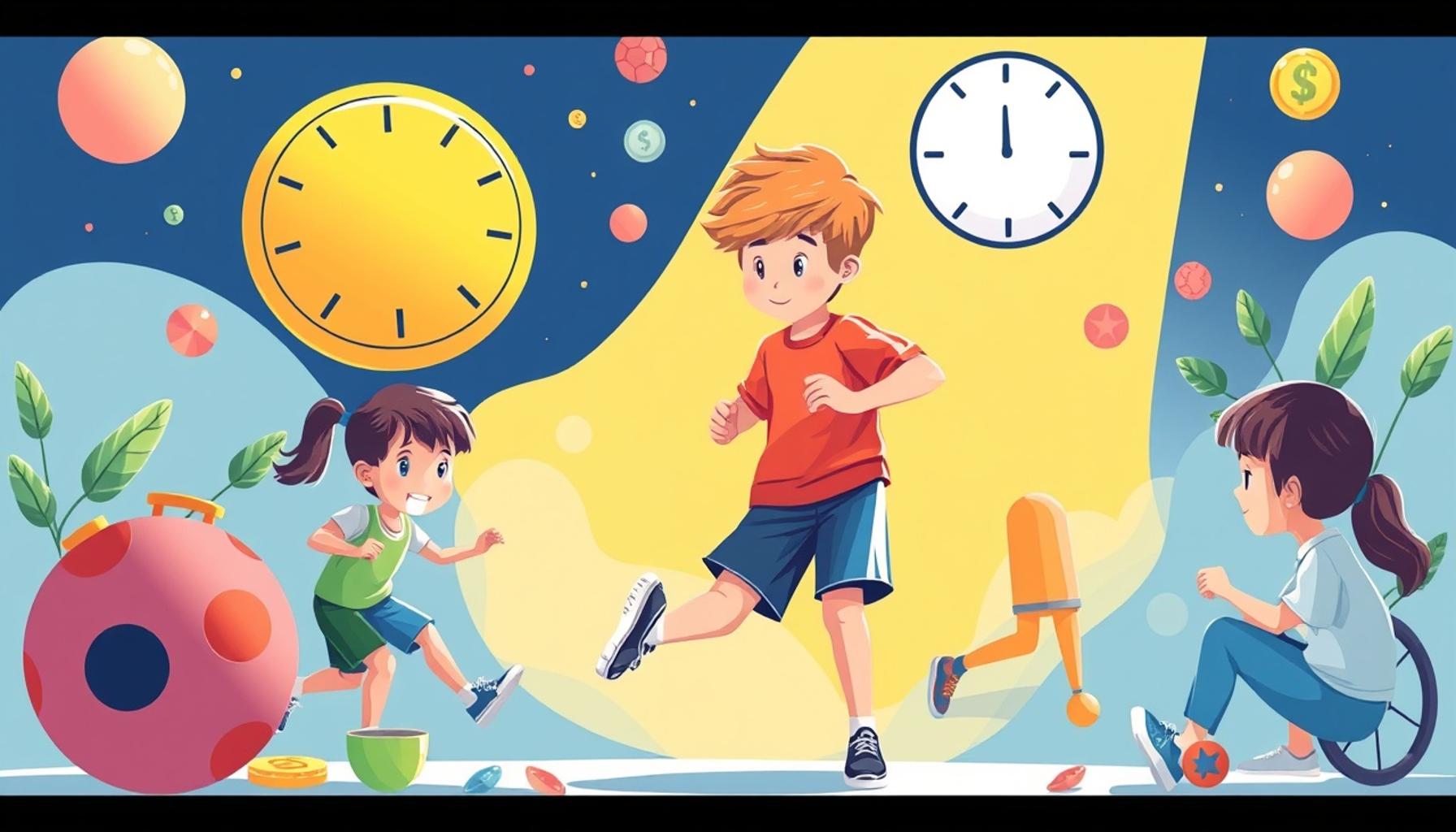
Engaging Children in Physical Exercise
In an era dominated by screens and sedentary activities, motivating children to engage in regular physical exercise has never been more crucial. Physical health plays a vital role in a child’s overall development, impacting not only their body but also their mental well-being. As children become increasingly drawn to video games, social media, and other electronic entertainments, it is essential to counteract these trends with effective strategies that promote an active lifestyle.
Various studies reveal that children who participate in regular physical activity show improved academic performance and mood stability. For example, the Centers for Disease Control and Prevention (CDC) states that children should engage in at least 60 minutes of moderate to vigorous physical activity daily. This level of engagement has been linked to enhanced cognitive function, benefitting school performance through improved concentration and memory. Additionally, regular exercise is known to regulate emotions, helping to combat anxiety and depression, which are increasingly prevalent among youth today. Here are some compelling reasons why exercise should be a priority:
- Enhances physical fitness and coordination: Activities ranging from simple running games to organized sports greatly help in developing a child’s strength, flexibility, and overall coordination.
- Boosts mood and reduces anxiety: Physical activity releases endorphins, often referred to as ‘feel-good’ hormones, which can dramatically improve a child’s mood.
- Encourages healthy social interactions: Team sports and group activities foster friendships and teach children the value of teamwork and collaboration.
Despite the clear benefits, many children resist participating in physical exercise. To turn this trend around, parents and educators must adopt creative strategies to ignite enthusiasm. Here are a few effective approaches:
- Incorporate fun games in regular routines: Transform traditional exercise into engaging games to capture their interest. For instance, games like tag or scavenger hunts can make movement feel like play rather than a chore.
- Encourage participation in team sports: Organized sports, such as soccer, basketball, or gymnastics, not only improve fitness but also serve as a platform for children to build networks of peers who share similar interests.
- Emphasize the joy of outdoor activities: Nature provides a fantastic backdrop for exercise. Hiking, biking, or simply exploring local parks can intrigue children and give them a newfound appreciation for the outdoors.
Creating an engaging, supportive environment is key to helping children form positive associations with movement. By integrating exercise into daily routines and reinforcing its benefits, we can inspire the younger generation to adopt active and healthy lifestyles. In the following sections, we will explore valuable techniques and tools that pave the way for encouraging children to engage in physical activity, ensuring they enjoy the myriad benefits that come with it.
DISCOVER MORE: Click here to learn about the benefits of strength training
Creative Strategies to Inspire Active Lifestyles
To effectively motivate children to engage in regular physical exercise, it is essential to appeal to their interests and present physical activity as an exciting and enjoyable experience. Children are naturally curious and energetic, so leveraging their innate desire to play and explore can be a powerful tool for promoting an active lifestyle. Here are several innovative strategies that parents and educators can implement:
- Make Exercise a Family Affair: Involve the whole family in physical activities. When children see their parents participating enthusiastically, they are more likely to join in. Family bike rides, weekend hikes, or even dance parties in the living room can create a supportive environment that fosters a love for movement.
- Use Technology to Your Advantage: Many kids are attracted to technology, so why not incorporate it into their exercise routines? Fitness apps and video games that promote physical activity—like augmented reality games that require running or jumping—can intrigue children and motivate them to move while having fun.
- Set Realistic Goals and Celebrate Achievements: Helping children set achievable fitness goals can boost their confidence and provide a sense of accomplishment. Whether it’s completing a certain number of jumping jacks or running a lap around the field, celebrating these milestones can motivate them to continue striving for greater achievements.
By implementing these strategies, parents and educators can cultivate an atmosphere that encourages children to engage in regular physical exercise. It’s important to recognize that making exercise enjoyable and rewarding is vital for sustaining long-term participation. The following approaches can further enhance motivation and create a meaningful connection to physical activity:
- Offer Choices: Allow children to choose the types of activities they want to participate in. Whether they prefer swimming, martial arts, or dance, giving them a sense of ownership over their exercise choices can lead to greater enthusiasm and commitment.
- Incorporate Social Elements: Children often enjoy exercising more when they do it with friends. Organizing group activities or playdates that involve physical challenges can not only make the activity more fun but can also forge stronger social bonds.
- Make Use of Community Resources: Many communities offer free or low-cost sports leagues, classes, and events for children. Leveraging these resources can provide children with opportunities to try out new activities without financial barriers, ensuring they find something they genuinely enjoy.
Establishing a positive relationship with exercise from a young age can help build a foundation for lifelong fitness habits. The impact of physical activity extends well beyond the present, contributing to better physical and mental health in their adult lives. As we delve deeper into this topic, we will uncover additional techniques to further facilitate children’s enthusiasm for physical activity, ensuring they reap all the benefits associated with a healthy, active lifestyle.
How to Motivate Children to Engage in Regular Physical Exercise
In today’s digital age, encouraging children to be physically active is more important than ever. Many kids are drawn to screens, leading to sedentary lifestyles, but there are effective strategies that can turn the tide and instill a love for exercise. Below is a comprehensive table that outlines key advantages and methods in motivating children to participate in regular physical activity.
| Motivational Strategies | Positive Outcomes |
|---|---|
| Incorporating Fun Activities | Children are more likely to engage when they enjoy the activity, fostering a lifelong love for physical fitness. |
| Setting Achievable Goals | Goal-setting can lead to a sense of accomplishment, boosting children’s confidence and encouraging perseverance. |
| Leading by Example | Children often mimic adult behavior, making it crucial for parents to demonstrate active lifestyles. |
| Creating a Routine | Consistency helps children to understand that exercise is an integral part of daily life, shaping their future habits. |
By utilizing these methods, parents and caregivers can effectively nurture an environment where physical activity is not only encouraged but celebrated. Engaging children through fun and exciting challenges, providing positive reinforcement, and making exercise a family affair can significantly reduce barriers to participation. Regular exercise not only benefits physical health but also enhances mental well-being—an essential aspect of childhood development. As families embark on this journey together, the benefits of a physically active lifestyle will become evident, forming the foundation for healthier future generations.
DIVE DEEPER: Click here to discover more
Enhancing Engagement Through Innovative Approaches
To deepen children’s enthusiasm for physical activity, it’s crucial to innovate beyond the standard methods. Unique approaches can significantly enhance their motivation, making exercise not just a task, but a delightful experience. Here are some effective strategies that can be integrated into children’s routines:
- Create a Rewards System: Developing a rewards program can incentivize children to engage in physical activity. Simple rewards, such as stickers, points toward a fun activity, or small prizes, can entice children to participate more actively. Tracking their accomplishments on a chart can also give children a visual representation of their achievements, which reinforces the habit.
- Engage in Themed Activities: Designing themed sports days or activity weeks can ignite children’s imaginations and interest. Whether it’s a superhero obstacle course or a carnival sports day, adding a fun theme can transform mundane routines into captivating adventures, allowing children to see exercise in an exciting light.
- Introduce Movement into Daily Routines: Encouraging children to incorporate physical activity into their everyday tasks can naturally enhance their fitness levels. For instance, walking or biking to school instead of driving, participating in household chores like gardening, or even dancing while cleaning teaches them that physical activity can be both practical and enjoyable.
Moreover, understanding the psychological aspects of motivation is crucial. While children may enjoy different types of activities, it is vital to foster a sense of competence and belonging through physical exercise:
- Develop a Supportive Environment: A friendly atmosphere can greatly improve children’s willingness to engage in physical activities. Create safe spaces for children to explore movement, whether in schools, parks, or homes. Encourage conversations about the importance of health and fitness to help children understand their own capabilities and feel supported.
- Utilize Role Models: Exposing children to role models who engage in active lifestyles can inspire them to adopt similar habits. This could be through community events featuring local athletes, family friends who prioritize fitness, or even through educational programs that highlight the benefits of physical activity.
- Provide Instructional Content: Incorporating educational videos or interactive workshops that focus on fun physical skills can boost confidence in children. Learning something new, like yoga or martial arts, with clear instructions and support creates an atmosphere of mastery that can motivate further participation.
It’s vital to recognize that children are influenced by their social environment. Involvement from peers can enhance their desire to engage in physical activity:
- Incorporate Challenges and Competitions: Adding friendly competitions or challenges can encourage children to push their limits. Whether in a school setting or at home, organizing sports days or group exercises can create a sense of camaraderie and motivate them to participate more actively.
- Promote Inclusivity: Ensuring that all children feel welcome and included in physical activities is crucial. Adaptive sports programs and inclusive play areas can enable children with different abilities to engage together, fostering teamwork and collaboration.
By applying these innovative approaches, parents and educators can create a vibrant culture around physical activity, making it an integral part of children’s lives. The key lies in recognizing each child’s unique interests and tailoring activities to forge a deeper connection to exercise, ensuring that movement remains an enjoyable and enriching experience.
DISCOVER MORE: Click here to uncover the secrets to better sleep
Conclusion: Fostering a Lifelong Love for Physical Activity
In summary, motivation for regular physical exercise among children can be achieved through a multifaceted approach, blending creativity, support, and community engagement. By implementing reward systems and introducing engaging themes, we transform exercise into a fun and inviting experience that resonates with children. It’s essential to weave movement into their daily routines, revealing that physical activity can coexist harmoniously with everyday life.
Moreover, establishing a supportive environment where children feel empowered and connected is crucial. This can be achieved by promoting inclusivity and showcasing role models who embody an active lifestyle. By fostering a sense of competence and belonging, children are more likely to embrace physical challenges and views of themselves as active participants.
Encouraging collaboration through competitions and social activities not only promotes physical fitness but also builds friendships, making exercise a shared joy. As parents, educators, and community members, it is our responsibility to cultivate a culture where physical activity is celebrated and seen as an integral part of growth.
Ultimately, by nurturing children’s intrinsic motivation and tailoring experiences to their unique interests, we can instill a love for movement that lasts a lifetime. As we support the next generation in leading active and healthy lifestyles, we set the foundation for their physical and emotional well-being, ensuring that exercise remains a cherished aspect of their lives. Together, let’s ignite their passion for movement and reframe physical exercise as an adventure waiting to be explored.