
Mindfulness and Time Management: How Mindfulness Can Enhance Your Productivity and Emotional Balance

The Power of Mindfulness in Today’s Busy World
In an era where the pace of life seems to accelerate with each passing day, finding ways to manage time efficiently is becoming increasingly essential. The onslaught of emails, notifications, and social media distractions contribute to a culture of constant busyness that often leads to stress, burnout, and decreased productivity. This is where mindfulness emerges as a transformative practice offering clarity, focus, and emotional balance.
At its core, mindfulness is about anchoring oneself in the present moment. It’s about consciously paying attention to thoughts, feelings, and surroundings without judgment. By integrating mindfulness into your daily routine, you can harness its benefits in various aspects of your life. For instance:
- Reduce stress: Engaging in mindfulness techniques, such as taking a few moments to focus on your breath, can significantly help clear the mental clutter that builds up over time. Studies have shown that regular mindfulness practice can lower levels of cortisol, the stress hormone, ultimately leading to a calmer state of mind.
- Improve focus: By enhancing awareness, mindfulness helps sharpen concentration on tasks at hand. Mindful practices, like the “Pomodoro Technique,” can help you concentrate better during work intervals followed by short breaks, increasing overall productivity.
- Balance emotions: Mindfulness encourages emotional regulation, allowing for better management of feelings during challenging situations. For example, instead of reacting impulsively during a stressful meeting, a mindful approach can help individuals respond thoughtfully.
Research indicates that integrating mindfulness into time management strategies can lead to significant improvements in productivity. Techniques such as meditation or deep breathing not only reduce anxiety but also empower individuals to:
- Prioritize effectively: When you practice being present, you can more easily discern what’s truly important versus what might be a distraction. This clarity enables you to tackle high-priority tasks without feeling overwhelmed.
- Boost creativity: A serene mind fosters innovative thinking. Many successful entrepreneurs, like Google’s co-founder Larry Page, advocate for mindfulness as a way to unlock new ideas and solutions in their work environments.
- Enhance decision-making: Mindfulness provides the mental space necessary for making informed choices without rushing. Techniques like visualization can assist in evaluating outcomes before taking action.
As you embark on the journey of incorporating mindfulness into your daily life, you may discover that it enriches not only your time management skills but also offers profound emotional stability. The methods you explore can ultimately reshape your approach to productivity and well-being, equipping you with the tools needed to thrive in a demanding world.
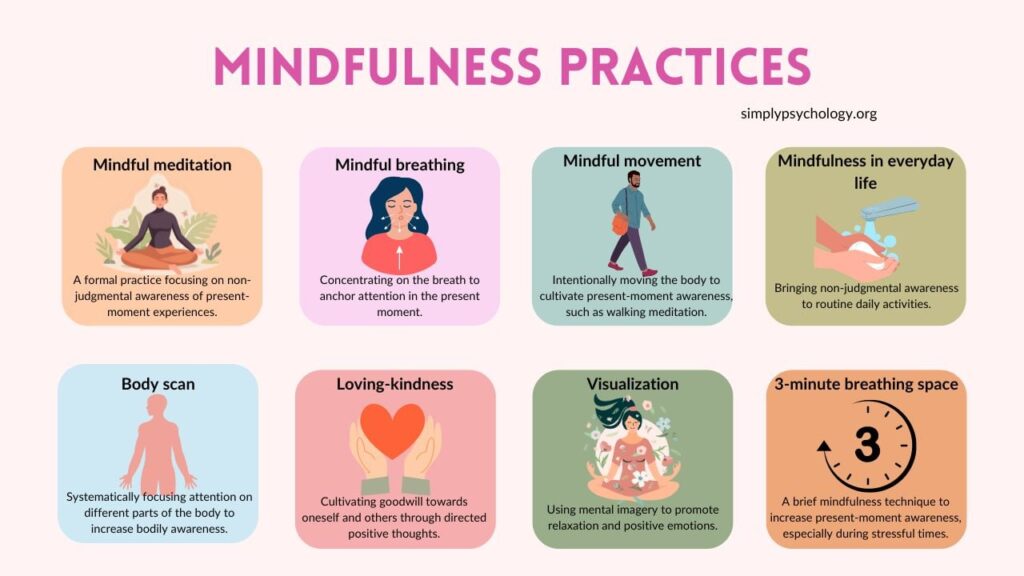
In conclusion, mindfulness is more than just a trend; it is a practice that encourages a deeper connection to your work and personal life. Whether through meditation, mindful walking, or simply taking a moment to breathe, the ripple effects of these practices can lead to a more productive, fulfilling, and balanced life. Exploring these steps may just lead you to unlock a new level of productivity and peace.
DIVE DEEPER: Click here to enhance your mindfulness journey
Mindfulness Techniques That Transform Time Management
Integrating mindfulness into your daily routine goes beyond simply being present; it involves actively employing mental strategies that can dramatically enhance your time management skills. By addressing both the mental and emotional components of productivity, mindfulness encourages a more fulfilling and effective approach to managing your tasks and responsibilities. Consider the following techniques that can help you align your practices with effective time management:
- Mindful Mornings: Start your day with a mindfulness ritual. Taking even a few minutes to meditate, practice gratitude, or set intentions can create a focused mindset that boosts your productivity throughout the day. In fact, research indicates that morning mindfulness can heighten awareness and clarity, which enhances decision-making and motivates proactive engagement with your tasks.
- Mindful Breaks: Stepping away from your work periodically is vital in our fast-paced lives. Short mindfulness breaks, such as brief meditation sessions or stretching exercises, can recalibrate your focus and energy. A study published in the Journal of Occupational Health Psychology found that employees who practiced mindfulness during breaks reported higher satisfaction levels and reduced stress.
- Task Mindfulness: When tackling your to-do list, try fully immersing yourself in one task at a time. Switching from one activity to another can fragment your attention and result in decreased productivity. By being mindful of the task at hand, you enhance concentration and lessen errors, which ultimately leads to a more efficient workflow.
- Mindful Reflection: At the end of the day, take time to reflect on what you accomplished. This practice not only reinforces a sense of achievement but also helps you identify areas for improvement. Mindfulness-based reflection encourages individuals to view their day without judgment, allowing for constructive adjustments in the following days.
These techniques collectively cultivate a mindful atmosphere that informs how you interact with your time and work responsibilities. By consciously adopting these practices, you engage both your cognitive and emotional capacities in a balanced way, enhancing overall productivity. Furthermore, these techniques are not just surface-level fixes; they delve into the core of how you perceive and navigate your environment, which is crucial in reducing stress and maintaining emotional balance.
As you explore these mindfulness strategies, you may find that they not only assist you in managing your time more efficiently but also nurture your emotional well-being. Embracing mindfulness creates a feedback loop where increased awareness leads to improved productivity, which in turn fosters a sense of calm and stability. In today’s demanding work culture across the United States, incorporating these techniques can be a game-changer for anyone looking to reclaim their time, energy, and peace of mind.
| Mindfulness Benefits | Impact on Time Management |
|---|---|
| Improved Focus | By practicing mindfulness, individuals can enhance their concentration, allowing them to tackle tasks with greater efficiency and effectiveness. |
| Stress Reduction | Mindfulness techniques help alleviate stress, creating a more conducive environment for productive time management. |
| Enhanced Decision Making | Greater emotional balance allows for more thoughtful decision-making, reducing time spent on second-guessing choices. |
| Increased Self-Awareness | Building mindfulness fosters self-awareness, enabling individuals to identify time-wasting habits and adjust accordingly. |
Integrating mindfulness into time management strategies can create a more productive and balanced lifestyle. By fostering an environment that prioritizes mental well-being, individuals can harness the full extent of their potential. The blend of improved focus, stress reduction, enhanced decision-making, and increased self-awareness is crucial for anyone looking to optimize their workflow. As readers delve into the realms of productivity and emotional balance, exploring the connection between mindfulness and time management may reveal transformative insights that encourage practical implementation in daily routines. Practical tools and exercises can serve as catalysts for those looking to embrace a more mindful approach to achieving their goals.
DISCOVER MORE: Click here to learn about the benefits of daily meditation
The Impact of Mindfulness on Emotional Intelligence and Stress Management
In a world where stress and burnout are increasingly common, the intersection of mindfulness and emotional intelligence is gaining traction as a vital component of effective time management. Mindfulness equips individuals with tools not only to manage tasks more efficiently but also to foster emotional resilience. By recognizing and regulating their emotional states, individuals can make better decisions, enhance collaboration, and maintain productivity. Below are a few key ways in which mindfulness influences emotional intelligence and stress management:
- Emotional Awareness: Mindfulness fosters an acute awareness of one’s emotions. By taking moments throughout the day to pause and reflect, individuals can identify triggers that may lead to stress or distraction. This augmented awareness allows people to choose their responses rather than reacting impulsively, leading to more thoughtful interactions and improved relationships at work.
- Regulation of Stress: Engaging in mindfulness practices has been shown to activate the body’s relaxation response, lowering cortisol levels and creating a more balanced emotional state. A study published in the journal Health Psychology revealed that individuals who practiced mindfulness regularly experienced significantly lower stress levels compared to their non-practicing counterparts. As stress is a notorious productivity killer, managing it effectively with mindfulness can lead to greater efficiency and effectiveness in time management.
- Enhanced Communication: Mindfulness promotes active listening and presence in conversations. This heightened focus extends to colleagues, clients, and associates, fostering genuine connections. A workplace environment that encourages contemplative practices leads to stronger team dynamics and collaboration, ultimately supporting the completion of projects within deadlines.
- Problem-Solving Skills: When faced with challenges, a mindful approach can enhance cognitive flexibility, enabling individuals to think creatively and assess problems from various angles. This ability to adapt and explore alternative solutions not only saves time but also reduces frustration when obstacles arise, allowing for a more direct path to goal completion.
The benefits of mindfulness extend into shaping a positive workplace culture as well. Organizations are starting to recognize the value in incorporating mindfulness workshops and training sessions. These initiatives not only equip employees with valuable skills but also show a commitment to their well-being, fostering loyalty and increasing retention rates. For instance, companies like Google and SAP have begun implementing mindfulness-based programs, with reported improvements in employee satisfaction and productivity metrics.
Moreover, the importance of emotional balance in effective time management cannot be overstated. Individuals who cultivate their emotional intelligence through mindfulness typically report higher levels of job satisfaction, engagement, and overall happiness. By weaving mindfulness into the fabric of daily life, individuals unlock a reservoir of potential that allows them to navigate their time and tasks with confidence and grace. These principles are crucial in a fast-paced society, where the ability to remain calm amidst chaos can significantly influence personal and professional outcomes.
Ultimately, embracing a mindful approach to time management streamlines productivity while nurturing mental well-being. By focusing on enhancing emotional intelligence, individuals not only refine their capacity to allocate time wisely but also cultivate a healthier relationship with their work and personal lives. This holistic method speaks to the heart of making time work for you, rather than the other way around.
DISCOVER MORE: Click here to learn how mindful eating can change your life
Conclusion: The Synergy Between Mindfulness and Time Management
Incorporating mindfulness into your daily routine is not just an innovative approach; it is a necessary evolution in how we view time management and personal well-being. As the pace of modern life accelerates, the demand for enhanced productivity and emotional balance becomes increasingly critical. Mindfulness emerges as a powerful ally, helping individuals to reclaim their time, reduce stress, and foster efficient workflows.
By cultivating emotional intelligence through awareness and regulation, professionals can develop stronger relationships and improve communications within their teams. The integration of mindfulness practices results in lower stress levels and heightened cognitive flexibility, allowing for more effective problem-solving and decision-making. Furthermore, organizations that promote mindfulness training showcase a commitment not just to productivity but to the holistic health of their employees, leading to better retention and job satisfaction.
Ultimately, exploring the synergy between mindfulness and time management opens new avenues for personal and professional growth. It encourages individuals to focus on the present moment, facilitating a clear mindset that enhances both productivity and emotional resilience. This holistic approach transforms the traditional view of time management from one of mere scheduling into a lifelong practice of awareness and balance. For those eager to embrace change, incorporating mindfulness principles may very well hold the key to unlocking a more productive and fulfilling life.