
Pomodoro Techniques: Transforming Time Management into a Tool for Mental Health

Exploring the Benefits of Time Management Techniques on Mental Health
Time management encompasses strategies that not only enhance productivity but also play a crucial role in shaping our mental well-being. One of the most popular methods that has gained traction is the Pomodoro Technique, a time management system designed to promote both efficiency and mental clarity. This innovative approach can profoundly influence how individuals balance their time and manage stress levels.
Originally conceived by Francesco Cirillo in the late 1980s, the Pomodoro Technique segments work into focused intervals, traditionally lasting 25 minutes, followed by short but restorative breaks. This structure works similarly to interval training in physical fitness, allowing workers to maximize their output without exhausting themselves. Below are some hallmark features of this method:
- Structured Work Intervals: Each work session, or “Pomodoro,” encourages individuals to dedicate their focus to one specific task, promoting deep concentration.
- Regular Breaks: After each Pomodoro, a 5-minute break allows individuals to step away, reenergizing their minds to tackle the next task with renewed vigor.
- Enhanced Focus: By limiting work sessions to manageable intervals, distractions are minimized, encouraging a state of mindfulness that can enhance overall productivity.
Embracing this technique can yield significant mental health benefits. Research has shown that incorporating structured breaks into work can lead to:
- Decreased Anxiety: By breaking tasks into bite-sized pieces, feelings of overwhelm that often accompany lengthy projects can be alleviated, making tasks appear more achievable.
- Heightened Productivity: Regular intervals of focused work foster sustained motivation, reducing the likelihood of distractions that can derail progress.
- Improved Mood: Each completed Pomodoro fosters a sense of accomplishment, leading to a positive feedback loop that can elevate overall mood and job satisfaction.
The Ebb and Flow of Work and Rest
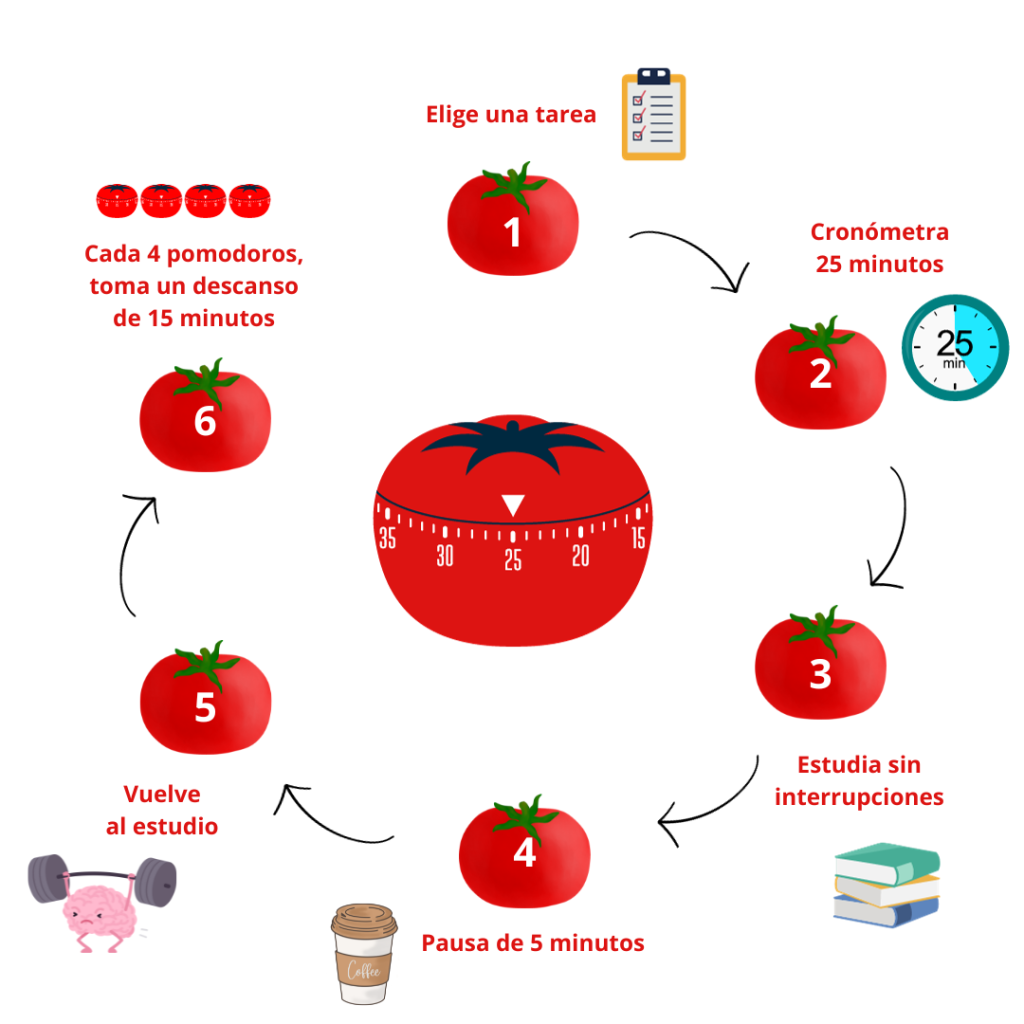
Incorporating the Pomodoro Technique into daily routines not only revolutionizes how tasks are approached but also promotes emotional resilience. For instance, students juggling multiple assignments during finals week can leverage the method to ensure they allocate their time wisely while preserving their mental well-being. In workplace environments, employees can apply this approach during busy periods to mitigate stress during peak project deadlines.
Additionally, many apps and online tools are available that offer timers and tracking features designed specifically for the Pomodoro Technique, making it easier to adapt and implement this strategy. As we further explore the intricate relationship between time management and mental health, it becomes increasingly evident that techniques like the Pomodoro Method are invaluable—equipping individuals not merely with better organizational skills but also bolstering their mental health in the process.
CHECK OUT: Click here to learn how staying active benefits your mind
Unlocking the Power of Time Management for Mental Resilience
The Pomodoro Technique stands out not only for its ability to boost productivity but also for its profound impact on mental health. By offering a structured approach to work, this method inherently reduces stress and fosters a greater sense of control in an increasingly fast-paced world. But how exactly does this happen?
At its core, the Pomodoro Technique embraces the principle of time segmentation. By dividing work into 25-minute focused intervals, followed by brief 5-minute breaks, individuals can experience a balance between diligence and rest. This balance is essential for mental well-being, as it combats feelings of burnout—a looming threat in today’s demanding work and academic environments.
Research indicates that prolonged periods of intense focus without breaks can lead to cognitive fatigue, resulting in diminished productivity and heightened stress. The Pomodoro Technique acts as a remedy for this issue by integrating consistent intermissions into a person’s schedule. These breaks serve not just as moments to breathe but also as opportunities to engage in activities that can further enhance mental health:
- Physical Stretching: Engaging in light stretches or physical movement during breaks can release endorphins, improving mood and reducing feelings of fatigue.
- Mental Reflection: Short moments of mindfulness or reflective thinking allow individuals to assess their feelings and reduce anxiety levels.
- Social Interactions: Brief conversations with colleagues or friends during breaks can provide social support, combating feelings of loneliness or isolation.
Moreover, the Pomodoro Technique contributes to improved emotional resilience by fostering a cycle of achievement and productivity. Each completed Pomodoro can lead to a feeling of accomplishment, which can be transformative for those struggling with self-doubt or feelings of inadequacy. As tasks are completed, individuals begin to build a momentum that reinforces their capability and enhances their confidence.
Additionally, this approach is particularly beneficial in educational settings. Students can tackle the overwhelming nature of their studies by breaking down larger assignments into manageable tasks. This not only diminishes the pressure felt during high-stakes exams but also reaffirms the notion that consistent, small efforts can lead to significant success.
In corporate environments, the Pomodoro Technique has also seen implementation as a strategy for maintaining mental wellness among employees. As organizations increasingly recognize the importance of mental health, integrating this technique as part of a broader wellness program can result in improved workplace morale and efficiency.
As we delve deeper into how the Pomodoro Technique can be used to foster not just productivity, but also mental health, it becomes evident that its structured approach offers a unique balance that modern-day individuals desperately need. This synergy of work and rest promotes not only efficiency but a path towards sustainable mental well-being.
Pomodoro Techniques: Transforming Time Management into a Tool for Mental Health
The connection between time management and mental health is increasingly recognized, and Pomodoro Techniques offer an innovative approach to harness this link. By breaking work into focused segments, or “Pomodoros,” individuals find relief from the pressure of continuous productivity. This method not only enhances focus but also serves as a critical tool in mental well-being.
Implementing the Pomodoro Technique provides numerous benefits. It encourages regular breaks, allowing the mind to rest and recharge. These short pauses are crucial for reducing stress and preventing burnout, a common challenge in modern-day work environments. Moreover, by restricting work periods, this technique ensures that individuals do not overextend themselves, thus promoting a healthier work-life balance.
| Category | Benefits |
|---|---|
| Focused Work Sessions | Enhances concentration and reduces distractions, leading to higher productivity levels. |
| Regular Breaks | Promotes mental recharging and reduces feelings of overwhelm and stress. |
Furthermore, the structured approach of Pomodoro Techniques can aid in anxiety reduction. By providing a clear start and end to tasks, individuals gain a sense of control over their workload. This predictability can diminish feelings of being overwhelmed, enhancing overall mental clarity and emotional resilience.
For anyone seeking to elevate their time management skills while safeguarding mental health, Pomodoro Techniques serve as a practical and scientific method worth exploring. As we continue to navigate a fast-paced world, finding strategies to sustain mental wellness through effective time management is more crucial than ever.
LEARN MORE: Click here to find effective relaxation techniques
Nurturing Mental Well-being Through Structured Work Sessions
The benefits of the Pomodoro Technique extend beyond mere productivity; they create a comprehensive framework for improved mental health. This approach encourages individuals to cultivate awareness of their own working styles and emotional responses to tasks. By implementing timed work intervals, practitioners often discover important patterns in their productivity that enable them to identify peak performance times, allowing for optimized workflow adjustments. Understanding one’s internal clock is crucial, especially in a country where high-performance culture often leads to overextended working hours and stress.
Adopting this technique not only enables users to work smarter but also enhances their self-awareness. Each completed Pomodoro is an opportunity for reflection; individuals may find themselves evaluating what worked, what didn’t, and tailoring their strategies accordingly. This process leads to the development of important skills such as adaptability and resilience. Over time, these capabilities can significantly improve one’s approach to challenges, transforming them into manageable tasks rather than insurmountable obstacles.
Furthermore, a significant component of mental health is the ability to manage stress effectively. Ongoing research supports that repetitive cycles of stress can heighten anxiety levels and impair emotional regulation. The intermittent breaks within the Pomodoro Technique allow for stress management techniques to be integrated seamlessly into one’s routine. For instance, studies show that practices such as deep breathing or engaging in creative outlets during breaks can lower cortisol levels, the hormone predominantly involved in stress responses.
- Engaging in Creativity: Activities such as drawing or journaling during breaks can serve as outlets for emotional expression, providing mental clarity and easing tension.
- Laughter and Humor: Watching a short funny video or sharing jokes with colleagues can uplift mood and provide a much-needed mental reset.
- Nature Connection: Taking breaks outdoors and appreciating nature has been shown to lower stress levels and enhance overall emotional health.
The Pomodoro Technique is also praised for the communal aspect it can foster in workplace environments. As teams adopt collective Pomodoro sessions, they inadvertently cultivate a culture of support and understanding. The shared experience of tackling tasks within designated time frames can lead to open conversations about stress management and mental health, creating an environment where employees feel more comfortable discussing their struggles and victories alike. In the vast landscape of corporate America, fostering such an environment can mitigate the stigma surrounding mental health issues, encouraging more individuals to seek help or engage in supportive networks.
Education systems have begun to recognize the profound utility of the Pomodoro Technique as well. Many educators are noticing that students can enhance focus and retention of information when study materials are broken down into shorter, intense intervals. Empowering students with effective time management skills not only bolsters their academic performance but also enriches their overall well-being. Programs that teach these skills can create a ripple effect, leading to lifelong habits of healthy work-life balance even after students enter the workforce.
In light of these insights, the Pomodoro Technique emerges as more than just a time management tool; it is a pathway toward improved mental health and resilience. As awareness grows on the importance of maintaining mental wellness within fast-paced work environments and schools, the technique stands as a practical and innovative solution adaptable for various settings.
DISCOVER MORE: Click here to learn about nutrient timing
Conclusion: Embracing Pomodoro for a Balanced Mental Landscape
The Pomodoro Technique provides a compelling approach to time management that goes beyond the realm of productivity, serving as a vital tool for promoting mental health and well-being. By fostering a structured environment and integrating regular breaks, individuals can not only accomplish tasks more efficiently but also cultivate a deeper understanding of their emotional landscapes. This technique encourages activities that serve as stress relievers, such as creativity and social engagement, which are integral to maintaining mental wellness.
Moreover, the Pomodoro Technique’s ability to instill self-discipline and enhance focus creates a framework for individuals to identify and thrive during their peak performance periods. This personalized approach to work allows for an adaptive mindset, empowering individuals to turn challenges into manageable tasks. As teams and educational institutions embrace Pomodoro, a collective consciousness around mental health issues begins to emerge, breaking down the stigma often associated with discussing emotional health in high-pressure environments.
Ultimately, as society grapples with the increasing demands of modern life, adopting innovative time management strategies like the Pomodoro Technique may be pivotal. This method does not merely serve to increase efficiency but also lays the groundwork for a more holistic approach to work and study, promoting healthier work-life balance. As research continues to uncover the intricate connection between time management and mental health, the Pomodoro Technique stands out as a practical solution worth exploring for anyone seeking not only to enhance productivity but also to protect and nurture their mental well-being.