The Role of Portions: How to Control Meal Size to Improve Your Nutrition
The Importance of Portion Control in Everyday Life
In a world overflowing with food options, understanding the concept of portion control is essential for improved wellness. Many people struggle with overconsumption without realizing its implications on their health. The truth is, managing meal sizes can significantly influence nutrition and overall well-being. As diets across the United States become increasingly diverse and enticing, portion sizes have also expanded, contributing to escalating rates of obesity and other health concerns. Addressing portion control is not merely a dietary concern, but a fundamental aspect of cultivating a healthier lifestyle.
Here are some key reasons why portion control matters:
- Prevents Overeating: Research shows that people often underestimate the number of calories they consume. Smaller portions can help you feel satisfied without the excessive calorie intake that contributes to weight gain. For instance, studies demonstrate that serving meals on smaller plates can naturally reduce portion sizes, leading to lower calorie consumption.
- Encourages Mindful Eating: Focusing on portion sizes promotes awareness of your eating habits. When you pay attention to how much you’re eating, you become more connected to your body’s hunger cues, which leads to a healthier relationship with food. For example, taking the time to savor each bite rather than mindlessly snacking can transform your dining experience.
- Supports Weight Management: Correct portions can assist in achieving and maintaining a healthy weight. In many American households, oversized portions contribute to calorie surplus and subsequent weight gain. Adopting a habit of portion measurement can significantly aid in weight loss efforts, as well as in preventing the yo-yo dieting so prevalent in modern society.
Additionally, controlling portions can have far-reaching effects on various aspects of your life, including:
- Improving Digestion: Eating less can reduce the strain on your digestive system, leading to improved gut health and fewer digestive issues. Many individuals report feeling less bloated and more comfortable after meals when they employ portion control.
- Enhancing Energy Levels: Balanced meals can prevent energy crashes throughout the day. When you consume reasonable portions, especially of nutrient-dense foods, your energy levels remain consistent, allowing you to be more productive in daily activities.
- Fostering Better Choices: Smaller servings encourage you to be more selective with food quality. With a focus on portion control, you may find yourself gravitating toward whole, nutrient-rich foods rather than processed options that often come in larger sizes.
Exploring portion sizes is not just for those looking to lose weight; it can enhance anyone’s nutritional quality. Engaging with the concept of portions will not only foster enhanced eating experiences but also empower you to make informed decisions about your dietary intake. By taking the time to explore and understand the appropriate portion sizes, one can cultivate healthier eating habits that support long-term wellness and vitality.
To begin this journey, consider using tools like measuring cups, food scales, or even smartphone apps that track and suggest portion sizes. By implementing these strategies in everyday life, you can embark on a path toward better health one mindful meal at a time.
DISCOVER MORE: Click here to learn about the vital role of sleep in mental health
Understanding Portions: The Key to Balanced Nutrition
The concept of portion control is more than just reducing the amount of food on your plate; it is about creating a sustainable, balanced approach to eating that prioritizes health. To gain a clear grasp of how portion sizes affect your nutrition, it’s essential to understand both the psychological and physical implications of the meals we consume. For many, the connection between larger food portions and increased caloric intake is apparent, yet the underlying factors contributing to this phenomenon are multifaceted and worth examining.
Experts suggest that portion sizes have surged over the last few decades, particularly in fast-food restaurants and packaged goods. According to the National Institutes of Health, the average portion size for foods and beverages has increased significantly since the 1970s. A classic example is the shift from a standard 6-ounce soda to the now-common 20-ounce cup. This increase in size leads to greater calorie consumption, which can perpetuate unhealthy eating habits.
Adopting effective portion control strategies can offer numerous benefits aimed at enhancing dietary awareness. Here are some practical techniques and tips for managing portion sizes:
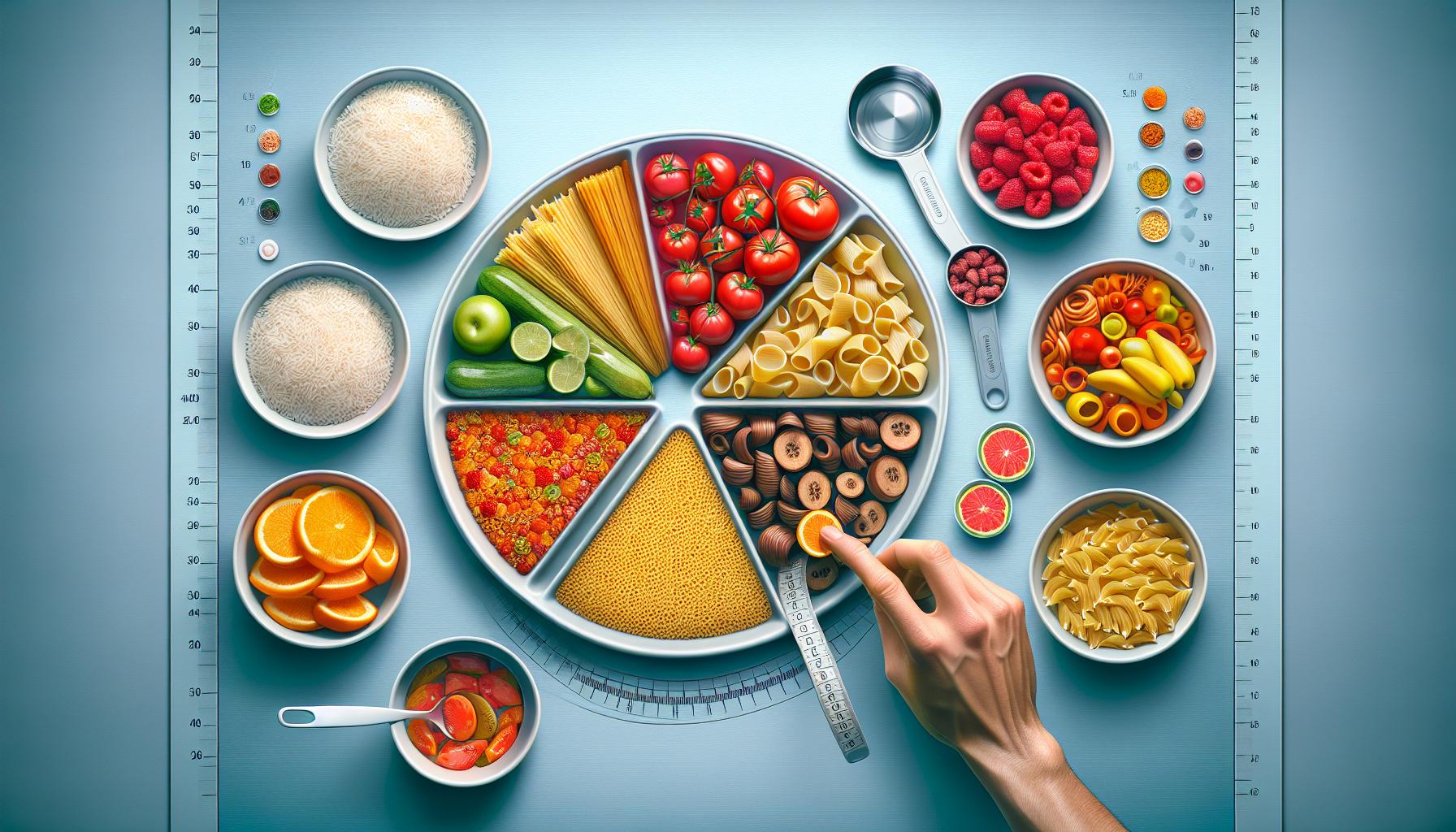
- Visual Cues: Use visual markers to help you determine appropriate portion sizes. Research indicates that smaller plates, bowls, and cups can lead to reduced serving sizes and fewer calories consumed. Experts suggest filling half of your plate with fruits and vegetables, a quarter with whole grains, and a quarter with lean proteins.
- Pre-Portion Snacks: Instead of eating straight from a bag, pre-portion snacks into smaller containers or bags. This can help mitigate mindless eating and ensure you enjoy your favorite foods without consuming an excessive amount.
- Measure and Weigh: Take the time to measure and weigh your food, especially when it comes to high-calorie items such as nuts or dried fruits. Using measuring cups or a food scale can help you understand what a standard serving looks like, allowing you to make informed choices.
- Mindful Eating Practices: Slow down during meals to savor each bite. By eliminating distractions like television or smartphones, you can cultivate an awareness of your hunger signals and satiety cues. Engaging fully in the eating experience promotes a greater appreciation for the food, which can help in recognizing when you’re satisfied.
Understanding portion sizes not only impacts calorie intake but also plays a crucial role in maintaining nutrient balance. Choosing the right quantities of foods encourages a more diverse intake of the essential nutrients necessary for optimal health. By focusing on controlling meal sizes, you provide your body with the nourishment it requires while effectively managing overall caloric intake.
Additionally, educating yourself about serving sizes can reinforce healthier eating habits. This knowledge empowers individuals to make conscious decisions about their food choices, leading to improved nutrition outcomes. The journey to better health starts with understanding the role of portions, and embracing this concept paves the way for a lifetime of mindful eating practices.
| Category | Description |
|---|---|
| Portion Control Techniques | Utilizing methods like smaller plates and measuring food can effectively aid in regulating meal sizes. |
| Health Benefits | Maintaining proper portion sizes not only promotes weight management but also reduces the risk of chronic diseases such as diabetes. |
Understanding the role of portion control is pivotal in enhancing overall nutrition. The practice of portion control techniques can significantly alter one’s eating habits. Techniques such as using smaller plates, serving smaller amounts, and measuring out food can create a visual cue that prompts appropriate eating behaviors. These methods are particularly useful in curbing mindless snacking and maintaining balance during meals.Moreover, the health benefits associated with mindful portion management cannot be overstated. Research has shown that individuals who actively monitor their servings tend to have better control over their weight and can achieve more sustainable results. This practice not only assists in maintaining a healthy weight but also plays a critical role in reducing the risk of chronic conditions such as obesity and heart disease. The connection between meal size and nutritional intake is more profound than one might think. By becoming more aware of portion sizes, individuals can enhance their dietary choices and contribute positively to their health journey. In the race toward better nutrition, controlling meal size is an essential strategy that can lead to meaningful results.
DIVE DEEPER: Click here to learn how to create a personalized meal plan
Practical Strategies for Portion Control in Everyday Life
As we delve deeper into the relationship between portion sizes and overall nutrition, it becomes evident that developing practical strategies is crucial for sustainable behavior change. Educating oneself about the ideal portion sizes for various food groups is only the beginning. Implementing practical methods in daily life can make a significant difference in achieving a balanced diet. Here are some effective approaches to managing portion sizes:
- Use Smaller Tableware: Switching to smaller plates and bowls can create an illusion of a fuller plate while actually reducing the amount of food consumed. Research shows that when people are offered larger servings, they tend to eat more, even if they are unaware of it. Smaller dishware can help set boundaries and result in less overeating without feeling deprived.
- Practice Portion Awareness: Keep track of what you eat to foster a better understanding of serving sizes. Utilizing mobile apps designed for nutrition tracking can help you identify common miscalculations in portion sizes. Being conscious of the quantities you’re consuming encourages mindfulness and discourages mindless eating habits.
- Learn About Food Labels: Becoming familiar with nutrition labels can benefit portion control. Many packages display serving sizes that might differ from what one typically consumes. By understanding these benchmarks, you can better gauge appropriate amounts to eat, particularly for calorie-dense items such as ice cream or chips.
- Plan Your Meals: Meal prepping can be especially advantageous for those struggling with portion control. By planning meals in advance and portioning them out, you eliminate the guesswork surrounding how much to eat at each meal. Moreover, this method ensures that you are consuming a variety of foods and nutrients without excess calories.
- Be Mindful of Liquid Calories: Beverages often contain hidden calories that can easily contribute to exceeding daily caloric needs. For example, flavored coffees, smoothies, and sugary drinks can pack a punch. Opting for water, tea, or coffee without added sugars helps keep liquid calories in check while promoting hydration.
Understanding your body’s hunger signals is also a vital aspect of portion control. It’s important to differentiate between true hunger and emotional eating, which can lead to unnecessary calorie consumption. Take the time to assess whether you’re eating out of hunger, boredom, or stress. By recognizing these patterns, you can address underlying triggers rather than using food as a coping mechanism.
Exploring the impact of portion sizes on social gatherings can also shed light on the challenges individuals face in maintaining healthy eating habits. At events such as parties and weddings, larger platters and buffet-style service often lead to irrational portion choices. By filling a smaller plate, taking breaks to engage in conversation, and waiting before going back for seconds, one can enjoy the festivities while being mindful of caloric intake.
Ultimately, successful portion control hinges on finding the right balance between satisfying hunger and preventing overeating. With continuous practice and self-awareness, individuals can transform their relationship with food. Understanding how to manage meal sizes effectively will not only support weight management efforts but also promote a nutrient-rich diet, leading to enhanced overall well-being.
DISCOVER MORE: Click here for tips on improving your sleep
Conclusion: Rethinking the Role of Portions for Better Health
As we have explored throughout this article, the role of portions in our diets extends well beyond simple serving sizes; it encompasses our relationship with food and our health outcomes. By adopting mindful eating practices, utilizing strategies such as smaller tableware, and understanding nutrition labels, individuals can significantly improve their dietary habits. Achieving a balanced diet is not merely about what we eat, but also about how much we consume.
Research suggests that mindful portion control can lead to lower calorie intake while still enjoying a wide variety of foods, paving the way for better nutrition and overall wellness. It encourages individuals to reconnect with their hunger cues and to distinguish emotional eating from genuine cravings. With increasing awareness and proactive measures, we can combat the societal pressures of oversized servings and calorie-dense foods that saturate our daily lives.
Furthermore, planning meals and being mindful of liquid calories are practices that can mitigate the challenges posed in modern dining environments, such as buffets and social gatherings, where larger portions prevail. By integrating these strategies into our everyday routines, we can embrace a healthier lifestyle without the feel of deprivation.
Ultimately, understanding and controlling portions empowers us to make informed choices that foster both health and well-being. As you reflect on your eating habits, consider how adopting these practices can create lasting change, leading you toward a more balanced and nutritious approach to your meals. Taking this step today could pave the way for a healthier tomorrow.