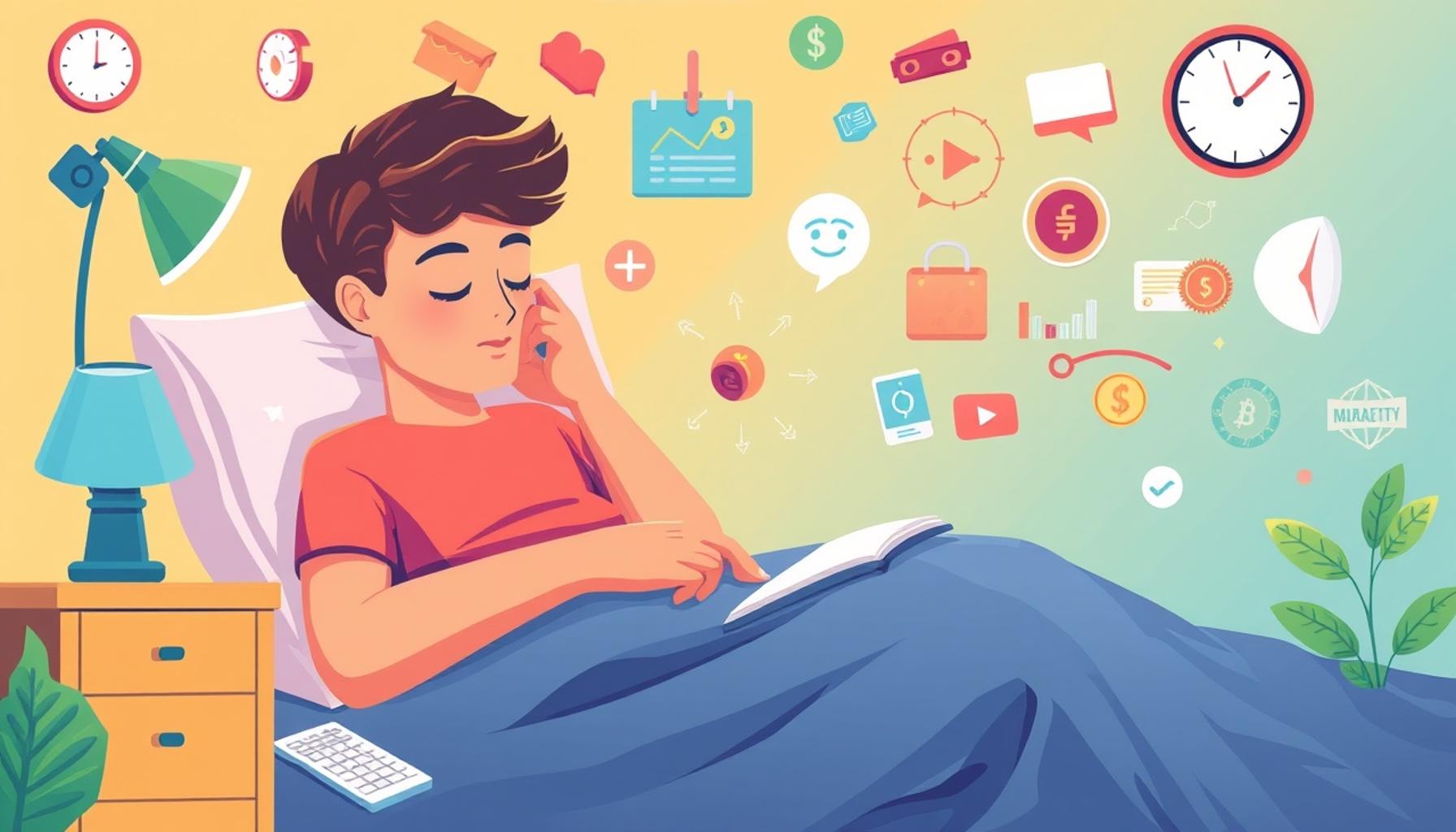
The Impact of Blue Light on Sleep Quality and How to Minimize Its Effects
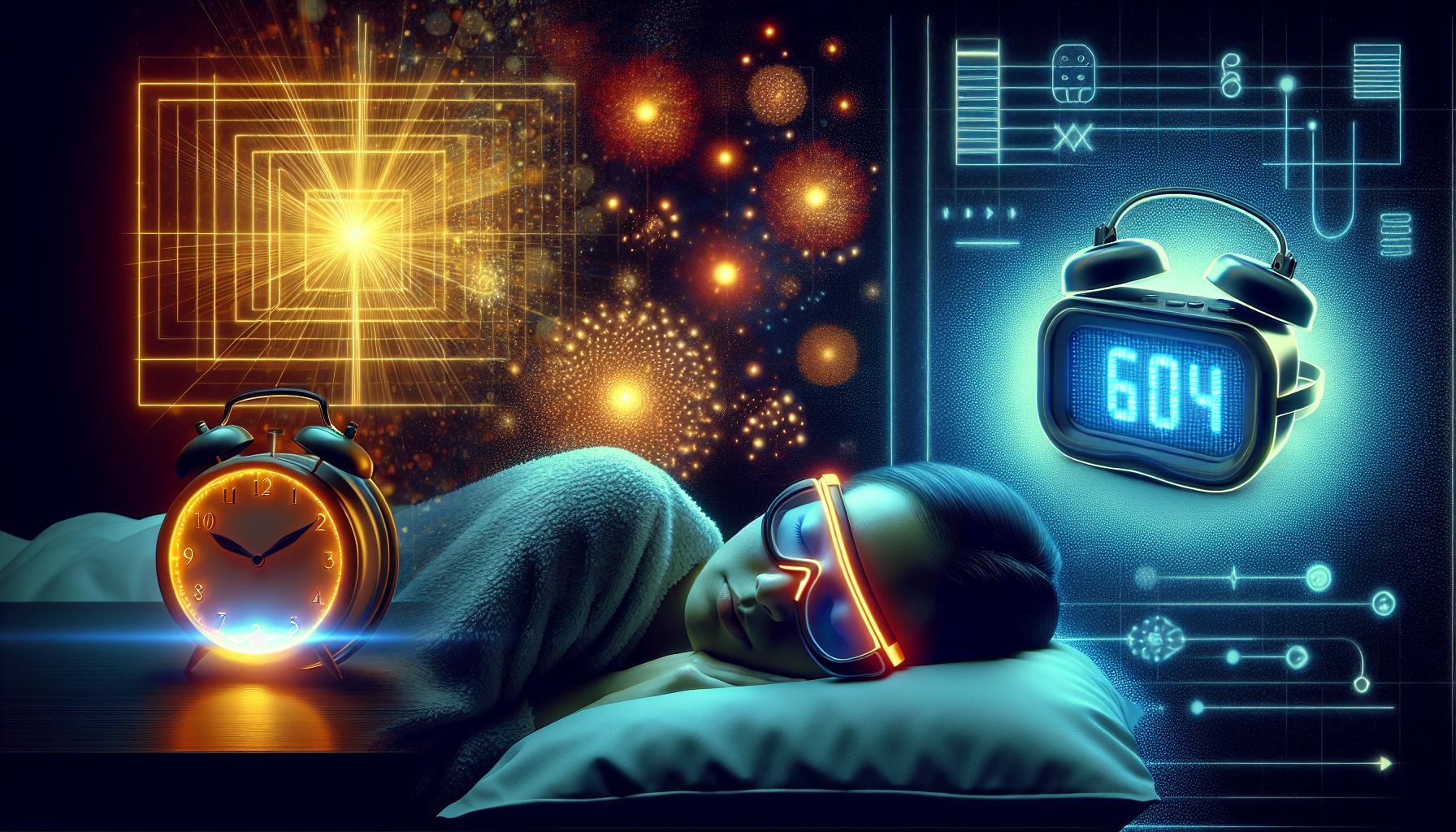
The Hidden Influence of Blue Light
In the era of technology, the pervasive presence of digital devices in our daily lives brings with it a hidden threat—blue light emissions—that can unravel our sleep patterns without us even noticing. From the moment we wake up to our smartphone alarms to the last scroll through social media before bed, we are constantly surrounded by devices that emit blue light. As this light source becomes increasingly prevalent, it is essential to uncover its implications on our health, particularly our sleep quality.
- Blue light sources include phones, computers, TVs, and even LED lighting, which has become a common choice for home and office lighting due to its energy efficiency.
- Health experts warn that exposure to blue light during evening hours significantly disrupts melatonin production. Melatonin is a hormone that signals our bodies to prepare for sleep, and a drop in its levels can result in difficulty falling and staying asleep.
- A decline in sleep quality can lead to serious health issues such as anxiety, depression, and cognitive decline, with research linking inadequate sleep to various chronic conditions like obesity and heart disease.
Understanding the effects of blue light on sleep becomes indispensable, especially for individuals reliant on technology for work and leisure. The average American, with a reported daily screen time exceeding 11 hours, faces significant challenges in winding down at night. Many people unknowingly find themselves engaging with screens late into the evening, which can severely hinder their ability to transition into restful sleep.
Why Sleep Matters
Sleep is not merely a luxury; it is a pivotal component of maintaining optimal health. A restful night enhances cognitive functions, supports immune responses, and boosts overall mood. Insufficient sleep not only affects your daily energy levels but can also alter your physical and mental well-being in the long term. With awareness of how blue light impacts sleep, individuals can take proactive steps to protect their nighttime rest.
For those wanting to mitigate blue light’s effects, there are several strategies worth implementing. Consider using blue light filter apps on your devices, donning blue light-blocking glasses, or even embracing the growing trend of specialty glasses designed to reduce exposure. Additionally, it’s worthwhile to incorporate a technology-free wind-down period into your evening routine, allowing for activities like reading or meditative practices to facilitate a natural transition to sleep.

Join us as we delve deeper into these valuable strategies to minimize blue light exposure and bolster your overall sleep health. Discover practical tips that could transform your nightly routine, leading to more restorative slumber and brighter days ahead.
DISCOVER MORE: Click here to learn about the benefits of daily walks
The Science Behind Blue Light and Sleep Disruption
Understanding the intricacies of how blue light affects sleep quality requires diving into the science of light itself. Blue light, which falls within the spectrum of visible light, is characterized by its short wavelengths and high energy. While it is beneficial during the day, enhancing alertness and mood, its impact during evening hours can be detrimental. This is largely due to how blue light interacts with our body’s circadian rhythms, the natural processes that regulate our sleep-wake cycles.
As day transitions into night, the body anticipates lower light levels, triggering the production of melatonin. However, exposure to blue light in the evening—especially from screens—confounds this process. Research indicates that exposure to blue light during the crucial hours leading up to bedtime can delay melatonin release by up to three hours, resulting in a misalignment between our biological clocks and our sleep habits.
Key Findings on Blue Light Exposure
Several studies have elucidated the specific mechanisms by which blue light disrupts sleep, leading to increasingly alarming findings:
- Delayed Sleep Onset: Research published in the journal Sleep suggests that individuals exposed to blue light before bed experience longer timeframes to fall asleep.
- Reduced Sleep Quality: Studies show that blue light exposure diminishes not only the length of sleep but also its quality. It can prevent deeper, more restorative sleep phases, essential for mental and physical restoration.
- Increased Sleep Disorders: According to the American Academy of Sleep Medicine, an alarming rise in sleep disorders has been associated with excessive screen time and blue light exposure, particularly among young adults and teenagers.
Given the increasing attachment to digital devices, the challenge of mitigating blue light exposure becomes ever more pressing in our modern lifestyle. Many individuals unwittingly engage in high-stimulation activities before bed, whether it be binge-watching their favorite show or scrolling through endless social media feeds. This reality signals a wake-up call regarding the practices that can enhance sleep quality.
Moreover, the association between poor sleep quality and physical health problems cannot be overlooked. Chronic sleep deprivation is linked to serious issues such as a weakened immune system, impaired cognitive function, and an elevated risk of various chronic conditions, including heart disease and diabetes. In light of these revelations, taking active steps to manage blue light exposure emerges as not just beneficial but essential for holistic health.
In the following sections, we will explore practical strategies to combat blue light exposure and enhance sleep quality. By understanding the dynamics at play, individuals can make informed choices to foster environments conducive to restful sleep and improved overall well-being.
As modern technology becomes an integral part of our daily lives, understanding the impact of blue light on sleep quality is crucial. Blue light emitted from smartphones, tablets, and computer screens can significantly disrupt our natural sleep cycle. Studies indicate that exposure to blue light in the evening can hinder the production of melatonin, the hormone responsible for regulating sleep. This interference can lead to difficulties falling asleep, longer sleep onset times, and a decrease in overall sleep quality, potentially resulting in daytime fatigue and impaired cognitive function.
Moreover, the effects of blue light are especially pronounced for individuals who frequently engage with digital devices before bedtime. The constant stimulation from screens not only delays melatonin production but may also alter the body’s circadian rhythm. This misalignment can make it harder to maintain a regular sleep schedule, leading to chronic sleep deprivation. Experts now advocate for proactive measures to mitigate blue light exposure, especially in the hours leading up to sleep.
One effective strategy to minimize the negative effects of blue light is the use of blue light blocking glasses. These specially designed lenses filter out a significant portion of blue light, allowing users to engage with screens without compromising their sleep. In addition, many smartphones and computers now come equipped with night mode settings that reduce blue light emissions during evening hours. Adjusting screen brightness and implementing a digital curfew—setting a time to disconnect from devices before bedtime—can also help improve sleep quality.
It’s equally important to establish a wind-down routine that promotes relaxation. Activities such as reading a physical book, practicing meditation, or gentle stretching can be beneficial. By prioritizing these habits, individuals can help facilitate a smoother transition to sleep and promote overall wellbeing.
| Category 1 | Category 2 |
|---|---|
| Sleep Disruption | Blue light exposure in the evening inhibits melatonin production. |
| Cognitive Impact | Reduced sleep quality can lead to daytime fatigue and poor concentration. |
Finding effective ways to reduce blue light exposure can enhance sleep quality and overall health. By utilizing technology intelligently and adopting a mindful approach to night-time routines, individuals can evade the pitfalls of modern lifestyles, fostering a harmonious sleep environment that promotes better health and wellbeing.
DISCOVER MORE: Click here to enhance your mental well-being
Strategies to Mitigate Blue Light Exposure
As the understanding of blue light’s impact on sleep quality continues to grow, so too does the importance of developing strategies to minimize its detrimental effects. The solutions range from practical modifications to daily habits to the incorporation of advanced technologies specifically designed to reduce blue light exposure. Below, we delve into several effective tactics that anyone can employ to improve their sleep quality.
1. Utilize Blue Light Filtering Technology
One of the most innovative steps to reduce blue light exposure involves employing blue light filtering glasses or software applications that adjust the emission of blue light from screens. Various brands on the market produce glasses that filter out blue wavelengths, providing a practical solution for evening screen time. Additionally, numerous apps and built-in features on devices enable users to switch their screens to ‘night mode,’ which adjusts the color temperature to warmer tones, making screens less disruptive to melatonin production.
2. Establish a Screen Curfew
Implementing a screen curfew is another valuable strategy for improving sleep quality. Experts recommend setting a specific time—ideally, at least one hour before bedtime—during which all electronic devices are put away. This practice not only allows the body to transition naturally into the sleep mode but also encourages engagement in relaxing pre-sleep activities such as reading, meditating, or practicing gentle yoga. By establishing a routine, individuals can send strong signals to their body, reinforcing the association between their environment and sleep.
3. Optimize Bedroom Lighting
The ambiance of one’s sleep environment plays a crucial role in promoting restful sleep. Consider adjusting bedroom lighting in the evening, opting for soft, warm light sources that are less harsh and glaring than typical overhead lights. Creating a dark sleep environment during nighttime hours, utilizing blackout curtains, and ensuring that electronic devices do not emit distracting lights are simple yet effective ways to support optimal sleep conditions. The goal is to mimic natural nighttime settings, helping to synchronize the circadian rhythm.
4. Embrace Natural Light
During the day, exposure to natural sunlight is essential for regulating circadian rhythms. Spending time outdoors and gradually increasing time in bright light during daylight hours can have beneficial effects on sleep. Exposure to natural light, particularly in the morning, enhances alertness and can help mitigate the effects of blue light exposure later in the day. Attempts to balance out blue light intake by actively seeking sunlight can significantly reap dividends when evening rolls around.
5. Prioritize Mindfulness and Wind-Down Rituals
A well-structured wind-down routine invariably benefits sleep quality. Incorporating mindfulness techniques, such as deep breathing exercises, journaling, or aromatherapy, prepares the mind and body for rest. These practices help lower stress levels, which can be exacerbated by screen time and blue light exposure. Establishing manageable, consistent pre-sleep rituals can create a serene bedtime atmosphere, facilitating the transition to a restful night.
The collective implementation of these strategies can bolster efforts to combat the adverse effects of blue light exposure on sleep quality. Understanding how to minimize blue light’s impact not only promotes healthier sleep patterns but opens up a pathway to improved overall well-being. By making informed choices and adjustments to environments, individuals can work towards achieving a more balanced and restorative sleeping experience.
DIVE DEEPER: Click here to discover more about managing stress!
Conclusion
As the modern world becomes increasingly intertwined with technology, the significance of understanding the impact of blue light on sleep quality cannot be underestimated. Studies show that excessive exposure to blue light, particularly during evening hours, disrupts the body’s melatonin production, leading to impaired sleep patterns and overall health issues. However, by actively adopting strategies to minimize these effects, individuals can reclaim their sleep quality.
Whether through blue light filtering technology, implementing a consistent screen curfew, or enhancing the bedroom atmosphere, the options are diverse and accessible to all. Furthermore, maximizing exposure to natural light during the day and incorporating mindful rituals into the evening can foster a more conducive environment for sleep. These techniques not only help mitigate the adverse effects associated with blue light but also promote a holistic approach to well-being.
In conclusion, as we navigate a technology-driven lifestyle, it is essential to remain proactive in our efforts to safeguard healthy sleep habits. By prioritizing sleep quality, we enhance not only our physical health but also our mental clarity and emotional stability. Embracing informed choices today paves the way for a more rejuvenating and restorative night’s sleep tomorrow. Therefore, exploring and implementing these strategies could serve as a vital cornerstone for improving sleep and, ultimately, enriching overall life satisfaction.