
Pomodoro Techniques: An Efficient Approach to Balancing Work and Rest

Maximizing Productivity with the Pomodoro Technique
In today’s fast-paced world, balancing work and rest is essential for maintaining productivity and mental well-being. One proven method to achieve this balance is the Pomodoro Technique, a time management system designed to enhance focus while preventing burnout.
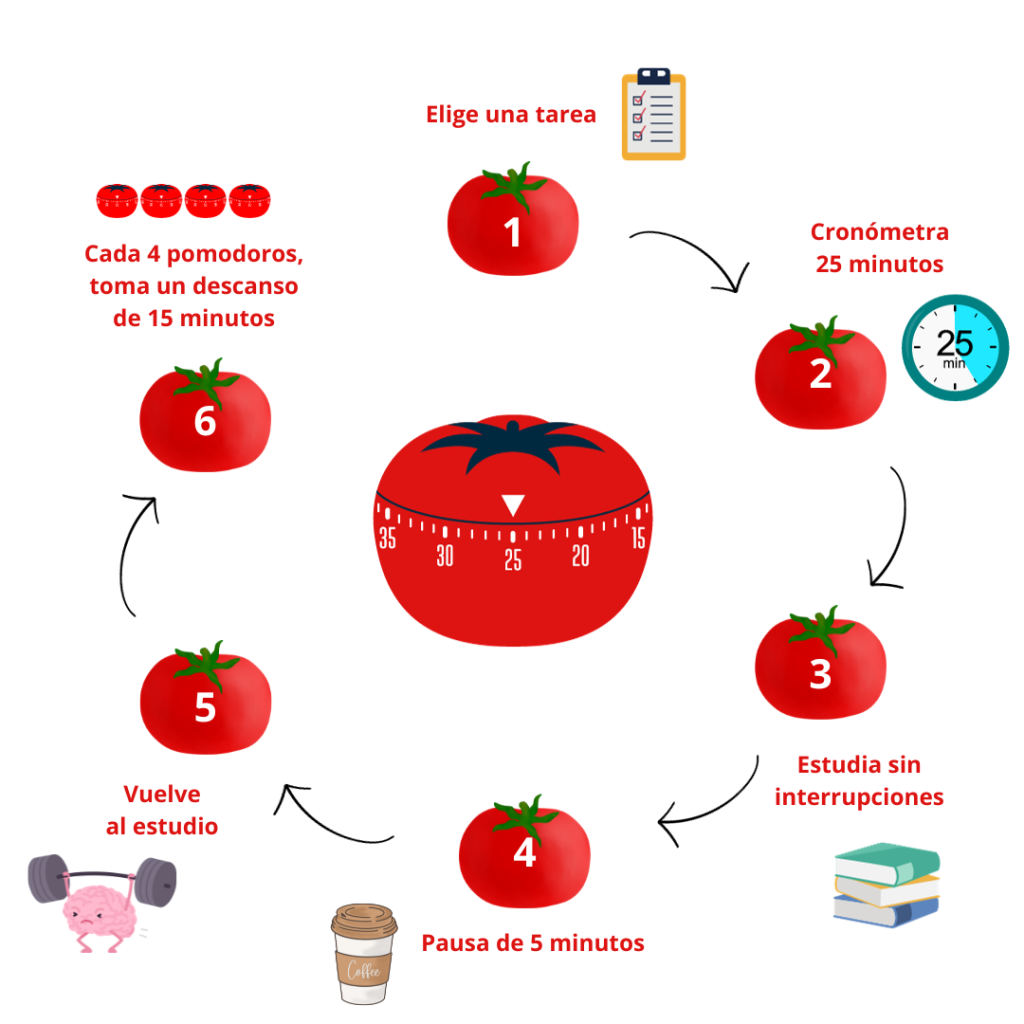
Developed by Francesco Cirillo in the late 1980s, the Pomodoro Technique ingeniously breaks work into focused intervals, known as “Pomodoros,” each followed by a brief recharge break. The science behind this method lies in our brain’s capacity to maintain focus. Research suggests that our attention spans wane after approximately 25 minutes; hence, this structured approach allows for sustained concentration. Here’s how it works:
- Work for 25 minutes on a task, immersing yourself fully in the project at hand.
- Take a 5-minute break to recharge. Use this time effectively to stretch, grab a glass of water, or even do a quick mindfulness exercise.
- After completing four Pomodoros, take a longer break of 15-30 minutes to refresh your mind and body.
This systematic approach encourages discipline and provides a structured way to tackle demanding projects. By minimizing distractions during focused work blocks and promoting regular rest, many users report experiencing increased concentration and decreased fatigue. As a result, they find the work process becomes less daunting and more enjoyable.
If you’re curious about how to incorporate this technique into your daily routine, numerous tools and apps are available to streamline your Pomodoro experience. Popular options include Focus Booster, Toggl Track, and the Forest app, which not only tracks your Pomodoros but also gamifies productivity by allowing you to grow virtual trees as you stay focused.
Additionally, integrating the Pomodoro Technique into collaborative settings can enhance team productivity. For instance, during team meetings, a shared Pomodoro schedule can keep discussions focused and efficient. Remember that while this method works wonders for many, it might require some adjustments to find what suits your unique work style and tasks best.
Ultimately, learning about the myriad benefits of the Pomodoro Technique could indeed transform your approach to productivity. Explore these tried-and-true strategies further, and discover how intentional work intervals and structured breaks can lead to not just better output, but also a happier, healthier work experience.
DISCOVER MORE: Click here to learn about how natural light influences your sleep
Understanding the Core Principles of the Pomodoro Technique
To fully grasp the effectiveness of the Pomodoro Technique, it is crucial to delve into its core principles and understand what makes this method exceptionally appealing to many professionals and students alike. At its heart, the Pomodoro Technique revolves around the concept of time management, yet it brings a refreshing perspective by emphasizing the importance of periodic rest. As recent studies suggest, breaks are not merely distractions; they can significantly enhance cognitive performance and foster creativity.
The structured intervals characteristic of the Pomodoro Technique serve a dual purpose: they create an environment of urgency while simultaneously allowing for necessary downtime. With the typical work session lasting 25 minutes, or a single Pomodoro, it becomes easier to set clear, achievable objectives. During these intervals, the goal is to minimize interruptions and focus intently on the task at hand. Following each session, the 5-minute break acts as a reset button to recharge both mentally and physically.
Consider the following advantages of integrating the Pomodoro Technique into your routine:
- Improved Focus and Concentration: Working in short bursts allows for enhanced concentration. By limiting distractions, individuals can tackle tasks with renewed vigor.
- Increased Productivity: Many users report that breaking the monotony of work leads to heightened productivity levels, allowing them to accomplish more in less time.
- Reduced Mental Fatigue: Regular breaks prevent burnout and maintain high energy levels throughout the day. This approach is particularly beneficial in high-stress environments.
- Enhanced Motivation: Completing a series of Pomodoros can create a sense of accomplishment, acting as a motivator to continue productivity for the day.
Moreover, the Pomodoro Technique not only caters to individual tasks but can also be tailored for collaborative efforts. In professional settings, teams can align their Pomodoro schedules to synchronize focus periods, ensuring that collaboration is efficient and minimal time is wasted on unnecessary discussions. This collective approach can also stimulate team dynamics, leading to innovative ideas and shared momentum.
As more people turn to productivity methodologies in a world where the lines between work and life are increasingly blurred, the Pomodoro Technique stands out as a flexible tool that can adapt to various workflows. For those looking to improve their work-life balance while maintaining a high level of output, exploring the nuances and best practices of this technique is a worthy endeavor.
Yet, the key to harnessing the full potential of the Pomodoro Technique lies in understanding that it is not a one-size-fits-all solution. Each individual may need to experiment with the length of work sessions and breaks, customizing the method to suit their personal and professional needs. By doing so, one can unlock the true benefits of this time management strategy, paving the way for a more productive and balanced lifestyle.
Exploring the Pomodoro Technique: A Game Changer for Productivity
The Pomodoro Technique is an effective time management method designed to boost productivity while ensuring sufficient rest. By segmenting work into manageable intervals, typically 25 minutes, followed by a short 5-minute break, individuals can maintain high focus and minimize burnout. This approach helps to create a rhythm of work and rest that fosters creativity and keeps motivation levels high.Additionally, the Pomodoro Technique encourages the practice of setting specific goals within each Pomodoro session. This structured approach not only enhances individual accountability but also offers a satisfying sense of accomplishment each time a session is completed. The act of checking off completed Pomodoros creates a visual representation of progress, reinforcing the habit loop of work and rest.Incorporating longer breaks after completing several Pomodoros further enhances the benefits. These breaks serve as vital downtime that allows the mind to relax, ultimately leading to improved concentration during work periods. Whether you’re a student tackling study sessions or a professional managing tasks, adopting this method can transform how you approach your workday.To better understand the advantages offered by the Pomodoro Technique, please refer to the table below.
| Advantage | Description |
|---|---|
| Enhanced Focus | Working in intervals increases concentration and helps limit distractions. |
| Reduced Burnout | Regular breaks rejuvenate the mind, keeping motivation high throughout the day. |
With its straightforward and adaptable approach to time management, the Pomodoro Technique is becoming widely recognized in various industries as a powerful method for achieving balanced productivity and mental wellness. Whether you’re dealing with a heavy workload or striving to improve your efficiency, embracing this technique could lead to remarkable results.
DISCOVER MORE: Click here to learn about the link between exercise and better sleep
Adapting the Pomodoro Technique for Maximum Benefit
The beauty of the Pomodoro Technique lies not only in its simplicity but also in its adaptability. Whether you’re a corporate employee, a freelancer, or a student, tailoring this method can lead to substantial gains in productivity and overall satisfaction. For instance, those working in creative fields often face unique challenges such as the pressure to consistently produce original ideas. By customizing the length of work intervals and breaks, they can find a rhythm that fuels their creativity without stifling it.
Consider the impact of adjusting the classic 25-minute Pomodoro. Some may benefit from extending their focus sessions to 35 or even 40 minutes, especially for tasks that require deep cognitive engagement, such as programming or writing. Conversely, younger students or those just developing their focus might find success with shorter intervals, such as 15 minutes, allowing them to gradually build their attention span while effectively using the breaks to regroup.
The effectiveness of breaks is also worth exploring in more detail. The traditional 5-minute break serves as a perfect intermission for relaxation or a quick step away from the desk. However, experimenting with longer breaks, perhaps 10 or 15 minutes after several Pomodoros, can provide further rejuvenation. Engaging in physical movement during these extended breaks—such as a brief walk, stretching, or a quick workout—can enhance mood and stimulate cognitive function. Scientific studies have demonstrated that even short bouts of physical activity can improve concentration and memory, reinforcing the benefits of strategic breaks.
- Utilizing Technology: Various apps and tools can enhance the Pomodoro Technique. Many digital tools provide customizable timers, task tracking, and reminders, empowering users to focus seamlessly on their tasks.
- Incorporating Reflective Practices: After a series of Pomodoros, taking a few moments to reflect on what you’ve accomplished may further enhance productivity. Journaling about your achievements or challenges can illuminate patterns in your focus and help you adjust your approach moving forward.
- Setting Personal Goals: Integrating goal-setting into your Pomodoro sessions can drive motivation. Consider visual cues or checklists to mark task completion, leaving you with a sense of accomplishment after each Pomodoro.
Moreover, it can be beneficial to compartmentalize tasks into categories—administrative, creative, planning, or review—allowing you to dedicate specific Pomodoro sessions to each. This approach not only facilitates focused work but also provides a sense of structure to your daily routine, making it easier to manage time effectively.
Incorporating elements of the Pomodoro Technique can also lead to discussions on workplace culture. More forward-thinking companies are beginning to recognize the positive influences of structured time management. Firms that encourage their employees to adopt such techniques may see improved morale and productivity. Initiatives that incorporate the Pomodoro Technique during work hours can promote healthier work/rest cycles and a more productive environment, ultimately contributing to organizational growth.
The Pomodoro Technique is more than a time management strategy; it is a comprehensive framework for productivity and well-being. By unlocking its full potential through personalized adjustments, the method can serve as a valuable ally in achieving a harmonious balance between work and rest.
DIVE DEEPER: Click here to learn more
Conclusion: Embracing the Pomodoro Technique for a Balanced Life
The Pomodoro Technique stands as a beacon of productivity in our fast-paced world, offering a method that not only enhances focus but also champions the essential need for rest. By dividing work into manageable intervals, it cultivates a work ethic that is sustainable, reducing burnout while maximizing output. From corporate environments to the creative arts and academic pursuits, this technique proves that structure intertwined with flexibility can lead to remarkable improvements in performance and mental health.
Moreover, the ability to adapt the classic Pomodoro framework means that individuals can align it with their unique habits and responsibilities. Whether through adjusting session lengths or experimenting with diverse break activities, embracing a personalized approach can amplify productivity and satisfaction. As we continue to navigate an era defined by constant connectivity and shifting demands, integrating reflective practices and setting personal goals can transform the Pomodoro Technique from a simple timer method into a comprehensive system for personal growth.
It’s also worth considering the prevailing changes in workplace culture. Organizations that promote initiatives around the Pomodoro Technique may not only see enhancements in efficiency but also boost employee morale, fostering a healthier work environment. In this light, the Pomodoro Technique does more than just influence individual productivity; it has the power to reshape organizational dynamics, creating a rhythm that nurtures both achievement and well-being.
Ultimately, by embracing the Pomodoro Technique, we can build a lifestyle where work and rest coexist harmoniously, laying the foundation for sustained success and enriched quality of life.