The Role of Portion Control in Achieving Nutritional Balance
Understanding Portion Control
In a world filled with fast food and oversized servings, portion control has become an essential tool for maintaining a healthy diet. Achieving nutritional balance isn’t solely about what you eat; it’s also about how much you consume. This practice helps individuals manage their caloric intake and promotes mindful eating habits.
The Benefits of Portion Control
Implementing portion control can lead to significant improvements in health and wellness. Here are some key benefits:
- Weight Management: Keeping portions in check helps prevent overeating. Studies highlight that individuals who practice portion control can experience a gradual weight loss, ultimately leading to a healthier body composition.
- Improved Digestion: Smaller meals can ease the digestive process. Eating in moderation allows the body to break down food effectively, reducing feelings of discomfort and bloating often associated with larger meals.
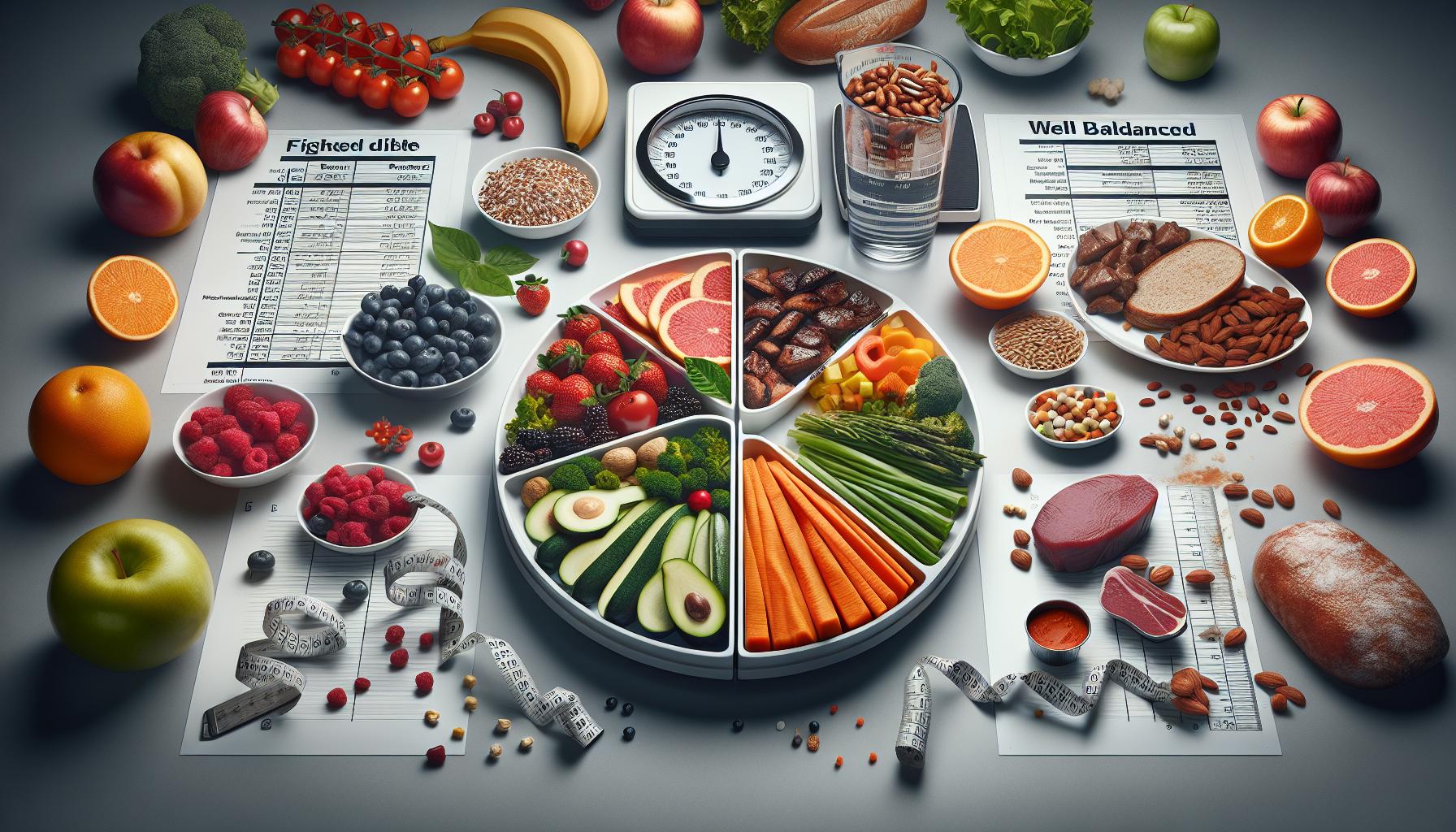
- Balanced Nutrition: Portion control encourages a variety of food groups in appropriate amounts. By allocating space on your plate for fruits, vegetables, proteins, and grains, you can ensure that you’re receiving a diverse array of nutrients necessary for optimal health.
Research suggests that adopting portion control techniques may result in better health outcomes. For instance, a study published in the American Journal of Clinical Nutrition found that participants who measured their food portions lost more weight than those who did not. Understanding serving sizes, individuals can make informed decisions about their meals and snacks. For many families across the United States, even simple changes, such as using measuring cups for cereals or reading food labels for caloric content, can yield significant benefits in achieving nutritional balance.
Exploring Strategies
To harness the full benefits of portion control, various strategies can be explored:

- Utilizing measuring cups or a food scale: These tools can help in accurately determining the right portions, especially for recipes that serve multiple people.
- Using smaller plates or bowls: This simple technique can create visual boundaries that trick the brain into feeling satisfied with smaller amounts of food.
- Practicing mindfulness during meals: Taking the time to savor each bite and recognizing hunger cues can prevent overeating and encourage a more fulfilling dining experience.
As you delve deeper into the world of portion control, you’ll discover how these adjustments not only enhance your meals but also contribute to long-term well-being. For example, consider implementing the “half-plate” rule, where half of your dinner plate is filled with vegetables, ensuring plenty of fiber and nutrients are included. Such small yet impactful changes can pave the way for a healthier lifestyle.
In conclusion, adopting portion control in your daily routine can lead to better health outcomes, more energy, and an overall improved quality of life. By making informed choices about both the quality and quantity of what we consume, we create an environment where health can thrive.
DIVE DEEPER: Click here to discover more
Understanding the Importance ofportion Control in Nutrition
As we navigate through our daily meals, the concept of portion control becomes increasingly relevant, reflecting a crucial element in achieving nutritional balance. While many are aware of the importance of consuming a variety of food groups, the significance of portion sizes is often overlooked. Overeating, even on nutritious foods, can still lead to weight gain and various health issues, making understanding portion sizes a fundamental aspect of healthy eating.
The Psychology Behind Eating Portions
Psychological factors play a significant role in how much we eat. Our minds often misinterpret the visual cues presented by larger servings, leading to automatic overeating. In the United States, studies show that people tend to eat more when given larger plates. In fact, a study by Cornell University found that individuals served meals on large plates consumed 30% more than those given smaller ones. This phenomenon, known as the “portion distortion,” highlights how perceptions shape our eating habits.
Adopting Practical Portion Control Techniques
Incorporating effective portion control techniques into daily practices can seamlessly bridge the gap between food variety and appropriate intake. Here are several methods one might consider:
- Visual Portion Guides: Familiarizing oneself with standard serving sizes can easily be done through visual representation. For instance, a serving of protein should roughly match the size of a deck of cards, while a serving of vegetables may be compared to the circumference of a fist.
- Meal Prepping: Preparing meals ahead of time and dividing them into portioned containers can prevent spontaneous eating and ensure that correct serving sizes are maintained. This practice can also help resist the temptation of second helpings.
- Read Nutrition Labels: Nutrition labels provide vital information about serving sizes and caloric content. By learning to read and interpret these labels, you will be better equipped to make informed decisions that align with your nutritional goals.
- Mindful Eating Practices: Engaging fully during meals, focusing on the flavors, textures, and aromas, can aid in recognizing satiety signals. This practice encourages a better understanding of hunger and fullness, reducing the likelihood of consuming more than necessary.
Employing these practical strategies not only aids in curbing excessive intake but also instills a sense of accountability when it comes to our dietary habits. In doing so, individuals can pave the way for improved nutrition and overall health.
In the journey toward a balanced diet, understanding and applying portion control can make a substantial difference. By influencing both our physiological and psychological relationship with food, we learn to appreciate moderation, which is pivotal in cultivating long-term healthy eating patterns.
| Advantages of Portion Control | Impact on Nutritional Balance |
|---|---|
| Promotes Mindful Eating | Encourages individuals to focus on the quality and quantity of their food, fostering a deeper connection with their dietary choices. |
| Reduces Overeating | Effective in minimizing calorie intake, helping to maintain a healthy weight and prevent obesity-related diseases. |
| Facilitates Balanced Nutrition | Ensures a variety of nutrients are consumed by controlling portion sizes of different food groups. |
| Encourages Better Digestion | Smaller, manageable portions can aid digestion, reducing the risk of gastrointestinal discomfort. |
Portion control plays an essential role in achieving nutritional balance by influencing our overall eating habits. By promoting mindful eating, individuals become more aware of their consumption patterns, which can lead to healthier choices. This conscious approach not only reduces the likelihood of overeating but also encourages the consumption of a variety of foods that contribute to a balanced diet. Moreover, smaller portions have been linked to improved digestion, as they allow the body to process food more efficiently. As people learn to embrace portion control, they also discover the empowerment in maintaining a healthy weight, which can prevent a myriad of obesity-related conditions.Incorporating techniques such as using smaller plates or measuring servings can facilitate this process and help individuals become more in tune with their hunger and fullness signals. It’s a compelling journey towards achieving and maintaining nutritional balance, ultimately leading to improved wellness and vitality.
DISCOVER MORE: Click here to learn how time management can enhance your well-being
The Impact of Portion Control on Health and Well-Being
The effects of portion control extend far beyond simply managing weight—these practices can significantly influence overall health and well-being. Research indicates that effective portion control reduces the risk of chronic diseases such as obesity, diabetes, and heart disease. According to the Centers for Disease Control and Prevention (CDC), about 42% of American adults are classified as obese, a condition often exacerbated by poor portion management. By adopting portion control strategies, individuals can make meaningful strides in enhancing their health outcomes.
Portion Control and Weight Management
Achieving a healthy weight isn’t just about what you eat; it deeply relies on how much you eat. Understanding the caloric content and appropriate portion sizes of food can help individuals tailor their diets. A systematic review published in the journal Obesity revealed that implementing portion control can lead to a weight loss of 1-2 pounds per week on average. This incremental change can translate into significant weight loss over time, ultimately promoting better health and self-esteem.
Social Influences on Portion Sizes
Portion sizes in the U.S. have dramatically increased over the past few decades, leading to a collective alteration in eating habits. Observations from various studies indicate that dining out contributes to this trend, as restaurants often serve meals that are two to three times larger than standard portion recommendations. A steakhouse can serve a 16-ounce steak, which is equivalent to over four servings of protein. This cultural shift towards oversized meals can lead to social pressure to consume more, making it essential for individuals to practice self-awareness and control in social settings.
Educational Programs and Portion Awareness
Understanding the essence of portion control is vital for creating a healthier nation. Schools across various states have begun integrating nutrition education into their curricula, emphasizing the importance of portion sizes. Programs aimed at teaching children and families about visual cues, proper servings, and nutritional information are fundamental to developing lifelong healthy eating habits. Such educational initiatives can empower individuals to make informed decisions regarding their food choices, highlighting the importance of balanced portion sizes.
- Community Workshops: Many communities are organizing workshops that teach residents about meal planning and portion sizes. These workshops provide practical demonstrations and encourage residents to share their experiences, fostering a culture of health-driven conversations.
- Cookbooks and Resources: Numerous cookbooks are now available that focus specifically on portion-controlled recipes. These resources help individuals incorporate healthy meals with optimal portion sizes into their daily routines, minimizing confusion regarding servings.
- Technology and Apps: The rise of technology has facilitated several innovative apps designed for portion control. These apps allow users to input the food they consume, providing visual representation of serving sizes and nutritional breakdowns, effectively aiding in mindful eating.
Through these educational measures and community efforts, more individuals are becoming aware of the critical role that portion control plays in achieving a balanced diet. Emphasizing nutrition education and practical strategies can lead to an informed populace, capable of making choices that promote long-term health and prevent nutrition-related diseases.
DISCOVER MORE: Click here to learn how to inspire kids to stay active
Conclusion
In summary, portion control is a fundamental aspect of achieving a well-rounded nutritional balance. The journey towards healthier living begins with understanding that the quantity of food consumed is as crucial as the quality. With alarming rates of obesity and related chronic diseases in the United States, effective portion management is not merely a dietary choice but a public health imperative.
Through innovative educational programs and community workshops, individuals are increasingly equipped with the knowledge necessary to navigate the complexities of modern eating habits. Employing techniques such as measuring servings, using smaller plates, and leveraging technology through nutrition apps can facilitate the transition to more mindful eating practices.
As societal norms evolve around food consumption, it is essential for individuals to remain vigilant against larger portion sizes that dominate restaurant menus and fast-food offerings. By fostering awareness and mindfulness regarding portion sizes, we can not only enhance personal health outcomes but also contribute to a broader culture of wellness. Advocating for proper portion guidelines and making informed dietary choices can lead to meaningful changes that benefit both individual health and community well-being.
Ultimately, the path to nutritional balance is paved with practical strategies that promote portion control, enabling people to lead healthier lives while also enjoying the culinary experiences they cherish. Engaging in this vital discourse ensures that individuals from all walks of life can achieve their health goals while diminishing the looming threat of nutrition-related diseases.