Navigating Nutrition Labels: Making Informed Choices at the Grocery Store
The Importance of Nutrition Labels
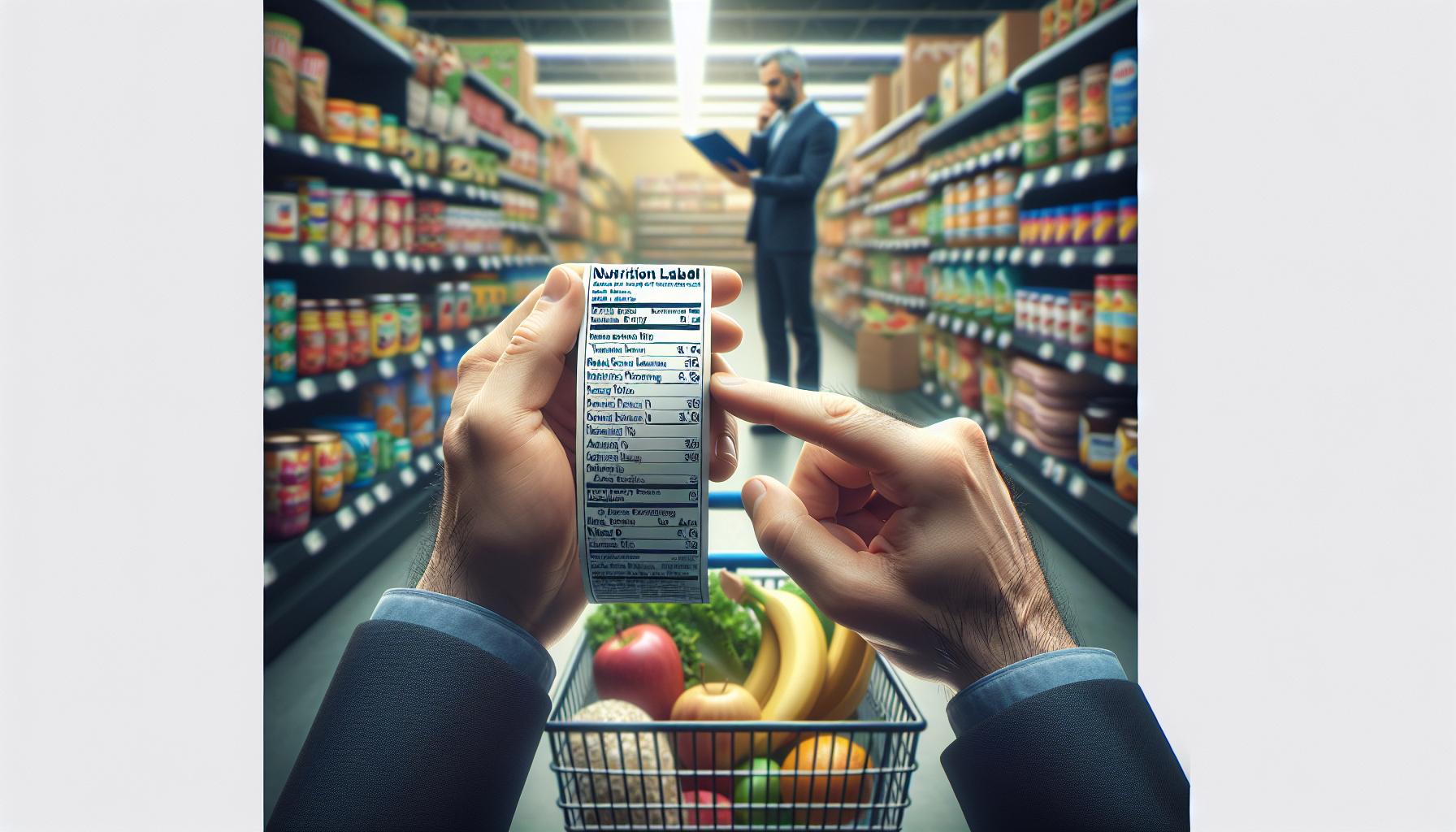
In our current food landscape, where options range from organic dishes to processed snacks, understanding nutrition labels becomes imperative for health-conscious consumers. Nutrition labels act as a beacon of clarity amidst a sea of marketing jargon and tantalizing advertisements. They provide essential facts that guide consumers in making healthier choices tailored to their dietary needs.
Key Components of Nutrition Labels
Nutrition labels contain several critical components, each contributing to a comprehensive understanding of a product’s nutritional profile. Let’s explore these elements in more detail:
- Serving Size: The serving size indicates the recommended portion of the product. It’s crucial to understand this, as many people may consume more than the suggested serving, leading to unintended excess calorie intake. For instance, a snack serving may be listed as only 15 chips, but many consumers may unwittingly eat the entire bag, resulting in a higher caloric and fat intake than expected.
- Calories: Calories measure the energy that food provides. Being aware of caloric content aids individuals in managing their daily intake, especially if they are aiming to lose weight or maintain energy levels. A healthy adult typically needs about 2,000 to 2,500 calories daily, depending on their activity level, so understanding how a single product fits into that total is vital.
- Nutrients: Essential nutrients such as fats, carbohydrates, and proteins play key roles in bodily functions. Pay special attention to added sugars and sodium levels, which can be hidden in many products. For example, some seemingly healthy granola bars may have high levels of sugar that can sabotage dietary goals.
- Ingredient List: This list reveals what makes up the food product. Ingredients are listed in descending order based on their weight, meaning the first ingredients are the most prevalent. Look for whole, recognizable ingredients over chemical-sounding additives. A product that lists “whole grain oats” as the first ingredient is typically a better choice than one that begins with “sugar.”
Empowering Healthier Choices
This knowledge transforms nutrition labels from mere marketing tools into valuable resources for healthier eating. For example, a savvy shopper might opt for a low-sodium canned soup instead of a higher-sodium version, cutting excess salt without sacrificing comfort food cravings.
Furthermore, consumer awareness of ingredients like trans fats is crucial, as these are linked to an increased risk of heart disease. Studies suggest that reducing trans fat intake can significantly benefit heart health, making it essential to check labels regularly.

In conclusion, becoming proficient in reading and understanding nutrition labels is not only sensible but also empowers you to make conscious choices in your diet. By developing a keen eye for detail while shopping, you can enhance your grocery experience and ultimately improve your health.
Stay tuned as we continue to explore practical strategies for effective grocery shopping and healthier eating. Remember, knowledge is power, and the information gleaned from nutrition labels today can set the stage for better health tomorrow.
LEARN MORE: Click here to discover the link between exercise and sleep
Decoding Nutrition Labels: A Step-by-Step Approach
Understanding nutrition labels can significantly enhance your grocery shopping experience. However, for many consumers, deciphering the technical jargon can be overwhelming. Fortunately, by breaking down the components of these labels, you can easily arm yourself with the knowledge needed to make informed choices that cater to your individual health goals.
Understanding Daily Values
One key feature of nutrition labels is the Daily Value (DV)</strong), which indicates how much a nutrient in a serving of food contributes to a daily diet. The standard daily caloric intake is generally based on a 2,000-calorie diet. When shopping, aim for products with a DV percentage under 5% for nutrients you want to limit—such as saturated fats, sodium, and added sugars—and over 20% for nutrients to encourage, like fiber, vitamins, and minerals.
Making Sense of Nutritional Claims
Grocery store aisles are filled with products boasting enticing labels that promise health benefits—terms like “low-fat,” “sugar-free,” or “high in fiber” can catch your eye. However, it’s essential to understand that these terms can be misleading and vary in meaning:
- Low-Fat: This label typically means the product must contain less than 3 grams of fat per serving, but it doesn’t account for added sugars or artificial ingredients that can offset health benefits.
- Sugar-Free: A product labeled sugar-free must contain less than 0.5 grams of sugar per serving. However, it may still consist of artificial sweeteners that can have adverse effects.
- High Fiber: To qualify as a “high fiber” food, the product must contain at least 5 grams of fiber per serving, which can be a good option for digestive health.
Being aware of these definitions can arm you against deceptive marketing tactics, allowing you to make smarter choices in the store.
Watch Out for Portion Distortion
One of the most deceptive aspects of nutrition labels is the prevalence of portion distortion. Many packaged foods contain multiple servings per container, complicating the way you evaluate their nutritional value. For instance, a seemingly healthy smoothie may boast only 100 calories per serving, but if the package contains two servings, drinking the entire bottle means you’re actually consuming 200 calories. Always check the serving size before determining a product’s true nutritional contribution to your diet.
By routinely examining these components of nutrition labels, you’ll not only cultivate greater awareness of your food choices but also promote long-term health and wellness. Each shopping trip becomes an opportunity to prioritize quality ingredients and nutrition, ensuring you set up a nourishing diet for yourself and your family.
As we progress through this exploration of nutrition labels, we’ll delve into practical strategies to help you select items that align with your dietary goals, further enhancing your grocery shopping prowess.
| Category | Key Features |
|---|---|
| Nutritional Information | Provides data on calories, fats, sugars, and proteins per serving. |
| Ingredient List | Gives insight into the quality of ingredients used and potential allergens. |
| Daily Values | Shows how a food fits into daily nutrient intake based on a 2,000-calorie diet. |
| Health Claims | Offers insights on health benefits, enhancing informed selections. |
Understanding nutrition labels is essential for making educated choices at the grocery store. The nutritional information section of a label reveals crucial data about calorie content and the amounts of fats, sugars, and proteins per serving, enabling you to balance your diet effectively. Furthermore, the ingredient list is vital; it discloses the quality of ingredients, revealing any low-grade fillers or potential allergens, which is especially important for individuals with dietary restrictions.Additionally, the daily values help you contextualize how a single item fits into a broader dietary framework, based on a typical 2,000-calorie daily intake. Health claims found on labels can also guide your decisions, providing evidence about the product’s potential health benefits. Each of these components equips shoppers with the knowledge needed to navigate their grocery choices wisely, promoting a healthier lifestyle.
LEARN MORE: Click here to enhance your productivity!
Practical Tips for Efficient Label Reading
When you step into the grocery store armed with knowledge about nutrition labels, the next challenge is applying this knowledge effectively. Learning to navigate these labels efficiently can save you time and ensure you make the right choices for your diet.
Prioritize Ingredients Lists
The ingredients list is your secret weapon when it comes to determining the quality of a product. Ingredients are listed in descending order by weight, meaning the first few items make up the majority of what you consume. When scanning the list, consider these tips:
- Avoid Bleached Flours: Look for whole grains as the first ingredient. Whole wheat, oats, and barley are preferable to refined grains, which lack fiber and nutrients.
- Watch for Added Sugars: Several alternative names for sugar—such as high fructose corn syrup, agave nectar, and sucrose—can make it challenging to determine a product’s sugar content. Aim to keep these additions to a minimum to maintain a healthier diet.
- Limit Artificial Ingredients: Ingredients such as artificial flavors, colors, and preservatives might enhance the product’s shelf-life but at the expense of your health. Opt for shorter, natural ingredient lists whenever possible.
Familiarize Yourself with Serving Sizes
Understanding serving sizes on nutrition labels is crucial for making accurate assessments of your food choices. Here are additional insights:
- Realistic Portions: Be mindful that the serving sizes on labels may not reflect the actual portions people typically consume. It’s helpful to measure out typical servings in your kitchen to better gauge the nutrition information provided.
- Compare Similar Products: When shopping, compare products based on the same serving size. This will help you to choose the healthier option when faced with similar foods, ensuring your selections align with your dietary needs.
Leverage Nutritional Tools and Resources
Utilizing tools and resources designed to assist you can enhance your understanding and streamline your shopping experience:
- Nutrition Apps: Smartphone applications like MyFitnessPal or Fooducate allow you to scan barcodes and receive detailed nutritional information. These tools help you make informed choices on the spot.
- Healthy Choice Symbols: Some grocery stores provide easy-to-spot icons that indicate healthier options—like heart-healthy or whole-grain labels. Familiarizing yourself with these symbols can save you time during your shop.
- Dietitian Resources: Meeting with a registered dietitian can provide personalized advice tailored to your health goals. They can help simplify label reading and offer tips based on your dietary preferences.
By incorporating these practical tips into your shopping habits, you’ll transform your grocery store visits into empowered and informed decisions. The ultimate goal is to create a wholesome and balanced diet while navigating through the myriad of choices available to you.
DISCOVER MORE: Click here to uncover the benefits of outdoor activities
Conclusion: Empowering Your Grocery Experience
Navigating nutrition labels is an essential skill in today’s grocery landscape, where countless products compete for your attention and hard-earned money. As consumers become increasingly aware of the importance of making informed choices, understanding how to read and interpret these labels will undoubtedly enhance your shopping experience. By focusing on ingredients lists, serving sizes, and leveraging available resources like nutritional apps or dietitian consultations, you empower yourself to make decisions that align with your health goals.
Moreover, as you develop a familiarity with the intricacies of nutrition labels, you start recognizing which products genuinely contribute to a well-rounded diet. This knowledge not only fosters better health but also builds confidence as you traverse the aisles filled with options. Remember, with every purchase you make, you support the food industry and signal what you want in your diet.
As you stand at the shelf deciding between products, consider the broader impacts of your choices, such as the importance of nutrition for yourself and loved ones. Embracing this holistic approach to food will encourage you to select products that resonate with your values and health aspirations.
So next time you head to the grocery store, carry this knowledge with you. Let nutrition labels be your guide, not your obstacle. With time and practice, you’ll find that informed decisions don’t just happen; they become a natural part of your shopping routine, ultimately leading towards a healthier and more fulfilling lifestyle.