
How Nutrition Affects Mental Health: Nourishing the Brain for Well-Being
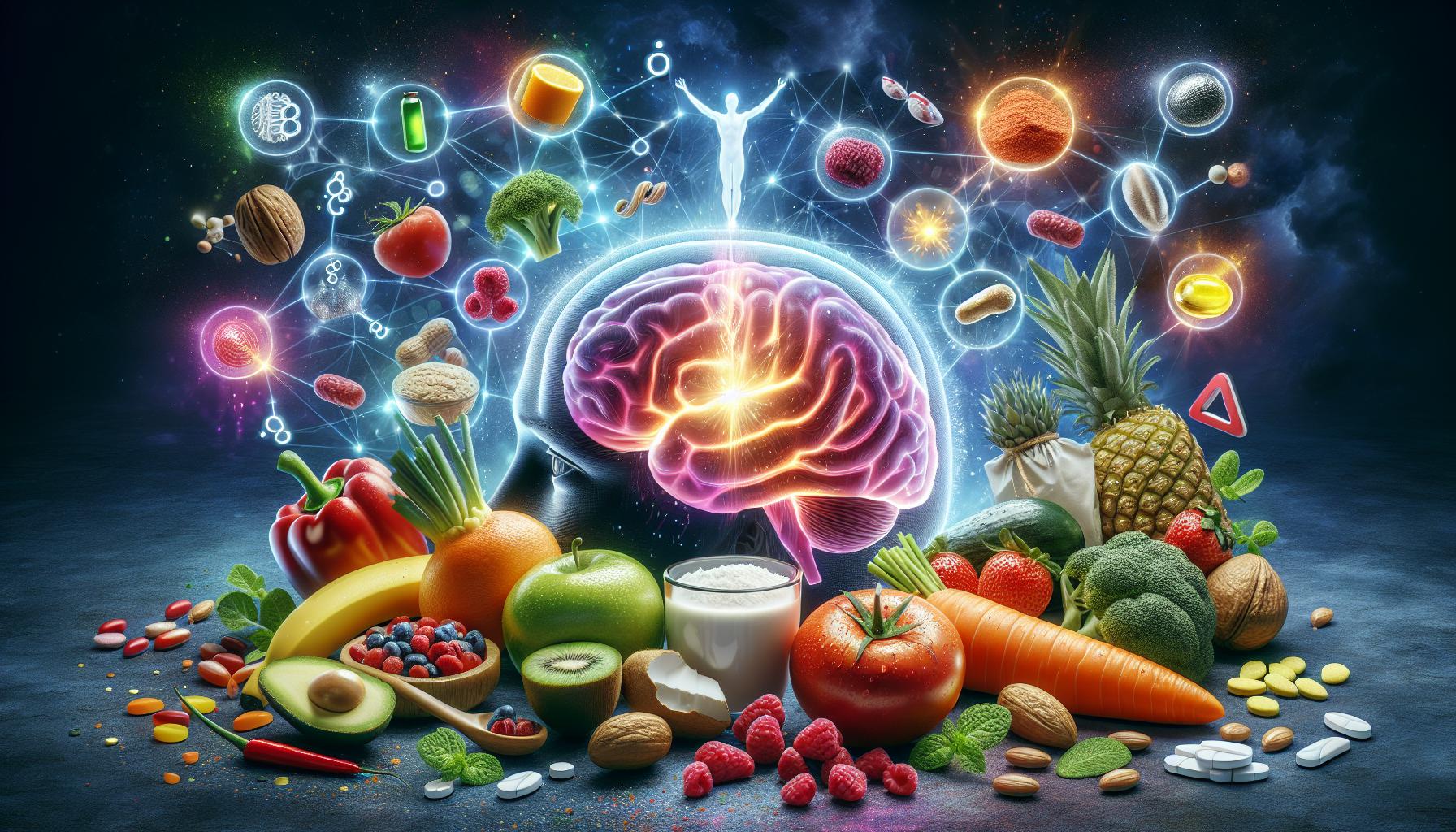
Exploring the Intricate Relationship Between Diet and Psychological Wellness
The exploration into how nutrition impacts mental health is increasingly capturing the attention of researchers, healthcare providers, and the public. It’s becoming increasingly clear that our diet does more than just fuel our bodies; it also plays a significant role in shaping our minds and emotions. This connection opens up a fascinating dialogue about how making simple changes to our eating habits can enhance our psychological well-being.
Essential Nutrients for Mental Clarity
A rich source of essential nutrients is vital for optimal brain function. For example, B vitamins, particularly B6, B12, and folate, are crucial in neurotransmitter synthesis, which can directly influence mood regulation. Inadequate levels of these nutrients have been linked to increased feelings of anxiety and depression. Foods like leafy greens, legumes, and fortified cereals are valuable sources of these vitamins. On the other end, vitamin D, often called the “sunshine vitamin,” has been shown to improve mood and alleviate symptoms of depression when included in the diet, found in fatty fish, egg yolks, and fortified beverages.
The Gut-Brain Connection
In recent years, researchers have unearthed a fascinating link known as the gut-brain connection. The gut houses trillions of microbes that communicate with the brain, influencing everything from our mood to our cognitive functions. A diet rich in probiotics, such as yogurt, kefir, and fermented foods, promotes a healthy gut microbiome that can lead to improved mental health outcomes. Furthermore, fiber-rich foods contribute to this balance by supporting good gut bacteria, which in turn can enhance mood and cognitive performance, potentially reducing the risk of mental health disorders.
Nutrition’s Role in Mental Health Disorders
Emerging research points to the possibility that poor nutrition can exacerbate mental health conditions such as depression and anxiety. Studies have shown that individuals consuming a diet high in processed foods, sugars, and unhealthy fats report higher rates of these disorders. For instance, a diet rich in refined carbohydrates can lead to fluctuations in blood sugar levels, fostering irritability and mood swings. The Standard American Diet, often criticized for its reliance on fast food and sugary snacks, tends to lack the vital nutrients needed for optimal brain function, potentially leading to detrimental effects on psychological health.

This understanding of the intricate link between diet and mental health invites us to be proactive about our food choices. The promise of a healthy mind can be coupled with an investment in our plates, where the right foods can become a powerful tool for enhancing overall well-being. As we delve into dietary recommendations and transformative eating habits, it becomes evident that a few conscious choices can lead to a brighter, more stable state of mental health, encouraging readers to reassess what they eat and how it affects their emotional landscape.
DISCOVER MORE: Click here to learn how your diet impacts sleep quality
The Importance of a Balanced Diet
Understanding how nutrition directly affects mental health begins with recognizing the vital role of a balanced diet. A diet abundant in whole foods—fruits, vegetables, whole grains, lean proteins, and healthy fats—supplies the brain with the essential building blocks it needs to function effectively. Research has repeatedly shown that these food groups contribute to a stable mood, improved cognitive abilities, and a reduced risk of mental health disorders.
Conversely, an insufficient intake of whole foods can lead to deficiencies that manifest in mental health challenges. Here are some key nutrients that play a pivotal role in brain health:
- Omega-3 Fatty Acids: Found in fatty fish like salmon, walnuts, and chia seeds, omega-3s are crucial in supporting neuronal function and have been linked to lower rates of depression.
- Antioxidants: Foods rich in antioxidants, such as berries, dark chocolate, and nuts, help combat oxidative stress that can harm brain cells and lead to psychological distress.
- Magnesium: This mineral, prevalent in leafy greens, nuts, and whole grains, is associated with reduced feelings of anxiety, as it plays a role in regulating neurotransmitters that influence mood.
The Impact of Processed Foods on Mental Health
The Western diet, characterized by high levels of processed foods, sugar, and unhealthy fats, is increasingly being scrutinized for its adverse effects on mental health. Consumption of these foods often leads to poor gut health, which directly affects mental well-being due to the nutrient deficiency they create. This can manifest as increased irritability, mood swings, and symptoms of anxiety and depression.
Moreover, studies show that individuals who frequently consume fast food and sugary snacks have a higher incidence of psychological disorders. For instance, a study published in the journal Psychological Medicine found that a diet rich in refined sugars and unhealthy fats was linked to poor mental health outcomes, including anxiety and depression. This highlights the importance of reevaluating what we eat and how it impacts our mental state.
To support better mental health, making small, manageable changes to one’s diet can yield significant benefits. Integrating more wholesome, nutrient-dense foods while reducing processed and sugary options is a proactive step toward nurturing the brain and enhancing overall well-being.
Recognizing the Signs of Nutritional Deficiencies
Awareness of nutritional deficiencies is crucial for maintaining mental wellness. Here are some common signs that may indicate a lack of essential nutrients:
- Fatigue and low energy
- Difficulty concentrating or memory problems
- Increased irritability or mood swings
- Feelings of anxiety or depression
By recognizing these symptoms, individuals can take action to address their dietary choices, thereby creating a positive cycle of nutrition and mental health. As we continue our exploration of specific dietary approaches that can further support mental health, it becomes increasingly clear that what we eat profoundly influences how we feel, think, and live.
Understanding the Connection Between Nutrition and Mental Health
Nutrition plays a pivotal role in shaping not only our physical health but also our mental well-being. A diet rich in nutrients can positively influence brain function, mood stability, and even cognitive performance. The importance of various nutrients, including omega-3 fatty acids, antioxidants, vitamins, and minerals, cannot be overstated. For instance, studies have linked omega-3 fatty acids found in fish, nuts, and seeds to decreased levels of depression and improved mood regulation. Antioxidants found in colorful fruits and vegetables help protect brain cells from oxidative stress, which is associated with mental decline. Similarly, vitamins such as B-complex, particularly B6, B12, and folic acid, play crucial roles in producing neurotransmitters responsible for mood regulation. A deficiency in these vitamins can lead to symptoms of anxiety and depression.Incorporating a balanced diet that includes a variety of these nutrients is essential for maintaining good mental health. Foods like leafy greens, whole grains, and lean proteins provide the necessary foundations for a nourished brain. Furthermore, recent research emphasizes the impact of gut health on mental health, highlighting the gut-brain axis—the direct link between our digestive health and mental states. Probiotics found in fermented foods like yogurt and kimchi support this connection by fostering a healthy gut microbiome, which in turn can influence mood and cognitive functions.Another critical aspect is hydration. Adequate water intake is advised as even mild dehydration can affect mood and cognitive performance. Thus, maintaining proper hydration alongside a nutrient-rich diet is vital in promoting optimal brain health.Ultimately, a comprehensive approach that combines nutrition with lifestyle factors such as regular exercise, sufficient sleep, and stress management techniques can create a strong foundation for mental well-being, highlighting the essential role of nourishment in mental health.
| Nutrient Category | Benefits for Mental Health |
|---|---|
| Omega-3 Fatty Acids | Promotes mood stability and reduces depression symptoms. |
| B Vitamins | Essential for neurotransmitter production, reducing anxiety and depression. |
| Antioxidants | Protects brain cells, reducing oxidative stress linked to mental decline. |
| Probiotics | Supports gut health, positively influencing mood and cognitive function. |
DISCOVER MORE: Click here to learn about the benefits of physical activity on mental health
Enhancing Mental Health Through Mindful Eating
Another critical aspect of how nutrition affects mental health is the practice of mindful eating. This approach encourages individuals to pay attention to their eating habits and the sensory experiences associated with food, such as taste, texture, and aroma. By fostering an increased awareness of our dietary choices, mindful eating can lead to healthier food selections, thereby directly contributing to improved mental well-being.
Several studies indicate that individuals who practice mindfulness in their eating habits often experience less stress and better emotional regulation. This is particularly relevant considering the impact psychological stress can have on food choices. Stress often leads to either emotional eating, where individuals consume comfort foods high in sugar and fat, or restrictive eating, which can heighten feelings of anxiety and depression. By cultivating mindfulness, individuals may find themselves gravitating toward more nutrient-rich foods that promote brain health.
Moreover, engaging in mindful eating can help establish a healthier relationship with food, encouraging appreciation for meals rather than viewing them as mere fuel. This practice can help mitigate feelings of guilt or shame often associated with food, promoting a more positive self-image and ultimately enhancing mental health.
The Role of Gut Health in Mental Wellness
A burgeoning area of research in nutrition and mental health focuses on the gut-brain axis, the intricate relationship between gut health and mental well-being. The gut microbiome, the vast ecosystem of bacteria residing in our digestive tract, plays a crucial role in producing neurotransmitters like serotonin, which is largely responsible for regulating mood and emotions. In fact, approximately 90% of serotonin is produced in the gut!
Consuming a diet rich in prebiotics and probiotics can support a diverse and healthy gut microbiome. Foods such as yogurt, kefir, sauerkraut, and fiber-rich fruits and vegetables help foster beneficial gut bacteria. Such foods have been linked to improved mood and cognitive function, underpinning the notion that nourishing our gut simultaneously nourishes our mind.
An extensive review published in Frontiers in Psychology highlights the potential of probiotics to reduce symptoms of anxiety and depression. This relationship underscores the importance of considering not only what we eat but also how it influences our gut health and, by extension, our mental state.
Hydration and Mental Clarity
While often overlooked, adequate hydration is fundamental to both physical and mental health. Dehydration has been linked to decreased cognitive functions, including attention, memory, and critical thinking. A study published in the journal Nutrition Reviews found that even mild dehydration can negatively affect mood and cognition.
Staying well-hydrated is essential for optimal brain function. Water aids in the transportation of nutrients to the brain and helps eliminate toxins, enhancing cognitive performance and emotional stability. Striking a balance between hydration and nutrient intake can make a significant difference in how we feel day-to-day.
To ensure proper hydration, it’s beneficial to incorporate water-rich foods such as cucumbers, oranges, and spinach into your diet while committing to drinking adequate amounts of water throughout the day. This simple yet impactful change can bolster not only physical but also mental wellness.
In conclusion, as we delve deeper into the connection between nutrition and mental health, it becomes evident that by paying attention to our dietary habits, hydration, and mindful eating practices, we can foster a more resilient and healthier mind. Through informed food choices, we hold the power to enhance our mental well-being, providing a solid foundation for a balanced life.
DISCOVER MORE: Click here to learn about hydration’s vital role
Conclusion: A Holistic Approach to Mental Wellness
In summary, the intricate relationship between nutrition and mental health serves as a cornerstone for understanding how we can improve our overall well-being. By focusing on a balanced diet rich in nutrients, hydration, and the practice of mindful eating, we can significantly enhance our cognitive function, emotional stability, and resilience against mental health challenges. The synergy between a diverse microbiome and mood regulation through neurotransmitter production further underscores the profound impact of what we consume on how we feel.
As research continues to uncover the complexities of the gut-brain axis, it’s important to recognize that nutrition is not just sustenance for the body; it is vital for our mental fortitude as well. Simple changes, such as incorporating more fiber-rich foods, prebiotics, and probiotics, can have far-reaching effects on both our gut health and mental clarity. Moreover, by ensuring adequate hydration, we can maintain optimal brain performance, contributing to our daily functionality and mood regulation.
Ultimately, achieving mental wellness requires a comprehensive approach that intertwines our eating habits with lifestyle choices. As you pursue habits that foster a better relationship with food and awareness of choices made at every meal, you empower yourself to cultivate a more nurturing environment for the brain. Dive deeper into this exploration, and you may find that every bite taken not only fuels your body but also elevates your mind, paving the way for a healthier, happier life.