Menu

The Benefits of a Flexible Diet: How Variety and Moderation Can Lead to Sustainable Nutrition Choices

The flexible diet promotes sustainable nutrition by emphasizing variety and moderation. It encourages diverse food choices, fosters a positive relationship with food, and supports long-term weight management. This adaptable approach empowers individuals to make informed dietary decisions, enhancing both enjoyment and overall health while reducing food-related anxiety.

How to Effectively Read Nutrition Labels for Better Decision Making

Mastering nutrition labels is vital for making healthier food choices. By understanding serving sizes, calories, and nutrient content, you can navigate grocery aisles confidently. Employ strategies like comparing products and utilizing technology to enhance your decision-making, ensuring your diet aligns with your health goals.

How Social Media Influences Healthy Eating Habits and Nutrition Choices

Social media significantly shapes healthy eating habits and nutrition choices, offering both inspiration and community support through recipe sharing and influencer engagement. However, it also poses risks like misinformation and unrealistic standards. Navigating social media mindfully can enhance dietary decisions and promote sustainable wellness practices.

The Role of Mindful Eating in Weight Management and Nutrition Choices

Mindful eating promotes awareness and conscious decision-making around food, aiding weight management and improving nutrition choices. By savoring meals and recognizing hunger cues, individuals can foster healthier habits and emotional connections to food, leading to lasting lifestyle changes and enhanced overall well-being.

The Impact of Plant-Based Diets on Long-Term Health

Plant-based diets promote long-term health by reducing risks of chronic diseases, improving heart health, and enhancing mental well-being. Rich in fiber and nutrients, these diets support weight management, gut health, and environmental sustainability, making them a wise choice for individuals seeking holistic wellness and longevity.

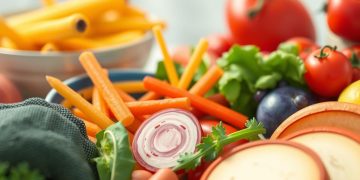
Exploring the Benefits of Meal Prepping for Healthier Nutrition Choices

Meal prepping offers a practical solution for healthier nutrition choices by saving time, reducing stress, and controlling expenses while promoting mindful eating. This effective strategy empowers individuals to make conscious dietary decisions, enhance portion control, and enjoy culinary creativity, ultimately fostering a balanced lifestyle and improved well-being.

Seasonal Eating: How Choosing Local Produce Can Enhance Your Nutritional Intake

Embracing seasonal eating boosts nutritional intake by choosing locally sourced produce. This practice enhances flavor, supports sustainable agriculture, and fosters community ties while reducing environmental impact. By enjoying fresh, in-season fruits and vegetables, you nourish both your body and the planet, making a meaningful contribution to local economies.

The Connection Between Hydration and Nutrition Choices for an Active Lifestyle

Hydration directly impacts nutrition choices and performance for an active lifestyle. Proper fluid intake, balanced electrolytes, and nutrient-rich foods like fruits and vegetables enhance endurance, recovery, and cognitive function. Understanding this connection is essential for athletes to optimize hydration, boost overall health, and achieve peak performance in their pursuits.

The Importance of Portion Control in Maintaining a Balanced Diet

In today's fast-paced world, mastering portion control is essential for maintaining a balanced diet and achieving weight management. By understanding serving sizes and adopting mindful eating practices, individuals can foster healthier relationships with food, prevent overeating, and ultimately improve overall health and well-being.

Exploring the Relationship Between Food Preparation Methods and Nutritional Value

Cooking techniques influence the nutritional value of meals, highlighting the importance of food preparation methods. Steaming, grilling, and sous-vide cooking maximize nutrient retention, while frying and boiling may diminish them. By understanding these dynamics, consumers can make healthier dietary choices and enhance their overall well-being.