How to Effectively Read Nutrition Labels for Better Decision Making
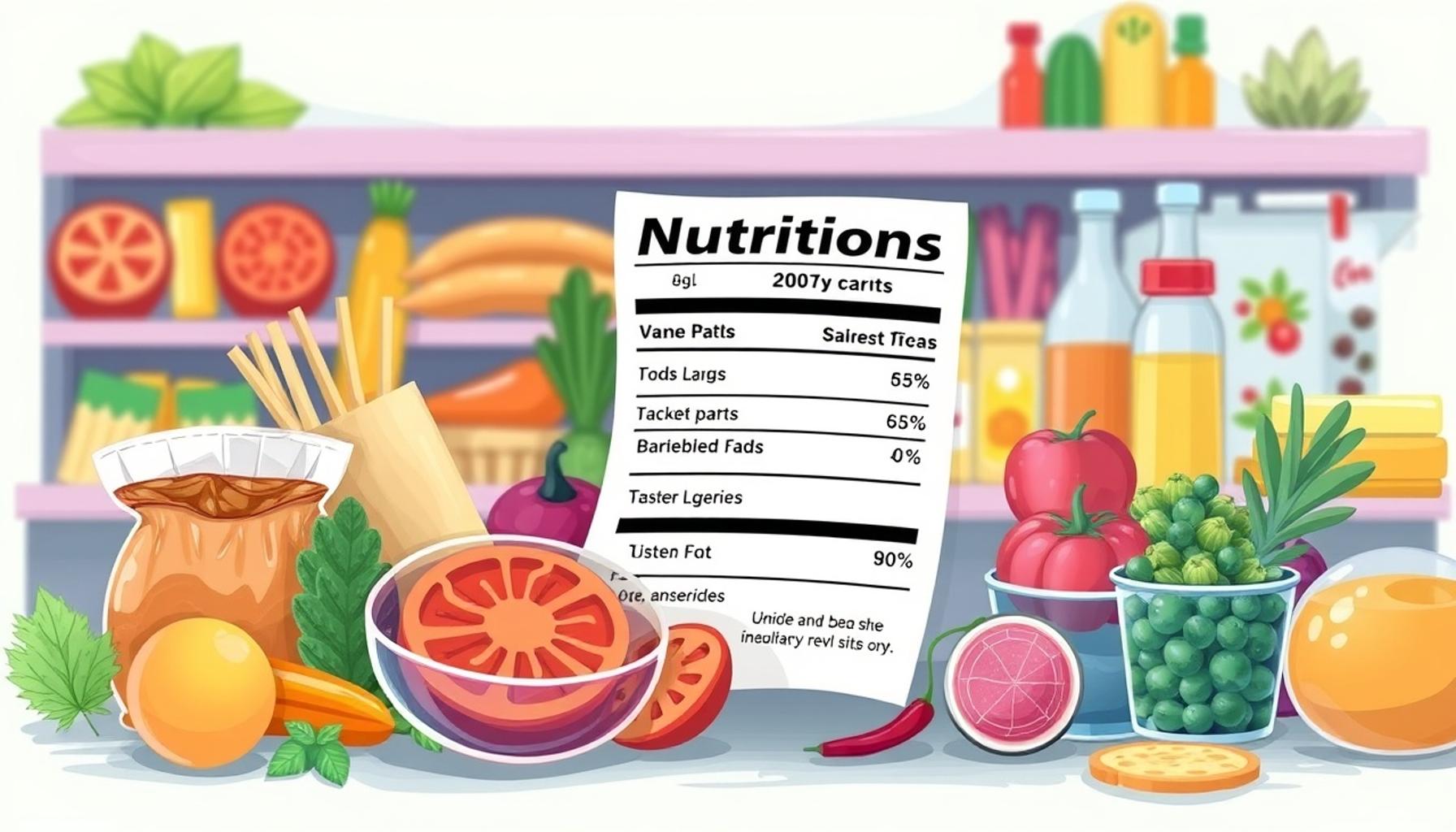
Decoding Nutrition Labels for Healthier Choices
Reading nutrition labels can feel daunting, but it’s an essential skill for making informed food choices. Understanding what each component means allows you to make choices that align with your health goals. With a little practice, you can navigate these labels like a pro, ensuring that what you consume supports your overall well-being.
Nutrition labels provide a wealth of information, including:
- Serving Size – This is perhaps the most crucial piece of information on the label. Serving sizes are standardized to help consumers understand how much of a product is typically consumed. For instance, a bag of chips might indicate a serving size of about 1 ounce, which could be around 15 chips. If you’re snacking directly from the bag, it’s easy to underestimate just how many calories you’re consuming.
- Calories – This figure helps you understand the energy you’re providing to your body. For example, if you’re on a 2,000-calorie diet, knowing that a candy bar contains 250 calories allows you to make a more educated decision about how it fits into your daily caloric intake.
- Nutrients – Nutrition labels break down macronutrients—fats, carbohydrates, and proteins—along with micronutrients such as vitamins and minerals. For instance, paying attention to the amount of saturated fat and trans fats can inform heart health decisions, while being aware of protein content is especially important for those aiming to build muscle or recover from exercise.
- Daily Value Percentages – This percentage shows how much a nutrient in a serving contributes to a daily diet, based on a standard 2,000-calorie diet. For instance, if a label shows 20% of the Daily Value for fiber, this indicates that one serving provides you with 20% of the recommended intake, helping you evaluate whether the product is a good source of that nutrient.
In the United States, FDA regulations ensure that nutrition information is clear and standardized, but many still struggle to interpret this crucial data. By gaining insights into how to effectively read nutrition labels, you empower yourself to make healthier decisions.
From understanding ingredient lists to deciphering the roles of various nutrients, this guide equips you with practical tips. For example, looking for whole ingredients at the top of the ingredient list can indicate higher quality. Additionally, understanding the difference between added sugars and natural sugars can help you make more informed choices regarding your sugar intake.
As you learn to critically analyze products, you’ll be better prepared to choose foods that align with your personal health narrative. This newfound skill will not only enhance your grocery shopping experience but also foster better nutrition and health outcomes in the long run.
Understanding the Essentials of Nutrition Labels
To effectively read nutrition labels, you must first familiarize yourself with the key components that these labels present. Here are some critical areas to focus on:
- Ingredient List – The ingredient list is a chronological account of what is in the product, with the most prevalent ingredients listed first. Pay close attention to this list; it can reveal whether a food is made with whole grains, added sugars, or unhealthy fats. Common additives and preservatives can also be easily spotted here. As a general rule of thumb, if you can’t pronounce it, it might not be the best choice for your body.
- Types of Fats – Not all fats are created equal. The label will often highlight the amounts of saturated fat and trans fats, both of which should be consumed sparingly. While healthy fats from sources like avocados and nuts can be beneficial, understanding the role of unhealthy fats is crucial for heart health and overall wellness.
- Sodium Content – High sodium intake is linked to increased blood pressure and heart disease. The nutrition label provides an indication of the sodium content, making it easier to choose products that fit your dietary needs. Aim for foods with lower sodium percentages, particularly if you are watching your salt intake.
- Added Sugars – Sometimes, the sugar content can be misleading. Nutrition labels now differentiate between natural and added sugars, which is a significant advancement. For instance, while a piece of fruit contains natural sugars along with fiber and essential nutrients, a sugary cereal may contain high levels of added sugars with little nutritional value. Being aware of this distinction can profoundly influence your food choices.
Once you’ve grasped the fundamental aspects of nutrition labels, you can dive deeper into their elements. Understanding portions is vital. Remember that the serving size listed is not a recommendation but rather a standard measurement to help consumers gauge their intake. Many people unknowingly consume double or triple the serving size, leading to excessive caloric intake.
Analyzing the Daily Value (DV) percentages is also essential. For example, if a food item contains 30% of the Daily Value for calcium, you know that a single serving contributes significantly towards fulfilling your calcium requirements for the day. This can be particularly beneficial for those who are lactose intolerant or following a vegan diet.
Furthermore, recognizing the meanings behind certain terms can provide clarity. Words like “fat-free,” “low-sodium,” or “diet” can sometimes be misleading. A product might be labeled as “fat-free,” yet still be high in sugars or artificial ingredients to compensate for the lack of flavor. Thus, it’s crucial to evaluate the entire label rather than focusing solely on the highlighted claims.
With these points in mind, you are already on your way to becoming adept at reading nutrition labels. Next, we’ll explore practical strategies to apply this knowledge in real-life scenarios, ensuring you’re making informed food choices every time you shop.
Understanding Key Components of Nutrition Labels
Reading nutrition labels can initially seem daunting, but grasping their key components is crucial for making informed food choices. Each section on the label provides unique insights into its nutritional value that can greatly impact your health and well-being.
Nutritional Facts
The Nutritional Facts panel is where you’ll begin. Pay special attention to serving size, as this determines the amounts of all other nutrients listed. It’s essential to compare this with the portion you are consuming to accurately assess calorie intake. Understanding the calories per serving helps you manage weight effectively and makes it easier to track your daily energy needs.
Daily Values
Next, you will encounter the % Daily Value (%DV). This percentage indicates how a food contributes to your daily diet based on a 2,000-calorie daily intake, allowing you to monitor your consumption of important nutrients. For example, if a label shows 20% DV for fiber, it suggests that one serving of the product provides 20% of your daily fiber requirement, helping you maintain a balanced diet.
| Nutrition Category | Importance |
|---|---|
| Total Fat | Gives insight into heart-health; crucial for making healthy fat choices. |
| Sugars | Indicates added sugars; key for reducing dietary sugar intake and combating health issues. |
Understanding these components not only aids in better food choices but also supports long-term health goals. With a deeper comprehension of nutrition labels, consumers can align their purchases with their nutritional needs, enabling more mindful eating habits.
Practical Strategies for Reading Nutrition Labels
Once you understand the essentials of nutrition labels, it’s time to adopt practical strategies to apply this knowledge effectively. These techniques empower consumers to make informed decisions at the grocery store, promoting healthier eating habits.
1. Compare Products
One of the most effective ways to read nutrition labels is to compare similar products side-by-side. When you find yourself in the cereal aisle, for example, take a moment to scrutinize the nutrition information of different brands. Look for key differences in caloric content, added sugars, and fiber. This practice can reveal which option is nutritionally denser, allowing you to make better choices. Many grocery stores even label their nutrition facts with visual cues to help with comparisons, making this task even easier.
2. Always Check Serving Sizes
Continuing from our previous discussion on serving sizes, it is vital to remember that the serving size on the label does not align with how much you may typically eat. For example, a snack bag of potato chips might list a serving size as 1 ounce, which equates to about 15 chips. If you regularly enjoy three times that amount, you need to conduct quick math to determine the total fat, calories, and sodium you will consume. This awareness of how serving sizes impact your intake helps clarify the nutritional picture and informs your choices.
3. Consider Nutritional Density
Nutritional density refers to the number of nutrients a food contains relative to its calorie count. Foods that are high in nutritional density are rich in vitamins, minerals, and other beneficial compounds, while low in unhealthy ingredients. When evaluating nutrition labels, focus on the amount of vitamins and minerals present. For example, foods that are high in iron or vitamin C can have a significant positive impact on your health, making them a better choice over processed options that may merely fill you up without adding any value.
4. Watch Out for Marketing Ploys
Food manufacturers often utilize enticing claims to market their products. Phrases like “whole grain,” “no added sugar,” or “light” can be appealing, but it’s essential to see how these claims align with the overall nutrition label. For instance, a yogurt labeled as “fat-free” may contain a high level of hidden sugars. Always look beyond the enticing front label and assess the detailed nutritional content, which can be vastly different from what the marketing suggests.
5. Use Technology to Your Advantage
In today’s tech-savvy world, you can take advantage of mobile applications designed to analyze nutrition information and provide personalized recommendations based on your dietary needs. These tools can help you log your food intake and even suggest healthier alternatives as you navigate the aisles. Programs that create barcode scans can also streamline the label-reading process, simplifying your shopping experience.
By incorporating these strategies into your grocery shopping routine, you can become an informed consumer who is equipped to make healthier choices based on thorough analysis rather than marketing hype. So next time you’re faced with a plethora of options, remember to utilize these techniques to read nutrition labels with confidence and precision.
Conclusion: Empowering Your Healthy Choices
Understanding how to effectively read nutrition labels is not just about becoming knowledgeable—it’s about empowering yourself to make healthier choices. By applying the strategies discussed, such as comparing products, recognizing serving sizes, and discerning nutritional density, you can become a savvy consumer. These practices will guide you in navigating the grocery aisles where marketing tactics often sway choices, helping you avoid common pitfalls that lead to unhealthier eating habits.
Additionally, leveraging technology enables you to stay informed and equipped with personalized insights tailored to your dietary needs. Mobile applications serve not only as practical tools in your shopping journey but also as reminders of your commitment to health. Remember, every small decision adds up, and by taking the time to analyze labels, you are investing in a healthier, more informed lifestyle.
With the wealth of information hidden in nutrition labels, the challenge lies in making it actionable in your daily life. Harness this knowledge to cultivate mindfulness around food choices, and consider involving family and friends in your journey towards better nutrition. Through consistent practice, reading nutritional labels can become second nature, leading to positive changes in your overall well-being. As you embark on this path, remember that informed decision-making is a step toward enhancing not just your health but the quality of life for those around you.