Menu

The Importance of Hydration: How Water Affects Your Nutritional Choices

Water plays a crucial role in hydration, impacting appetite regulation, nutrient absorption, and overall energy levels. Proper hydration enhances cognitive function and helps distinguish between hunger and thirst, promoting healthier nutritional choices. By prioritizing water intake, individuals can improve dietary decisions and support their overall wellness journey.

Exploring the Connection Between Gut Health and Nutritional Choices

This article delves into the vital relationship between gut health and nutritional choices, highlighting the impact of fiber, probiotics, and whole foods on the gut microbiome. It emphasizes the importance of mindful eating to improve digestive health and overall well-being while warning against the negative effects of processed foods and added sugars.

The Role of Nutrient Timing in Enhancing Physical Performance

Nutrient timing significantly enhances physical performance by strategically managing nutrient intake before, during, and after workouts. Proper timing of carbohydrates and proteins can boost energy, facilitate recovery, and promote muscle growth. Understanding this science empowers athletes to optimize their training and achieve their fitness goals effectively.

The Importance of Setting Realistic Fitness Goals for Sustainable Physical Activity

Setting realistic fitness goals is crucial for sustainable physical activity. By establishing attainable objectives, individuals reduce the risk of burnout and injury, enhancing motivation and enjoyment. A structured approach, such as the SMART criteria, fosters commitment, supports community engagement, and transforms fitness into a long-term lifestyle rather than a fleeting pursuit.

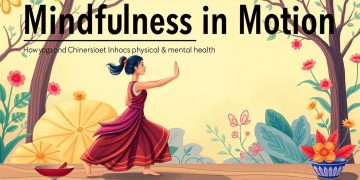
Mindfulness in Motion: How Yoga and Tai Chi Enhance Physical and Mental Health

Explore the transformative benefits of yoga and Tai Chi, two mindfulness practices that enhance physical and mental health. By integrating mindful movement, these ancient disciplines promote flexibility, reduce stress, and improve emotional well-being, making them accessible and valuable for individuals seeking holistic wellness in today's fast-paced world.

The Role of Community Sports in Fostering Healthy Relationships and Physical Fitness

Community sports serve as a vital platform for fostering healthy relationships and promoting physical fitness. By bringing individuals together, these initiatives enhance social connections, encourage active lifestyles, and improve mental well-being. They create inclusive environments, bridging cultural divides and nurturing a strong sense of belonging within communities.

How to Motivate Children to Engage in Regular Physical Exercise

Motivating children to engage in regular physical exercise is essential for their physical health and emotional well-being. By incorporating fun activities, creating supportive environments, and leveraging technology, parents and educators can inspire a lifelong love for movement, promoting active, healthy lifestyles that enhance children's overall development.

The Role of Technology in Promoting Physical Activity: Apps and Gadgets for a Healthier Lifestyle

Technology plays a pivotal role in promoting physical activity, with fitness apps and wearable gadgets making exercise more accessible and engaging. These tools inspire healthier lifestyles through personalized workout plans, social community support, and data tracking, motivating users to enhance their wellness journeys and combat sedentary habits effectively.

Incorporating Physical Activity into a Busy Lifestyle: Tips for Success

Incorporating physical activity into a busy lifestyle is achievable through strategic planning and small adjustments. This article offers practical tips, such as scheduling workouts, utilizing micro workouts, and embracing active commuting, to seamlessly integrate fitness into daily routines, ultimately enhancing health and well-being while managing a hectic life.

The Connection Between Physical Activity and Improved Sleep Quality

Regular physical activity significantly enhances sleep quality by improving sleep duration and reducing disturbances. Engaging in aerobic exercises, strength training, and mindfulness practices promotes better sleep through hormonal regulation and stress reduction. Understanding this connection encourages individuals to incorporate exercise into their routines for improved sleep health.