Menu

The Impact of Plant-Based Diets on Long-Term Health

Embracing a plant-based diet significantly improves long-term health by reducing the risk of chronic diseases, promoting weight management, and enhancing gut health. This lifestyle choice also supports environmental sustainability and ethical consumption, making it a holistic approach to wellness. Ultimately, plant-rich diets contribute to better overall well-being.

Mindful Eating: Making Conscious Nutrition Choices

Explore the transformative practice of mindful eating, which fosters a deeper connection to food by promoting awareness, slow eating, and gratitude. This approach enhances digestion, supports healthier choices, and cultivates an improved relationship with food, encouraging sustainable nutrition and overall well-being. Embrace conscious nutrition for a healthier lifestyle.


Cultural Influences on Dietary Habits: Understanding Diverse Nutrition Choices

Cultural influences significantly shape dietary habits and nutrition choices worldwide. From traditional meals to religious dietary practices, these influences reflect communal identities and histories. Understanding diverse nutrition choices enhances appreciation for global cuisines while addressing contemporary health challenges through culturally informed approaches to food and nutrition.

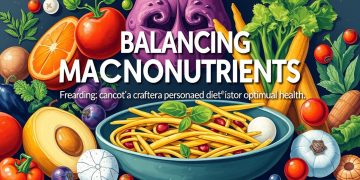
Balancing Macronutrients: Creating a Personalized Diet for Optimal Health

Discover the importance of balancing macronutrients—carbohydrates, proteins, and fats—for optimal health. Tailor your diet to your unique needs by assessing activity levels and health goals. Emphasize whole, nutrient-dense foods for better wellness and build a sustainable, enjoyable dietary approach that enhances your vitality.

Navigating the Supermarket: Strategies for Making Healthier Nutrition Choices

Discover effective strategies for making healthier nutrition choices at the supermarket. Learn to plan meals, read labels, and prioritize whole foods while avoiding processed items. Embrace mindful shopping, utilize fresh produce, and leverage store layouts to enhance your overall well-being during grocery trips. Equip yourself for a healthier lifestyle today.

The Power of Colorful Plates: Understanding the Nutritional Benefits of Eating a Variety of Fruits and Vegetables

Eating a variety of colorful fruits and vegetables provides essential nutrients that boost immunity, prevent chronic diseases, and enhance digestion. Each color signifies unique health benefits, contributing to overall well-being. Embracing a rainbow on your plate encourages healthy eating habits while fostering a vibrant lifestyle and improved health.

The Importance of Hydration: How Water Affects Your Nutritional Choices

Water plays a crucial role in hydration, impacting appetite regulation, nutrient absorption, and overall energy levels. Proper hydration enhances cognitive function and helps distinguish between hunger and thirst, promoting healthier nutritional choices. By prioritizing water intake, individuals can improve dietary decisions and support their overall wellness journey.

Exploring the Connection Between Gut Health and Nutritional Choices

This article delves into the vital relationship between gut health and nutritional choices, highlighting the impact of fiber, probiotics, and whole foods on the gut microbiome. It emphasizes the importance of mindful eating to improve digestive health and overall well-being while warning against the negative effects of processed foods and added sugars.

The Role of Nutrient Timing in Enhancing Physical Performance

Nutrient timing significantly enhances physical performance by strategically managing nutrient intake before, during, and after workouts. Proper timing of carbohydrates and proteins can boost energy, facilitate recovery, and promote muscle growth. Understanding this science empowers athletes to optimize their training and achieve their fitness goals effectively.

The Importance of Setting Realistic Fitness Goals for Sustainable Physical Activity

Setting realistic fitness goals is crucial for sustainable physical activity. By establishing attainable objectives, individuals reduce the risk of burnout and injury, enhancing motivation and enjoyment. A structured approach, such as the SMART criteria, fosters commitment, supports community engagement, and transforms fitness into a long-term lifestyle rather than a fleeting pursuit.