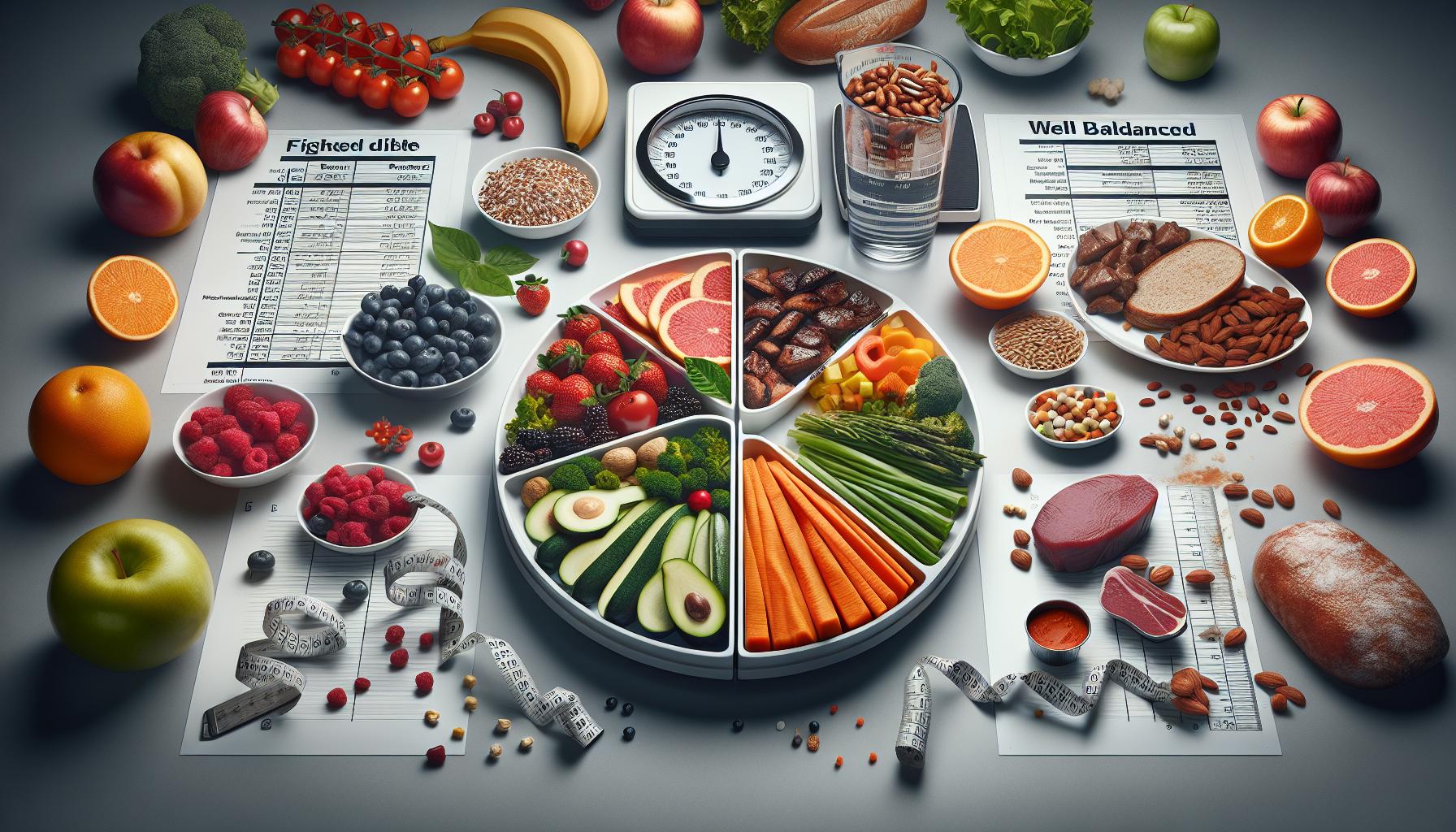
Exploring the Connection Between Gut Health and Nutritional Choices
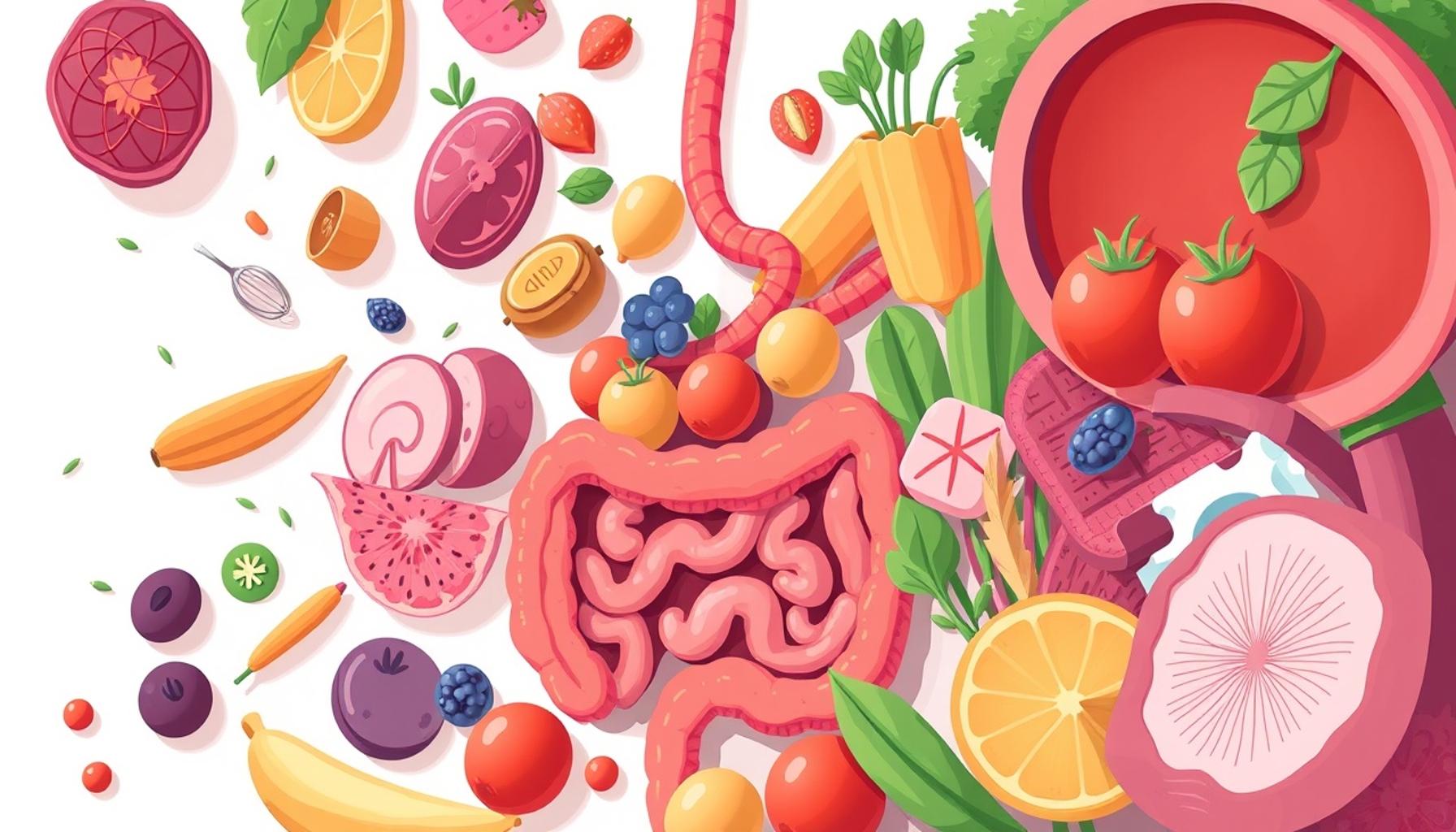
The Gut-Brain Connection
Our gut houses trillions of microorganisms, forming a complex ecosystem known as the gut microbiome. This intricate network significantly influences our health beyond mere digestion, affecting everything from our immune responses to our emotional well-being. The idea that the gut could be our “second brain” arises from the profound connection between gut health and mental health, recognized as the gut-brain axis. Studies indicate that disturbances in gut microbiota can contribute to mental health issues such as anxiety and depression, showcasing just how intertwined our physical and emotional health really is.
The Role of Nutritional Choices
What we consume on a daily basis can profoundly impact our gut health. Understanding the elements of a diet that support or hinder this balance is essential for maintaining overall health. Here are key contributions:
- Dietary Fiber: A critical component of gut health, dietary fiber acts as food for good bacteria in the gut. Foods like fruits, vegetables, whole grains, and legumes are great sources of fiber. For instance, a diet rich in dietary fiber has been shown to lower the risk of developing conditions such as colon cancer.
- Probiotics: Often referred to as “good” bacteria, probiotics are essential for maintaining a balanced gut microbiome. Fermented foods like yogurt, kefir, sauerkraut, and kombucha are excellent sources that help replenish these beneficial organisms. Regular consumption of probiotics can enhance digestion and bolster the immune system.
- Processed Foods: On the contrary, foods high in processed sugars and unhealthy fats can wreak havoc on gut balance. A diet laden with soda, chips, and fast food can lead to an imbalance known as dysbiosis, which has been associated with increased inflammation and health issues such as obesity and diabetes.
- Hydration: Proper hydration is often overlooked but is vital for digestion and nutrient absorption. Water aids in the movement of food through the intestines and facilitates the absorption of nutrients, ensuring that your gut functions as it should.
Health Conscious Trends
In recent years, many Americans have shifted towards more health-conscious eating habits. This has spurred interest in gut health, making it essential to understand how our dietary choices affect this vital aspect of our wellness. By exploring your daily nutrition, you can open up a world of possibilities for optimizing your gut health.
Empower Your Gut Health
As we navigate the complexities of nutrition and its impact on our gut health, we unveil fascinating insights and practical tips to optimize your diet. Embracing a balanced intake of fiber-rich foods, probiotics, and staying clear of processed options can significantly enhance the state of your gut microbiome. Join us in uncovering how simple dietary changes can lead to a transformative journey for both gut and overall health!
DIVE DEEPER: Click here to learn about the importance of sleep
Understanding the Gut Microbiome
The gut microbiome is a bustling metropolis of microorganisms that reside in our digestive tract, including bacteria, viruses, fungi, and single-celled organisms. Research has shown that this diverse community plays a pivotal role in our overall health. According to estimates, the human gut microbiome contains around 100 trillion microbial cells, outnumbering human cells by approximately ten to one. This staggering figure highlights the vital importance of nurturing this ecosystem through our nutritional choices.
One of the primary ways our gut microbiome functions effectively is through the production of short-chain fatty acids (SCFAs), which are beneficial compounds created when gut bacteria ferment dietary fiber. Studies have indicated that SCFAs contribute to improved gut health by reducing inflammation, enhancing intestinal barrier integrity, and even regulating appetite. In fact, a balanced gut microbiome, achieved through proper nutrition, can significantly impact metabolic health and play a role in preventing chronic diseases.
The Influence of Dietary Fiber
Comprising two main types, soluble and insoluble, dietary fiber is crucial for maintaining a healthy gut. Soluble fiber, found in foods like oats and apples, dissolves in water and helps manage blood sugar levels, while insoluble fiber, present in whole grains and vegetables, adds bulk to digested food. A diet high in fiber supports beneficial bacteria, encouraging their growth and promoting a healthy gut environment.
The average American consumes only about 15 grams of fiber per day, falling short of the recommended intake of 25 to 30 grams for adults. This deficit may lead to fewer protective bacteria and the proliferation of harmful strains, ultimately disturbing the gut’s delicate balance. Increasing fiber intake can be both simple and satisfying; incorporating a variety of fruits, vegetables, legumes, and whole grains into meals can significantly enhance gut health.
The Power of Probiotics
Alongside fiber, probiotics play an integral role in gut health. These live microorganisms, often touted as “good bacteria,” can help restore balance to the gut microbiome, especially after a course of antibiotics or an unhealthy diet. Probiotics are abundant in fermented foods, including yogurt, kefir, kimchi, and kombucha, which not only provide these beneficial bacteria but also improve the absorption of nutrients in the gut.
- Ease Digestive Issues: Probiotics have been shown to alleviate symptoms of irritable bowel syndrome (IBS) and other gastrointestinal disorders.
- Boost Immune Function: Probiotic-rich diets enhance the immune response, making individuals more resilient against infections.
- Influence Mood: Certain strains of probiotics have been linked to improved mood and reduced anxiety, emphasizing the gut-brain connection.
As we delve deeper into the intricacies of gut health, it becomes clear that our nutritional choices greatly shape the environment of our gut microbiome. By consciously incorporating fiber and probiotics into our diets, we can support our gut’s diverse community, ultimately benefiting our physical and mental well-being.
Exploring the Connection Between Gut Health and Nutritional Choices
Understanding the intricate relationship between gut health and nutritional choices can transform not only your relationship with food but also your overall health. Recent studies have indicated that the microorganisms residing in our gut play a pivotal role in how our bodies process different nutrients. As such, the choices we make regarding what we eat can significantly impact the diversity and functionality of our gut microbiome.
One major aspect of this connection is the consumption of fiber-rich foods, such as fruits, vegetables, and whole grains, which serve as nourishment for beneficial gut bacteria. These foods can enhance microbial diversity, thereby improving digestive health and potentially reducing the risk of chronic diseases. Furthermore, diets high in sugar and processed foods can lead to an imbalance in gut microbiota, often referred to as dysbiosis, which is linked to various health issues including obesity, diabetes, and inflammatory bowel diseases.
| Category | Description |
|---|---|
| Probiotics | These live microorganisms, which are found in fermented foods like yogurt and kimchi, can enhance gut health by improving microbial balance. |
| Prebiotics | Found in foods such as garlic and onions, prebiotics serve as food for beneficial gut bacteria, fostering a healthy microbiome. |
| Antioxidants | Foods rich in antioxidants, like berries and nuts, help to reduce inflammation in the gut, promoting better digestive health. |
Moreover, the quality of fats consumed is equally important. Opting for healthy fats, such as those found in avocados, nuts, and fish, can help maintain a balanced inflammation response in the body. It’s important to recognize that processed trans fats found in fast food and packaged snacks can adversely affect gut health by fostering the growth of harmful bacteria.
Incorporating a diverse range of nutrient-dense foods into your diet not only supports gut health but also fosters a holistic approach to wellness that goes beyond mere physical health. By becoming more mindful of our nutritional choices, we empower ourselves to lay a strong foundation for our overall well-being, making each meal a building block towards a healthier life.
DIVE DEEPER: Click here to discover the benefits of a sleep diary
The Role of Prebiotics
While probiotics receive significant attention for their role in gut health, prebiotics are equally important, serving as fuel for beneficial gut bacteria. Prebiotics are non-digestible fibers found in various foods, including garlic, onions, leeks, bananas, and asparagus. These substances promote the growth and activity of beneficial microorganisms, essentially fostering a more resilient and flourishing gut environment.
Research indicates that increasing the intake of prebiotic-rich foods can enhance the diversity of gut flora, which is often associated with improved digestive health and reduced risk of conditions such as obesity and type 2 diabetes. For instance, a study published in the journal *Nature Reviews Gastroenterology & Hepatology* found that individuals who consumed higher amounts of prebiotics demonstrated greater microbial diversity, contributing to better immune function and metabolic health.
The Impact of Sugar and Processed Foods
Conversely, a diet high in sugar and processed foods can wreak havoc on gut health. These types of foods often lack essential nutrients and are high in refined carbohydrates, leading to the proliferation of harmful gut bacteria. A diet laden with added sugars can promote inflammation and biases the gut microbiome toward less beneficial strains, potentially leading to digestive disorders, weight gain, and even mental health issues.
Emerging studies suggest that excessive sugar consumption may create a vicious cycle; as harmful bacteria flourish, they can cause gut dysbiosis, an imbalance that may contribute to cravings for even more sugar and unhealthy foods. The American Heart Association recommends limiting added sugars to no more than 6 teaspoons per day for women and 9 teaspoons for men. Making conscious food choices that prioritize whole, minimally processed options can often revitalize gut health.
Nutrient-Rich Foods and Their Benefits
Introducing a variety of nutrient-rich foods is crucial when prioritizing gut health. Foods rich in omega-3 fatty acids, such as salmon, chia seeds, and walnuts, possess anti-inflammatory properties that benefit the gut lining. Additionally, antioxidants found in colorful fruits and vegetables help fight oxidative stress, further enhancing gut health.
- Fermented Foods: Incorporating foods like sauerkraut, kimchi, and miso not only adds flavor but also supports gut health by delivering beneficial microbes.
- Healthy Fats: Avocados and olive oil can nurture beneficial bacteria in the gut while promoting nutrient absorption and reducing inflammation.
- Whole Grains: Oats, brown rice, and quinoa are good sources of both fiber and essential nutrients, providing multiple benefits for a healthy microbiome.
The landscape of gut health is complex and intertwined with our nutritional choices. By understanding the distinct roles of prebiotics, probiotics, and the effects of sugar and processed foods, individuals can make informed dietary decisions. The power to foster a healthier gut microbiome lies in prioritizing whole foods that nourish and protect this critical aspect of our health.
DIVE DEEPER: Click here for relaxation techniques that can enhance your sleep
Conclusion: A Pathway to Optimal Gut Health
In summary, the intricate relationship between gut health and nutritional choices emphasizes the importance of what we eat in shaping our well-being. As we’ve explored, incorporating prebiotics and probiotics into our diets fuels the beneficial bacteria in our digestive systems, while high sugar and processed food intake can disturb this delicate balance. The evidence suggests that enhancing our gut microbiome is not merely a matter of adding supplements but cultivating a diverse diet rich in whole, nutrient-dense foods.
Embracing a colorful array of fruits, vegetables, whole grains, healthy fats, and fermented foods can transform gut health, providing a tangible impact on our metabolic and immune functions. These dietary choices can lead to improved digestive health and reduce the risk of chronic health conditions prevalent in contemporary American society. Moreover, the simple act of making conscious eating decisions can initiate a positive feedback loop—nourishing our bodies while simultaneously positively affecting our gut microbiome.
As research continues to uncover the profound links between gut health and overall health, it becomes increasingly clear that our food is a powerful tool for fostering resilience and vitality. By prioritizing our dietary habits, we have the opportunity to take control of our health destiny. Discover the impact of your food choices and explore the endless possibilities that await your gut microbiome by opting for nutritious, whole foods today.