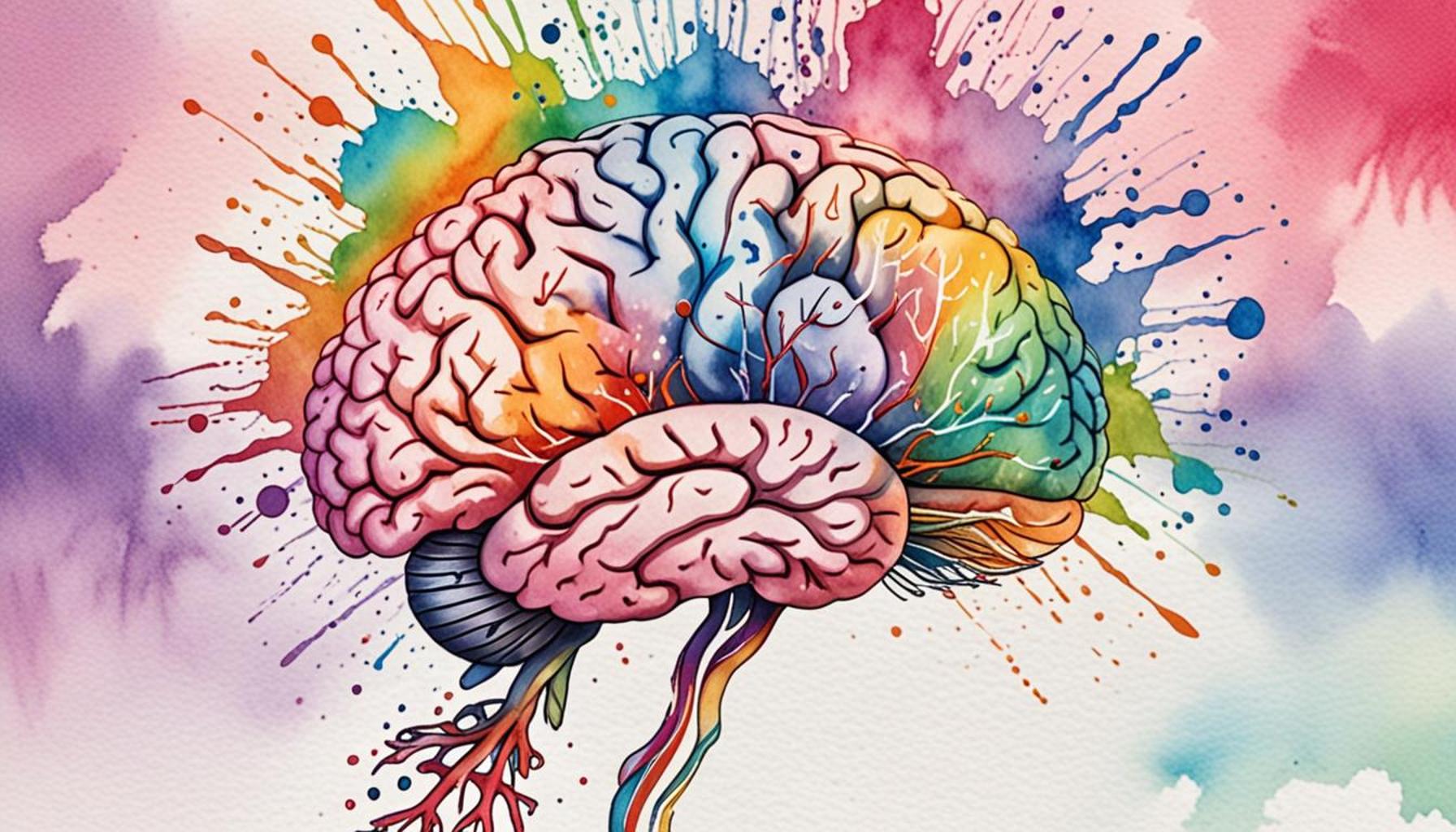
Transforming Fear into Courage: The Impact of Affirmations on Mindset

Understanding Fear
Fear is an intrinsic human emotion, deeply rooted in our instincts for survival. It can often become a barrier, hindering personal growth and the pursuit of aspirations. The manifestations of fear can be diverse, ranging from the palpable nerves before giving a presentation to the immobilizing anxiety that can accompany significant life choices such as changing careers or starting a business. While fear is a natural response, the challenge lies in how we manage it and not let it dictate our lives.
The Role of Affirmations
The beauty of using affirmations lies in their simplicity and accessibility. These positive and empowering statements can be tailored to individual needs, making them a versatile tool for anyone seeking to mitigate fear. For instance, someone apprehensive about public speaking might use an affirmation such as, “I am a confident and engaging speaker,” repeated daily to gradually reinforce their self-efficacy.
- Boosts Self-Confidence: Through consistent repetition, affirmations can lead individuals to acknowledge their strengths and capabilities. Consider athletes who use affirmations to visualize success; this practice not only enhances their performance but also fosters an unwavering belief in their skills.
- Reframes Negative Thoughts: Affirmations serve as a counterweight to pervasive negative thoughts. For someone who often thinks, “I will fail,” an alternative affirmation could be, “I am capable, and I learn from every experience.” This shift in perspective allows individuals to cultivate a growth mindset.
- Encourages Resilience: Building resilience is vital to overcoming obstacles. Regular affirmation practice can create a mental buffer against life’s inevitable setbacks. For example, entrepreneurs who face rejection from investors can benefit from affirmations like, “Each setback is a setup for a comeback,” which can inspire perseverance.
Scientific Backing
Numerous studies corroborate the efficacy of affirmations in reshaping our mindset. Research from the University of California, Davis, indicates that engaging in self-affirmation activities can enhance problem-solving abilities in stressful situations. This suggests that affirmations aren’t just fluffy positivity; they have a foundational impact on how we approach challenges.
Real-Life Applications
A compelling example can be seen in the tech industry, where leaders like Sheryl Sandberg advocate for the use of affirmations to foster leadership qualities and encourage teams to overcome fear of failure. Her book, “Lean In,” discusses how affirmations can promote the courage needed to pursue leadership roles traditionally dominated by men.
As we continue to explore the practice of affirmations, we invite you to consider your relationship with fear and take steps toward a more courageous mindset. The journey from fear to courage is not only possible but also immensely rewarding. Embrace affirmations to unlock your true potential and transform your life.
DIVE DEEPER: Click here to learn how daily affirmations can boost your resilience</
The Power of Affirmations in Overcoming Fear
In a world that constantly bombards us with challenges and uncertainties, the ability to convert fear into courage is not just a desirable trait; it’s essential. Affirmations, which are succinct and positive declarations, can be pivotal in this transformation. They empower individuals to rewire their internal dialogue and alter their perceptions about fear. Rather than seeing fear as a hindrance, affirmations allow us to view it as a creative force that can propel us to act.
How Affirmations Work
Affirmations operate on the psychological principle of cognitive restructuring—an essential tenet in cognitive-behavioral therapy. By repeatedly stating positive beliefs, individuals can begin to detach from negative cognitive patterns and instill a sense of positivity and confidence.
- Positive Reinforcement: Regularly affirming statements like “I am resilient and capable” can create a rewarding loop that builds self-esteem. This self-affirmation strengthens neural connections, making it easier for individuals to access feelings of courage when faced with fear.
- Mindfulness Practice: Affirmations can serve as a mindfulness practice, grounding individuals in the present rather than allowing their minds to spiral into fear-based scenarios. By anchoring themselves through affirmations, they can foster concentration and clarity amid chaos.
- Enhancement of Emotional Intelligence: The repeated practice of affirmations aids in the development of emotional intelligence, equipping individuals to understand and manage their emotions better. This growth enables them to face fear with a more balanced emotional outlook.
Creating Personalized Affirmations
The effectiveness of affirmations can significantly increase when they resonate with an individual’s personal journey. Crafting affirmations that are specific, relevant, and positive encourages a deeper connection and enhances their impact. For example, if someone struggles with a fear of failure in their career, a personalized affirmation might read: “I am skilled and prepared for new challenges, and I grow from my experiences.” The specificity of the affirmation can dramatically elevate its motivational power.
Empirical Evidence Supporting Affirmations
Numerous studies highlight the positive influence of affirmations on mitigating fear and enhancing resilience. A study conducted by the American Psychological Association found that individuals who engaged in self-affirmation exercises displayed a lower physiological response to stress tests compared to those who did not. This suggests that affirmations can significantly reduce fear responses in high-pressure situations, providing a more serene approach to daunting tasks.
As we delve deeper into the transformative effects of affirmations, it becomes evident that this simple yet potent practice can cultivate not only courage but also a profound shift in mindset. By harnessing the principles of affirmations, anyone can embark on a journey of self-discovery, empowering themselves to confront and conquer their fears head-on.
Transforming Fear into Courage: The Impact of Affirmations on Mindset
As we delve deeper into the concept of affirmations and their transformative power, it becomes apparent that they serve as powerful tools in reshaping our thoughts and beliefs about ourselves. Many individuals harbor fears that stem from past experiences or societal expectations. Affirmations provide a way to confront these fears directly and replace them with empowering statements.One key aspect of affirmations is their ability to enhance self-esteem. When individuals repeat positive affirmations, they cultivate a sense of self-worth and belief in their abilities. Research has shown that this practice can activate regions of the brain associated with self-related processing and emotional regulation. Thus, engaging in daily affirmations may not only bring about positive feelings but can also be neurologically beneficial.Another significant advantage lies in the practice of resilience. By regularly affirming one’s strengths and capabilities, individuals can build a robust inner foundation that allows them to face challenges with confidence rather than fear. This resilience is crucial in various life situations, whether pursuing career aspirations, engaging in social interactions, or overcoming personal obstacles. Ultimately, the power of affirmations extends beyond mere words; it encompasses a holistic shift in mindset that influences behavior, emotional well-being, and overall quality of life. By consciously choosing to replace negative self-talk with affirmations of courage and strength, one can initiate a profound personal transformation that fosters genuine growth and empowerment.
| Advantage | Impact |
|---|---|
| Enhances Self-Esteem | Helps individuals to recognize their self-worth, enabling a positive self-image. |
| Builds Resilience | Fosters coping mechanisms to face life’s challenges with bravery rather than fear. |
Incorporating affirmations into daily routines not only alters one’s mindset but can lead to a ripple effect, positively impacting various aspects of life. Thus, those seeking to harness the full potential of their mindset may find affirmations to be an invaluable resource on their journey to transform fear into courage.
DISCOVER MORE: Click here to unlock your motivation
The Neuroscience Behind Affirmations
Understanding how affirmations transform fear into courage delves into the fascinating realm of neuroscience. This emerging research shows that the brain is not a static entity; rather, it is capable of adapting and reorganizing itself, a phenomenon known as neuroplasticity. When individuals regularly practice affirmations, they activate brain regions associated with motivation, emotional regulation, and the perception of self-worth.
The Role of the Amygdala
The amygdala, often dubbed the brain’s fear center, plays a crucial role in how we respond to threats. When confronted with fear, the amygdala triggers the ‘fight or flight’ response, which can be overwhelming. However, studies suggest that positive affirmations can help modulate this response. Engaging in affirmation practices leads to a reduction in amygdala activity, allowing individuals to approach fear-inducing situations with greater calm and logic rather than panic. The integration of affirmations can, therefore, provide a powerful tool to retrain the brain’s fear responses.
Expanding on the Behavioral Aspects of Affirmations
Affirmations not only impact our internal cognitive landscape but also influence external behavior. When individuals assert their self-worth and capabilities, they often see a corresponding increase in proactive behaviors. For instance, someone who has internalized the affirmation “I tackle challenges with enthusiasm and courage” is likely to face new opportunities, whether that’s applying for a promotion or pursuing a passion project. This behavioral activation is significant because it demonstrates the practical manifestations of overcoming fear through affirmations.
Group Affirmations and Community Support
Affirmations can also extend their powerful impact beyond the individual level when practiced in groups. Participating in group affirmation sessions or workshops can foster a sense of belonging and community. For instance, support groups for anxiety or fear-related issues often incorporate affirmational practices, allowing members to share uplifting sentiments in a safe environment. This collective reinforcement can enhance individual resolve, as participants realize they are not alone in their fears. Engaging in shared affirmations cultivates an atmosphere of strength and vulnerability, nurturing courage to confront personal fears together.
Incorporating Affirmations into Daily Life
Integrating affirmations into daily routines can significantly enrich their effectiveness. Simple strategies include starting the day with personalized affirmations or writing them down to reinforce commitment. For example, affirming statements such as “I am capable of overcoming my fears today” can set a positive tone for the day ahead. Additionally, recording these affirmations and listening to them during commutes can provide consistent reminders of one’s courage. Regularity in practicing affirmations ultimately embeds them deeper into one’s psyche, making the transformation from fear to courage a more attainable goal.
Moreover, the digital age offers unique tools for affirmation practice, such as apps that send daily reminders or platforms that connect users with like-minded individuals who share their affirmation journey. Leveraging technology not only reinforces the habit but also creates a supportive network, further fortifying the practice’s overall impact.
As we explore the intersection of neuroscience and psychology in affirmations, it’s clear that they function as a bridge connecting our inner dialogues with transformative actions, helping us successfully transform fear into courage, one affirmation at a time.
DISCOVER MORE: Click here to learn how affirmations can boost your well-being
Conclusion
In a world where fear often looms large, the practice of affirmations emerges as a compelling strategy for fostering courage and resilience. Grounded in the principles of neuroscience, affirmations activate and reshape the brain, particularly by influencing the amygdala’s response to fear. By consistently affirming our strengths and capabilities, we embark on a journey of self-discovery that minimizes the grip of anxiety and enhances our ability to confront challenges.
The behavioral changes that accompany affirmation practices illustrate their profound impact. Individuals who internalize positive affirmations exhibit increased motivation and a willingness to seize opportunities, showcasing the tangible benefits of overcoming fear. Additionally, the community aspect of group affirmations adds another layer of support, reinforcing personal resolve in a shared space of vulnerability and growth. As members uplift one another, they cultivate a collective courage that empowers each individual to face their fears head-on.
Incorporating affirmations into our daily lives need not be complicated; simple, consistent practices can yield significant transformations. Whether through morning rituals, journaling, or digital tools, the integration of affirmations can serve as a lifeline, guiding us from moments of self-doubt to states of bold determination. As we embrace this transformative technique, we not only change our internal dialogues but also inspire others to embark on their own journeys of courage.
Ultimately, the path of transforming fear into courage through affirmations is a testament to the power of the human spirit. As we continue to explore this fascinating intersection of mindset and behavior, we empower ourselves and those around us to face our fears with unwavering resolve.