
Transforming Common Spaces: How Minimalism Can Reimagine the Aesthetics of Your Home
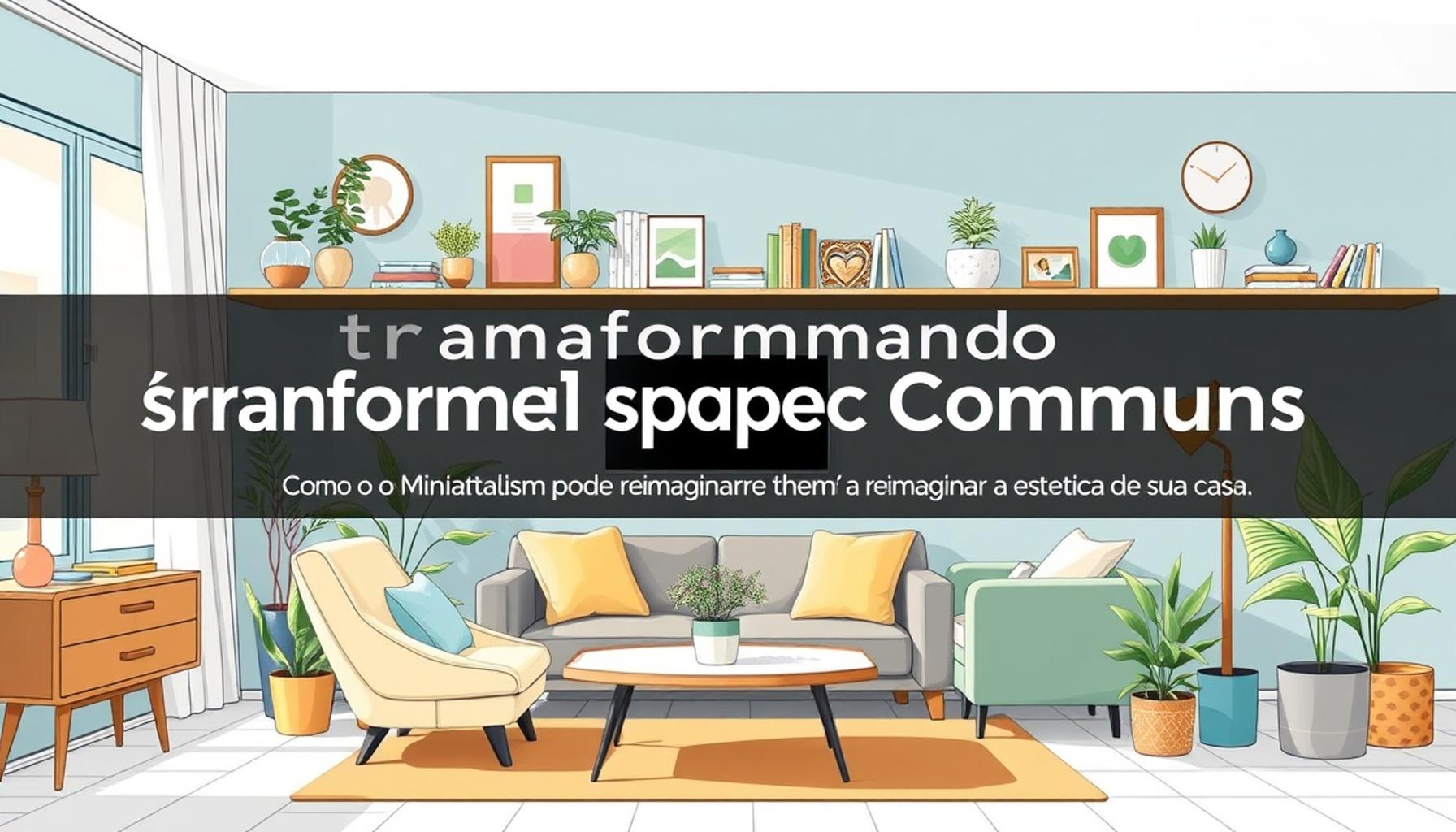
Exploring the Essence of Minimalism in Home Design
In today’s fast-paced world, the concept of minimalism has gained unprecedented popularity. It offers a refreshing escape from clutter, allowing us to create environments that promote peace and functionality. This design philosophy encourages homeowners to strip away the unnecessary and embrace simplicity, leading to an uncluttered and streamlined living space.
At its core, minimalism is not just a design style; it’s a lifestyle shift that emphasizes:
- A focus on necessity, where each item serves a distinct purpose.
- A reduction in excess possessions, promoting a mindset of quality over quantity.
- Maximizing natural light to create an open and inviting atmosphere.
Imagine a home where each item serves a purpose and contributes to a serene atmosphere. For example, consider a living room with a sleek, multifunctional coffee table that offers storage while serving as a centerpiece during family gatherings. In contrast, a cluttered coffee table filled with odds and ends can fragment the visual space and contribute to a chaotic feeling.
Transformation can also be seen in the kitchen. Opting for open shelving instead of bulky cabinets can create an illusion of more space while encouraging you to keep only the essentials. This not only helps to declutter but also showcases beautiful dishware, turning functional items into decor. The bathroom can similarly benefit from minimalist principles; think about floating vanities and concealed storage that allow for a clean and calm atmosphere, turning your daily routines into moments of tranquility.
With a few simple changes, you can achieve a home that feels more spacious and inviting. Implementing functional furniture such as a sofa that converts into a bed or nesting tables that can be tucked away, creates versatility without sacrificing space. Additionally, a neutral color palette creates visual harmony, while intentional decor choices like a single statement piece of artwork or a potted plant can add personality without overwhelming the senses.
As you explore how minimalism can reshape your living environments, consider the psychological benefits alongside the aesthetic appeal. A minimalist approach fosters clarity, reduces stress, and enhances overall well-being. Studies indicate that individuals living in cluttered environments often experience heightened stress levels and decreased focus. By adopting minimalism, you may find your mind as decluttered as your space.
Join us on this journey to discover practical tips and inspiring ideas to reimagine the aesthetics of your home through minimalism, and learn how to enjoy the space you live in fully. Whether through DIY projects, strategic purchases, or simply adopting a mindful living approach, the minimalist lifestyle can lead to a more fulfilling and serene existence.
Embracing Minimalism in Living Areas
When considering the allure of minimalism, the living area often serves as the heart of the home where family and friends converge. Transforming this space begins with a shift in perspective—prioritizing functionality and comfort while eliminating visual distractions. To achieve this, start by identifying pieces that fulfill dual roles. For instance, a stylish yet comfortable sectional can act not only as a seating area but also as a barrier that fosters intimacy and conversation.
Consider adopting the principle of open space. Spaciousness is one of minimalism’s key attributes, enabling you to breathe easier and enjoy tranquility. This can be achieved by:
- Utilizing floating shelves to free up floor space while displaying cherished decor.
- Incorporating modular furniture that can be easily rearranged to suit different occasions.
- Limiting decorative accents to just a few standout pieces that engage the eye without overwhelming the space.
Natural elements can also play a pivotal role in minimalism. Introducing plants can enhance your living area with both color and texture, while also improving air quality. Succulents or small potted trees require little maintenance and can fit comfortably in modern designs. Furthermore, large windows or strategically placed mirrors can maximize natural light, making the area feel expansive and inviting.
The color palette in minimalism is another crucial aspect to explore—opting for neutral hues such as whites, grays, or beiges can create a cohesive look. Accent colors can be included sparingly through accessories like throw pillows or art, providing just enough contrast to enliven the environment. The key is restraint; a limited color scheme contributes to a sophisticated and serene atmosphere.
Transitioning to minimalism in your living areas doesn’t mean sacrificing personality. Rather, it encourages you to curate your surroundings thoughtfully. By focusing on a select number of personal items that resonate with you or tell a story, you not only reduce clutter but also create meaningful moments in your space. A gallery wall with your favorite photographs or an art piece that sparks joy can act as a focal point and conversation starter, enhancing the overall aesthetics of your home.
To further embody minimalist values, evaluate your furniture choices. Are they practical and adaptable? Pieces that can serve multiple functions, such as a coffee table with hidden storage or benches that offer additional seating, can streamline the environment while aiding organization. Such considerations foster not just a visually appealing aesthetic but also contribute to a more sustainable lifestyle by reducing the need for excess furniture.
As you reimagine your common spaces through the lens of minimalism, think about how each decision impacts your daily life. By simplifying your surroundings, you can rediscover the hidden potential of your home—a sanctuary that echoes your values and aspirations.
Embracing Minimalism: The Art of Decluttering
In a world overflowing with possessions and distractions, minimalism serves as a refreshing antidote that emphasizes the beauty of simplicity. This approach encourages individuals to evaluate not just their belongings, but the way they engage with their living spaces. By eliminating clutter, one can create an environment that promotes tranquility and enhances mental clarity. Each piece of furniture, each decorative item, should serve a purpose or evoke positive emotions, leading to a more intentional way of living.
Incorporating Nature: The Organic Aesthetics of Minimalism
Nature plays a pivotal role in minimalist decor. Integrating elements like natural light and indoor plants can significantly improve aesthetics while fostering a sense of well-being. Large windows that invite sunlight create an illusion of spaciousness, while greenery provides a touch of life amidst the simplicity. This concept touches on biophilic design, which forms a crucial part of reimagining aesthetics in our homes.
Color Palettes and Texture: A Subtle Symphony
When discussing minimalism, it’s crucial to highlight the importance of color palettes and textures. Neutral tones often dominate minimalist spaces, as they evoke a sense of calm and serenity. However, incorporating textures, such as woven fabrics or wooden elements, can add warmth without overwhelming the senses. A carefully curated blend of colors and materials informs the overall aesthetic while allowing individual creativity to shine through.
Space Utilization: Functional and Beautiful
Moreover, the idea of functional design plays a significant role in transforming common spaces. Innovative furniture solutions that double as storage can help maintain a clean look, enhancing both functionality and beauty. This not only maximizes available space but also aligns with minimalist principles. By prioritizing function, homeowners can derive greater satisfaction from their surroundings while also promoting a sustainable lifestyle.
| Category | Description |
|---|---|
| Decluttering | Promotes mental clarity by removing unnecessary distractions and fostering tranquility. |
| Natural Elements | Incorporates light and greenery, creating a serene atmosphere that improves well-being. |
Through these thoughtful transformations, minimalist design has the power to rejuvenate common spaces, leading us towards a more beautiful, mindful way of living.
Revamping Kitchens and Dining Spaces
The kitchen and dining area often represent the intersection of functionality and design in a home, making them prime candidates for minimalist transformation. A well-organized kitchen can inspire culinary creativity, while a serene dining environment can enhance shared meals. To embark on this journey, consider the potent philosophy of “less is more.” By reducing visual clutter, you can achieve a more cohesive and spacious feel that invites culinary exploration.
Start by evaluating your kitchen appliances. Many individuals accumulate gadgets that serve one function and are rarely used. Instead, consider keeping only the essentials—such as a quality chef’s knife, a versatile blender, and perhaps a coffee maker—while donating or storing away the rest. This tactic not only frees up counter space but also encourages more mindful cooking practices.
Moreover, opting for integrated appliances can create a streamlined look and feel. Built-in microwaves, dishwashers, and fridges help maintain a uniform aesthetic while allowing for a decluttered countertop. You may also think about using cabinetry that blends with your walls, as this can fortify the minimalist theme and enhance the visual flow of space.
Next, lighting plays a crucial role in creating ambiance within kitchens and dining areas. As opposed to bulky light fixtures that can overwhelm a minimalist setting, consider pendant lights or recessed ceiling fixtures that provide ample illumination without detracting from simplicity. Any light should not only enhance visibility but also embody sleek designs that contribute to openness and tranquility.
Incorporating natural materials can deepen the minimalist aesthetic in these spaces. Wooden countertops or bamboo flooring evoke warmth while maintaining a simple elegance. For dining areas, opting for a solid wood or metal table with clean lines can create a stunning focal point without sacrificing practicality. Accessories such as woven place mats or ceramic serving dishes can add texture, subtly introducing personality without cluttering the space.
The dining experience can also benefit from minimalism. A well-set table doesn’t need excessive decorations; instead, choose a single centerpiece, like a vase of seasonal flowers, to denote the occasion. Keeping dishware uniform adds to the sleek aesthetic; consider switching to a color palette that aligns with the rest of your home. White or dark, matte textures can create a edgy look that aligns seamlessly with minimalism.
In addition, organization systems within kitchens and dining areas can significantly enhance functionality. Use open shelving to display elegant dishware while promoting accessibility. Alternatively, hide frequent-use items behind closed cabinet doors to maintain a clean countertop. Investing in drawer dividers can optimize space while aiding in easy access to utensils and cooking tools. By making everything visually accessible yet orderly, the kitchen’s efficiency will elevate your overall culinary experience.
As you consider transforming your kitchen and dining spaces into minimalist havens, reflect on how you engage with these areas. Creating a serene and functional environment can result in not just a more aesthetically pleasing home but also a more enjoyable atmosphere for cooking and dining. A well-organized and visually pleasing kitchen and dining area can truly stand as a testament to a minimalist lifestyle, fostering both creativity in cooking and bringing people together over shared meals.
Conclusion
In a world often inundated with distractions and clutter, minimalism offers a refreshing perspective for transforming common spaces within our homes. By embracing the philosophy of “less is more,” you can create environments that not only reflect your style but also promote tranquility, functionality, and connection. From reimagining kitchens and dining areas to revamping living spaces, the application of minimalist principles can lead to a rejuvenation of your home’s aesthetic.
It is essential to recognize that minimalism is not just about reducing material possessions; it is a comprehensive approach to design that values quality over quantity and harmony over chaos. The careful selection of furniture, the use of natural materials, and an emphasis on organization can elevate the ambiance, allowing each item to serve a purpose while contributing to an overall cohesive look. In light of these transformations, common spaces become more than just areas for daily activities; they evolve into sanctuaries that foster creativity, mindfulness, and social interaction.
As you embark on your journey to embrace minimalism in your home, consider the emotional responses and experiences that these spaces evoke. By cultivating simplicity, you may find new joy in your surroundings, leading to a more fulfilling lifestyle. Whether through the strategic decluttering of your kitchen or a thoughtful redesign of your living room, the diverse avenues of minimalist aesthetics promise enriched living experiences. Ultimately, the question remains: how will you choose to transform your common spaces and embrace the minimalist ethos in your home? Explore, experiment, and discover the beauty that simplicity can unveil.

Linda Carter is a writer and organization expert specializing in minimalism and personal organization. With extensive experience helping individuals create clutter-free, functional spaces and adopt mindful habits, Linda shares her knowledge on our platform. Her goal is to empower readers with practical advice and strategies to simplify their lives, stay organized, and achieve a sense of calm and balance in their daily routines.