The Science Behind Sunscreens: What You Need to Know for Effective Protection

Understanding Sunscreen: The Science Behind Protection
Total exposure to sunlight can significantly jeopardize skin health, leading to serious damage that increases the risk of skin cancer and contributes to premature aging. The necessity of incorporating sunscreen into daily skincare routines cannot be overstated; however, there is often a lack of understanding regarding how these products function to protect our skin. Let’s delve into the essential facts about sunscreens that every consumer should be well-acquainted with.
Active Ingredients
Sunscreens utilize various active ingredients to shield the skin from harmful ultraviolet (UV) rays. The most notable chemical filters include oxybenzone and avobenzone. Oxybenzone absorbs UV rays and converts them into heat, which is then released from the skin. Avobenzone, on the other hand, provides broad-spectrum protection, particularly against UVA rays that contribute to skin aging and cancer. It is essential to note that wax-based physical blockers, like zinc oxide, reflect UV rays off the skin’s surface, making them a preferred choice for sensitive skin types.
Broad Spectrum Coverage
When selecting a sunscreen, look for those labeled as “broad spectrum.” This designation indicates that the product offers protection against both UVA and UVB rays. UVA rays penetrate deeper into the skin and are chiefly responsible for aging, while UVB rays cause sunburn and are the primary contributors to skin cancer. A broad-spectrum sunscreen effectively shields against both, providing comprehensive skin protection and reducing the risk of long-term skin damage.
Understanding SPF Ratings
The Sun Protection Factor (SPF) is a crucial element in determining a sunscreen’s effectiveness. SPF indicates the amount of time you can theoretically spend in the sun without getting burned compared to wearing no sunscreen at all. For example, an SPF of 30 allows you to stay in the sun 30 times longer than you could without protection. However, it’s vital to consider personal factors such as skin type, activity level, and environmental conditions. For instance, individuals with fair skin may need a higher SPF than those with darker skin tones.
Application Matters
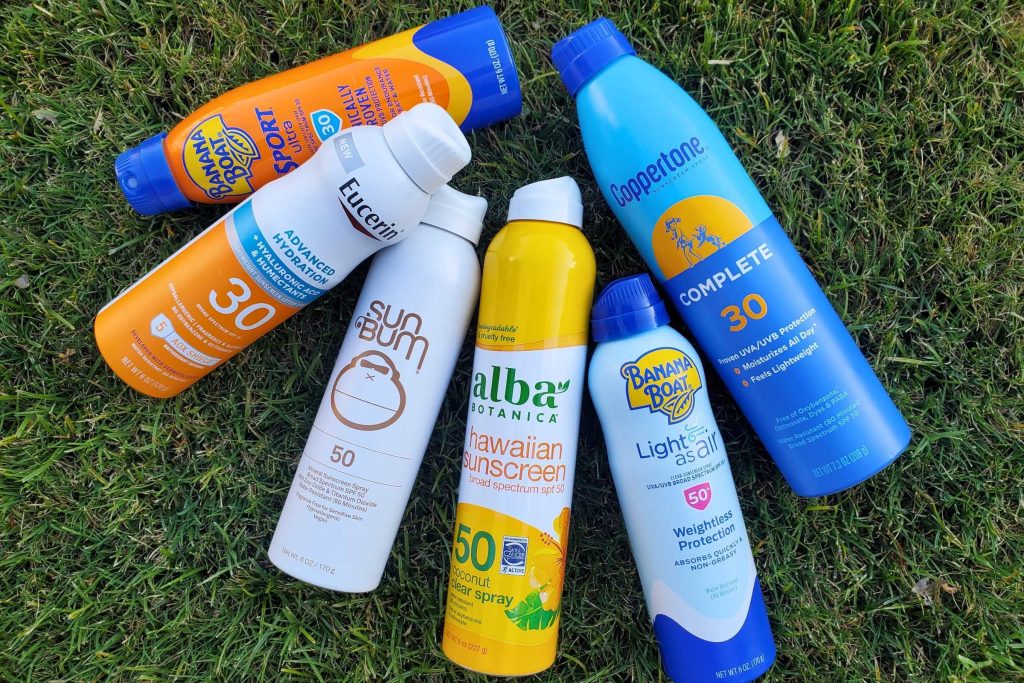
Even the best sunscreens can fail if not applied correctly. Research shows that many Americans apply sunscreen inadequately and sparingly. To achieve the protection indicated on the label, it’s recommended to use around an ounce—about a shot glass worth—every two hours, or more frequently if swimming or sweating. Additionally, understanding your local environment can influence effectiveness; for example, UV rays can be intensified by reflective surfaces like water, sand, or concrete.
Conclusion: Knowledge is Key
Getting familiar with these critical aspects of sunscreen can transform your approach to sun protection. With the right ingredients, application methods, and a comprehensive understanding of SPF and broad spectrum labeling, you can significantly enhance your skin’s health and longevity. As sunscreen remains an essential component of every skincare routine, a little bit of knowledge goes a long way in safeguarding your skin against the sun’s relentless rays.
DISCOVER MORE: Click here for amazing DIY hair treatments
The Different Types of Sunscreens
Choosing the right sunscreen can often feel overwhelming, especially with the variety of products available on the market. However, understanding the distinct types of sunscreens can simplify the selection process. Primarily, sunscreens are categorized into two main types: chemical sunscreens and physical (or mineral) sunscreens.
Chemical Sunscreens
Chemical sunscreens contain organic compounds that absorb UV radiation, converting it into heat and releasing it from the skin. Common active ingredients in these formulations include oxybenzone, octisalate, and octocrylene. While chemical sunscreens are often lauded for their lightweight texture and ease of application, consumers should remain cautious. Some ingredients, like oxybenzone, have faced scrutiny over potential hormonal disruptions and environmental effects, particularly concerning coral reefs. As a result, many individuals are opting for safer alternatives.
Physical (Mineral) Sunscreens
In contrast, physical sunscreens, commonly composed of zinc oxide or titanium dioxide, work by forming a barrier on the skin’s surface that reflects and scatters UV radiation. This type of sunscreen is generally recommended for sensitive skin and for use on children due to its minimal irritation potential and immediate effectiveness upon application. Unlike their chemical counterparts, physical sunscreens often provide broad-spectrum protection without the concern of skin absorption of active ingredients.
How Sunscreens Work with Your Skin’s Needs
Understanding how your skin interacts with these different types of sunscreens is essential for effective protection. Here are several factors to consider:
- Skin Type: Those with oily skin may prefer gel-based chemical formulations to avoid a greasy feel, while dry skin types might benefit from cream-based physical sunscreens.
- Skin Sensitivity: If you have sensitive skin, physical sunscreens are often a safer choice, as they have fewer irritating chemicals.
- Activity Level: When engaging in water sports or sweating heavily, opt for water-resistant formulations that ensure protection even in intense conditions.
- Ingredients to Avoid: Certain fragrances, preservatives, and parabens found in chemical sunscreens can cause allergic reactions; always check ingredient lists for potential irritants relevant to your skin.
By tailoring sunscreen choices to your specific skin needs and preferences, you can maximize the protective benefits. Remember that effective sun protection isn’t merely a summer activity; it’s a year-round necessity, even on cloudy days, as UV rays can still penetrate through clouds and cause skin damage. With to ensure your skin is adequately protected, vigilance and a conscious selection of sunscreen play an indispensable role in safeguarding against the sun’s harmful effects.
| Category | Details |
|---|---|
| Physical Sunscreens | Contain zinc oxide or titanium dioxide, providing immediate protection by reflecting UV rays. |
| Chemical Sunscreens | Absorb UV radiation through chemical ingredients like avobenzone and octisalate, converting it into heat. |
| Application | Proper application is crucial; apply generously 15-30 minutes before sun exposure for peak efficacy. |
| Reapplication | Reapply every two hours or after swimming/sweating, as this maintains protective benefits. |
Understanding the science behind sunscreens is essential for making informed decisions about personal sun protection. Physical sunscreens are renowned for their immediate protective qualities, making them suitable for those with sensitive skin. In contrast, chemical sunscreens might appeal more to users due to their lightweight feel and ease of application. Exploring the differences in ingredients not only contributes to effective sun protection but also enhances overall skin health by understanding how various formulations interact with our skin. Proper application and timely reapplication are pivotal in maintaining effectiveness, thereby allowing us to enjoy outdoor activities while minimizing the risk of skin damage.
DIVE DEEPER: Click here to discover the perfect hair treatment for your type
Understanding SPF and Broad-Spectrum Protection
When it comes to sunscreens, the Sun Protection Factor (SPF) is often the first feature consumers look for. SPF indicates the level of protection a sunscreen offers against UVB rays, the primary culprits behind sunburn and skin cancer. For instance, a sunscreen with SPF 30 blocks approximately 97% of UVB rays, whereas SPF 50 blocks about 98%. It’s essential to recognize that no sunscreen can provide 100% protection, making it crucial to complement sunscreen use with other protective measures, such as wearing hats and clothing.
What SPF Really Means
The SPF value is calculated based on how long it takes for skin to redden when using the product compared to how long it takes without sunscreen. For example, if it typically takes 10 minutes for your skin to burn without protection, an SPF 30 sunscreen would theoretically allow you to be in the sun for 300 minutes before burning (30 times longer). However, this is an oversimplification; individual factors, including skin type, time of day, and environmental conditions, can significantly influence this one-dimensional calculation.
Broad-Spectrum Protection
Beyond SPF, it’s critical to pay attention to the term “broad-spectrum”. This designation indicates that the product protects against both UVA and UVB rays. UVA rays penetrate deeply into the skin, leading to premature aging and increasing the risk of skin cancer. Products labeled “broad-spectrum” are essential for offering comprehensive protection, ensuring users are shielded from both forms of UV radiation.
- UVA and Skin Damage: While UVB rays are responsible for sunburn, UVA rays can damage skin at a cellular level, potentially leading to long-term consequences, including skin cancers and collagen breakdown.
- Environmental Conditions: Factors such as altitude or proximity to water can increase UV radiation exposure. For instance, UV levels increase by around 4% for every 1,000 feet of elevation, while water can reflect up to 10% of UV rays. Even sitting under an umbrella or beside a pool doesn’t guarantee total protection.
Reapplication: The Key to Maintaining Protection
A common misconception is that applying a sunscreen once is sufficient for the entire day. In reality, reapplication is critical to maintain adequate protection, particularly after sweating, swimming, or towel drying. Dermatologists recommend reapplying sunscreen every two hours, or more frequently if you’re engaging in outdoor activities or have sensitive skin. For maximum effectiveness, make sure to apply a sufficient amount; a shot glass’s worth (about one ounce) is generally considered the appropriate amount for covering an adult’s entire body.
With increasing awareness about the importance of sun protection, new formulations are emerging that cater to specific needs, such as water-resistant, sweat-proof options, or those infused with antioxidants. These advancements allow consumers to choose products that suit their lifestyle and provide effective protection without compromising on comfort or feel. As ongoing research continues to unveil more about UV radiation and its effects on skin health, being informed and selective about sunscreen choices will remain integral in the pursuit of radiant, protected skin.
DISCOVER MORE: Click here for eco-friendly hair treatment options
Conclusion: Safeguarding Your Skin with Knowledge
As we delve deeper into the science behind sunscreens, it becomes clear that effective sun protection is not merely about choosing high SPF products. Understanding SPF values and seeking out broad-spectrum formulations are essential steps in ensuring comprehensive coverage against both UVA and UVB rays. This awareness can aid in preventing skin damage that could lead to serious long-term health consequences, such as skin cancer and premature aging.
Moreover, the importance of reapplication cannot be overstated. Sunscreen must be seen as a vital part of your skincare routine, requiring consistent application throughout the day to maintain its efficacy, especially during prolonged sun exposure. Embracing innovative formulations designed for various lifestyles only enhances the protection available, empowering consumers to safeguard their skin effectively.
In an age where information is more accessible than ever, it is crucial to equip ourselves with knowledge about sun safety. This includes understanding how environmental factors influence UV exposure and recognizing that no single product offers complete protection. Exploring additional protective measures, such as hats, seeking shade, and modifying sun exposure habits, is equally important.
Ultimately, making informed decisions about your sunscreen can significantly impact your skin health and overall well-being. As research continues to advance our knowledge of UV radiation’s effects, staying informed and proactive about sun protection should remain paramount. Remember, your skin deserves the best defense against the sun’s harmful effects—be diligent, be educated, and let that knowledge guide your choices.