
The Role of Outdoor Activities in Enhancing Well-Being
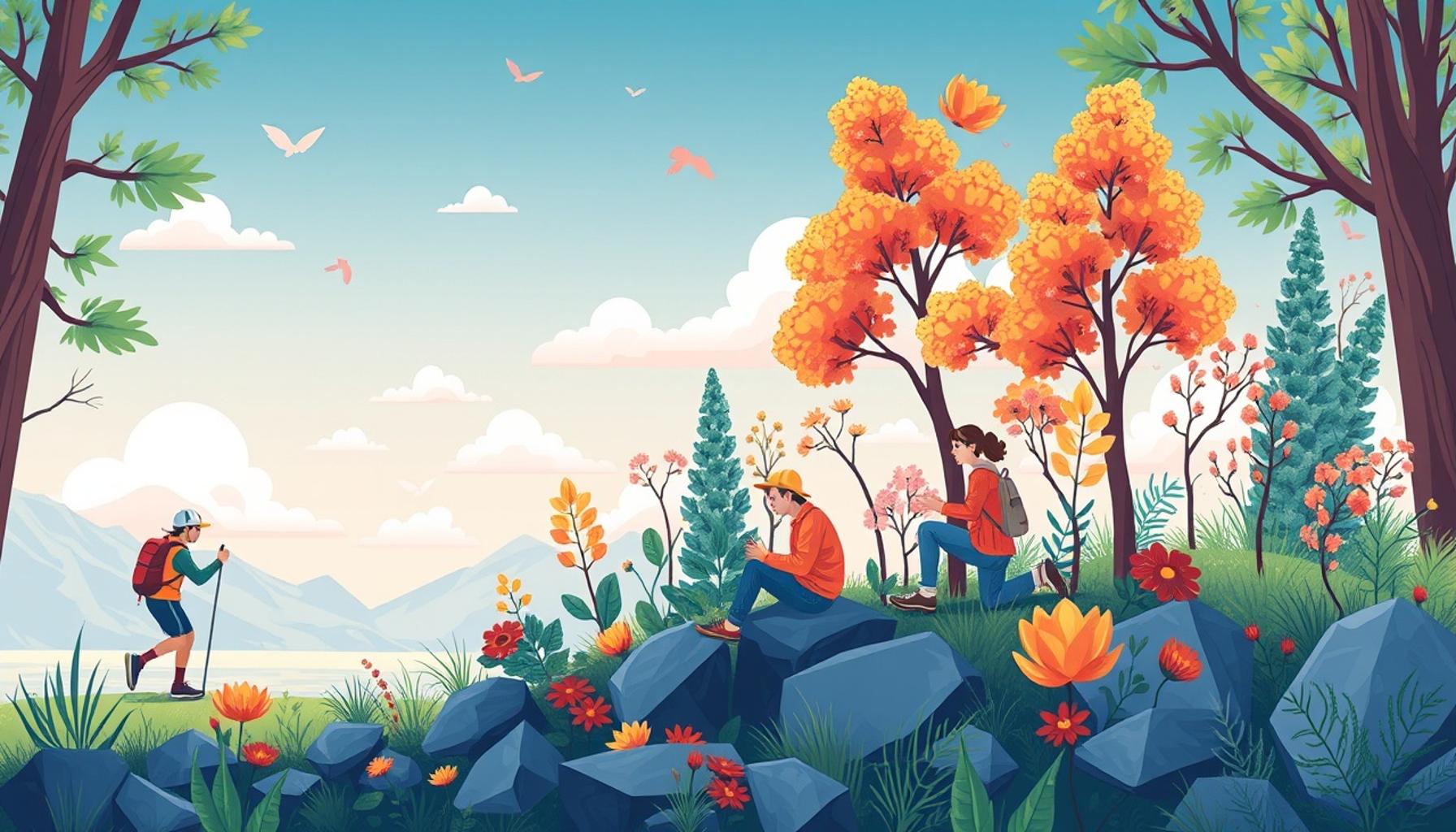
A Closer Look at the Benefits of Outdoor Activities
Engaging in outdoor activities has become increasingly vital as we navigate the complexities of modern life, filled with digital distractions and sedentary lifestyles. Stepping into nature not only offers a break from the hustle and bustle of daily life but also serves as a powerful antidote to many health issues plaguing society today. The benefits of outdoor activities are multifaceted, impacting both mental and physical well-being.
Improving Mental Health
The connection between spending time in nature and mental health is striking. Research indicates that exposure to natural environments helps lower levels of cortisol, a hormone associated with stress. For instance, a study conducted by researchers at the University of Utah found that participants who spent time hiking saw a significant reduction in anxiety levels. This natural remedy for stress can be as simple as a walk in the neighborhood park or a leisurely stroll on a hiking trail. Activities like mindfulness meditation in nature can further enhance these benefits, encouraging a sense of peace and relaxation.
Boosting Physical Fitness
When it comes to physical health, outdoor activities like hiking, cycling, and jogging offer unparalleled benefits. These activities not only promote cardiovascular health but also build strength and flexibility. For example, hiking the scenic trails of national parks like Yellowstone or Yosemite can be both a challenging workout and an awe-inspiring experience that encourages you to return. Similarly, cycling on designated trails allows for an enjoyable way to get your heart rate up while exploring scenic vistas. Engaging with the outdoors makes fitness feel less like a chore and more like a pleasurable escape.
Enhancing Social Connections
Outdoor activities can also play a vital role in fostering social connections. Participating in group activities, whether it’s a community clean-up, group hike, or team sports, can create lasting bonds between individuals. These social interactions not only enhance individual well-being but also contribute to a sense of belonging within a community. Taking part in local events like farmer’s markets or outdoor concerts can further enhance these connections, fostering relationships that can support mental and emotional health.
Moreover, extensive studies show that just a few minutes spent outdoors can lead to immediate improvements in mood and energy levels. This emphasizes the importance of integrating outdoor activities into daily routines. Access to parks, trails, and recreational facilities in cities across the United States—like the famed Central Park in New York City or the expansive Golden Gate Park in San Francisco—serves as an essential resource for residents looking to boost their outdoor engagement.
By exploring local surroundings or seeking out nature reserves, individuals can unlock a treasure trove of benefits. From enhanced physical fitness to improved mental health and stronger social ties, the advantages of outdoor activities are profound and significant. So, don’t hesitate to step outside; the simple act of embracing the outdoors can set you on a path toward better health and a more fulfilling life. Embrace the experiences waiting just outside your door!
Shaping a Healthier Lifestyle Through Nature
As society continues to grapple with rising health concerns, the integration of outdoor activities into our daily lives can be a proactive approach to enhancing overall well-being. Beyond just an escape from the indoor routines, outdoor engagement provides essential benefits that are pivotal to both mental and physical health. The transformative power of nature plays a crucial role in shaping healthier lifestyles by encouraging wholesome habits and fostering an appreciation for our environment.
Navigating the Impact of Nature on Well-Being
The idea of connecting with nature is more than just a passing trend; it is backed by extensive psychological research. Nature exposure has far-reaching effects on emotional resilience. A notable study conducted by researchers in the UK indicated that individuals who spent time in green spaces reported higher levels of happiness and contentment compared to those who remained indoors. This correlation accentuates the profound role that natural surroundings play in managing mood and reducing feelings of depression.
Variety of Outdoor Activities for Everyone
Outdoor activities come in numerous forms, each catering to different lifestyles and interests. For those looking to spice up their routine, various options can be adopted. Examples of popular outdoor activities include:
- Hiking: Navigating trails not only offers a physical challenge but also immerses participants in breathtaking landscapes, creating memorable experiences.
- Biking: Whether it’s leisurely rides through parks or challenging mountain trails, cycling serves as an exhilarating way to enhance cardiovascular fitness.
- Yoga in Nature: Combining traditional yoga practice with the tranquility of the outdoors can deepen relaxation and improve flexibility.
- Gardening: A rewarding way to connect with the earth and cultivate plants, gardening has been shown to lower anxiety levels and enhance physical activity.
Moreover, outdoor activities encourage innovations in how we perceive physical exercise. Parks and recreational areas across the United States, such as Red Rock Canyon in Nevada or the Blue Ridge Parkway in North Carolina, provide opportunities not only for fitness but also for social adventures, transforming solitary exercises into collaborative experiences. This communal aspect enhances motivation and engagement, which are critical components for maintaining a healthy lifestyle.
The Ripple Effect of Outdoor Engagement
Participating in outdoor activities can ignite a ripple effect, initiating positive changes that extend beyond individual health. As individuals cultivate their appreciation for the outdoors, they often become more environmentally conscious, advocating for conservation and sustainable practices. Thus, spending time engaged in outdoor activities not only contributes to personal growth but also ignites a collective responsibility toward preserving the planet.
In summary, embracing outdoor activities is essential for enhancing well-being. As individuals begin to incorporate these elements into their everyday lives, they set on a transformative journey filled with physical vigor, emotional stability, and a stronger bond with the natural world. This multifaceted approach to health and happiness underscores the significance of reconnecting with nature in an era dominated by technology and urban stressors. The next steps towards a healthier you may very well be waiting just outside your door.
The Role of Outdoor Activities in Enhancing Well-Being
Outdoor activities play a pivotal role in enhancing well-being, with an array of benefits that extend far beyond mere physical fitness. Engaging in nature not only rejuvenates the body but also invigorates the mind, fostering psychological resilience and emotional stability. Research shows that spending time outdoors can significantly reduce stress levels, as the sights, sounds, and smells of nature promote relaxation and tranquility.One intriguing aspect is how outdoor activities, such as hiking, cycling, and gardening, can facilitate social connections. Group activities encourage bonding and camaraderie, which can combat feelings of loneliness and isolation. Moreover, the act of sharing experiences in a natural setting often leads to the formation of long-lasting friendships and a supportive community network.Furthermore, outdoor activities have been linked to improved cognitive function. Studies indicate that regular engagement in physical activity outdoors can enhance concentration, creativity, and problem-solving skills. Nature acts as a natural stimulant for the brain, allowing for clearer thinking and greater productivity.In addition to psychological and cognitive benefits, the physical advantages are undeniable. Outdoor activities contribute to cardiovascular health, improved muscle tone, and better overall fitness. The exposure to sunlight helps in the synthesis of Vitamin D, which is crucial for bone health and immune function, thus laying the groundwork for overall well-being.As more individuals seek a holistic approach to health, understanding the profound impact of outdoor activities becomes increasingly essential. The beauty of nature offers a transformative experience that not only nurtures the body but also revitalizes the spirit, encouraging a harmonious balance between mental and physical health.
| Benefits | Aspects |
|---|---|
| Stress Reduction | Nature’s environment creates a calming atmosphere. |
| Social Connections | Group activities promote bonding and friendships. |
| Cognitive Improvement | Enhances concentration, creativity, and problem-solving. |
| Physical Health | Supports cardiovascular health and fitness levels. |
Fostering Social Connections Through Outdoor Engagement
One of the often-overlooked benefits of outdoor activities is their ability to foster social connections. In a digital age where online interactions have become the norm, engaging in outdoor sports and recreational activities provides a refreshing opportunity to establish real-world relationships. From team sports such as soccer and volleyball to group hiking excursions, outdoor settings create a canvas for social bonding. A study by the American Journal of Preventive Medicine found that individuals participating in outdoor group activities are more likely to develop meaningful friendships, significantly boosting their social well-being.
The Therapeutic Nature of Outdoor Spaces
The impact of nature on mental health is profound. Urban areas often lack sufficient green spaces, which can lead to elevated stress levels and anxiety. Urban dwellers who access parks and natural settings regularly report decreased stress levels and enhanced mood. Programs like TreePeople in Los Angeles focus on urban forestry, encouraging community participation in planting trees, which not only beautifies neighborhoods but also creates a sense of belonging among participants. Nature serves as a natural therapist, promoting relaxation and providing a sanctuary away from the frenetic pace of urban life.
Adventure Activities and Their Psychological Benefits
The realm of outdoor adventures, such as rock climbing, kayaking, or zip-lining, offers unique psychological benefits that are worth noting. Engaging in these exhilarating activities can lead to the release of endogenous endorphins, often referred to as the body’s natural painkillers. This biochemical response not only alleviates physical discomfort but also contributes to an enhanced sense of well-being. A report from the Adventure Travel Trade Association highlights that participants in adventure sports often experience increased self-esteem and confidence, encouraging them to take on new challenges both outdoors and in other areas of life.
Outdoor Family Activities as a Catalyst for Health
Engaging families in outdoor activities can also have a lasting impact on health. Family-oriented events, from camping trips to local park games, encourage togetherness while instilling healthy habits in children. Programs like National Park Service’s Every Kid Outdoors initiative are designed to bring families together, motivate children to explore the natural world, and create lasting memories. Not only do these activities reduce the likelihood of childhood obesity, but they also promote emotional bonding and communication among family members, essential components for mental health and overall happiness.
Outdoor Engagement in the Age of Technology
Ironically, in a tech-driven era where screen time is at an all-time high, outdoor activities serve as a counterbalance—offering a much-needed detox from digital distractions. Research indicates that nature-based grounding experiences actively lower risks associated with prolonged screen exposure, such as eye strain and disrupted sleep cycles. Choosing outdoor activities like jogging in a park or practicing mindfulness in nature can facilitate this necessary reset and rejuvenation, ultimately enhancing mental clarity and focus.
As individuals and families navigate this modern landscape, the benefits of connecting with the outdoors continue to resonate. Outdoor activities not only bolster physical and mental health but also cultivate a deeper understanding of community, environmental stewardship, and personal fulfillment.
Conclusion: The Comprehensive Benefits of Outdoor Activities
In summary, the importance of outdoor activities in enhancing well-being cannot be overstated. From physical fitness to mental health, social bonding, and community engagement, the myriad benefits of immersing ourselves in nature extend far beyond mere recreation. As highlighted throughout this article, participation in outdoor activities promotes not only individual health but also contributes significantly to social cohesion and community dynamics. This is especially crucial in today’s fast-paced, technology-driven world where genuine interpersonal connections can often feel elusive.
Furthermore, the therapeutic nature of outdoor spaces presents a vital antidote to stress and anxiety, advocating for increased accessibility to green areas in urban environments. Initiatives like tree planting and family-oriented programs emphasize the communal aspect of outdoor experiences, fostering a deeper sense of belonging and shared purpose. Importantly, engaging in adventure sports not only releases endorphins but also builds self-confidence, encouraging individuals to embrace both challenges and opportunities in all facets of life.
As we navigate through the complexities of modern living, it becomes imperative to prioritize outdoor activities as a key component of healthy lifestyles. With data supporting their benefits, embracing the great outdoors presents a straightforward yet profound means to nurture our mental and physical health while cultivating stronger communities. As we reflect on our routines, let us integrate more nature-filled moments into our lives, harnessing the true power of outdoor engagement to elevate our overall well-being. Together, we can redefine the narrative around health in an increasingly disconnected digital landscape.