The Role of Community Sports in Fostering Healthy Relationships and Physical Fitness
Connecting Through Local Athletic Initiatives
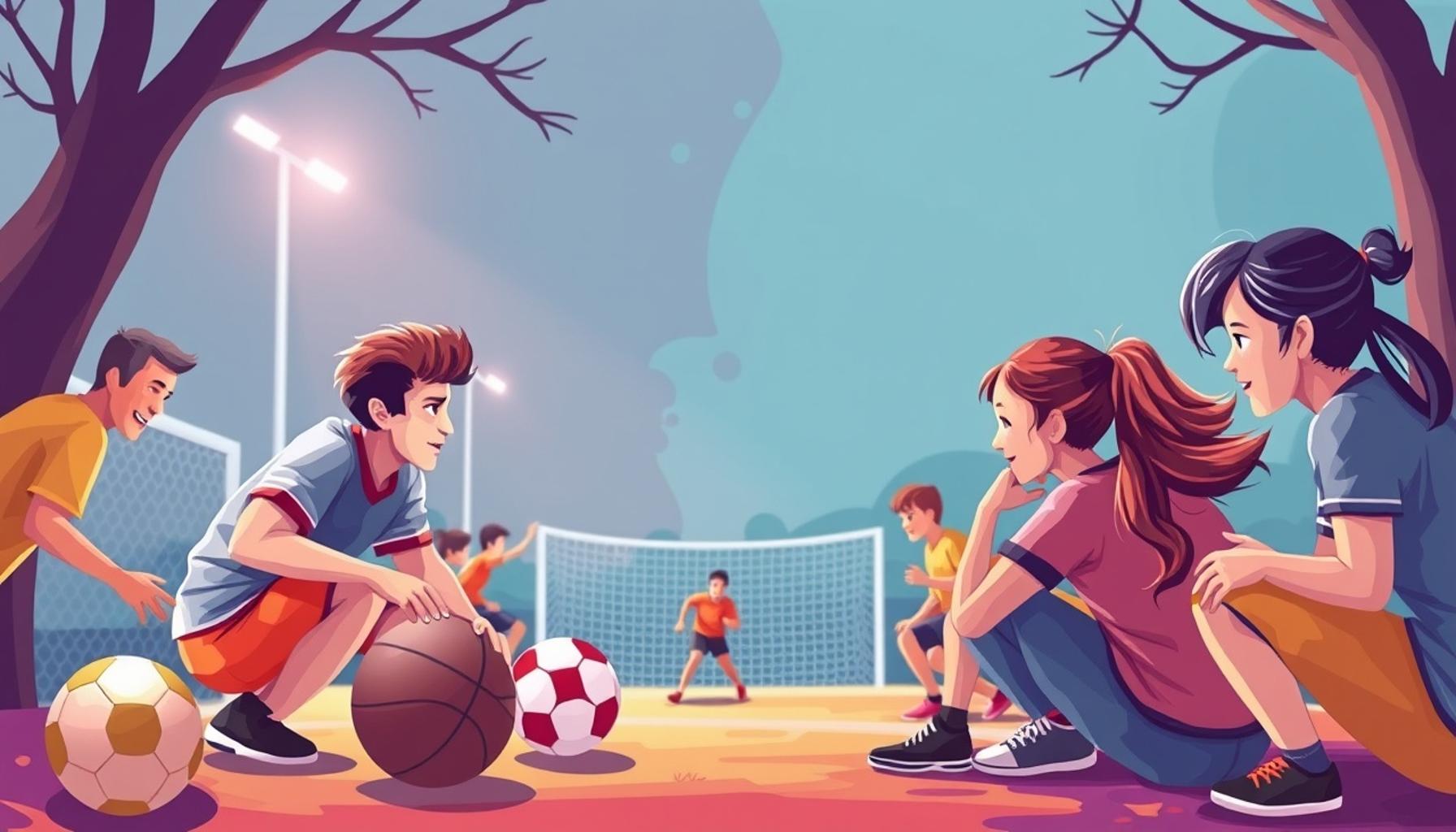
In the hustle and bustle of modern life, our sense of community often gets overshadowed by the demands of personal and professional commitments. This is where community sports come into play, serving as an essential avenue for connection and cohesion among individuals. With people from various walks of life coming together, these local initiatives not only kickstart conversations but also build lasting friendships that enrich our social fabric. For instance, neighborhood basketball leagues or soccer clubs can draw together families from different cultural backgrounds, creating a communal spirit that fosters understanding and unity.
Participating in community sports has far-reaching benefits that extend beyond mere physical activity. Here are a few noteworthy advantages:
- Physical Health: Engaging in sports regularly can significantly enhance cardiovascular health, increase muscle strength, and boost overall stamina. For example, numerous studies indicate that youth who participate in sports have a reduced risk of obesity-related illnesses, promoting healthier lifestyles.
- Social Engagement: Team sports pave the way for camaraderie and collective achievement. From high-fiving teammates after a good play to supporting each other through losses, athletes learn the importance of collaboration.
- Emotional Wellbeing: The physical activity associated with sports acts as a natural stress reliever. Studies reveal that individuals who participate in sport experience lower levels of anxiety and improved mood, enhancing overall mental health.
- Life Skills Development: Through engaging in community sports, individuals learn valuable life skills such as resilience, leadership, and effective communication. For instance, captains of youth soccer teams often learn to inspire their peers, paving the way for strong leaders in their future endeavors.
The impact of community sports transcends physicality, providing unique opportunities for social inclusion. Leaders in the field have identified that these programs can serve as a powerful tool for:
- Inclusion: Community sports welcome participants of all ages, abilities, and backgrounds, helping to mitigate social barriers. For instance, inclusive basketball leagues have been implemented in various cities, allowing individuals with disabilities to engage and thrive in competitive sports.
- Support Networks: These sports often create deep bonds among participants, leading to lasting friendships and mentorship opportunities. It’s not uncommon for community sports clubs to become a second family for many individuals.
- Opportunities: Local sports initiatives provide a platform for discovering hidden talents and nurturing the potential within individuals. Many well-known athletes have roots in local leagues, highlighting that grass-roots efforts can lead to extraordinary achievements.
As we further explore the impact of these interactions through community sports, we uncover how they not only cultivate healthy relationships but also encourage individuals to embrace a more active lifestyle. The engaging atmosphere of community sporting events embodies a unique blend of connection and fitness, inviting everyone—from avid athletes to casual participants—to take part in a journey of fun, friendship, and personal development. By embracing these opportunities, individuals can foster a culture of health and camaraderie that ultimately benefits entire communities.
DISCOVER MORE: Click here to dive deeper
Building Connections Through Active Participation
Community sports offer more than just a chance to lace up a pair of sneakers; they serve as a vital conduit for individuals to form meaningful connections and foster a sense of belonging. At its core, community sports create an inclusive environment where individuals can engage in activities that challenge them physically while simultaneously promoting social interaction. From neighborhood softball leagues to youth soccer teams, these programs are designed to bring people together, emphasizing teamwork, respect, and shared goals.
The social dynamics within community sports are particularly noteworthy. Team sports, in particular, teach participants valuable lessons in cooperation and mutual respect. Whether it’s working together to score a goal or strategizing during a game, players learn the importance of collaboration. This nurturing environment is essential, as it not only boosts individual confidence but also lays the groundwork for long-term friendships. Consider local bowling teams or dodgeball clubs where the laughter and cheering encourage participants to come back week after week, solidifying their social bonds.
Furthermore, community sports have the power to unite generations. Events like neighborhood charity runs or family-friendly sports days foster intergenerational connections, enabling young athletes to learn from the experiences of older mentors. This crossover of age groups is crucial in building a cohesive community, as older participants can share wisdom, while younger athletes bring an infectious enthusiasm to practice sessions and games. Together, they form networks of support that enhance emotional wellness and facilitate personal growth.
In addition to enhancing interpersonal relationships, community sports actively contribute to physical fitness in several significant ways:
- Regular Exercise: Participation in community sports encourages individuals to engage in consistent physical activity, reducing the risk of chronic diseases such as heart disease, diabetes, and obesity. Programs that promote outdoor sports, like running clubs or hiking groups, attract health-conscious individuals eager to maintain an active lifestyle.
- Motivation and Accountability: The collective spirit inherent in community sports fosters a sense of accountability. Participants are more inclined to attend practice sessions or games when they know teammates are relying on them. This support system promotes adherence to fitness goals and encourages a routine that can have lasting benefits.
- Variety of Activities: Community sports offer diverse options for engagement, catering to different interests and fitness levels. From swimming to martial arts, these initiatives allow participants to find activities they genuinely enjoy. Such variety ensures that physical activity remains fun rather than a chore.
- Accessibility: Community sports are typically more affordable and accessible than private fitness programs or gym memberships. Local organizations often provide equipment and facilities, creating opportunities for all community members, regardless of their economic background, to participate in sports.
By diving deeper into the dynamics of community sports, we unearth a treasure trove of benefits that extend far beyond the physical realm. These initiatives contribute significantly to nurturing healthy relationships and promoting a culture of fitness that resonates throughout entire communities. As more individuals engage in such activities, the ripple effect enhances both personal and communal wellness, resulting in improved social health and enriched lives for all participants.
The Role of Community Sports in Fostering Healthy Relationships and Physical Fitness
Community sports play a pivotal role in fostering not only physical fitness but also in building strong social bonds among participants. Engaging in local sports teams or leagues creates a sense of belonging that transcends age, race, and background. By participating together, individuals develop vital interpersonal skills such as teamwork, cooperation, and communication, which are essential in cultivating healthy relationships.Moreover, community sports create opportunities for social interaction outside of the competition. Whether it’s through organized practices, fundraising events, or local tournaments, participants have numerous chances to form friendships. This sense of camaraderie not only enhances the sporting experience but can lead to long-lasting connections that extend beyond the field.The physical aspect of community sports cannot be understated. Regular participation encourages a more active lifestyle; studies show that those involved in community sports tend to engage in physical activity more frequently, thus improving overall health and fitness. This aligns with public health goals aimed at reducing obesity and related health issues. Additionally, community sports foster inclusiveness and diversity, providing platforms for individuals to come together in a supportive environment. This can be particularly important for marginalized groups who may feel isolated. By uniting individuals through shared physical activities, community sports can effectively bridge gaps in social divides, promoting inclusion and mutual respect.As community sports evolve, there’s also a growing emphasis on mental health benefits. Engaging in physical activities as a community can alleviate stress, anxiety, and depression. The active lifestyle promotes the release of endorphins—natural mood lifters—which can improve overall well-being. The supportive environment prevalent in team sports contributes to a mental health boost, illustrating that health involves not just our physical state but our emotional resilience as well.Ultimately, the engagement in community sports does more than just enhance physical fitness; it builds a foundation of healthy relationships and a stronger community. Those who participate are likely to live more fulfilling lives, contributing to a vibrant community pulse that benefits all members.
| Advantages of Community Sports | Key Features |
|---|---|
| Increased Social Connection | Facilitates friendships through team collaboration |
| Physical Health Improvement | Regular activity combats obesity and enhances fitness |
Engaging in community sports initiatives not only promotes fitness but also offers a robust framework for establishing meaningful connections, showcasing the multifaceted impact these activities can have on society.
DISCOVER MORE: Click here to learn about the effects of caffeine and alcohol on your sleep
Strengthening Community Bonds Through Shared Experiences
Community sports are instrumental in enhancing not only individual well-being but also the overall fabric of society. They create a platform for shared experiences that elevate community cohesion. The essence of sport often transcends mere competition; it fosters camaraderie among participants, volunteering parents, coaches, and even local businesses that sponsor events. Activities such as outdoor yoga classes in local parks or weekend basketball tournaments become social gatherings that unite people and create a collective identity.
An interesting phenomenon observed in many towns is the role of community sports in driving local economic growth. Events such as youth soccer tournaments or community marathons attract participants and their families from outside the area, stimulating the local economy. Restaurants, hotels, and shops experience increased patronage, creating a win-win situation for businesses and participants alike. The economic benefits extend to community investment in sports facilities, ensuring that infrastructure is continually upgraded and maintained, thus improving the overall health and quality of life for residents.
Moreover, community sports activities can act as a platform for promoting inclusivity and diversity. For instance, leagues that emphasize co-ed participation or cater to individuals with disabilities demonstrate how sports can bridge cultural and generational divides. Programs such as the Special Olympics and community adaptive sports initiatives not only allow everyone to participate but also spotlight the importance of empathy and respect. These experiences foster a shared understanding of diverse backgrounds and life challenges, forging strong connections among participants.
In addition to building relationships, participation in community sports has profound impacts on mental health. Physical activity is proven to release endorphins, often referred to as “feel-good” hormones, which can alleviate stress and anxiety. An article published by the American Psychological Association highlights that engaging in physical exercise within a community setting significantly enhances mental well-being. Coupled with the camaraderie of team sports, individuals experience decreased feelings of isolation and increased overall happiness.
Furthermore, the role of coaches and mentors within these sports communities cannot be overstated. Experienced coaches are pivotal in teaching not just the technical aspects of the game but also life skills such as discipline, resilience, and goal-setting. Programs like Little League Baseball or community swim teams often have seasoned volunteers who shape young athletes not only into better players but also into well-rounded individuals prepared to tackle life’s challenges. Through guidance and support, these mentors play a vital role in establishing trust and respect among community members.
Given the extensive reach of community sports, local governments and organizations are increasingly promoting physical activity as a critical component of public health initiatives. Local parks and recreation departments frequently offer various programs to encourage participation, such as free workshops, fitness challenges, and community clean-up days that unite participants in a common cause. Such initiatives stimulate awareness around health and wellness, emphasizing the need for an active lifestyle while cultivating strong social networks.
As we delve deeper into the transformative power of community sports, it becomes increasingly clear that the benefits extend far beyond the playing field. By serving as a catalyst for relationship-building, mental wellness, and economic vitality, community sports encapsulate a holistic approach to enhancing overall community health and fostering an environment rich in connection and shared purpose. Each game played, every practice attended, becomes a thread that weaves individuals into the broader fabric of society, driving both personal and collective improvement.
DISCOVER MORE: Click here to learn about the advantages of outdoor activities
Conclusion: A Foundation for Healthy Communities
In summary, community sports play a vital role in fostering healthy relationships and promoting physical fitness, ultimately enhancing the quality of life for individuals and families alike. The connection forged through shared activities not only cultivates a sense of belonging but also nurtures important life skills that extend beyond the arena of play. Through the lens of physical activity, participants engage in a transformative experience that yields both personal and collective benefits, including improved mental well-being and a more robust local economy.
As communities aim to foster a culture of inclusivity and diversity, sports provide an essential platform for individuals from varying backgrounds to come together, learn from one another, and build lasting friendships. This inclusivity is crucial in overcoming barriers and fostering understanding in our multicultural society. Furthermore, the focus on health and wellness within community sports initiatives aligns seamlessly with public health goals, emphasizing the importance of active lifestyles to reduce health disparities and enhance overall community resilience.
Looking ahead, it is imperative for local governments, organizations, and community leaders to continue investing in and promoting these initiatives. Encouraging participation in community sports not only strengthens social ties but also contributes to a healthier, more vibrant society. As we encourage individuals to lace up their sneakers and head out to play, we can take conscious strides toward building a community that embraces health, connection, and a shared sense of purpose. Collaboration and commitment to community sports will undoubtedly leave a lasting legacy, inspiring future generations to carry the torch of physical fitness and healthy relationships forward.

Beatriz Johnson is a seasoned skincare specialist and writer with a passion for simplifying the complexities of beauty science and skincare routines. With over a decade of experience in the aesthetics industry, she specializes in topics like ingredient efficacy, anti-aging strategies, and global beauty trends. Through her work, Beatriz empowers readers to make informed skincare choices and stay ahead in the ever-evolving world of beauty and wellness.