The Revolution of Natural Ingredients in Skincare Products

The Rising Tide of Natural Ingredients in Skincare
Consumers are becoming increasingly savvy and selective about the beauty products they apply to their skin, leading to a significant shift towards natural ingredients. This evolution is not merely a trend; it represents a broader awareness of personal health and environmental responsibility. With various brands embedded within the clean beauty movement, many consumers are turning to natural formulations that promise not only gentler care but also a commitment to sustainability.
One of the key advantages of integrating natural ingredients into everyday skincare routines is the potential for reduced allergic reactions. Harsh synthetic chemicals found in traditional products—such as parabens, sulfates, and artificial fragrances—can often trigger sensitive skin reactions or worsen skin conditions. In contrast, ingredients derived from nature, such as almond oil or coconut oil, are typically better tolerated by the skin. For example, coconut oil is well-known for its moisturizing properties and is a popular choice for those with dry or sensitive skin.
Moreover, the long-lasting benefits provided by ingredients like aloe vera and chamomile are garnering attention in this new skincare narrative. Aloe vera is celebrated not only for its soothing qualities but also for its ability to promote hydration and healing in a variety of skin ailments, from sunburns to acne. Chamomile, recognized for its anti-inflammatory properties, can calm and soothe the skin, making it an excellent ingredient for evening out skin tone and reducing redness.
- Eco-Friendly Choices: Many brands compromise on neither quality nor sustainability. Natural products, often derived from renewable resources, can have a smaller environmental footprint. For instance, brands that use sustainably sourced shea butter contribute positively to local economies while providing a premium skincare product.
The influence of the clean beauty movement cannot be overstated. As consumers become more educated about the intricate details of their skincare products, the demand for transparency has prompted many brands to reformulate their lines. They are stepping away from harmful synthetic agents and steering towards an ethos of sustainable production. As consumers read ingredient labels more rigorously, they look for botanical extracts, essential oils, and other plant-based materials, illustrating a robust desire for authenticity and conscientious consumption.
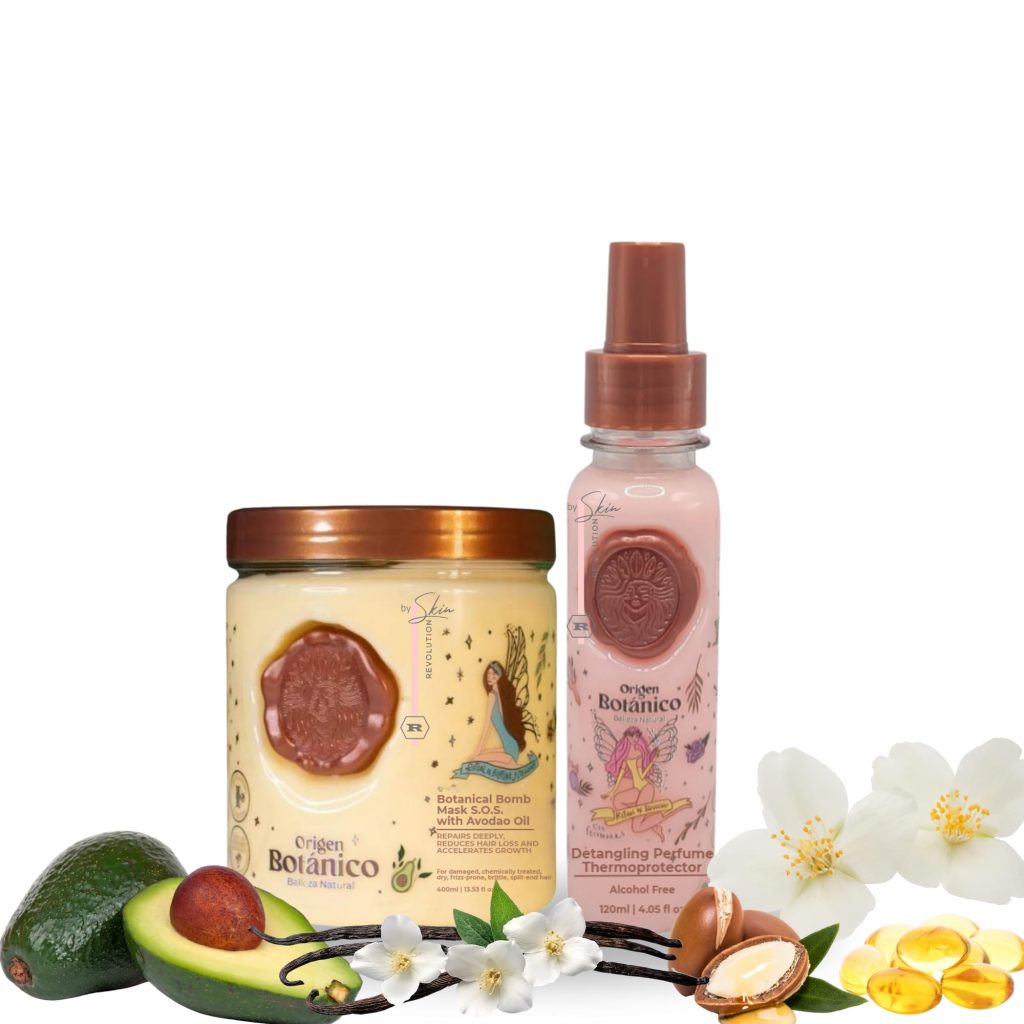
In addition to the growing awareness of ingredient lists, social media platforms unknowingly serve as a vital perspective for skincare enthusiasts. Content creators and experts alike share their personal experiences with various natural remedies, showcasing how these alternatives can enrich beauty routines. Popular products often highlighted include those that contain green tea extract for its antioxidant properties or rosehip oil, which is rich in essential fatty acids and is gaining traction for its skin-repairing capabilities.
Join us as we explore the revolution of natural ingredients in skincare, diving deep into prevailing trends, noteworthy brands, and expert insights. This journey through the intersection of nature and skincare science invites readers to discover innovative ways to care for their skin while honoring environmental responsibility, ensuring beauty does not come at a cost to personal health or our planet.
DISCOVER MORE: Click here to uncover the psychology behind your nail art
Nature’s Bounty: The Ingredients Driving Change
The increasing popularity of natural ingredients in skincare is not simply a passing trend; it reflects a deep-rooted desire for products that prioritize health, wellness, and environmental integrity. As consumers search for formulations that resonate with their holistic values, ingredients from nature are stepping into the spotlight. From botanical extracts to essential oils, the abundance of options has revolutionized the skincare landscape.
At the heart of this revolution lies the quest for products that deliver tangible benefits without compromising safety. The emergence of watchdog organizations and consumer advocacy groups has led to a closer examination of the chemical constituents found in typical skincare offerings. Available studies have linked certain synthetic ingredients to skin irritations and long-term health risks. Consequently, consumers are embracing a shift towards simpler, cleaner formulations that utilize components derived directly from nature.
Top Natural Ingredients Transforming Skincare
Among the landscape of natural ingredients, several stand out not just for their efficacy but also for their rich histories in traditional medicine. Tea tree oil, for example, has gained a strong following for its antibacterial and antifungal properties, particularly among individuals with acne-prone skin. As a natural alternative to typical acne treatments, tea tree oil fights blemishes while minimizing the risk of irritation.
Furthermore, hyaluronic acid, once primarily a synthetic ingredient, can now be sourced from natural origins, such as crustaceans and certain plants. This powerful hydrating agent has become a staple in many formulations, aiding in moisture retention and skin plumpness, essential for both dry and aging skin.
- Honey: An ancient remedy known for its humectant properties, attracting moisture and providing anti-inflammatory benefits.
- Jojoba Oil: Well-known for mimicking the skin’s natural sebum, making it an excellent choice for balancing oily skin.
- Vitamin E: A natural antioxidant that helps combat free radicals, promoting healthier and youthful-looking skin.
Brands have taken notice, often highlighting these natural ingredients in their marketing strategies to align with customers’ growing preferences. The emphasis on clean beauty has prompted many traditional manufacturers to re-evaluate their ingredient lists and embrace transparency. This refinement process has seen countless iterations of products, with labels that highlight the benefits of botanical sources over chemical compounds.
This movement towards natural formulations also reflects a call for accountability in terms of sourcing and production practices. As consumers demand sustainable beauty, brands that employ eco-friendly practices not only attract health-conscious individuals but also environmentally aware shoppers looking to make responsible choices. Sustainable packaging, cruelty-free testing, and renewable sourcing are just as vital to the equation.
As the skincare industry adapts to these shifts, it becomes increasingly apparent that the revolution of natural ingredients is here to stay. With ongoing innovations and a growing emphasis on wellness, the field promises to continue evolving, offering exciting avenues for exploration and discovery in skincare regimens.
| Benefits | Key Features |
|---|---|
| Enhanced Skin Health | Natural ingredients offer essential vitamins and minerals, promoting overall skin vitality. |
| Minimal Irritation | With fewer synthetic additives, these products are less likely to trigger allergies or sensitivities. |
| Eco-Friendly | Natural ingredient sourcing supports sustainable farming practices, contributing to environmental conservation. |
| Customizable Solutions | Consumers can select products tailored to their unique skin needs and concerns using targeted natural remedies. |
As the skincare industry continues to evolve, the rise of natural ingredients signifies a shift towards more holistic approaches to beauty. This revolution not only emphasizes the importance of using products free from harsh chemicals, but also highlights the various benefits that nature has to offer. The focus on plant-based extracts has transformed the skincare narrative, encouraging consumers to seek out solutions that reflect their values, thereby promoting a more sustainable and health-conscious lifestyle.Through the infusion of botanicals, oils, and minerals, skincare brands are responding to an increasing demand for authenticity and transparency. The ability of natural ingredients to deliver effective results while maintaining skin safety resonates with individuals who prioritize their well-being and the environment. From soothing aloe vera to invigorating citrus extracts, nature’s bounty provides a wealth of options for consumers looking to enhance their skincare regimen with organic goodness. This movement not only empowers individuals to make educated choices but also pushes brands to innovate and adapt to these consumer preferences, which can ultimately reshape the standards of the global skincare market. The future of skincare now appears more promising and natural than ever, inviting a deeper exploration into the potential of nature’s remedies.
DISCOVER MORE: Click here to learn about skincare routines for every skin type
The Science Behind Natural Ingredients
As the demand for natural ingredients surges, scientific research continues to unveil the myriad benefits these elements offer. A key advantage of natural skincare products is their ability to provide multi-faceted benefits often absent in synthetic alternatives. For instance, studies have indicated that aloe vera not only provides hydration but also acts as an anti-inflammatory agent and a potent antioxidant. Its rich vitamin content supports skin healing, making it a go-to choice for those seeking a remedy for sunburn or irritation.
Moreover, the benefits of plant-based oils have gained significant traction. Oils such as rosehip oil, which is rich in essential fatty acids and vitamins A and C, have been linked to improved skin tone, reduced appearance of scars, and an overall boost in skin texture. This ingredient’s growing prominence reflects a trend whereby consumers are actively exploring formulations that harness the natural potency of plants to rejuvenate their skin.
The Role of Consumer Education and Transparency
Part of the driving force behind this shift towards natural ingredients lies in the increasing emphasis on consumer education. Information is more accessible than ever, thanks to online platforms and social media, enabling consumers to become acute researchers of their skincare choices. Brands are responding to this trend by taking a transparent approach to ingredient sourcing and efficacy. Many companies have begun to offer detailed explanations of how each natural ingredient contributes to skin health, further incentivizing consumers to make informed choices.
In the realm of consumer expectations, verification plays a pivotal role. The advent of certifications such as USDA Organic and the Natural Products Association (NPA) symbol has gained significance. These certifications assure consumers that the products they choose are free from harsh chemicals and sourced sustainably. Companies capitalizing on these certifications are not only enhancing credibility but also fostering a trustworthy relationship with their customers.
Influence of Social Media and Wellness Culture
The influence of social media platforms cannot be overlooked. With beauty influencers and wellness advocates sharing firsthand experiences, natural ingredients are receiving increased visibility. Hashtags like #CleanBeauty and #NaturalSkincare have amassed millions of posts, creating a dialogue that amplifies the awareness of natural ingredient benefits. Social media campaigns by brands that harness real-life testimonials often lead to viral trends, shaping consumer preferences and purchasing decisions.
Additionally, the broader context of the wellness culture has interwoven itself with skincare. Consumers now view skincare not merely as a cosmetic practice but as an integral component of overall wellness. As a result, products that feature natural ingredients are often perceived as less as a luxury and more as a necessary investment in self-care. The ritualistic practices surrounding these products—such as cleansing, exfoliating, and moisturizing with natural elements—can transform mundane routines into soothing self-care rituals.
As this revolution continues to unfold, it becomes evident that understanding the science behind natural ingredients fuels consumer trust and satisfaction. The interplay of education, transparency, and cultural influences forms an engaging narrative that defines the future of skincare, ensuring that natural ingredients remain at the forefront of innovation and consumer choice.
DISCOVER: Click here for essential organization tips
Conclusion
The revolution of natural ingredients in skincare products marks a defining shift towards more sustainable and health-conscious beauty practices. As consumers increasingly prioritize their well-being, knowledge about the efficacy and safety of ingredients has become paramount. The proven benefits of natural components, like aloe vera and rosehip oil, coupled with the transparency of brands, have cultivated a well-informed consumer base that demands reliability and authenticity in their skincare choices.
Furthermore, the influence of social media and the rise of a wellness culture have transformed skincare from mere indulgence into an essential aspect of personal care. The dialogue around clean beauty continues to expand, inviting brands and consumers alike to navigate a landscape filled with innovative, natural formulations aimed at enhancing skin health. As evidenced by growing trends and credible certifications, the shift towards natural skincare products reflects a broader commitment to holistic well-being and environmental sustainability.
Ultimately, as research sheds light on the multi-faceted benefits of natural ingredients, consumers are poised to embrace these products not just as alternatives, but as informed, necessary components of their daily routines. This ongoing evolution presents an exciting opportunity for brands to rethink their approaches and for consumers to engage in a continuous quest for knowledge, ensuring that the future of skincare is not only vibrant and effective but also grounded in nature.