The Psychology of Simple Space: How Colors and Textures Influence Our Experience in Minimalist Environments
The Role of Design in Shaping Our Experiences
The design of a space can dramatically shape our mood and perception. In minimalist environments, the interplay of colors and textures plays a fundamental role in shaping our experiences. This psychological effect prompts us to explore how simplicity can enhance mental clarity and overall well-being.
Consider these elements that define minimalist spaces:
- Color Palette: The choice of colors can be transformative. Soft, muted tones, such as pale blues and greys, create a serene atmosphere that can evoke feelings of tranquility and peace, fostering relaxation. In contrast, bold monochromes, like stark blacks and whites, may impart a sense of modernity and sophistication while also igniting a more energetic response. The use of warm neutrals, like beige or tan, invites a sense of comfort and warmth, making the space feel inviting.
- Textures: The textures used within a minimalist environment can significantly influence how we perceive a space. Smooth, sleek surfaces—think polished concrete or glass—convey a contemporary feel and can make a room feel more open and airy. Conversely, rough, tactile materials, such as exposed brick or reclaimed wood, introduce a layer of complexity and warmth that invites interaction. Balancing these textures can enhance visual interest without overwhelming the senses.
- Layout: The layout of a space is crucial in determining how it feels. Open spaces encourage a feeling of freedom and fluidity, making them ideal for creativity and collaboration. This design principle is frequently employed in modern offices, where large, uncrowded areas foster innovation and teamwork. Segmented areas, on the other hand, can create a sense of confinement but can also provide necessary privacy and focused spaces for tasks that require concentration.
Research suggests that minimalism not only simplifies our surroundings but also streamlines our thoughts. Spaces designed with intention can lead to:
- Increased Focus: With fewer distractions, individuals are more likely to experience improved concentration. This is particularly relevant in educational settings where minimalist design promotes effective learning environments.
- Reduced Stress: Calming environments, characterized by gentle colors and soft textures, can lower anxiety levels. A study from the Journal of Environmental Psychology indicated that reducing clutter could lead to a decrease in cortisol levels, a primary stress hormone.
- Enhanced Creativity: An uncluttered mind often promotes innovative thinking. Minimalist environments can serve as blank canvases for ideas, allowing individuals to unleash their creativity without the interference of superfluous stimuli.
As we delve into the psychology of simple space, it is essential to consider how our choices in colors and textures intentionally mold our daily experiences. For instance, a minimalist office decorated in soft blues can inspire calmness and focus, while a home adorned with rustic touches can evoke nostalgia and warmth. A closer look reveals how these design principles engage our senses and influence behavior, ultimately transforming our interaction with the world around us. Understanding these elements can lead us to curate spaces that not only reflect our tastes but also enhance our quality of life and mental well-being.
Understanding the Influence of Color on Mood
Colors are powerful tools in design, able to evoke emotional responses and affect our behavior. In the context of minimalist spaces, the strategic selection of color can influence our mental state, productivity, and even social interactions. The psychology of color reveals that certain shades can induce specific feelings and reactions, making them particularly impactful in minimalist environments.
Soft colors such as light greens and blues are known for their calming effects. Research indicates that exposure to these hues can reduce feelings of tension and promote a sense of tranquility. This is why many professionals opt for these colors in environments where focus is paramount, such as home offices or educational institutions. In contrast, colors like vibrant oranges and yellows can energize a space. These bright tones are often used in communal areas where collaboration and creativity are encouraged, igniting enthusiasm and fostering dialogue.
The Impact of Texture in Minimalist Spaces
Texture is another critical element in the design of minimalist environments. While color sets the mood, texture adds depth and interest. The contrast between smooth and rough surfaces can engage our senses, offering a tactile experience that is often absent in heavily cluttered designs. A minimalist space featuring a variety of textures—such as soft fabrics, sleek metals, and reclaimed woods—encourages a more immersive and multifaceted experience.
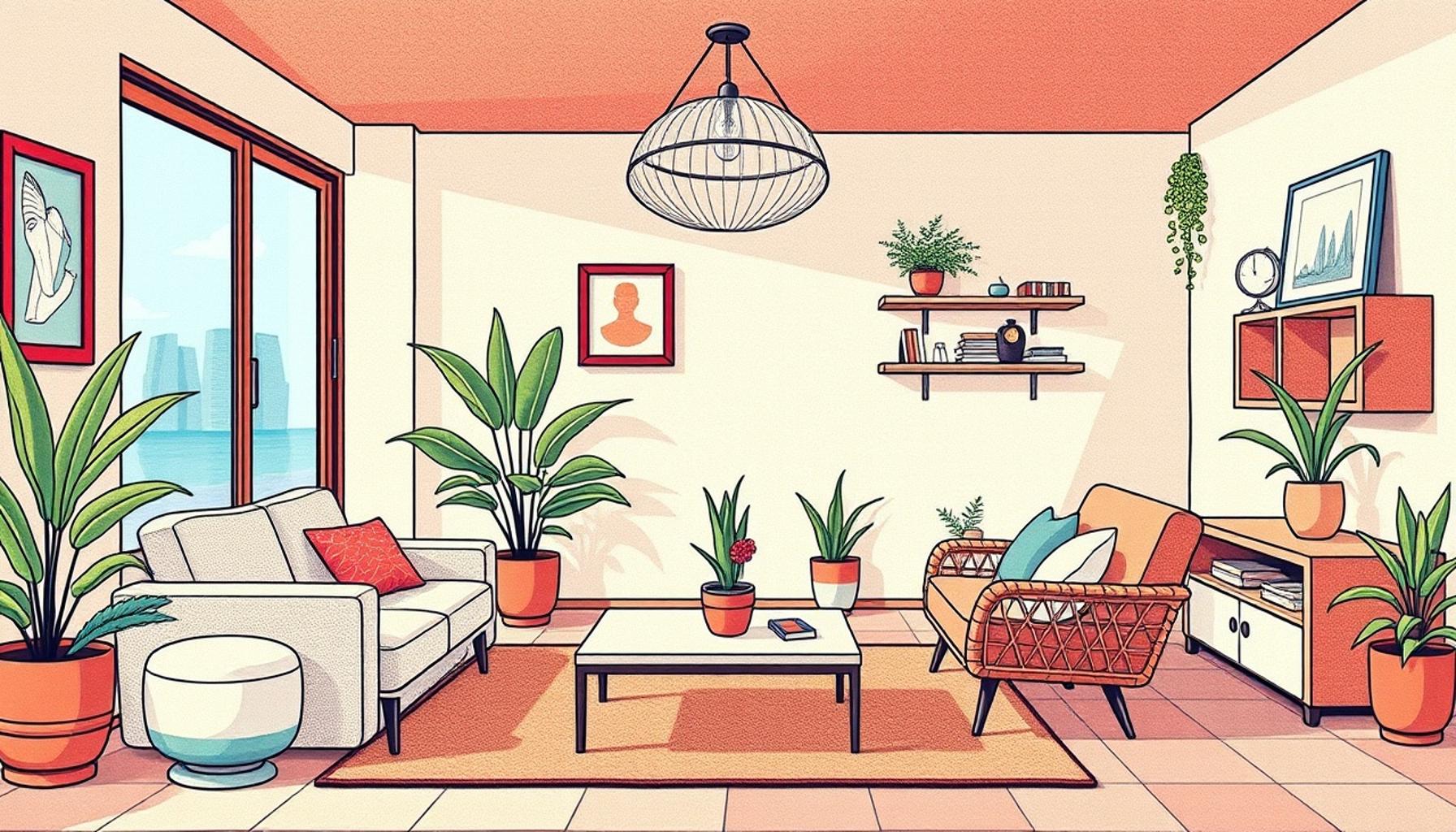
For instance, a minimalist living room with a plush beige sofa alongside a polished marble coffee table creates an inviting yet sophisticated atmosphere. The combination of the soft texture against the cool surface not only appeals to the eye but also invites touch, enhancing the overall sensory experience. By incorporating different textures, designers can cultivate a sense of warmth and complexity, even within a simplified aesthetic.
Color and Texture Interplay in Mindfulness
When combined thoughtfully, color and texture can contribute to a mindfulness practice within a space. Many individuals find that a cohesive color scheme paired with various textures promotes a sense of harmony and balance. As the principles of minimalist design champion the *removal of distraction*, creating a cohesive aesthetic can support this aim.
Research conducted by the American Psychological Association suggests that environments designed with mindful consideration of color and texture can positively impact mental well-being. Participants reported feeling less stressed and more focused in spaces that employed soft colors combined with inviting, tactile surfaces. This effect illustrates how the conscious choice of design elements can foster environments that enhance our quality of life.
As we continue to examine the significance of color and texture in minimalist environments, it becomes clear that the choices we make in designing our spaces are pivotal in shaping our psychological responses and overall experiences. The integration of thoughtful color use and varied textures has the potential to create not only visually appealing spaces but also emotionally uplifting and mentally clarifying environments.
| Category | Key Features |
|---|---|
| Color Psychology | Colors can evoke emotions and influence mood. For example, shades of blue promote tranquility, while warm tones like orange can stimulate energy. |
| Texture Variation | Utilizing diverse textures can create depth and a tactile experience, making spaces feel inviting and enhancing the emotional connection to the environment. |
When discussing the impact of colors in minimalist environments, it is essential to highlight that different hues can profoundly alter human perception. For instance, incorporating calming greens and blues can create a serene atmosphere, promoting relaxation and focus. On the other hand, a palette rich in vibrant reds or yellows can energize the space, inspiring productivity or sparking creativity.Texture, too, plays a pivotal role in how individuals experience their surroundings. Incorporating materials like soft fabrics or natural wood can enhance comfort, while sleek metals or rougher surfaces can contribute to an industrial feel. It’s fascinating how these tactile elements can significantly affect our emotional response, allowing us to connect superficially with our surroundings, albeit in a minimalistic fashion.Moreover, understanding the effective use of both colors and textures is paramount for designers and architects. The correct combination not only elevates aesthetic appeal but also influences the psychology of users, fostering either serenity or dynamism, depending on the desired atmosphere. This intricate dance between simplicity and sensory engagement draws attention to the complex relationship we maintain with our environment, prompting further exploration of how these elements shape our daily experiences.
Spatial Layout: The Role of Arrangement in Perception
The arrangement of a space—how furniture and objects are positioned—profoundly affects our psychological experience. In minimalist environments, the spatial layout is often designed to promote openness and flow, allowing for movement and interaction that can significantly enhance well-being. This is particularly relevant in office spaces, where research has shown that open floor plans can foster collaboration and creativity, reducing feelings of isolation that can come from conventional cubicle designs.
A study from the Environmental Design Research Association reveals that strategically placed communal areas within open spaces can lead to a 23% increase in employee productivity. By integrating functionalities within a layout that encourages engagement, designers can create environments that not only feel spacious but also promote social connections and a sense of community.
The Psychological Effects of Negative Space
Another intriguing aspect of minimalist design is the utilization of negative space, or the empty areas within a room. Often overlooked, negative space serves a crucial psychological function. It allows the mind to breathe, reducing sensory overload. In a world full of constant stimuli, an effectively used negative space can create a serene atmosphere that encourages relaxation and mental clarity.
This concept aligns closely with the principles of Zen design, which advocate for simplicity and tranquility. By allowing for ample negative space, minimalist environments facilitate introspection, fostering an inviting atmosphere for mindfulness practices. Individuals who incorporate such spaces into their daily routines often report enhanced concentration and greater emotional stability.
Nature and Minimalism: A Harmonious Blend
The interplay of color, texture, and layout in minimalist spaces is further enriched by the integration of nature. The biophilic design, which emphasizes the connection between humans and nature, can make minimalist environments more uplifting. For instance, incorporating natural elements, such as indoor plants or light wood, can soften the harshness of minimalist lines and add warmth to a space.
Research from Harvard University highlights that exposure to natural elements in a workspace can significantly enhance job satisfaction and boost mental health. It has been noted that even small indoor plants can reduce stress levels, improve air quality, and inspire a greater sense of well-being. Thus, the simple inclusion of greenery amid a minimalist design can elevate the experience, aligning with the human need for connectivity to our natural environment.
In light of these considerations, the holistic approach to minimalist design—which encompasses color, texture, layout, and natural elements—emerges as a critically valued practice. Each element is instrumental in shaping our experiences, urging us to pay attention not only to aesthetics but to the profound psychological impacts these choices can create within our spaces.
Conclusion: The Profound Impact of Minimalism
As we have explored throughout this article, the intricate relationship between colors, textures, and spatial arrangement reveals how the design of minimalist environments can profoundly influence our psychological experiences. The thoughtful integration of negative space, intuitive layout, and natural elements not only enhances the aesthetic appeal but also cultivates a sense of calm, clarity, and community. In a world inundated with distractions, embracing the principles of minimalist design may offer a refuge—an opportunity for mental rejuvenation and enhanced well-being.
The findings from various studies—ranging from the productivity boosts in open office layouts to the positive psychological effects of incorporating greenery—underscore the importance of creating environments that cater to our innate needs for connection, tranquility, and creativity. Particularly in fast-paced settings synonymous with modern life, the simplicity inherent in minimalist environments allows for moments of introspection and focus that are often lost amid chaos.
As we continue to navigate through evolving workspaces and living arrangements, the psychology of simple space invites us to reevaluate our surroundings. By prioritizing elements that foster emotional stability, social interaction, and the resonance of nature, we can transform our daily experience. Hence, it becomes evident that the conscious application of minimalist principles isn’t merely an aesthetic choice; it emerges as a fundamental practice for enhancing our overall quality of life and mental health.
In light of this knowledge, we encourage readers to delve deeper into the concepts of minimalist design and explore how these insights can be integrated into personal and professional environments. By doing so, you too can unlock a richer, more fulfilling experience through the art of simplicity.

Linda Carter is a writer and organization expert specializing in minimalism and personal organization. With extensive experience helping individuals create clutter-free, functional spaces and adopt mindful habits, Linda shares her knowledge on our platform. Her goal is to empower readers with practical advice and strategies to simplify their lives, stay organized, and achieve a sense of calm and balance in their daily routines.