The Power of Colorful Plates: Understanding the Nutritional Benefits of Eating a Variety of Fruits and Vegetables
Nourishing Your Body with a Spectrum of Nutrients
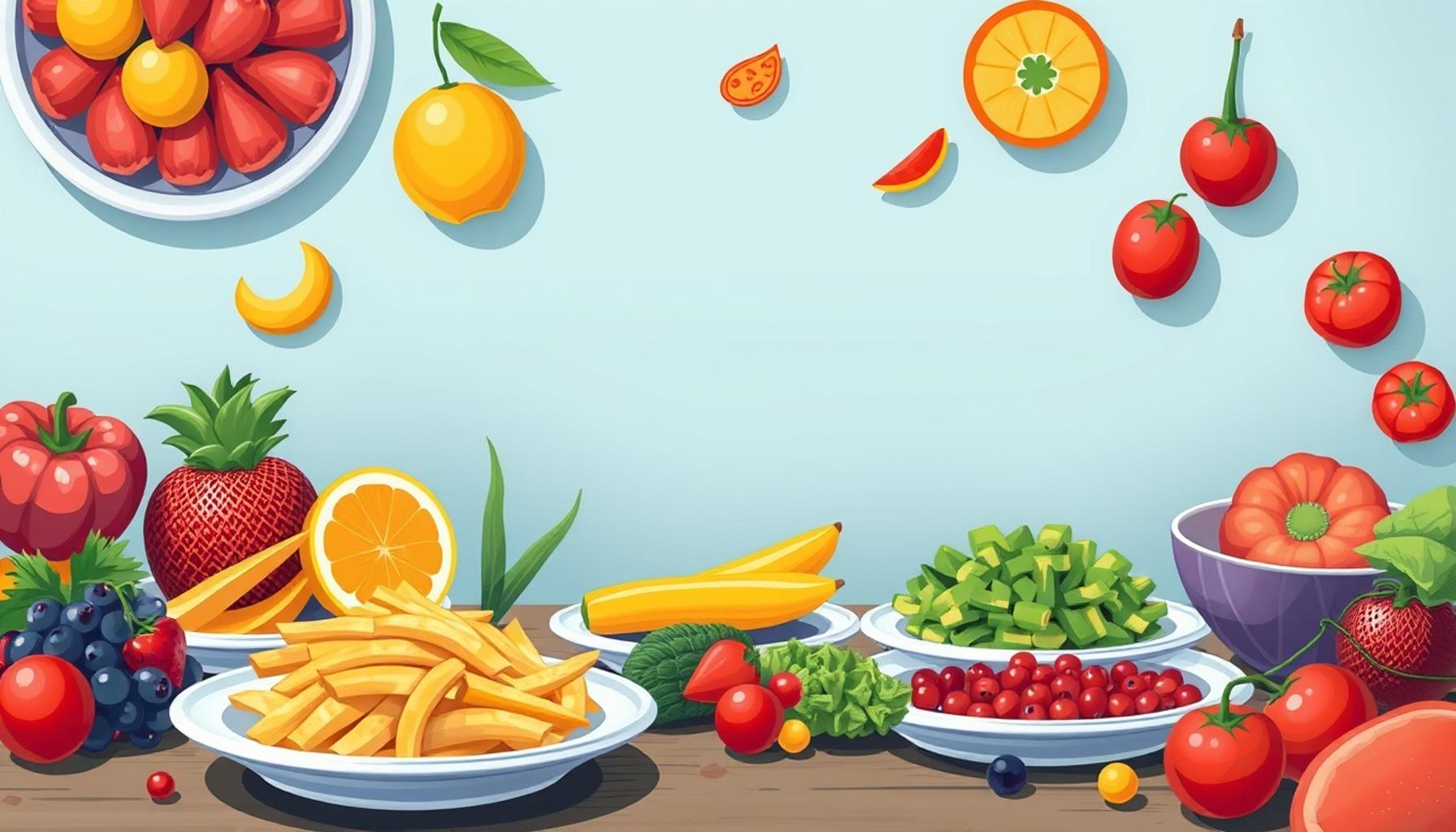
Every vibrant plate tells a story of health, vitality, and nutrition. Eating a variety of fruits and vegetables is not just a feast for the eyes; it is a gateway to numerous health benefits that can transform your well-being. The act of consuming colorful produce goes beyond mere aesthetics—it encompasses a world of nutrients that is crucial for optimal health.
Research shows that colorful fruits and vegetables are packed with essential vitamins, minerals, and antioxidants. These nutrients play a vital role in various bodily functions and help to:
- Boost immunity: A robust immune system is your body’s best defense against illnesses. Foods like citrus fruits, such as oranges and grapefruits, are rich in vitamin C, which is known for enhancing the immune response.
- Reduce the risk of chronic diseases: Consuming a diverse range of produce has been linked to a lower incidence of chronic diseases like heart disease and diabetes. For instance, the potassium found in bananas and sweet potatoes can help regulate blood pressure, contributing to cardiovascular health.
- Improve digestion: Many fruits and vegetables are excellent sources of dietary fiber, which helps to promote digestive health. Apples, for example, are high in both soluble and insoluble fiber, aiding in bowel regulation and overall gut health.
- Enhance skin health: A diet rich in antioxidants from colorful produce not only benefits internal health but also enhances skin appearance. For instance, the beta-carotene in carrots converts to vitamin A, promoting healthy skin and vision.
Consider this: a plate filled with colorful foods can provide a plethora of nutrients. The richness in color often corresponds to specific health benefits:
- Red fruits and veggies like tomatoes and strawberries are rich in lycopene, which supports heart health and may even lower the risk of certain cancers.
- Orange and yellow options like carrots and bell peppers are excellent sources of vitamin C and beta-carotene, which help improve immune function and skin health.
- Green leafy vegetables such as kale and spinach are loaded with iron and calcium, crucial for maintaining energy levels and supporting bone health.
- Blue and purple foods like blueberries and eggplants are packed with anthocyanins, compounds that have been shown to boost brain function and improve memory.
Incorporating a rainbow of produce into your diet not only tantalizes your taste buds but also opens the door to enhanced overall health. A simple way to achieve this is by ensuring that half of your plate is filled with fruits and vegetables at each meal. Experimenting with different recipes can also make the journey enjoyable. For instance, consider blending a vibrant smoothie with spinach, banana, and berries for breakfast or creating a colorful salad with a variety of chopped veggies and a zesty dressing for lunch.
By embracing these colorful choices, you can significantly nourish your body and contribute to your lifestyle’s vitality. The journey to health can be as delightful as it is beneficial when you unlock the nutritional richness of your plate.
DISCOVER MORE: Click here to learn how your diet affects sleep quality
The Science Behind Color and Nutrition
The vibrant colors of fruits and vegetables are not merely for decoration; they are the result of unique compounds that offer a wide range of health benefits. The distinctive hues found in these foods correspond to specific phytonutrients—natural compounds that enhance health in various ways. Understanding the science behind these colors can unlock the nutritional potential of our plates.
Phytonutrients are categorized primarily by color, each offering specific benefits. This intriguing link between color and nutrient profile underscores the importance of eating a diverse array of produce. Let’s break down the typical colors and their associated health gems:
- Red: Fruits and vegetables like tomatoes and cherries contain lycopene, a powerful antioxidant linked to heart health and potential cancer risk reduction. Studies have shown that individuals consuming higher amounts of lycopene-rich foods may benefit from lower rates of prostate cancer.
- Orange: Carrots, sweet potatoes, and oranges are excellent sources of beta-carotene and vitamin C, which not only boost the immune system but also promote healthy vision. Regular intake of these foods may also support skin health by protecting it from UV damage.
- Yellow: Yellow bell peppers and corn provide a hearty dose of lutein and zeaxanthin, essential for eye health. Studies suggest that these nutrients may help prevent macular degeneration and cataracts as we age, making them key players in maintaining vision quality.
- Green: Dark leafy greens like spinach, kale, and broccoli are renowned for their iron, calcium, and folate content. These nutrients are crucial for red blood cell production and bone strength, making greens essential for overall vitality.
- Blue and Purple: Blueberries and eggplants are sources of anthocyanins, notorious for their brain-boosting properties. Research indicates that higher anthocyanin intake can enhance cognitive function and may even lower the risk of dementia.
In addition to these health benefits, the diversity in color found in fruits and vegetables also indicates a broader spectrum of vitamins and minerals. For instance, colorful produce is often rich in vitamin A, vitamin K, potassium, and magnesium, pivotal for various metabolic processes. These nutrients work synergistically to maintain energy levels, promote bone health, support the nervous system, and ensure overall bodily function.
Incorporating a variety of colors on your plate can be an adventurous journey toward better health. By doing so, not only will you enjoy a palette of flavors, but your body will also register a comprehensive intake of essential nutrients. A vibrantly colored diet empowers you to nourish your body at all levels, transforming eating into a rewarding ritual rather than a routine task.
As you embark on this colorful culinary adventure, keep in mind that the key to reaping these benefits lies in consistency. Strive to fill half your plate with an assortment of fruits and vegetables at every meal. A commitment to colorful eating can impact your physical health, mental clarity, and long-term wellness, proving that what’s on your plate truly has the power to shape your life.
| Advantage | Description |
|---|---|
| Diversity of Nutrients | Eating a variety of fruits and vegetables ensures a robust intake of essential vitamins, minerals, and antioxidants that are crucial for overall health. |
| Enhanced Immune Function | A colorful diet boosts the immune system, as fruits and vegetables rich in vitamins A, C, and E help protect the body against illnesses. |
| Weight Management | Low in calories and high in fiber, fruits and vegetables can aid in achieving a healthy weight, providing satiety without excessive caloric intake. |
| Reduced Risk of Chronic Diseases | A diet rich in colorful produce is linked to a lower risk of heart disease, diabetes, and certain cancers, significantly impacting long-term health. |
Exploring “The Power of Colorful Plates” opens an exciting perspective on nutrition. Incorporating a spectrum of fruits and vegetables not only brightens a meal but fortifies the body with *vital nutrients* essential for health. Rich in phytonutrients, these colorful foods can invigorate your <>daily diet<>. Embrace this variety and elevate not just the aesthetic appeal of your meals but also their nutritional impact. Each hue represents an array of health benefits waiting to be unlocked through your culinary creativity! Discover how this simple shift can yield profound benefits for your well-being.
LEARN MORE: Click here to discover the significance of a sleep routine
The Role of Colorful Plates in Disease Prevention
Eating a vibrant mix of fruits and vegetables not only enhances meals visually but also fortifies the body against various diseases. Emerging research suggests that a colorful diet can significantly reduce the risk of chronic conditions such as heart disease, diabetes, and certain cancers. Each color offers unique protective elements that work together to strengthen overall health and bolster the immune system.
For instance, the anthocyanins found in blueberries, blackberries, and purple cabbage are not only responsible for their striking color but also contribute to cardiovascular health. Studies have shown that individuals who regularly consume these blue and purple foods experience lower blood pressure and improved cholesterol levels, which are critical factors in preventing heart attacks and strokes.
Similarly, bright green vegetables, such as broccoli and Brussels sprouts, contain sulforaphane, a compound that plays a crucial role in detoxification and cancer prevention. This powerful nutrient has been found to activate enzymes that neutralize toxins in the body, protecting against carcinogens. Research indicates that a higher intake of cruciferous vegetables correlates with a lower risk of colorectal cancer, emphasizing the importance of including greens in your diet on a regular basis.
In addition to protecting against specific diseases, the consumption of a variety of fruits and vegetables plays a fundamental role in maintaining a healthy weight. Colorful produce is often low in calories yet high in fiber, which aids in feeling full and satisfied. Incorporating fiber-rich foods can help regulate blood sugar levels, lowering the likelihood of developing type 2 diabetes. For instance, pairing fibrous vegetables like zucchini and bell peppers with lean proteins can create a balanced meal that supports weight management while encouraging healthy eating habits.
Moreover, recent findings suggest that the cumulative effect of various phytonutrients can amplify the health benefits of colorful foods. This phenomenon is referred to as the “synergistic effect,” where the interactions among differing compounds yield greater benefits than any single nutrient alone. For instance, combining beta-carotene from orange carrots with the vitamin E found in green spinach may enhance the antioxidant protection they offer, creating a well-rounded defense against oxidative stress.
What’s more, the psychological impact of a colorful plate cannot be overstated. Research shows that the visual appeal of food can influence our food choices and satisfaction levels. Diners are more likely to enjoy meals that are artistically arranged with a variety of colors, as this stimulates the senses and enhances the overall eating experience. This sensory engagement may encourage individuals to consume more fruits and vegetables, leading to improved dietary habits.
As we unearth the deep connections between color, nutrition, and health, it becomes evident that the strategy of eating the rainbow is not merely a trend but an essential lifestyle choice. By understanding the science behind these vibrant foods, consumers can make informed decisions that significantly impact their health outcomes. Embrace the power of colorful plates in your daily meals, as they harbor potent health benefits waiting to be unlocked.
DISCOVER MORE: Click here to learn how exercise can enhance your sleep
Conclusion
In an era where wellness and nutrition are paramount, the impact of color on our plates serves as an engaging focal point for healthier eating. The power of colorful plates extends beyond aesthetic appeal; it is a gateway to unlocking an array of nutritional benefits that can dramatically transform our health. Embracing a diverse palette of fruits and vegetables ensures that our bodies receive a rich blend of vitamins, minerals, and phytonutrients essential for promoting wellness and preventing disease.
As we delve deeper into the characteristics of these vibrant foods, it becomes clear that each hue indicates a unique set of beneficial properties. Whether it’s the juicy reds of tomatoes and strawberries, the sunny yellows of bell peppers and corn, or the deep greens of kale and spinach, the variety in color is a visual cue for the multitude of health-promoting compounds packed within. These elements not only work synergistically to bolster our immune systems and protect against chronic illnesses but also enrich our meals, enhancing both flavor and satisfaction.
Moreover, integrating a wide array of colorful produce into our diets holds potential for improving mental well-being. The enjoyment derived from a beautiful, colorful meal can positively influence our attitudes towards food, thereby reinforcing healthier eating behaviors over time. In a society where dietary choices profoundly shape our health outcomes, the call to “eat the rainbow” becomes more than a mantra; it is an invitation to a vibrant, energetic, and disease-resistant life.
Ultimately, the journey towards better health begins on our plates. As we cultivate the habit of choosing colorful fruits and vegetables, we lay down the foundation for a nourishing lifestyle. So, the next time you prepare a meal, remember: a colorful plate is not just a feast for the eyes; it is a powerful step toward vibrant health and longevity.

Beatriz Johnson is a seasoned skincare specialist and writer with a passion for simplifying the complexities of beauty science and skincare routines. With over a decade of experience in the aesthetics industry, she specializes in topics like ingredient efficacy, anti-aging strategies, and global beauty trends. Through her work, Beatriz empowers readers to make informed skincare choices and stay ahead in the ever-evolving world of beauty and wellness.