The Influence of Food Labels on Nutritional Choices: How to Decode What You’re Eating
In today’s fast-paced world, your grocery list dictates much more than just meals; it plays a pivotal role in your health. Food labels serve as a guidepost for consumers seeking to make informed nutritional choices. However, with myriad claims and definitions, decoding what you’re really eating can be a challenge.
What’s on Food Labels?
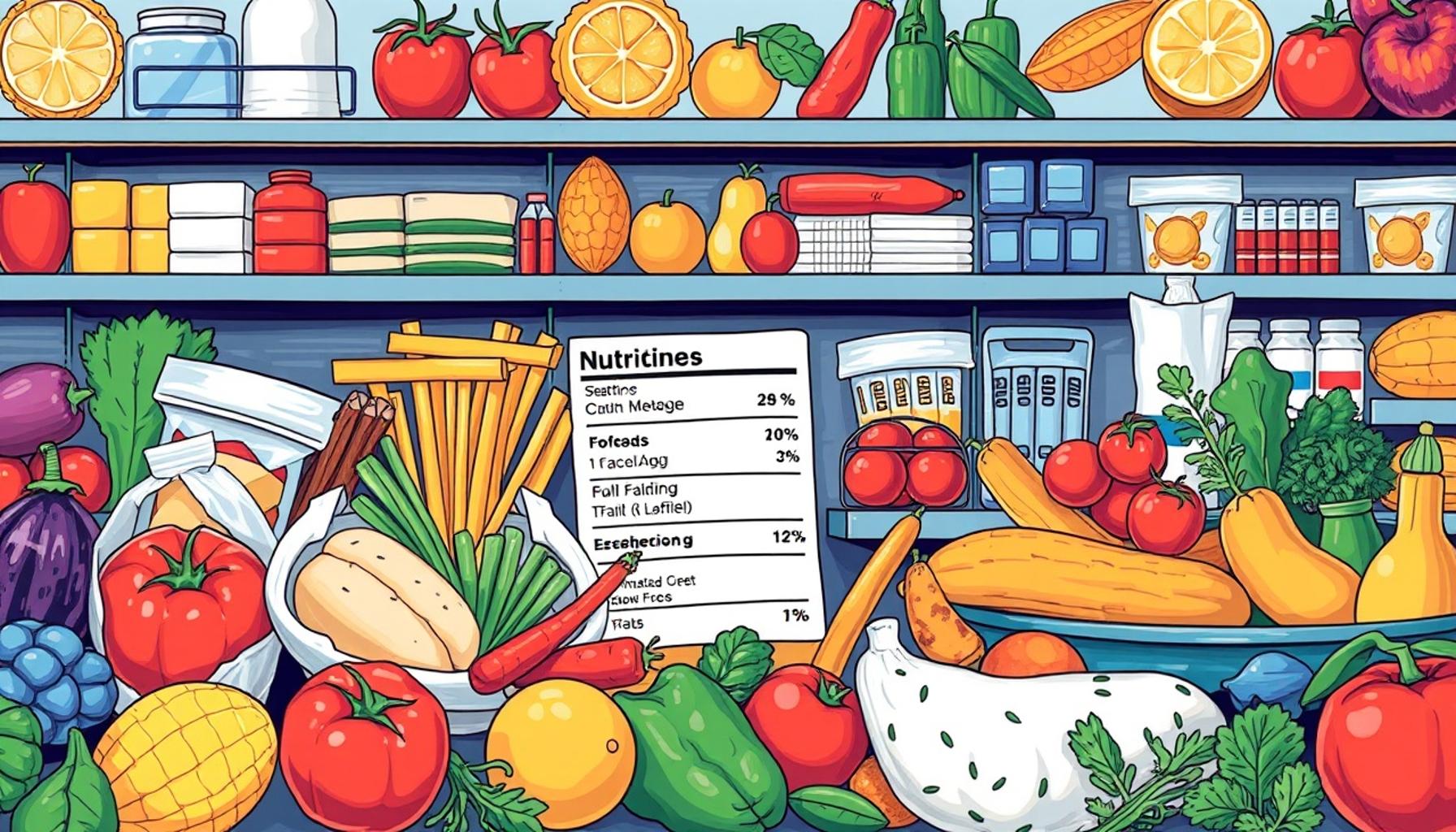
Food labels can be a treasure trove of information. They typically feature:
- Nutritional Information: This includes caloric content, macronutrient breakdown (such as fats, proteins, and carbohydrates), and micronutrient levels (like vitamins and minerals). For instance, a typical food label details how many grams of sugar or protein are in one serving, which can help you regulate your dietary intake and meet specific health goals.
- Ingredient Lists: A detailed rundown of what goes into your food. Ingredients are listed in descending order by weight, meaning the first few items make up the bulk of the product. Many consumers are surprised to discover additives like high fructose corn syrup or artificial colors lurking in items they assumed were healthy, prompting a closer examination of what they are feeding themselves and their families.
- Health Claims: Buzzwords like “organic,” “gluten-free,” and “non-GMO.” While these terms can indicate healthier options, they can also be misleading. For instance, a product labeled as “gluten-free” might still be high in sugar or unhealthy fats, which is vital to realize in order to maintain a balanced diet.
But how do these aspects influence your dietary decisions? Insights from various studies suggest:
- Consumers often gravitate towards products with clear, easily interpretable labels. A study published in the Journal of Nutrition found that products labeled with easy-to-read nutrition information were bought significantly more than those without such clarity.
- Complex jargon can lead to skepticism or misinterpretation. For example, terms like “natural” may give a sense of healthfulness; however, the FDA does not have a strict definition for this term, which can mislead consumers.
- Understanding labels can foster healthier choices, potentially reducing the risk of diet-related diseases. When people take the time to analyze food labels, they are more likely to choose options that support their overall health and well-being.
As we delve deeper into the intricacies of food labeling, it’s essential to recognize their profound impact on your daily nutritional choices. Research continues to underline the need for education on reading labels effectively. With awareness, you can empower yourself to make healthier selections and contribute positively to your immediate and long-term health outcomes. Get ready to unearth the layers of information that make up the food you consume—and learn how to make the best selections for your health.
DIVE DEEPER: Click here to discover how breathing techniques can enhance your sleep
Decoding Nutritional Information: What to Look For
Navigating food labels can feel like walking through a minefield of information, especially when trying to make health-conscious choices. The key to making informed decisions lies in understanding the various components of nutritional information presented on labels. To help consumers effectively decode what they are eating, here are some critical areas to focus on:
- Serving Size: A commonly overlooked aspect, the serving size determines how much of the product is typically consumed. It’s vital to align this with your own portion size to accurately gauge calorie intake. For example, while a single serving of a granola bar might only contain 150 calories, eating two or three could skyrocket your caloric consumption without you even realizing it.
- Daily Values (%DV): These percentages help consumers understand how much a serving contributes to their total daily nutrition needs. A higher percentage of dietary fiber or protein can be a positive indicator, while high values for saturated fats or sugars should raise a red flag. For instance, a food with 20% or more of the daily value for saturated fat might be best eaten sparingly.
- Key Nutrients: Pay attention to the nutrients that most people tend to consume less of, such as fiber, potassium, vitamin D, and calcium. These nutrients play significant roles in overall health. If a product is rich in these elements, it may be a more beneficial choice for your diet.
- Added Sugars: The American Heart Association recommends limiting added sugars. Checking for the grams of added sugars on a label can help you steer clear of overly sweetened products that undermine your health. Some items may present themselves as healthy but are loaded with sugars masquerading under different names, such as sucrose or corn syrup.
Additionally, consumers must be cautious about the health claims made on packaging. Terms like “low-fat” or “heart-healthy” can create misleading perceptions about a product’s overall quality. For instance, a snack labeled as “low-fat” can still be high in sugars or carbohydrates, negating any calorie-saving advantages. To foster a more balanced diet, it is essential to look beyond these claims and evaluate the entire nutritional profile of the product.
Research reveals that over 50% of consumers rely heavily on food labels to make their purchasing decisions, indicating their growing importance in the food market. With this understanding, you can utilize food labels not just as a tool, but as a roadmap to navigate healthier eating options, ultimately guiding you towards better nutritional habits.
| Category | Key Features |
|---|---|
| Nutritional Information | Food labels provide detailed information about calories, fats, sugars, and proteins, enabling informed dietary choices. |
| Ingredient Transparency | Understanding ingredient lists allows consumers to recognize potential allergens and additives. |
| Health Claims | Health claims can guide decisions, but it is crucial to verify these claims against personal dietary needs. |
| Portion Control | Labels help in managing portion sizes, thus supporting healthy eating habits. |
When navigating the world of food labels, it’s essential to recognize how each component plays a pivotal role in making healthier choices. The nutritional information provided on labels not only serves as a guide but also equips consumers with the knowledge to balance their diets effectively. Moreover, ingredient transparency exposes the complexities of food production, prompting scrutiny and awareness amongst consumers regarding what they consume. Additionally, understanding health claims requires cautious evaluation; many are formulated to entice consumers, yet may not always align with dietary requirements. This makes a discerning eye vital for maintaining an accessible understanding of what you’re eating. The insight gained from food labels profoundly influences nutritional choices and fosters a well-informed consumer base. Embracing this information empowers individuals to lead healthier, more mindful lives.
DISCOVER MORE: Click here for tips on enhancing your sleep space
The Role of Ingredients Lists: What You Need to Know
While the nutrition facts panel provides crucial information, the ingredients list is equally significant in guiding informed food choices. Understanding how to interpret this list can unveil hidden components in your food that affect your health and dietary goals. Here are some key points to consider:
- Order of Ingredients: Ingredients are listed in descending order by weight, meaning that the first ingredient is the most predominant. If a product lists sugar or refined grains as the top ingredients, it raises questions about its nutritional value. For example, a cereal advertised as “whole grain” may actually contain large amounts of sugar if it is listed first, diminishing its dietary benefits.
- Unrecognizable Additives: Many packaged foods contain preservatives, flavor enhancers, and color additives, some of which may be difficult to pronounce. Items such as BHA or MSG can be red flags, indicating a higher degree of processing. As the trend toward clean eating grows, consumers are urged to prioritize products with recognizable and unprocessed ingredients.
- Allergens: Food labels also prominently feature potential allergens, such as nuts, dairy, and gluten. Identifying these ingredients is crucial for individuals with allergies or intolerances, helping to prevent adverse reactions. Check for dedicated allergen statements on the packaging to ensure safety, especially in mixed or processed foods.
Understanding Marketing Buzzwords: The Importance of Skepticism
In a world where health-conscious marketing is prevalent, it’s essential to approach health claims on food labels with a discerning eye. Many products boast phrases like “natural,” “organic,” or “no added hormones,” all of which may appeal to consumers but require deeper scrutiny. For instance, the term “natural” isn’t strictly regulated in the U.S.; therefore, it can often be misleading. A product may be labeled as “natural” yet contain high levels of sugar or processed ingredients.
- “Organic” Labels: While certified organic products must meet specific criteria set by the USDA, keep in mind that organic does not automatically equate to healthier. It’s still crucial to examine nutritional content—as a product labeled organic could still be high in calories or sugar.
- “Gluten-Free” Products: The gluten-free trend has surged recently, but not all gluten-free items are healthy alternatives. Some gluten-free products can be high in sugar and refined carbohydrates. For those with gluten intolerances, it’s still vital to assess the nutritional profile rather than solely relying on the gluten-free tag.
Numerous studies indicate that even with growing awareness, many shoppers do not fully understand how to read food labels effectively. Research shows that approximately 70% of individuals make purchasing decisions based on appealing packaging rather than nutritional content. To combat this trend, educational initiatives focusing on label interpretation are essential. These resources can empower consumers, transforming marketing savvy into health-savvy decision-making.
As consumers become increasingly aware of their food choices, the challenge lies in distinguishing marketing ploys from genuine nutritional value. By arming yourself with the knowledge to decode both the nutritional facts and the ingredients list, you can make better-informed dietary choices and ultimately achieve your health objectives.
DISCOVER MORE: Click here to learn how mindfulness practices can elevate your well-being</p
Conclusion: Empowering Your Nutritional Choices
The landscape of food consumption is evolving, and food labels play a pivotal role in shaping our dietary decisions. By understanding the intricacies of nutrition facts and ingredients lists, consumers can equip themselves to make healthier choices. As discussed, the first step is to be aware of the actual nutritional value versus marketing claims. This awareness fosters the ability to critically assess products and recognize potential pitfalls, such as misleading buzzwords like “natural” or “gluten-free.”
Furthermore, consumers must remain vigilant about ingredient lists, discerning between whole foods and unhealthy additives. The emphasis on unprocessed ingredients not only contributes to overall wellness but also aligns with the growing movement towards clean eating. In a complex market where 70% of purchasing decisions may stem from appealing packaging rather than nutritional content, it is crucial that consumers take the initiative to educate themselves.
Ultimately, leveraging the full potential of food labels can lead to more informed and conscious eating habits. As knowledge transforms skepticism into empowerment, individuals can better navigate the market and prioritize their health accordingly. Engaging with educational resources and seeking community support can further enhance one’s understanding of food labeling. In conclusion, decoding what you’re eating may seem daunting, but with the right tools, it becomes an essential part of crafting a healthier lifestyle.

Beatriz Johnson is a seasoned skincare specialist and writer with a passion for simplifying the complexities of beauty science and skincare routines. With over a decade of experience in the aesthetics industry, she specializes in topics like ingredient efficacy, anti-aging strategies, and global beauty trends. Through her work, Beatriz empowers readers to make informed skincare choices and stay ahead in the ever-evolving world of beauty and wellness.