The Importance of Packaging: How Design Impacts Fragrance Collections in the Beauty Market
The Role of Packaging in the Beauty Industry
In today’s beauty market, packaging serves as far more than a mere barrier against external elements; it plays a pivotal role in shaping consumer perceptions and influencing their purchasing choices. With competition at an all-time high, especially in categories like fragrances, brands must leverage innovative packaging design to capture interest and engage consumers.
Creating an Emotional Connection
Emotional connection is a fundamental component when it comes to consumer behavior. Unique and aesthetically pleasing packaging can evoke positive emotions and memories, thereby enhancing the overall fragrance experience. For example, a perfume encased in a vintage-inspired bottle may remind customers of romantic notions from the past, making them more inclined to purchase. Limited edition fragrances often utilize seasonal or thematic packaging that transports consumers to specific memories or feelings related to holidays or special occasions, further deepening that emotional bond.
Establishing Brand Identity
The design of packaging significantly reflects the brand’s essence. Colors, shapes, and materials all work together to convey a brand’s identity effortlessly. For example, minimalist packaging with a translucent finish can communicate luxury and sophistication, as seen in brands like Jo Malone, while vibrant and intricate designs can convey a youthful and playful spirit, as demonstrated by brands like Dolce & Gabbana. This initial visual impression allows consumers to form a relationship with the product even before they experience the fragrance itself.
Market Differentiation Through Striking Designs
In a saturated market, market differentiation hinges on captivating design. Striking packaging can create a stark contrast with competitors and instantly capture consumers’ attention. Consider the innovative bottle design of the fragrance “Flowerbomb” by Viktor & Rolf, with its unique floral grenade shape, which not only attracts but also intrigues potential buyers. By standing out visually, brands can not only catch the eyes of shoppers in-store but also enhance their online presence through social media, where visually appealing images are shared widely.
The Importance of Transparent Communication
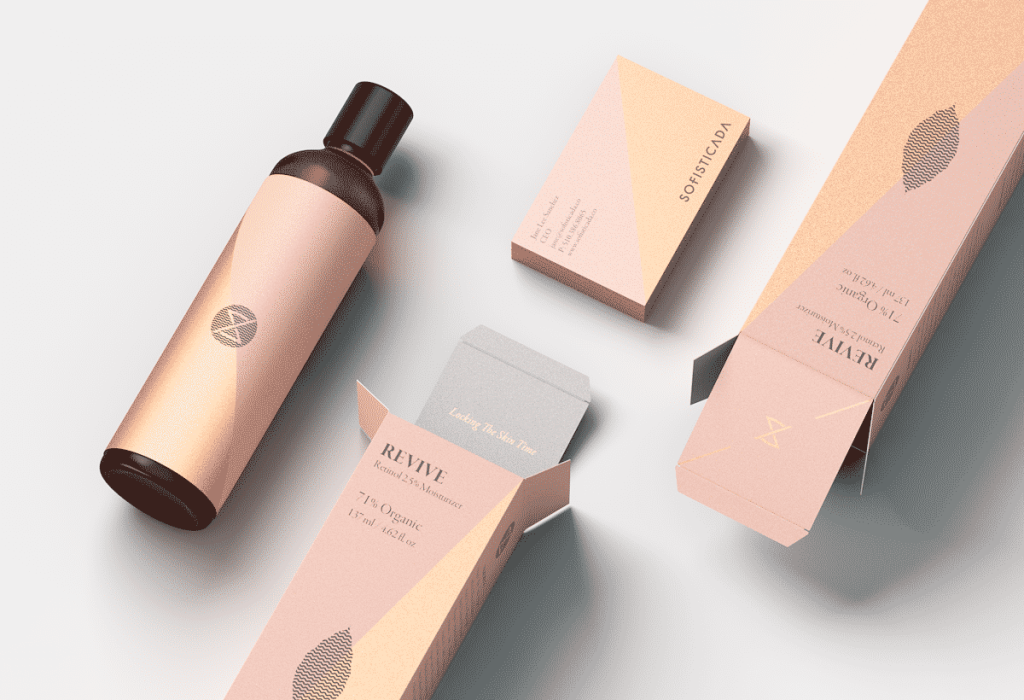
Moreover, effective packaging transcends beauty; it communicates essential product information while still maintaining aesthetic value. It serves as a canvas for showcasing the fragrance’s notes and backstory. When consumers see descriptors of top, middle, and base notes on the box, it allows them to envision the scent, making a decision easier. This transparency can be convincing, especially when paired with storytelling elements that connect the fragrance to larger narratives, such as an inspiration from a specific location or a cultural background.
The Sustainability Shift
As sustainability becomes increasingly important, brands are innovating with eco-friendly materials that resonate with environmentally-conscious consumers. This shift not only demonstrates a commitment to reducing waste but also appeals to a growing demographic that prioritizes sustainability in their purchasing decisions. Using recyclable or biodegradable materials for packaging can be a strong selling point, showcasing that a brand is not only fashionable but also responsible.
Ultimately, the significance of packaging in the beauty market is a dynamic interplay of art and strategy. By understanding how design impacts fragrance collections, we uncover important layers that resonate with both brands and consumers, leading to stronger loyalty and better market success.
DISCOVER MORE: Click here to enhance your hair care routine
The Multifaceted Role of Packaging in Fragrance Marketing
As the beauty market continues to evolve, the importance of packaging in fragrance collections becomes increasingly pronounced. Packaging is not simply a functional necessity; it serves multiple strategic purposes that influence the consumer’s journey from curiosity to purchase. Understanding these roles is crucial for brands seeking to grow their presence in this competitive space.
Psychological Triggers in Packaging Design
One of the most compelling aspects of packaging is its ability to trigger psychological responses. Research indicates that visual appeal can significantly impact a consumer’s first impressions, leading to instant attraction. This phenomenon is often referred to as the halo effect, where the aesthetics of the product mutely influence the perception of its quality. For instance, a study carried out by the Journal of Consumer Research found that consumers are willing to pay up to 30% more for products with elegant and sophisticated packaging than those with standard designs.
User Experience Enhancements
Additionally, packaging design significantly enhances the user experience, which is particularly vital in fragrance collections. A well-designed bottle or box can offer not just visual delight but also a tactile experience that engages the senses. Consider how popular brands like Chanel have designed their fragrance bottles to be not only visually appealing but also ergonomic, providing a sense of luxury and ease when in use. Some key elements that elevate the user experience include:
- Ergonomics: Packaging should feel comfortable and intuitive in the hand.
- Accessibility: Features such as spray tops or droppers should function seamlessly.
- Refillable options: Eco-conscious consumers appreciate packages that allow for replenishing without waste.
The Influence of Cultural Trends
Packaging is also a reflection of prevailing cultural trends, which brands must navigate to stay relevant. The surge in interest toward artisanal and niche fragrances has required brands to adopt packaging that tells a story—one that resonates with today’s consumers. Elements like bold typography, vibrant illustrations, and minimalistic designs are employed strategically to appeal to diverse audiences. For example, American brands like Diptyque have leveraged intricate illustrations on their packaging that speak to the artistry behind their fragrances, capturing the essence of the perfume while inviting customers into a world of olfactory discovery.
Cross-Media Considerations
With the rise of e-commerce and social media, packaging design must also account for its performance in digital spaces. Consumers often encounter fragrance products through Instagram or online marketplaces, where enticing packaging can significantly influence online purchases. Brands that succeed in creating Instagram-worthy designs are more likely to attract buzz and conversation across social platforms. Unique and visually stimulating packaging can lead to organic sharing and user-generated content, giving brands an additional marketing boost.
In summary, packaging plays a multifaceted role in the world of fragrances, merging psychological triggers with user experience and cultural relevance while adapting to the digital marketplace. By harnessing these elements effectively, brands can not only capture attention but also build deeper connections with their consumers, ensuring success in the ever-evolving beauty market.
The Role of Aesthetic Appeal in Fragrance Packaging
Packaging serves not only a protective function but also represents a pivotal marketing strategy in the beauty industry, particularly in fragrance collections. The aesthetic appeal of a fragrance bottle is often what captures a consumer’s attention first. Effective packaging design can create an emotional connection, evoking feelings associated with the fragrance itself. Research indicates that visually appealing packaging can increase sales by up to 30%, significantly impacting a brand’s market positioning and profitability.
Brand Identity and Recognition through Packaging
Beyond aesthetics, packaging plays an essential role in establishing a brand’s identity. Each design element, from color to shape, works in harmony with the brand’s ethos, reinforcing its message and values. For instance, using eco-friendly materials not only enhances the packaging’s visual appeal but also positions the brand as environmentally conscious, appealing to a growing number of eco-aware consumers. Customers often associate particular colors and designs with luxury or premium quality. For example, deep hues and minimalist designs are frequently linked to high-end products, influencing purchasing decisions.
Consumer Perception and Trust in the Market
Furthermore, the design features of fragrance packaging can enhance consumer trust. Packaging that looks secure and well-crafted implies that the product within is of high quality. According to studies, consumers often infer the efficacy of a product based on its packaging, with 83% claiming that packaging makes a strong first impression. This initial perception can lead to brand loyalty and repeat purchases, showcasing the immense influence that packaging design has in the beauty market.
| Aspect of Design | Impact on Fragrance Collections |
|---|---|
| Visual Elements | Creates immediate attraction and emotional response from consumers. |
| Brand Messaging | Reinforces identity and values, leading to greater brand loyalty. |
| Consumer Trust | Quality packaging enhances perceptions of product quality and reliability. |
In conclusion, the strategic design of fragrance packaging not only affects consumer perceptions but can also dictate market success. The impact of well-conceived packaging goes beyond mere aesthetics; it is a vital component of branding and consumer relationship-building that continues to evolve in the beauty market.
LEARN MORE: Click here to discover the connection between nutrition and hair health
Sustainability and Its Role in Packaging Design
In recent years, the push for sustainability has permeated every aspect of consumer goods, including the fragrance industry. Modern consumers, particularly millennials and Gen Z, are increasingly concerned about the environmental impact of their purchases. As a result, fragrance brands are rethinking their packaging strategies to align with consumer values. Sustainable packaging is not just an ethical choice; it’s also a competitive advantage for brands aiming to stay relevant in a market where the eco-conscious consumer is on the rise.
Eco-Friendly Materials and Practices
Utilizing recyclable, biodegradable, or compostable materials is becoming standard as brands work to reduce their carbon footprint. Companies like Jo Malone have turned toward sustainable glass for their bottles and are using decorative techniques that require fewer resources. Additionally, many brands are taking part in initiatives to switch to plant-based inks and reduce excess packaging. By incorporating sustainable elements into their designs, brands not only demonstrate accountability but also foster loyalty among eco-minded consumers.
Storytelling Through Packaging
Beyond aesthetics and sustainability, packaging also serves as a medium for storytelling. In an era where consumers are looking for more than just a product, fragrance brands are leveraging their packaging to narrate the essence and inspiration behind their scents. For example, the brand Byredo includes a short narrative on the outer box, describing the inspiration for the fragrance. This immersive experience is designed to engage consumers emotionally, making them feel part of the journey. The stories told through packaging can differentiate brands in a saturated market and reinforce the emotional connections some consumers seek.
The Impact of Limited Edition Packaging
Limited edition packaging has also become a notable trend in the fragrance market, often creating buzz and excitement among consumers. Brands such as Marc Jacobs and Lancôme frequently launch limited edition collections featuring unique packaging designs that are beautifully crafted to reflect seasonal themes or cultural milestones. This strategy not only boosts sales but also encourages collectors, who value exclusivity and artistry in fragrance packaging. Limited edition offerings can thus be a dual strategy, appealing to both new customers and loyal fans looking for unique additions to their collections.
Color Psychology and Brand Identity
The choice of colors in packaging plays a subtle yet powerful role in how a fragrance is perceived. Colors evoke emotions and can communicate brand identity, making it essential for fragrance marketers to consider their color palettes carefully. For example, black and gold often convey luxury and exclusivity, as seen in brands like Dior and Tom Ford, while softer pastel shades can evoke elements of femininity and delicacy, appealing to a different demographic. Not only does the strategic use of color strengthen brand identity, but it also helps consumers make subconscious associations that influence their buying decisions.
In essence, effective packaging in the fragrance industry is an intricate blend of sustainability, storytelling, limited edition uniqueness, and the psychology of colors. By mastering these components, brands are not just selling a fragrance; they are selling an entire experience, one that resonates with consumers on emotional, ethical, and aesthetic levels. The packaging strategy remains a critical pillar in how fragrance collections establish their place in the beauty market and build lasting consumer relationships.
DIVE DEEPER: Click here to discover the impact of pop culture on fragrances</p
Conclusion
In summary, the role of packaging in the fragrance industry transcends mere aesthetics; it is a pivotal factor that shapes consumer perception, brand identity, and sales strategies. As explored throughout this article, the importance of packaging lies in its multifaceted design elements that appeal to modern consumers. From adopting sustainable materials to crafting compelling narratives, fragrance brands are increasingly aware that packaging is not just the protective casing for their products but an integral part of the brand experience.
The push for eco-friendly solutions is transforming how brands conceive their packaging, aligning with consumers’ growing demand for responsible practices. By communicating sustainability through their design, companies can cultivate a loyal following. Furthermore, the incorporation of storytelling elements allows brands to engage consumers on a deeper emotional level, creating a memorable connection that extends beyond the fragrance itself.
Additionally, tactics like limited edition releases and an astute understanding of color psychology serve to enhance a brand’s allure and distinguish it in a crowded marketplace. By recognizing that every aspect of packaging contributes to a holistic brand narrative, fragrance companies can create immersive experiences from shelf to scent.
As consumers, we are invited to explore the profound relationship between what we see and what we smell, leading us to consider not just the fragrance but also the artistry behind its presentation. Going forward, it will be fascinating to observe how innovation continues to shape packaging designs within the beauty market, making this an area ripe for exploration and discovery. Thus, the conversation around the importance of packaging in the fragrance sector is not just ongoing but is becoming increasingly essential for anyone looking to understand the dynamics of consumer relationships and market positioning in contemporary beauty.