The Importance of Hydration: How Water Affects Your Nutritional Choices
Understanding Hydration and Nutrition
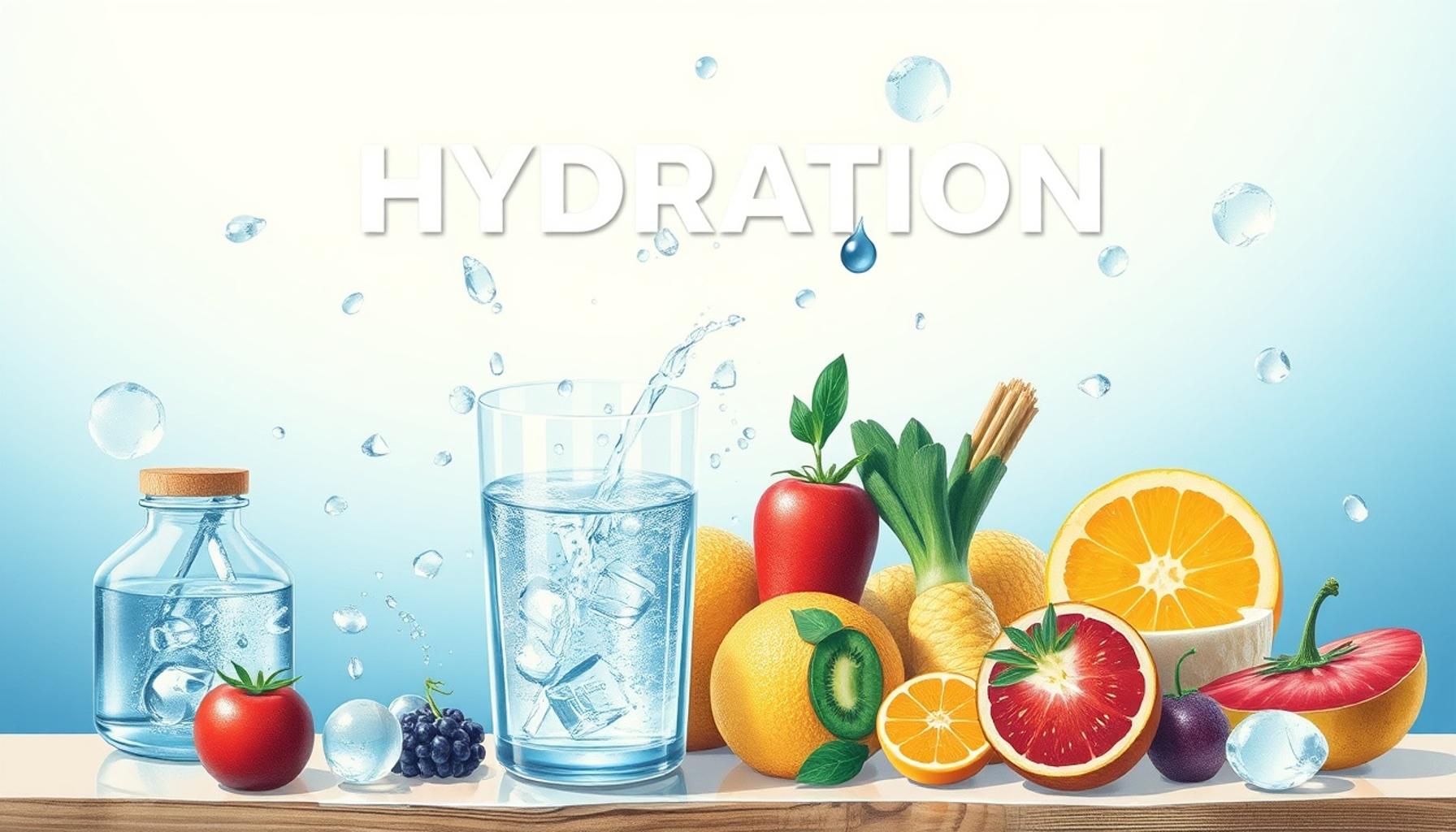
Water is often overlooked in discussions about health and nutrition, yet its role cannot be understated. Hydration is essential not only for bodily functions but also for making informed nutritional choices. Surprisingly, many people do not meet their daily water intake, which can lead to poor dietary decisions. In fact, studies have shown that the vast majority of Americans do not drink enough water each day, with many relying on sugar-laden beverages that provide empty calories but little hydration.
Consider these key points about hydration and its impact on nutrition:
- Appetite Regulation: Proper hydration plays a crucial role in managing hunger cues. When the body is dehydrated, it can misinterpret thirst signals as hunger, leading to unnecessary snacking and overeating. Drinking a glass of water before meals can help mitigate this effect, often resulting in reduced calorie intake.
- Nutrient Absorption: Water aids in the digestion and absorption of essential nutrients from food. It helps dissolve vitamins, minerals, and other nutrients, allowing them to be delivered effectively to your cells. Dehydration can hinder this process, potentially stripping your body of vital nutrients that support overall health.
- Energy Levels: Dehydration can lead to fatigue, affecting your overall motivation to eat healthily. Studies reveal that even mild dehydration can cause a significant drop in energy levels and cognitive function, making it difficult to focus on meal planning and healthy dietary choices.
In the United States, many face the challenge of meeting adequate hydration levels. The rise in consumption of sugary drinks, such as sodas and sweetened coffees, only exacerbates the issue. These beverages, while often refreshing, contribute to dehydration due to their high sugar content, which can lead to increased urine output. Therefore, the connection between water intake and food choices is critical; understanding this relationship can lead to better health outcomes.
It’s essential to explore how maintaining good hydration not only supports physical performance in activities such as exercise and sports but also enhances dietary quality. Proper hydration can improve metabolic efficiency, aiding in weight management and overall wellness.
Throughout this article, we will delve into various aspects of hydration—from the importance of water in our daily routines to practical tips for increasing water intake. We will also examine how this vital element influences your overall nutrition and health. Are you ready to discover the profound impact water has on your daily nutritional choices and how it can enhance your lifestyle?
DISCOVER MORE: Click here for insights on daily walks
The Role of Hydration in Nutritional Decision-Making
Hydration is central to maintaining not just your physical health, but also your mental acuity and emotional stability. The importance of drinking water cannot be emphasized enough, especially when it comes to making nutritional choices. Scientists suggest that the human body is composed of about 60% water, which highlights its significance in every physiological process, including the way we eat and how we digest food.
In a fast-paced society where convenience often trumps nutrition, the connection between hydration and healthy eating can easily go unnoticed. Many individuals find themselves on autopilot, reaching for snacks without first assessing their thirst. Yet, research reveals that mild dehydration can affect your cognitive functions and appetite control. Here are several key areas where hydration influences nutritional choices:
- Thirst Versus Hunger: Our brains can struggle to distinguish between hunger and thirst, which may lead to a confusion of signals. When your body is dehydrated, it may prompt you to consume unnecessary calories instead of addressing your body’s true need for water. This imbalance can escalate into unwise food choices, contributing to weight gain and nutritional deficiencies.
- Food Cravings: Dehydration can heighten cravings for sugary and salty foods. When you’re dehydrated, the body’s yearning for energy can mistakenly translate into cravings for high-calorie snacks, which offer a quick, but fleeting, energy boost. By simply drinking enough water, you can reduce the likelihood of these cravings and make smarter food choices.
- Flavor Perception: Proper hydration enhances taste perception, which can greatly influence what you choose to eat. If you’re dehydrated, your ability to taste may diminish, prompting you to opt for more flavorful (and often unhealthy) foods that might satisfy your palate despite lacking nutritional value. Staying well-hydrated can help you appreciate the natural flavors of healthier options like fruits and vegetables.
Moreover, hydration also plays a role when it comes to meal preparation and planning. When you are adequately hydrated, you are more likely to put thought into your food choices, fostering a mindset focused on nutrition rather than convenience. Consequently, the hydration-nutrition connection becomes a cycle; when you drink enough water, you feel more energized, motivated, and less likely to resort to poor food choices.
Understanding these dynamics can empower you to make better dietary decisions. Remember, hydration is not merely about drinking water but also about creating a balanced relationship with your food. Tuning into your body’s needs is essential for long-term wellness and requires mindfulness in not just hydration but overall nutrition. With every sip, think of the myriad of ways you can positively influence your health and diet.
| Category | Impact of Hydration |
|---|---|
| Hydration Levels | Optimal hydration improves energy levels, leading to smarter food choices. |
| Cognitive Function | Adequate water intake enhances focus and decision-making regarding nutrition. |
| Digestive Health | Water supports digestion, reducing bloating and promoting nutrient absorption. |
When discussing the importance of hydration, it becomes clear that water consumption plays a vital role not only in maintaining health but also in influencing nutritional choices. For instance, many studies have illustrated that proper hydration directly affects cognitive function, which is crucial when making dietary decisions. When your body is well-hydrated, your brain functions optimally, allowing you to choose healthier options rather than high-calorie, sugary snacks that are often more appealing when you’re dehydrated.Moreover, dehydration can mimic hunger, leading individuals to consume food when what they truly need is water. Therefore, ensuring adequate water intake can assist in distinguishing between genuine hunger and thirst, fostering a healthier relationship with food. Additionally, hydration is essential for digestive health. Water helps breakdown food in the digestive system, making it easier for the body to absorb nutrients efficiently. Inadequate hydration can lead to digestive issues such as constipation, which can further impede proper nutrition. Additionally, staying hydrated can spark a transformation in food choices during active lifestyles. Those who engage in physical activities are reminded to replenish fluids which ultimately guides them towards selecting nutritious meals that will aid in recovery and performance. Hence, the intricate link between water consumption and nutritional choices cannot be underestimated; doing so may unlock the doors to a healthier lifestyle.
DISCOVER MORE: Click here to dive deeper
The Impact of Hydration on Metabolism and Nutrient Absorption
Beyond hunger cues and food cravings, hydration significantly influences our metabolism and nutrient absorption. Studies have shown that proper hydration can boost metabolic rate—the rate at which your body burns calories for energy. In fact, a study published in the Journal of Clinical Endocrinology and Metabolism found that drinking approximately 500 ml of water increased metabolic rate by around 30% for about 30 to 40 minutes. This boost in metabolism can support weight management and overall energy levels, making hydration a crucial element in your weight loss and wellness strategy.
Moreover, water’s role in nutrient absorption cannot be overlooked. When you consume food, your body requires sufficient hydration to assist in the digestion process. Water helps dissolve nutrients, allowing your body to more readily absorb vitamins and minerals essential for health. A diet rich in fruits and vegetables—often high in water content—becomes even more effective when complemented by increased water consumption. For instance, foods like cucumbers and watermelons, which contain about 90% water, provide not just hydration but also essential nutrients like vitamins A and C.
Dehydration and Its Effects on Daily Energy Levels
Another critical aspect to consider is how even mild dehydration can lead to fatigue and decreased physical performance. For those engaged in regular exercise, staying hydrated plays a pivotal role in optimizing performance and recovery. A mere 2% drop in body weight due to fluid loss can result in noticeable changes, including reduced endurance, weakened strength, and impaired cognitive function. This decrease in energy can dissuade individuals from opting for healthy meals, as fatigue often leads to convenience-driven fast food choices packed with unhealthy ingredients.
Additionally, hydration can influence your exercise performance, which is crucial for individuals aiming to lead active lifestyles. During physical activity, the body loses water through sweat and respiration, stressing the importance of replenishing fluids to sustain energy levels. Studies reveal that well-hydrated individuals report less perceived exertion during workouts, making them more inclined to maintain consistent exercise routines and opt for nutritious post-workout meals over processed alternatives.
Strategies for Staying Hydrated and Making Better Nutritional Choices
Recognizing the importance of hydration can empower you to adopt strategies to mitigate both dehydration and its influence on your dietary choices. A good starting point is to keep a reusable water bottle handy throughout the day, which serves as a constant reminder to sip water regularly. Setting goals for daily water intake—such as aiming for at least eight 8-ounce glasses—can also cultivate awareness of hydration levels.
- Incorporate Hydrating Foods: Include fruits and vegetables in your meals, emphasizing those with high water content like berries, oranges, and leafy greens.
- Regularly Monitor Thirst: Cultivating a habit of drinking water before reaching for snacks can help differentiate between thirst and hunger, minimizing the chances of unnecessary calorie consumption.
- Flavor Your Water: If plain water bores you, experiment with infusing it with fresh fruits, herbs like mint, or citrus slices to make hydration more appealing.
By prioritizing hydration, you can fundamentally shift the landscape of your nutritional choices, making it easier to choose healthier options and maintain overall well-being. As you navigate through your day, keep the hydration-nutrition connection at the forefront of your mind, and witness how it can empower your food decisions and enhance your lifestyle.
LEARN MORE: Click here to discover how exercise can enhance your sleep
Conclusion
In summary, the intricate relationship between hydration and nutritional choices cannot be overstated. Water is not merely a thirst quencher; it serves as a critical component in our metabolism, nutrient absorption, and overall energy levels. As evidenced by various studies, maintaining proper hydration can enhance metabolic rates and improve calorie burning, while also facilitating the digestion and absorption of essential nutrients necessary for optimal health.
Moreover, the impact of dehydration on energy levels and physical performance is profound, often leading individuals to make unhealthier food choices when feeling fatigued. As we strive for health and wellness, it becomes increasingly clear that addressing hydration is a vital strategy in optimizing both our nutritional intake and lifestyle choices. By seamlessly integrating hydration into our daily routines—through mindful drinking and incorporating hydrating foods—we can empower ourselves to make better decisions that support our health goals.
Ultimately, understanding the role of water in our diets opens opportunities for improvement in both physical well-being and mental clarity. By prioritizing hydration and recognizing its importance, you can cultivate a healthier relationship with food and make informed choices that last a lifetime. As you embark on this journey, keep hydration at the forefront of your daily habits and watch as it transforms your nutritional landscape.

Beatriz Johnson is a seasoned skincare specialist and writer with a passion for simplifying the complexities of beauty science and skincare routines. With over a decade of experience in the aesthetics industry, she specializes in topics like ingredient efficacy, anti-aging strategies, and global beauty trends. Through her work, Beatriz empowers readers to make informed skincare choices and stay ahead in the ever-evolving world of beauty and wellness.