
The importance of daily meditation for mental health
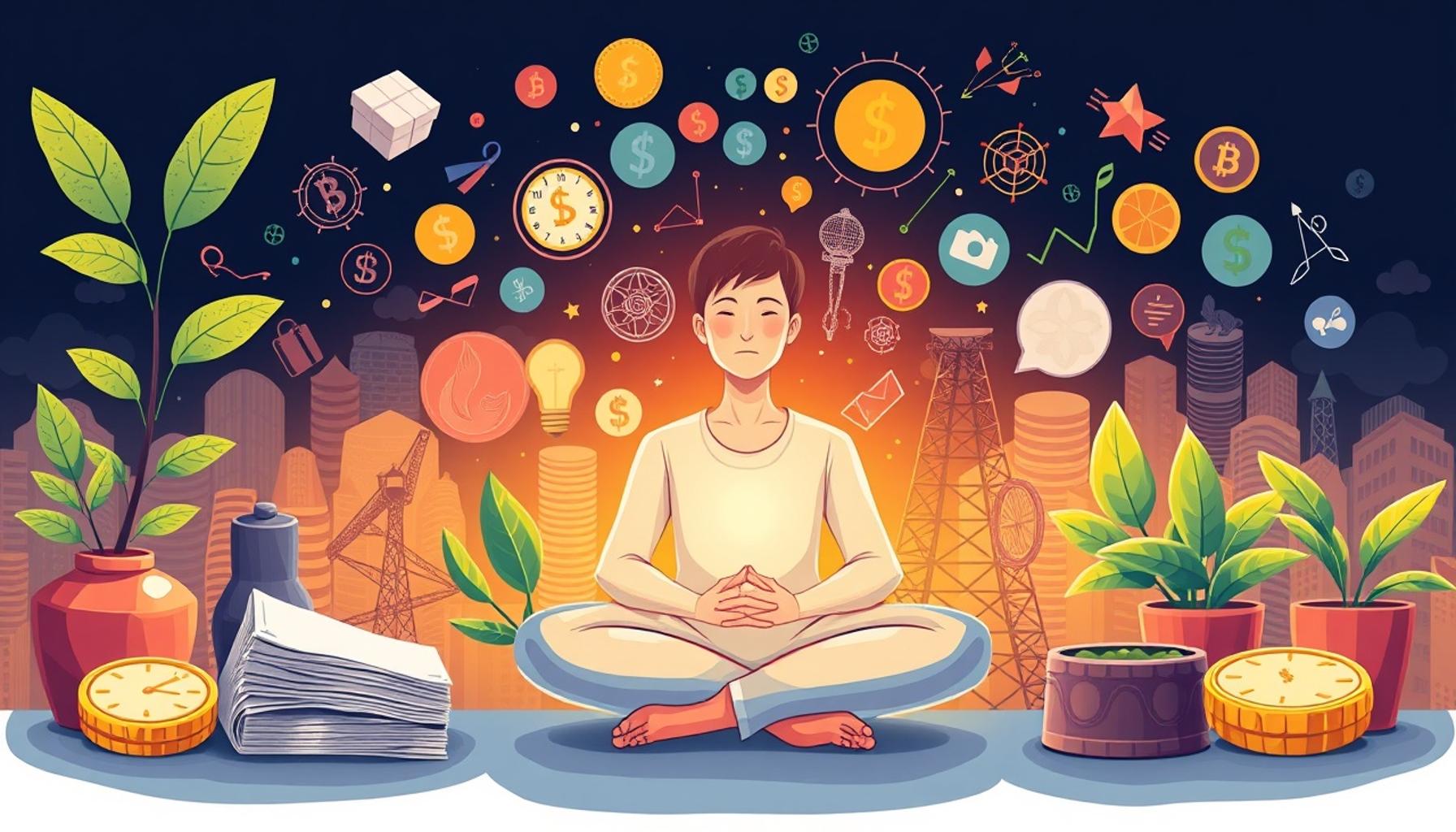
The Importance of Daily Meditation Practices
In a society where daily life is often characterized by relentless schedules and overwhelming demands, prioritizing mental health is paramount. Meditation has emerged as a powerful practice to promote psychological well-being and emotional resilience. By dedicating even a few minutes each day to meditation, individuals can nurture a sense of calm, clarity, and purpose that can profoundly affect their quality of life.
Exploring the many benefits of meditation reveals just how impactful this practice can be in fostering a healthier mindset. Consider the following advantages:
- Reduced Stress: Engaging in meditation regularly can significantly lower cortisol levels – the hormone closely associated with stress. Research by the American Psychological Association indicates that even just a few minutes of focused breathing can lead to a marked decrease in perceived stress.
- Enhanced Focus: Studies have shown that meditation can enhance cognitive functions, such as concentration and attention span. For instance, the University of California found that students who practiced mindfulness meditation exhibited improved performance on attention-related tasks compared to those who did not.
- Emotional Regulation: One of the key benefits of meditation is its ability to promote emotional intelligence. By providing tools for introspection, meditation can help individuals understand their emotions better, thereby enabling them to respond rather than react to stressful situations. This approach is not only beneficial for personal growth but also for improving relationships.
- Improved Sleep: Mindfulness and meditation are effective in combating insomnia and other sleep-related issues. According to the National Sleep Foundation, individuals who engage in relaxation techniques experience deeper, more restorative sleep patterns, leading to increased alertness during the day.
- Increased Self-Awareness: Meditation encourages self-reflection, promoting a deeper understanding of one’s thoughts, behaviors, and motivations. This enhanced self-awareness can lead to more fulfilling interactions and personal choices that align with individual values.
Further elucidating the relevance of meditation, multiple studies underscore its potential to alleviate symptoms of anxiety and depression. In the United States, the prevalence of mental health disorders is striking, affecting approximately one in five adults according to the National Institute of Mental Health. For these individuals, meditation can serve as a valuable resource, offering effective coping mechanisms to navigate mental health challenges.
As we explore the transformative benefits of meditation more deeply, it becomes apparent that this practice not only fosters personal mental health but also cultivates a more compassionate society. Engaging in meditation can lead individuals to exhibit greater empathy towards others, creating ripple effects in communities. This ripple effect highlights the interconnectedness of mental wellness and social harmony, urging us to embrace meditation as a vital component of a holistic lifestyle.
Join us as we continue to uncover the myriad ways meditation can impact not just individual lives but the world at large. It invites us to engage with our inner selves, develop resilience, and contribute positively to the fabric of society.
Unlocking the Benefits of Daily Meditation
With the escalating rates of anxiety and stress in the U.S., daily meditation has emerged as a beacon of hope for those seeking tranquility amidst chaos. The profound impact of just a few minutes spent in meditation each day cannot be overstated. It is a practice that transcends age, background, and belief systems, providing essential mental health benefits that resonate across diverse populations.
At the core of meditation’s effectiveness is its ability to foster mindfulness—a state of heightened awareness that allows individuals to immerse themselves in the present moment. This practice can disrupt the cycle of negative thoughts that often accompany anxiety and depression, providing a much-needed pause that allows for clarity and purpose. When incorporated into daily routines, meditation can function as a transformative tool, equipping individuals with coping strategies that contribute to better mental health.
Key Benefits of Daily Meditation
The diverse advantages of integrating meditation into daily life become evident upon examination. Consider the following significant benefits:
- Boosted Resilience: Regular meditation helps build mental resilience, enabling individuals to bounce back from setbacks with strength and adaptability. Research by the University of Massachusetts suggests that those who practice meditation routinely can better handle life’s challenges.
- Enhanced Cognitive Abilities: Not only does meditation improve focus, but it also boosts creativity and problem-solving skills. A study published in the journal Psychological Science found that participants who engaged in mindfulness meditation performed better on creative tasks than their non-meditating counterparts.
- Reduction in Anxiety and Depression Symptoms: Numerous studies indicate that daily meditation can actively reduce symptoms of anxiety and depression. A meta-analysis published in JAMA Internal Medicine reports significant decreases in anxiety levels among individuals who practiced meditation regularly.
- Healthier Relationships: Meditation cultivates empathy and compassion, self-attributes that can transform personal interactions. Research shows that individuals who meditate tend to experience improved communication and emotional connections with others, enriching their social lives.
- Physical Health Benefits: Beyond mental wellness, meditation has been linked to various physical health advantages, including lower blood pressure and reduced chronic pain. The Mayo Clinic suggests that consistent meditation can enhance overall quality of life.
As mental health continues to be a pressing concern in the United States, characterized by alarming statistics from the National Alliance on Mental Illness, the need for preventive strategies becomes increasingly clear. By fostering relaxation and mindfulness through daily meditation, individuals can take proactive steps toward a healthier mind.
Ultimately, the integration of meditation into one’s daily routine isn’t merely about finding time to sit quietly; it is a commitment to nurturing one’s mental well-being. As we delve deeper into the evidence supporting meditation’s impact, we begin to understand its transformative power—not just for individuals, but for communities as a whole.
| Benefits of Daily Meditation | Psychological Aspects |
|---|---|
| Enhances Emotional Regulation | Regular practice allows individuals to better manage their emotional responses, leading to a decrease in anxiety and depression symptoms. |
| Promotes Mindfulness | Engaging in daily meditation cultivates a greater sense of awareness and presence, which helps reduce stress and boosts overall mental clarity. |
Daily meditation is increasingly recognized for its vital role in maintaining mental health. The practice of meditation brings numerous benefits that contribute to an individual’s overall well-being. Firstly, it significantly enhances emotional regulation, allowing individuals to navigate their feelings with greater ease. As a result, those who meditate routinely often experience marked reductions in anxiety and depressive symptoms, creating a more stable emotional landscape.Additionally, daily meditation promotes mindfulness—a state of heightened awareness which is essential in navigating life’s challenges. By fostering this awareness, individuals can better manage stressors as they arise, granting them the ability to focus on the present moment rather than being overwhelmed by past regrets or future anxieties. This enhanced mental clarity can lead to improved decision-making and a greater sense of control over one’s life. The integration of daily meditation into one’s routine can act as a proactive approach to mental health, equipping individuals with the tools needed to face daily stressors and emotional upheavals.
Nurturing Mental Health Through Consistency
Daily meditation encapsulates more than just a practice; it serves as a vital lifeline, particularly as individuals navigate today’s complex world. The sustained commitment to meditation invites positive change not only within oneself but also within interpersonal dynamics and communities. By fostering a consistent meditation practice, individuals create a protective shield against life’s uncertainties, enhancing their resilience and mental fortitude.
The Science Behind Daily Meditation
Recent research underscores the biological transformations that occur in the brain due to regular meditation. Neuroimaging studies have shown that consistent meditation can lead to structural changes in the brain, particularly in areas associated with emotional regulation and self-referential processing. For instance, a study published in the journal Psychiatry Research: Neuroimaging highlights that participants who engaged in mindful meditation exhibited greater gray matter density in the hippocampus, a region critical for emotional regulation and memory.
Moreover, meditation can lower cortisol levels, the body’s primary stress hormone. High cortisol levels are often linked to chronic stress, anxiety, and depression, conditions that plague millions of Americans. Research conducted by the University of California, San Francisco, demonstrated that participants who practiced meditation experienced significantly reduced cortisol levels, leading to a calmer state of mind and improved overall health.
Incorporating Meditation into Everyday Life
While the benefits of meditation are evident, the challenge often lies in establishing a consistent routine. Fortunately, integrating meditation into daily life can be achieved through various methods. Many practitioners advocate for starting with just five to ten minutes each day, gradually increasing the duration as comfort grows. Apps like Headspace and Calm provide guided sessions tailored for beginners, making the process not only accessible but also enjoyable.
Additionally, meditation can be seamlessly incorporated into daily activities. Mindful breathing techniques during a morning commute or brief meditative pauses during work can serve as life-enhancing tools. For instance, taking a moment to focus on one’s breath while waiting in line or during a lunch break can create a sense of serenity and renewal, further illustrating that meditation isn’t solely reserved for quiet settings.
The Role of Community in Meditation Practice
The journey of meditation is often enriched by a sense of community. Group meditation, whether in-person or virtual, can foster connections among practitioners, creating supportive environments where individuals can share experiences and insights. The National Institute of Mental Health emphasizes the importance of social support in enhancing mental health outcomes, and group meditation, through fostering communal spirit, can offer both accountability and encouragement.
In cities across the United States, local organizations are cultivating communities that highlight the importance of meditative practices. For example, community centers in cities like San Francisco and New York host meditation groups that attract a diverse population, bridging gaps between individuals from different walks of life. This sense of belonging not only enhances individual practice but also reinforces the idea that mental health is a shared responsibility.
As we examine the essential elements of daily meditation, it becomes apparent that this practice offers a multitude of avenues for personal growth and mental well-being. The fusion of scientific validation, mindful integration into daily routines, and communal support underscores meditation’s vital role in enhancing mental health, reminding us that within the stillness lies the potential for profound transformation.
Conclusion
In today’s fast-paced and often chaotic society, the importance of daily meditation for mental health cannot be overstated. As explored throughout this article, regular meditation practices cultivate not only emotional resilience and stress management but also significant physiological changes that promote overall mental well-being. The blend of scientific evidence highlighting the beneficial effects of meditation on brain health and emotional regulation emphasizes that taking just a few minutes each day can lead to transformative outcomes.
Moreover, the integration of meditation into daily life, whether through guided apps or mindful breathing during routine activities, makes this practice accessible to everyone. As individuals embrace these small but impactful steps, they foster a deeper connection with their inner selves while enhancing their community ties. Group meditations and communal practices further enrich the experience, reaffirming that mental health is both a personal journey and a collective responsibility.
It is imperative for readers to consider incorporating daily meditation into their lives to explore the profound benefits it offers. Each meditation session is a step toward nurturing one’s mental health and fostering a more harmonious existence. As we learn to navigate the complexities of modern life, meditation stands out as a powerful tool—a moment of peace amid the noise, allowing individuals to thrive amidst adversity. For those looking to enhance their quality of life, the path to mindfulness may just begin with a single breath.