The Importance of Clutter in Our Relationships: How Physical Mess Reflects and Affects Our Personal Connections

Understanding the Impact of Physical Clutter on Emotional Well-being
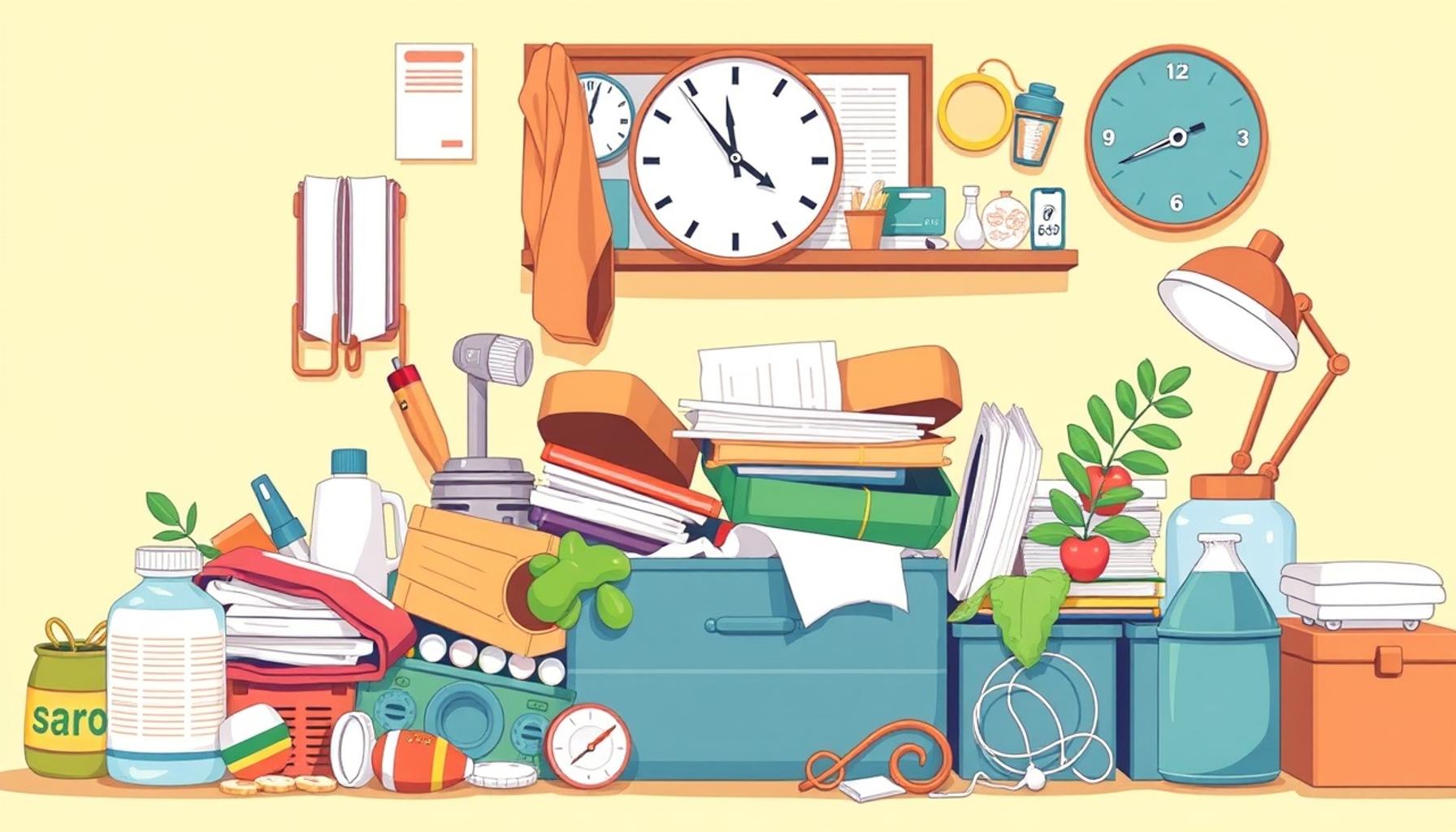
Have you ever walked into a cluttered room and felt a sense of unease wash over you? This response is not just psychological; it reflects a deeper connection between our physical spaces and emotional realities. In a world where our daily lives are increasingly busy and complexity seems to reign, being mindful of our surroundings is crucial. The relationship we have with our environment directly influences our emotional well-being and, consequently, our relationships with others.
Research consistently indicates that a chaotic environment tends to mirror our internal chaos. For instance, studies conducted by organizations like the American Psychological Association have shown that individuals living in cluttered spaces often report higher levels of stress and anxiety. This relationship can be attributed to the brain’s inability to focus amidst overwhelming visual stimuli, leading to feelings of distress and even depression.
- Stress Levels: A mound of unwashed laundry, stacks of paperwork, or an overflowing junk drawer can be more than just an eyesore. They serve as constant reminders of unfinished tasks, contributing to a pervasive sense of anxiety that can affect sleep quality and overall happiness.
- Relationship Dynamics: Clutter can strain interactions within families and partnerships. For example, a shared living space littered with belongings may lead to arguments about cleanliness, responsibility, and respect for each other’s living preferences—often escalating the tension in an already strained relationship.
- Communication Barriers: The psychological chaos created by clutter can inhibit meaningful conversations. When trying to communicate in a messy environment, one might feel overwhelmed, leading to miscommunication or avoidance, hence weakening relational bonds.
Moreover, recognizing the implications of physical clutter goes beyond mere aesthetics. It touches on several fundamental aspects of life:
- Emotional Clarity: Taking the time to declutter can help clear mental fog, providing a sense of accomplishment and control. This newfound clarity can empower individuals to tackle emotional baggage, leading to a more balanced life.
- Stronger Bonds: A tidy space creates a more welcoming environment conducive to open communication. Hosting friends and family in a clean home can foster stronger connections, reviving the joy of social interactions that may be dulled by chaos.
- Reflection of Priorities: The condition of one’s home often mirrors personal values. A well-maintained environment can indicate a prioritization of wellness and mindfulness, which enhances self-esteem and potentially improves interpersonal relationships.
As we embark on this exploration of clutter and its impact, it’s essential to consider practical steps for minimizing physical mess. By understanding how our physical surroundings shape our emotional landscape, we open up opportunities for healthier, more fulfilling relationships. So, why not take that initial step to declutter your space? You might be surprised at how much lighter you feel, both physically and emotionally.
Clutter as a Reflection of Inner Conflict
The significance of clutter extends well beyond the mere presence of physical items strewn about. It serves as a powerful indicator of our emotional state, illustrating the struggles we face in our lives and relationships. As we navigate through busy schedules, work commitments, and family responsibilities, the accumulation of clutter can often mirror the chaos we feel internally. Understanding this connection can provide critical insights into how we can foster healthier interpersonal connections.
Diving deeper into the implications of clutter reveals fascinating insights into the dynamics of household relationships. A cluttered home may not just signify personal disorganization; it often unveils unaddressed conflicts among household members. When two people share a living space, differing habits regarding organization can lead to friction. For instance, one partner’s tendency to accumulate items for sentimental reasons might clash with the other’s drive for minimalism, creating tension and misunderstandings.
- Hidden Resentments: Issues that arise from clutter can mask deeper feelings of resentment or frustration. Frequent arguments about tidiness may mean that partners are avoiding other, more significant conflicts in the relationship, leading to emotional distance over time.
- Procrastination and Avoidance: Clutter can also serve as a breeding ground for procrastination. Tasks keep piling up and the resulting mess can become overwhelming, signaling a greater reluctance to engage with one another meaningfully. This stagnation can stifle personal growth and mutual support within relationships.
- Triggers for Discontent: A disorganized environment can serve as a constant reminder of unmet responsibilities, creating a low-level stress that gradually erodes happiness. Over time, this can create significant barriers to intimacy and candid communication, making it difficult for partners to connect.
Moreover, the effects of clutter extend to friends and social interactions outside the home. A messy living space might discourage social gatherings or visits, leading to a sense of isolation. Social psychology research suggests that a clean and inviting environment fosters social interaction, while cluttered spaces tend to repel it. This domino effect signifies how clutter can diminish our social circles and weaken personal connections, further compounding feelings of loneliness.
In contrast, a well-organized space can create an atmosphere that encourages open dialogue and fosters meaningful connections. Decluttering isn’t just about throwing things away; it involves conscious decisions about what garners emotional attachment and reflects personal values. By reevaluating belongings, individuals can gain insights into their priorities, essentially allowing for personal growth.
As we continue to explore the intricate relationship between clutter and personal connections, it becomes clear that managing our physical spaces can yield profound benefits. Addressing clutter head-on not only enhances our surroundings but also transforms our emotional landscape, ultimately allowing us to cultivate stronger, healthier relationships.
| Emotional Impact | Physical Space |
|---|---|
| Increased Stress Levels | Crowded environments can heighten anxiety and irritability. |
| Communication Barriers | A cluttered space can block open conversations and emotional connections. |
| Distorted Perspectives | Physical mess can lead to misinterpretations of behaviors and intentions. |
| Reduced Intimacy | Physical clutter can create distance between partners, impeding closeness. |
The relationship between physical clutter and emotional well-being is profound. Research indicates that individuals living in a disorganized environment are more likely to experience elevated stress and anxiety. This clutter not only affects personal feelings but also can create significant barriers to effective communication among partners.For instance, when one partner feels overwhelmed by the mess in their environment, it may lead to misinterpretations of their partner’s actions or intentions, creating unnecessary conflicts. Notably, adding physical clutter often produces a ripple effect on intimacy, as partners may find it challenging to connect on a deeper emotional level when surrounded by mess.Improving physical spaces can dramatically enhance emotional connections. Eliminating clutter is not merely about aesthetics; it holds the potential to transform relationships by fostering a more peaceful, harmonious, and communicative environment. This connection between physical surroundings and personal relationships deserves further exploration, as understanding these dynamics can ultimately lead to healthier interactions and stronger bonds.
The Impact of Clutter on Communication and Conflict Resolution
The presence of clutter in our environments not only acts as a tangible representation of our emotional states but also influences communication, a fundamental pillar of any healthy relationship. When we are engulfed in disarray, the capacity to maintain open and honest dialogue diminishes significantly. Clutter creates a backdrop of distraction that can hinder our ability to actively listen and engage with those we care about.
In many relationships, the simple act of addressing household clutter can trigger intense emotions and debates. For instance, when one partner initiates a cleanup, it might not be perceived as a collaborative effort but rather as a critique of the other’s habits. This perception can lead to defensive responses and a cycle of negative communication that is difficult to break. According to a study conducted by the University of California, Riverside, 70% of participants reported feeling overwhelmed by household clutter, which in turn negatively affected their communication with family members.
- Conflict Escalation: Clutter can serve as a catalyst for conflict escalation. Routine disagreements over disorganization may mask deeper, unresolved issues within the relationship. A couple who struggles with clutter may find themselves arguing over minor issues, while the roots of their discontent remain unaddressed, leading to a more significant emotional chasm.
- Clutter as a Conversation Starter: Conversely, addressing clutter can also present an opportunity for productive conversations. Discussing organization strategies or combined decluttering efforts can foster teamwork. Exploring each other’s emotional attachments to possessions opens avenues for dialogue that can strengthen understanding and empathy between partners.
Additionally, the importance of environment cannot be understated when it comes to having difficult conversations. A clutter-filled space can make sensitive discussions about finances, life goals, or relationship expectations feel even more daunting. On the other hand, a clean and organized atmosphere can set a conducive tone for vulnerability and openness, encouraging relationship-building dialogues.
Stress and Overwhelm: The Effects on Emotional Availability
The emotional state of individuals within a relationship can be heavily impacted by their surrounding environment. Research indicates that clutter can increase stress levels by producing a sense of helplessness or overwhelm. When one or both partners are stressed, emotional availability declines, leading to feelings of isolation despite being in close proximity. In effect, clutter creates physical barriers that exacerbate emotional distances.
- Emotional Fatigue: A disorganized space can lead to exhaustion, as individuals may feel they are constantly fighting an uphill battle against the mess. This emotional fatigue can leave little room for empathy or attentiveness, which are necessary for nurturing relationships.
- Cognitive Load: Living amidst chaos can contribute to an increased cognitive load. Individuals may find it harder to concentrate on essential conversations, quality time, or even basic tasks, which can hinder relationship development.
Moreover, as we consider the social dynamics of relationships, clutter can even affect our interactions with the broader community. A cluttered home may signal that a person is overwhelmed, which can impact their readiness to engage with family or friends. This distancing can be interpreted as a lack of interest or commitment, further isolating individuals and making it harder to connect with others.
Understanding the connection between clutter and communication opens the door to practical strategies for improvement. By fostering an organized environment, couples can create a nurturing space for healthy discussions, deeper intimacy, and mutual support, ultimately enhancing their relationships in profound ways.
Conclusion: Embracing Order for Stronger Connections
The intricate relationship between clutter and personal connections reveals a profound truth: our physical environments mirror our emotional landscapes. As we’ve explored, the chaos of disorganization can lead to a multitude of challenges in relationships, from stifled communication to unresolved conflicts. The clutter not only signifies emotional overwhelm but also creates barriers to intimacy and understanding, leaving couples feeling isolated amidst the mess.
However, recognizing this connection unveils opportunities for growth and collaboration. By embracing the practice of decluttering together, couples can initiate conversations that cultivate empathy and teamwork. Addressing the emotional ties we have with our possessions can further deepen understanding between partners, fostering a sense of cooperation that transcends mere cleanup.
The move towards a more organized space is about creating an inviting environment that supports emotional availability and effective communication. Studies consistently show that a tidy home can decrease stress levels, allowing couples to focus on each other rather than the chaos around them. Essentially, decluttering is not just a physical act but a profound step towards emotional clarity and connection.
Ultimately, understanding the importance of clutter in our relationships prompts us to reflect on our environments and their impact on our connections. By taking actionable steps to align our physical spaces with our emotional needs, we can enhance our relationships, experience deeper intimacy, and cultivate a sense of belonging. As we embark on this journey towards organized living, we open the door to a more harmonious future, nurturing the bonds that truly matter.

Linda Carter is a writer and organization expert specializing in minimalism and personal organization. With extensive experience helping individuals create clutter-free, functional spaces and adopt mindful habits, Linda shares her knowledge on our platform. Her goal is to empower readers with practical advice and strategies to simplify their lives, stay organized, and achieve a sense of calm and balance in their daily routines.