
The Impact of Technology on Sleep: How to Minimize Distractions and Improve Rest Quality
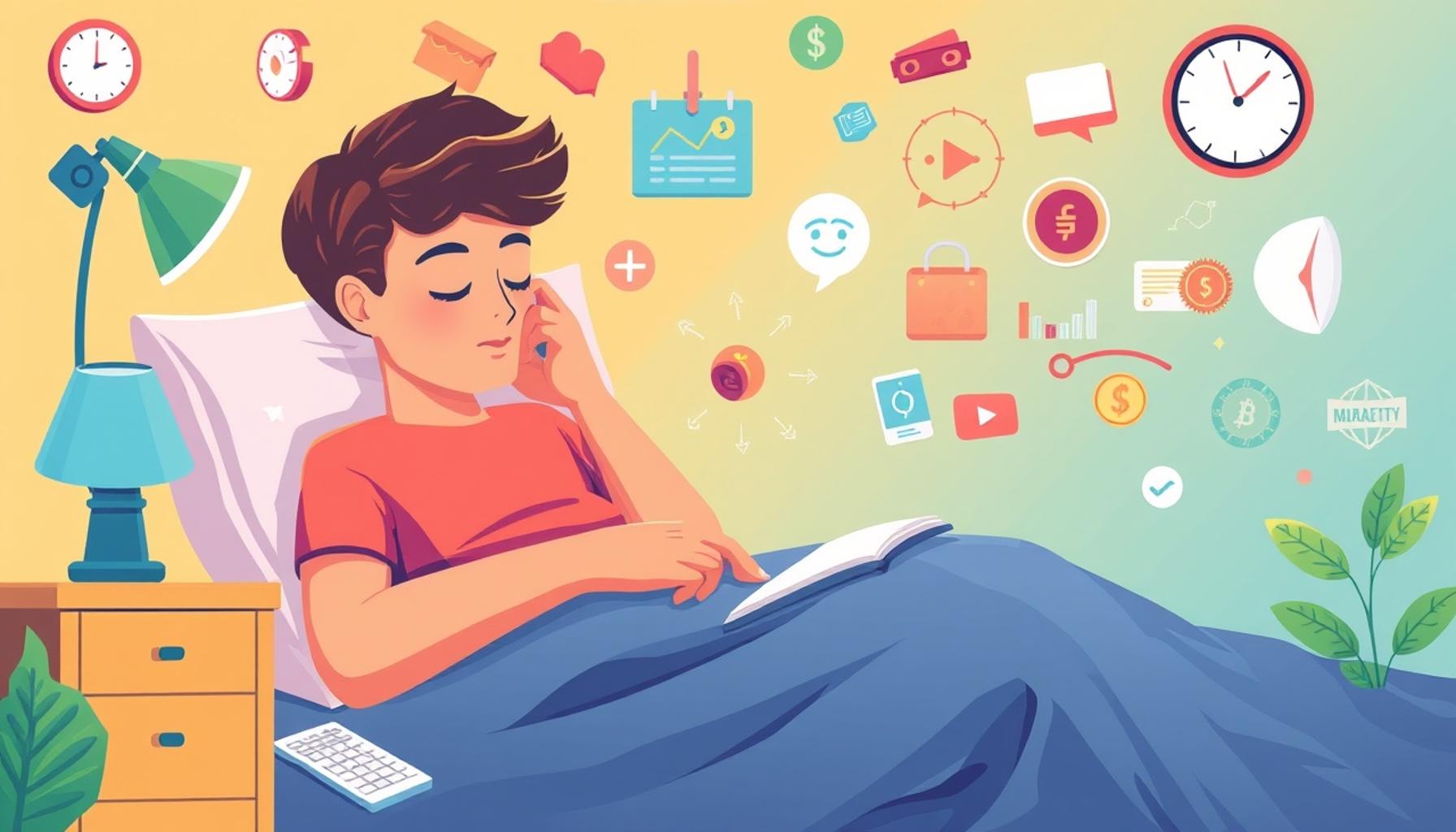
The Role of Technology in Modern Sleep Disruptions
In an era marked by unparalleled technological advancement, our daily routines are increasingly intertwined with digital devices. While this access to technology offers numerous benefits, it also introduces significant challenges that impact our sleep quality. The 24/7 connectivity that smartphones, tablets, and computers provide may keep us engaged, but this constant accessibility often disrupts our natural sleep patterns.
One of the primary culprits in sleep disruption is blue light exposure. Modern screens emit high-energy visible (HEV) light, which can hinder our bodies’ production of melatonin, the hormone responsible for regulating sleep cycles. Studies have shown that excessive blue light exposure in the evening can delay sleep onset, leading to shorter sleep duration. For example, a study published in the journal “Sleep Health” found that participants who utilized electronic devices in the hour before bedtime experienced reduced melatonin levels and poorer sleep quality.
In addition to blue light, instant notifications from social media and messaging apps can become a major distraction. The alert tones and vibrations, which often provoke curiosity or anxiety, can severely disrupt relaxation efforts and make it difficult to wind down before sleep. According to the Pew Research Center, approximately 46% of Americans report feeling the need to constantly check their devices, even during nighttime hours. This incessant urge to respond to notifications can lead to fragmented sleep, where individuals wake up multiple times throughout the night.
Moreover, engaging content on social media platforms and streaming services can promote prolonged screen time, often leading to late-night scrolling or binge-watching. The dopamine release associated with these enjoyable activities can create a cycle of increased arousal, making it difficult to disengage and prepare for sleep. A survey by the National Sleep Foundation found that nearly 90% of Americans use screens within an hour of going to bed, illustrating how technology can lure us into sleep habits that are far from ideal.
The consequences of inadequate sleep are significant, impacting our emotional well-being, cognitive performance, and overall health. Sleep disorders, exacerbated by technology use, affect a staggering 70 million Americans. Poor sleep quality has been linked to various physical health issues, including obesity, cardiovascular disease, and impaired immune function. It also contributes to mood disorders like anxiety and depression, underscoring the importance of addressing these sleep-related challenges.
Fortunately, there are effective strategies to mitigate these impacts and enhance sleep quality. Initiating a tech-free wind-down routine, for example, can significantly lower blue light exposure. Establishing a designated “device-free” zone in the bedroom can help create an environment conducive to relaxation. Additionally, utilizing apps that filter blue light or implement ‘night mode’ can offer some relief. In the following sections, we will delve into actionable tips and solutions that empower individuals to reclaim their sleep and foster healthier nighttime habits.
DISCOVER MORE: Click here to learn about the benefits of outdoor activities
Understanding the Sleep Disruption Cycle
As we navigate through our technologically driven lives, it becomes increasingly important to understand how these innovations impact our sleep cycles. The human brain, accustomed to natural rhythms, is not fully adapted to the relentless stimuli provided by digital devices. The interconnection between technology and sleep presents a complex relationship that calls for greater awareness and proactive adjustment.
Sleep hygiene, a term often associated with practices conducive to restorative sleep, is overly compromised in the digital age. One of the striking issues is the prevalence of sleep procrastination, where individuals extend their wakefulness due to the allure of screens. A recent report from the National Sleep Foundation highlights that over 50% of adults admit to sacrificing sleep for leisure time with technology. This behavior has transformed sleep from a priority into a negotiable aspect of life, leading to chronic sleep deprivation.
Furthermore, differences in sleep quality and duration attributed to technology usage can differ among age groups. For example, the American Psychological Association found that adolescents are particularly vulnerable to sleep disturbances caused by late-night screen time. The engaging nature of social media and video games can lead to what researchers term “social jetlag,” where teenagers feel awake at night but struggle to rise early for school. This disrupts their circadian rhythm, resulting in excessive daytime sleepiness, decreased academic performance, and emotional instability.
Common Technology-Induced Sleep Disruptions
The impact of technology on sleep can be categorized into several key areas that warrant attention:
- Inconsistent Sleep Schedules: With the temptation to stay connected, many people find themselves going to bed at irregular hours, leading to sleep cycle disruptions.
- Increased Stress and Anxiety: Constant notifications can induce a psychological response that elevates stress levels, making it challenging to unwind before sleep.
- Overstimulation: Engaging in exhilarating games or challenging tasks close to bedtime can lead to heightened alertness, inhibiting the body’s readiness for sleep.
- Social Comparisons: The unending cycle of scrolling through curated social media feeds can trigger feelings of inadequacy, causing emotional distress that hampers sleep.
Addressing these disruptions is not merely a personal choice; it has far-reaching implications for health. According to the Centers for Disease Control and Prevention (CDC), one in three adults do not get enough sleep, raising concerns about how persistent sleep deprivation can lead to severe health issues, including diabetes and severe depression. Therefore, taking active steps to minimize technological distractions emerges as a vital solution for improving sleep quality.
In the quest for better sleep, acknowledging the pervasive influence of technology is essential. Understanding how to reclaim control from devices is a fundamental step towards fostering healthier sleep habits in a digital landscape. In the following sections, we will explore practical strategies to reduce the detrimental effects of technology on sleep and encourage restorative rest.
The Role of Digital Devices in Disrupting Sleep
In today’s technology-driven world, digital devices are omnipresent, providing both invaluable resources and significant distractions to our nightly routine. Smartphones, tablets, and laptops emit blue light, which can interfere with the production of melatonin, the hormone responsible for regulating sleep. Studies show that exposure to blue light during the evening hours delays the onset of sleep and diminishes the overall quality of rest. This disruption makes it crucial for individuals to implement strategies to minimize technology use before bedtime.
Strategies to Reduce Distractions Before Sleep
One effective method to improve rest quality is establishing a firm screen time cutoff prior to bed. Experts recommend limiting device use at least an hour before sleep to give the brain time to unwind. Additionally, replacing screen time with other calming activities, such as reading a book or practicing mindfulness, can create a more conducive sleeping environment. Incorporating relaxation techniques, like deep breathing exercises or gentle yoga, helps in reducing mental stimulation and prepares the body for rest.
Leveraging Technology for Better Sleep
Interestingly, technology is not solely a foe to sleep; it can also be a powerful ally. Numerous apps and devices are designed to assist in improving sleep quality. For instance, sleep-monitoring wearables provide insights into sleep patterns, helping users identify disruptive behaviors and adjust accordingly. Furthermore, utilizing features like night mode or blue light filters on devices can help reduce harmful exposure and promote more restorative sleep patterns.
Creating a Sleep-Conducive Environment
The physical environment plays a pivotal role in sleep quality. Modern technology can aid in crafting an ideal sleep setting through smart home devices. Automated curtains can block out light, while smart thermostats ensure the room temperature remains optimal. In addition, white noise machines and sleep sounds applications can drown out background distractions, allowing for a more tranquil sleep experience. By leveraging technology effectively, individuals can enhance their nighttime surroundings and foster restful sleep.
Emphasizing the Importance of Sleep Hygiene
Ultimately, it is essential to prioritize sleep hygiene, defined as the habits and practices that promote high-quality sleep. By combining the innovative advantages of technology with sound sleep practices—including consistent sleep schedules, creating a comfortable sleep environment, and conscious use of digital devices—individuals can minimize distractions and improve their overall sleep quality. As research continues to uncover the intricate relationship between technology and sleep, it is evident that smart adaptations can significantly enhance one’s well-being in the digital age.
| Category | Details |
|---|---|
| Blue Light Exposure | Interferes with melatonin production, delaying sleep onset. |
| Screen Time Cutoff | Recommending a limit of one hour before bedtime for optimal rest. |
| Sleep-Monitoring Devices | Provide insights into sleep patterns to promote better habits. |
DISCOVER MORE: Click here for deeper insights on breathing techniques
Strategies to Combat Technology-Related Sleep Disruptions
Given the undeniable toll that technology can take on our sleep, it is crucial to implement effective strategies to counter these negative effects. Recognizing patterns of use and integrating mindful practices can significantly enhance sleep quality. Below are several actionable recommendations for minimizing distractions and fostering a conducive environment for rest.
Establish a Digital Curfew
One of the most effective methods to decrease technology’s impact on sleep is to establish a digital curfew. Experts suggest that individuals should cease the use of electronic devices at least one hour before bedtime. This time frame allows the brain to transition away from digital stimulation, facilitating the production of melatonin, the hormone responsible for sleep regulation. By dimming screens and opting for calming activities, such as reading a physical book or listening to soothing music, one can create a peaceful pre-sleep ritual.
Create a Sleep-Inducing Environment
The bedroom environment plays a pivotal role in sleep hygiene. Eliminating visual and auditory distractions can significantly improve sleep quality. This includes removing clutter, using blackout curtains to block light, and employing white noise machines to muffle disruptive sounds. Studies have shown that individuals who design their bedrooms with sleep-promoting elements are more likely to achieve restorative rest. Additionally, maintaining a cool room temperature, around 60-67 degrees Fahrenheit, can also contribute to more comfortable sleep.
Embrace Technology Mindfully
Rather than avoiding technology altogether, adopting a more mindful approach can prove beneficial. Numerous apps and features can aid in sleep management. For example, blue light filter settings on devices can reduce eye strain and promote melatonin production. Furthermore, sleep-tracking applications provide insights into sleep patterns, enabling users to make informed decisions about their habits. By leveraging these technological solutions, individuals can turn potential disruptors into facilitators of improved sleep quality.
Maintain a Consistent Sleep Schedule
Establishing regular sleep and wake times is crucial in reinforcing the body’s natural circadian rhythm. Irregular sleep patterns can exacerbate feelings of fatigue and hinder the body’s ability to rest. The American Academy of Sleep Medicine advises individuals to aim for consistent sleep schedules, even on weekends, to support overall sleep health. This consistency can lead to improved sleep duration and quality, paving the way for enhanced focus and energy levels during the day.
Limit Stimulants and Stressors
Acknowledging the role of stimulants in pre-sleep routines is essential. Consuming caffeine or engaging in vigorous exercise too close to bedtime can disrupt the ability to fall asleep. Moreover, developing relaxation techniques, such as meditation or deep breathing, can diminish anxiety levels and create a more tranquil state of mind. The National Institutes of Health suggests that such practices can help reduce racing thoughts and promote faster sleep onset.
With the understanding that technology greatly influences sleep patterns, it is vital to adopt measures that foster restful nights. By being mindful of technology use and implementing structured routines, individuals can significantly enhance their sleep quality, ultimately benefiting their overall well-being.
DIG DEEPER: Click here for insights on managing your time effectively
Conclusion
In today’s fast-paced, technology-driven world, understanding the impact of technology on sleep is more crucial than ever. With screens dominating our daily lives, excessive use often leads to detrimental effects on our sleep quality and overall health. However, the good news is that by implementing strategic changes, it is entirely possible to mitigate these disruptions and reclaim a restful night’s sleep.
Establishing boundaries with technology, such as adopting a digital curfew and creating a sleep-friendly environment, are fundamental steps toward achieving better rest. Furthermore, embracing technology mindfully—by leveraging sleep-tracking apps and blue light filters—can transform potential sleep disruptors into tools for better sleep management. As we strive for optimum health, maintaining a consistent sleep schedule and limiting stimulants and stressors can fortify our ability to drift into deep, restorative sleep.
In the quest for improved sleep quality, awareness and intention are key. As more individuals recognize how technology influences sleep, the collective pursuit of better sleep hygiene can foster healthier societies. By prioritizing sleep and making informed choices, the opportunity for enhanced wellness is within reach. Armed with these insights, readers are encouraged to investigate further and tailor their habits, ultimately crafting a more tranquil and fulfilling bedtime routine.

Beatriz Johnson is a seasoned skincare specialist and writer with a passion for simplifying the complexities of beauty science and skincare routines. With over a decade of experience in the aesthetics industry, she specializes in topics like ingredient efficacy, anti-aging strategies, and global beauty trends. Through her work, Beatriz empowers readers to make informed skincare choices and stay ahead in the ever-evolving world of beauty and wellness.