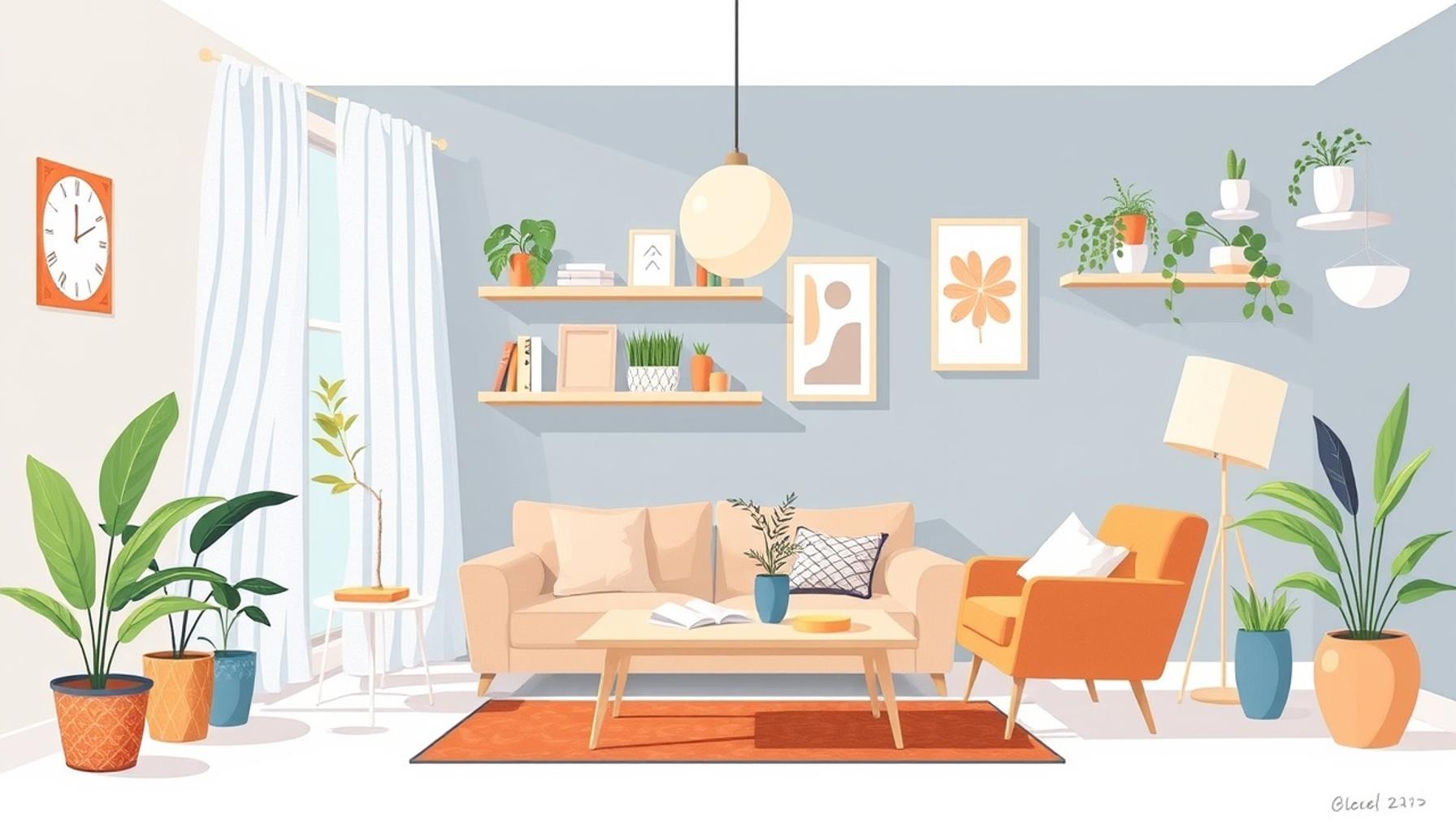
The Evolution of Minimalism: Trends and Ideas for Contemporary Spaces

Exploring the Shift in Minimalist Design
The minimalist movement has evolved significantly over the past few decades, transitioning from a reactionary artistic style into a robust and influential mainstream design philosophy. Initially, it emerged as a response to the clutter and complexity of post-World War II art and architecture, focusing on a reductionist approach. This shift now emphasizes simplicity and functionality over excess, capturing the attention of a generation yearning for clarity and purpose in their environments. Delving into its evolution provides insight into how minimalism has adeptly adapted to meet contemporary needs while aligning with cultural shifts in society.
Key Features of Modern Minimalism
- Decluttered Spaces: A hallmark of modern minimalist design is its emphasis on decluttering, resulting in open and airy environments. By prioritizing essential furnishings, living areas are transformed into tranquil sanctuaries that facilitate focus and relaxation.
- Natural Materials: The incorporation of materials like wood, stone, and other earthy elements brings a tactile warmth into minimalist spaces. For example, reclaimed wood furniture not only adds character but also promotes sustainability, connecting users with nature.
- Neutral Color Palettes: A predominant feature of minimalism is the use of whites, beiges, and muted tones. These serene color choices create calm atmospheres and allow for flexibility in decor, making it easier to introduce accent pieces when desired.
- Functional Design: Minimalism champions multi-purpose furniture that maximizes utility while minimizing visual clutter. For example, a dining table that doubles as a workspace is particularly valuable in urban homes where space is at a premium.
In the United States, the influence of minimalist design is evident in homes, offices, and public spaces alike. As urban living becomes increasingly prevalent, the necessity for functional aesthetics has never been more critical. The evolution of minimalism highlights a dynamic interplay between style and necessity, reflecting changing lifestyles and personal values.
Trends to Watch
- Sustainable Minimalism: Design practices that are eco-friendly are shaping modern spaces. This approach not only aligns with social consciousness but also appeals to those who favor investment in quality over quantity.
- Technology Integration: The rise of smart home technologies elegantly blends style with functionality. Devices such as smart thermostats and lighting can seamlessly integrate into minimalist design, ensuring that technology enhances rather than disrupts the serene aesthetic.
- Personalization: A notable trend is the adaptation of minimalism to reflect individual identities. Homeowners are increasingly incorporating personal artwork or heirlooms into their designs, making spaces that feel uniquely their own while adhering to minimalist principles.
By delving deeper into these trends and concepts, one can uncover methods to create contemporary spaces that not only embody the essence of minimalism but also resonate with personal expression. This exploration opens doors to a thoughtful engagement with living environments that prioritize simplicity while still allowing room for individuality and sustainability.
Modern Influences Shaping Minimalist Design
The minimalist aesthetic has consistently drawn talent from various fields, influencing everything from architecture to fashion, and now, it finds itself deeply entwined within the fabric of modern living. The essence of minimalism, which revolves around stripping away the non-essential, revolutionizes how individuals interact with their spaces. Today’s minimalist design does not simply represent a lack of items; instead, it is a thoughtful curation of form, function, and intentionality.
Importance of Space and Light
A cornerstone of contemporary minimalist design lies in the intelligent use of space and natural light. Architects and interior designers are increasingly focusing on creating environments that embrace openness and promote airiness. Large windows, open floor plans, and strategic lighting elements work harmoniously to create a sense of freedom and spaciousness. For instance, the use of glass walls not only invites light but also connects indoor and outdoor areas, blurring boundaries and fostering a feeling of expansiveness.
Creating Tranquility Through Design
In modern environments, the incorporation of nature plays a pivotal role in establishing a calming atmosphere. Biophilic design, which emphasizes the human connection to nature, is a growing trend within minimalism. Elements such as indoor plants, natural light, and water features enhance relaxation and well-being. For example, a simple indoor garden or a living wall can serve as a focal point, infusing life into a minimalist space while maintaining its uncluttered essence.
Color and Texture: Embracing Subtlety
The role of color in minimalist spaces cannot be overstated. While neutral palettes have dominated the scene, textures are increasingly being acknowledged for their ability to add depth and interest. The interplay between smooth surfaces and rough textures creates a tactile experience that elevates the aesthetic without overwhelming it. For instance, combining a sleek white wall with a tactile burlap accent or a polished concrete floor paired with soft woolen rugs can strike a perfect balance. Homeowners are encouraged to experiment with a variety of shades and materials while staying true to the minimalist ethos of less is more.
These evolving aspects of minimalism are indicative not only of shifts in design priorities but also of broader societal values. As people seek refuge from the chaos of daily life, the simplicity and serenity of minimalist spaces provide much-needed relief. It is this intersection of aesthetics and functionality that fuels the ongoing evolution of minimalism in contemporary contexts.
Looking Towards the Future
- Flexibility and Adaptability: The future of minimalist design will continue to embrace flexible living spaces that can adapt to the changing needs of their occupants. Sound-absorbing materials and transformable furniture will likely be key features.
- Cultural Influences: As globalization continues to shape lifestyles, expect to see elements from various cultures woven into minimalist designs, infusing spaces with unique character and storytelling.
- Holistic Approaches: The integration of wellness elements in home design, from air purification systems to smart lighting that adjusts according to circadian rhythms, will gain prominence as health and mindfulness take center stage in design philosophies.
As minimalism progresses, its adaptability to the contemporary landscape ensures its relevance in an ever-changing world, providing a rich tapestry of ideas and inspirations for creating spaces that harmonize simplicity with individuality.
The Evolution of Minimalism: Trends and Ideas for Contemporary Spaces
Minimalism has evolved from a design philosophy focused exclusively on aesthetics to a comprehensive lifestyle choice that influences various aspects from architecture to interior design. In contemporary spaces, minimalism has embraced sustainability, functionality, and technological advancements, offering a fresh perspective on living and working environments.One significant trend is the integration of natural elements into minimalist designs. Homeowners now prioritize sustainable materials such as bamboo, reclaimed wood, and organic textiles. This choice not only reduces environmental impact but also creates calming and inviting spaces. Additionally, incorporating green spaces like indoor plants contributes to tranquility and improves air quality, enhancing the overall minimalist experience.Another emerging idea is the versatility of minimalism in urban living. With the growing popularity of small apartments, designers are incorporating multifunctional furniture that optimizes space without sacrificing style. Examples include convertible sofas and foldable dining tables, which exemplify the essence of minimalism—less is more. Furthermore, the color palette of contemporary minimalist spaces has shifted toward warm neutrals, paired with bold statement pieces that draw the eye without overwhelming a room.In the realm of technology, smart home features are seamlessly blending with minimalist aesthetics, providing convenience without clutter. Devices such as hidden speakers and integrated smart lighting systems offer sophisticated functionality while maintaining visual simplicity. As minimalism continues to evolve, it remains a relevant approach to creating modern spaces that reflect the essence of comfort, functionality, and connection to nature, encouraging individuals to embrace a simpler, yet more fulfilling lifestyle.
| Category | Description |
|---|---|
| Sustainable Materials | Utilization of eco-friendly materials that promote both aesthetics and environmental responsibility. |
| Multifunctional Spaces | Adoption of space-saving furniture and designs that allow for versatility in smaller living areas. |
| Nature Integration | Bringing the outdoors in with plants and natural light to enhance tranquility and well-being. |
| Smart Home Technology | Integration of intelligent systems that enhance functionality while adhering to minimalist design principles. |
Emerging Trends in Minimalist Design
As minimalism continues to evolve, several emerging trends are reshaping the way we think about and engage with our environments. These trends not only reflect aesthetic sensibilities but also the changing social dynamics, technological advancements, and environmental consciousness prevalent in modern society.
Smart Minimalism: Integrating Technology
The rise of smart home technology is a significant factor in the advancement of minimalist design. With the ability to control lighting, temperature, and security through mobile devices, homeowners are now afforded the luxury of functionality without clutter. This integration of technology dovetails perfectly with minimalist principles, enabling seamless experiences in spaces designed to be effortlessly livable. For instance, smart thermostats can be discreetly incorporated into designs, optimizing energy usage while maintaining clean lines and a streamlined aesthetic.
Functionality Meets Artistry
Modern minimalism is also witnessing a shift towards designs that emphasize not just functionality but also artistic expression. Innovative furniture designs—such as modular seating or multifunctional pieces—reflect a growing trend of items that serve multiple purposes while making a bold statement. Artists and designers are pushing boundaries by merging art with functionality, creating singular pieces that stand out while encompassing minimalistic ideals. The design philosophy of ‘less is more’ is encapsulated when an object is both visually striking and serves an essential function in the everyday household.
Sustainable Materials and Eco-Conscious Choices
In an era marked by an increasing focus on sustainability, minimalist design is adapting to include environmentally friendly materials. Homeowners and designers alike are gravitating towards sustainable resources such as reclaimed wood, recycled metals, and organic textiles. These choices not only reduce waste but also foster a deeper connection with the environment. For example, bamboo flooring and furniture made from reclaimed wood not only add warmth and character to minimal spaces but tell a story of eco-consciousness and responsible living. This trend invites a more substantial consideration of how design choices impact the planet, promoting a lifestyle that honors simplicity while being mindful of resources.
The Influence of Japanese Aesthetics
The enduring impact of Japanese design principles—particularly the concept of ‘wabi-sabi’—is resurging in contemporary minimalist spaces. This philosophy celebrates the beauty of imperfection, encouraging the acceptance of transience and simplicity. By embracing natural materials with flaws and imperfections, homeowners create spaces that evoke a sense of peace and acceptance. The juxtaposition of modern functionality with traditional philosophy provides a refreshing take on minimalism, suggesting that beauty and utility can coexist in unison.
As minimalism navigates through cultural influences and technological advancement, it becomes clear that this design approach transcends mere trends—it’s an evolving dialogue about how we inhabit and experience our surroundings. New ideas bring forth the potential for creativity and innovation, ensuring that minimalism remains a relevant and dynamic force in contemporary design.
Conclusion: Embracing the Future of Minimalism
As we reflect on the evolution of minimalist design, it is clear that this movement represents much more than a mere aesthetic choice; it encapsulates a modern lifestyle that prioritizes simplicity, functionality, and environmental consciousness. The trends emerging within the minimalist framework—from the integration of smart technology to the utilization of sustainable materials—indicate a cultural shift towards spaces that promote a harmony between form and function.
Moreover, the influence of philosophies like wabi-sabi invites a deeper appreciation for the beauty found in imperfection, allowing individuals to cultivate environments that resonate with personal meaning and tranquility. This newly defined minimalist approach not only enhances our physical surroundings but also enriches our emotional well-being, encouraging mindful living in a world often characterized by chaos.
In examining these contemporary ideas, homeowners and designers alike are challenged to explore innovative solutions that respond to modern needs while honoring simplicity. As we continue to adapt to the dynamic landscape of design, the principles of minimalism will undoubtedly inspire innovative practices that redefine how we interact with our environment. Embracing these philosophies creates opportunities for thoughtfully curated spaces that are both functional and aesthetically pleasing.
Ultimately, the future of minimalism is set to be shaped by our values and aspirations, evolving as we navigate the complexities of contemporary life. The quest for simplicity and intentionality in our living spaces will remain a vital aspect of design, steering us towards a more reflective, eco-conscious way of life. For those seeking inspiration, the simplistic yet profound principles of minimalism offer a path to a more fulfilling and connected existence.

Linda Carter is a writer and organization expert specializing in minimalism and personal organization. With extensive experience helping individuals create clutter-free, functional spaces and adopt mindful habits, Linda shares her knowledge on our platform. Her goal is to empower readers with practical advice and strategies to simplify their lives, stay organized, and achieve a sense of calm and balance in their daily routines.