The Evolution of Fragrance Collections: From Classic Scents to Modern Blends
The Allure of Fragrance
Fragrance has always been a captivating element of human culture, transcending time and trends. The journey from classic scents to modern blends showcases the creativity and evolution in this olfactory art form. With the ability to evoke memories, influence moods, and even alter perceptions, scents have always held a significant place in our lives.
Throughout history, scents have played a vital role in various aspects of life. For instance, in ancient Egypt, fragrant oils were an essential part of religious rituals, used to please the gods and symbolize purification. Incense from the Middle Ages, often derived from aromatic resins, was burned in churches during mass, creating an atmosphere of sanctity and reverence. The use of perfumes in ancient societies was not limited to religious practices; they also signified status. High-ranking individuals were often characterized by their exclusive fragrance choices, with ingredients such as musk or ambergris, which were costly and hard to procure, becoming markers of prestige.
Moreover, the personal expression associated with fragrance is profound. Just as a favorite song can evoke powerful emotions, a uniquely chosen scent can stir vivid memories. For example, the smell of fresh linen might remind one of their childhood home, while the aroma of sandalwood may evoke a treasured trip to a distant land. Fragrance is an intimate extension of identity, intimately tied to who we are.
The Modern Fragrance Revolution
In today’s fragrance industry, we are witnessing a remarkable transformation. Modern blends deftly combine traditional notes with innovative ingredients, reflecting contemporary sensibilities and preferences. Key trends highlight this evolution. One significant development is the rise of unisex fragrances, which break traditional gender boundaries. Brands are increasingly crafting scents that appeal to all genders, recognizing that fragrance is a personal choice rather than a marker of masculinity or femininity.
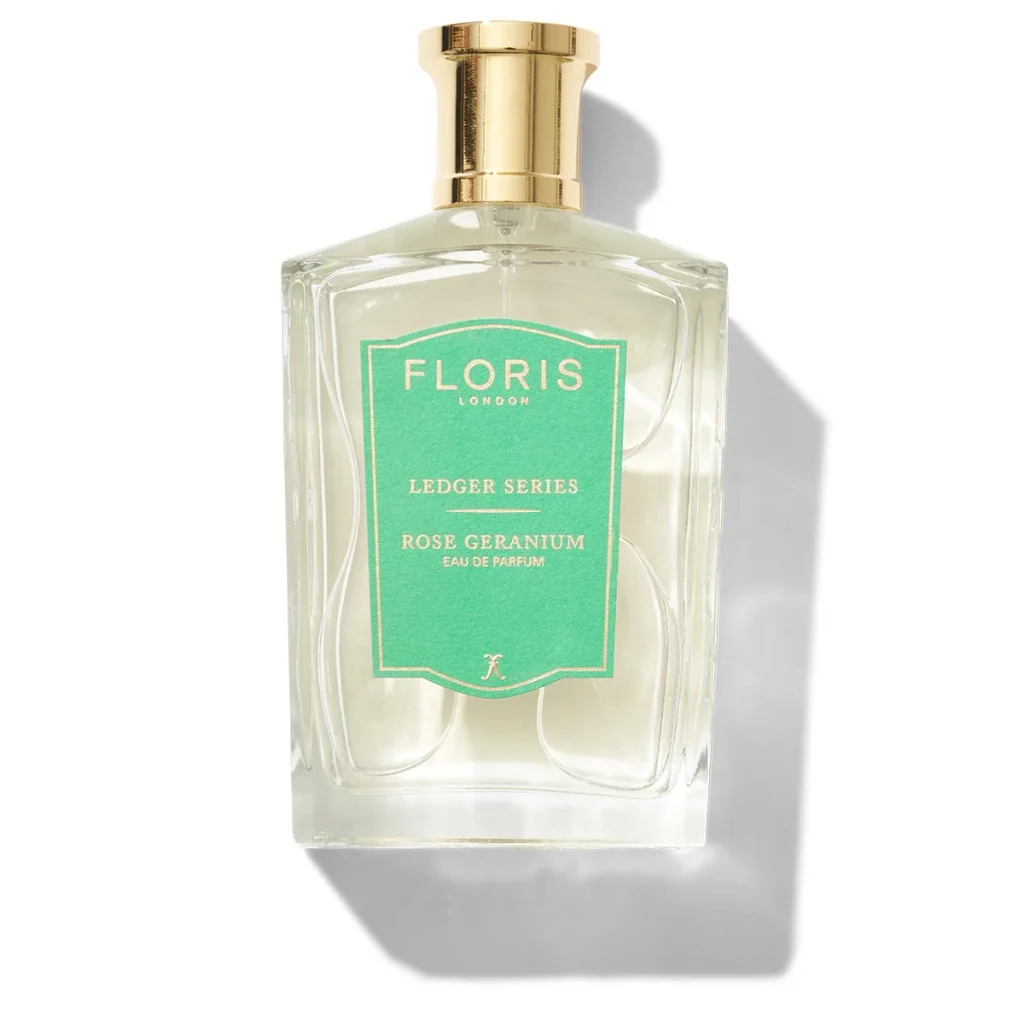
Another trend gaining traction is the shift towards natural ingredients. As consumers become more eco-conscious, the demand for organic and sustainable fragrances is growing. Many brands are now sourcing ingredients directly from nature, melding them with synthetic elements to create captivating blends that are both ethical and appealing. For example, companies are turning to sustainably harvested essential oils derived from plants like lavender and bergamot, ensuring that their products are as kind to the environment as they are pleasing to the nose.
Further influencing the market is the trend of customization. As consumers seek uniquely tailored experiences, many fragrance houses offer bespoke services, allowing individuals to create a signature scent that resonates with their personal style. This aspect of the fragrance journey not only enhances user connection to the scent but also underlines broader societal movements towards individualism and self-expression.
As we explore the evolution of fragrance collections, we will delve into the rich history, emerging trends, and the impact of culture on scent preferences. The world of fragrances continues to evolve, enticing the senses with each unique blend. This exploration reveals not just an industry but a rich tapestry of stories, emotions, and personal narratives intertwined with each aromatic note. Join us as we uncover these layers, leading to a deeper appreciation of the scents that shape our experiences.
DISCOVER MORE: Click here to learn about the challenges of men’s skincare
An Exploration of Fragrance History
The journey of fragrance collection is not merely an aesthetic experience; it is a fascinating chronicle that unfolds over centuries. Initially, fragrances were closely intertwined with cultural rituals and daily life, serving both practical and spiritual purposes. In ancient civilizations, particularly in Egypt and Mesopotamia, scents were derived from natural elements, with combinations of fragrant resins, herbs, and flowers used in ceremonies and to anoint royalty. This blending of aromatic compounds laid the groundwork for modern perfumery.
As we transitioned through the Renaissance period, the art of perfume-making blossomed. Europe saw a surge in the popularity of scents, particularly among the elite. The formulation techniques became more sophisticated, with the introduction of distillation in the 16th century enhancing the extraction of aromatic oils. This era marked the emergence of the first recognizable perfume houses, like Acqua di Parma, which continue to influence the industry today. The use of fragrant oils transitioned from a mere luxury to a staple of sophisticated living, leading to the dawn of modern fragrance collections.
In the 19th century, advancements in chemistry expanded the palette of perfumers beyond natural ingredients. Synthetic compounds emerged, enabling the creation of scents that previously seemed impossible to formulate. The ability to replicate scents such as vanillin and ionone introduced bold and exotic fragrances to the market, paving the way for iconic scents. Notable examples include Chanel No. 5, launched in 1921, which remains a quintessential representation of luxurious femininity and sophistication.
The Rise of Fragrance Categories
To understand the evolution of fragrance collections, it is essential to recognize the creation of distinct fragrance categories. These categories, which include floral, woody, oriental, and fresh, allowed consumers to navigate the vast world of scents more easily. Each category encapsulates a unique olfactory profile that caters to a variety of preferences. Here’s a brief overview:
- Floral: Characterized by the scent of blossoms, such as rose and jasmine, floral fragrances are often romantic and feminine.
- Woody: Featuring notes like sandalwood and cedar, woody fragrances evoke depth and warmth, appealing to both genders.
- Oriental: Known for their rich spice and resin base, these perfumes often convey opulence and mystery.
- Fresh: Bright and invigorating, fresh scents often include citrus and green notes, creating an uplifting experience.
With the rise of specialty fragrance houses in the late 20th century, we began to see the emergence of niche brands that focus on unique and artisanal formulas. These brands have capitalized on the desire for authenticity and individuality, often utilizing rare ingredients and small-batch production methods. This trend reflects a broader cultural shift, where consumers are leaning towards experiences over material goods, emphasizing quality over quantity in their fragrance choices.
The evolution of fragrance collections has thus been shaped by a wide tapestry of historical influences and cultural dynamics. As we delve deeper into how modern blends are reimagined from these classic roots, it’s crucial to appreciate the ongoing dialogue between tradition and innovation that continues to define the fragrance landscape today.
The Evolution of Fragrance Collections: From Classic Scents to Modern Blends
As we delve deeper into the evolution of fragrance collections, it’s essential to recognize how innovations in formulation, ingredient sourcing, and consumer preferences have shaped modern perfumery. The advent of synthetic ingredients has dramatically altered the scent landscape, providing perfumers with a palette that expands beyond traditional natural extracts. This shift has led to innovative blends that challenge our understanding of what a fragrance can be.
While classic scents, steeped in rich historical tradition, often draw their inspiration from nature, modern fragrances embrace a fusion of unexpected notes. For instance, the introduction of gourmand scents, which incorporate edible elements like vanilla, chocolate, or coffee, has caught the attention of fragrance enthusiasts. These blends not only tantalize the senses but also evoke memories and emotions, creating a multi-faceted olfactory experience.
Consumer preferences have shifted towards personalization and unique self-expression. Today’s fragrance collections cater to diverse tastes, allowing individuals to define their identity through scent. This democratization of perfume—where niche brands thrive alongside established houses—has fostered a culture of experimentation, encouraging individuals to explore and curate their unique fragrance wardrobes.
Moreover, sustainability is increasingly becoming a pillar in modern fragrance creation. Brands are now prioritizing eco-friendly practices, from sourcing natural ingredients ethically to adopting sustainable packaging. This shift reflects a growing awareness among consumers who are more environmentally conscious and prefer fragrances that resonate with their values.
In this context, it becomes clear that the evolution of fragrances is not merely a trend; it’s a reflection of broader cultural shifts and advancements in the art of perfumery. As more people venture into the world of scent, the boundaries of fragrance continue to expand, inviting exploration and discovery.
| Fragrance Type | Characteristics |
|---|---|
| Classic Scents | Rooted in natural ingredients and traditional composition, often evoking nostalgia. |
| Modern Blends | Incorporate unique synthetic notes, offering endless possibilities for personalization. |
In summary, understanding the evolution from classic scents to contemporary blends not only enriches our appreciation for fragrances but also enhances our ability to choose scents that resonate with our individual identities. With so many choices now available, the journey into the world of perfumes is rewarding, allowing for self-expression through scent in an ever-changing landscape.
LEARN MORE: Click here to uncover the details
Modern Innovations and the Art of Blending
The current landscape of fragrance collections owes much to technological advances and changing consumer preferences. Today, the art of blending has reached new heights, characterized by intricate compositions that appeal to a diverse audience. This modern approach not only emphasizes individuality but also represents the blending of traditional artistry with contemporary science. The rise of avant-garde perfumers and their experimental techniques has given birth to bold and unorthodox scents, showcasing a fearless attitude towards fragrance creation.
One trend that stands out in modern perfumery is the exploration of unusual notes and unconventional pairings. Creative perfumers are taking risks with ingredients previously considered incompatible. For example, the fusion of gourmand notes, such as caramel and vanilla, with earthy components like vetiver or leather, creates a multi-layered fragrance experience that narrates a story. These unexpected combinations resonate with consumers eager for unique and personal expressions through scent.
The evolution of fragrance collections has also been influenced by the increasing awareness and demand for sustainability and natural ingredients. Many brands are now gravitating towards eco-friendly practices, sourcing ethically produced materials that reflect a commitment to social responsibility. This movement has inspired a wave of artisanal fragrances featuring organic ingredients, celebrating the earth’s natural palette. Notable examples include brands like L’Artisan Parfumeur and Byredo, which have established a reputation for their transparent sourcing and innovative approaches to natural perfumery.
Moreover, the rise of customization in fragrance collections has enabled users to design scents that fit their personal narratives. Numerous companies now offer bespoke services that allow consumers to play the role of the perfumer. For instance, platforms like Scent Trunk and Perfume Atelier encourage individuals to explore their olfactory preferences, guiding them through the creation of a personalized scent. This democratization of fragrance formulation reflects an important shift toward individuality, making fragrances more than mere products—they become extensions of personal identity.
The digital age has significantly transformed how consumers interact with fragrances. The influence of social media and online reviews plays a pivotal role in shaping fragrance trends. The rise of fragrance influencers on platforms like Instagram and TikTok has fueled interest in niche brands and helped demystify complex olfactory terminology, making fragrances accessible to a wider audience. As many consumers seek authenticity, the willingness to share the stories behind different scents draws individuals into a larger community of fragrance enthusiasts.
The influence of the wellness movement is also notable in the contemporary fragrance scene. Many modern scents are designed not just for pleasure but also for their potential emotional and psychological benefits. Fragrances infused with aromatherapy properties, such as those incorporating lavender for calmness or citrus for invigoration, align with consumers’ growing interest in holistic health and mental well-being. As a result, perfume collections are increasingly being designed with an emphasis on mood enhancement and therapeutic qualities.
Ultimately, the evolution of fragrance collections encapsulates a rich narrative interwoven with innovation, sustainability, and personal expression. As the perfume industry continues to evolve, it is clear that the dialogue between traditional practices and modern interpretations will keep enriching the olfactory world, inviting individuals to embark on a sensory journey like no other.
DISCOVER MORE: Click here for insights on natural hair treatments
Conclusion: A New Era in Fragrance Collections
The journey through the evolution of fragrance collections reveals a fascinating intersection of history, art, and modernity. From the timeless elegance of classic scents that evoke nostalgia to the adventurous spirit of modern blends that challenge conventional olfactory norms, the perfume industry continues to thrive on innovation and creativity. We have witnessed a significant transformation driven by avant-garde perfumers who embrace innovation while remaining rooted in traditional crafting techniques.
As we delve deeper into contemporary trends, it becomes evident that consumer engagement is not solely about purchasing a product but about cultivating experiences and expressing individuality. The rise of customization underscores this shift, inviting fragrance enthusiasts to curate scents that resonate with their personal stories. Additionally, the growing emphasis on sustainability and the ethical sourcing of ingredients reflects a consciousness that aligns with the values of today’s consumers.
The influence of the digital age cannot be understated, as social media and online platforms have democratized fragrance exploration, allowing greater access and fostering community connections among enthusiasts. Furthermore, the integration of wellness into fragrance design exemplifies the industry’s responsiveness to our evolving needs, where scents are developed not only for pleasure but for emotional and psychological enhancement.
In conclusion, the evolution of fragrance collections is a testament to the power of scent as a medium for personal expression and connection to the world around us. As we look to the future, we can expect continued innovations that challenge our senses and deepen our appreciation for the olfactory arts, inviting even more exploration in the captivating realm of fragrance.