The Evolution of Essential Makeup Products: From Basic to Advanced
The Transformation of Makeup in Modern Society
The world of cosmetics has transformed dramatically over the decades. From humble beginnings to today’s high-tech formulations, makeup products have undergone significant changes that reflect societal shifts, advancements in technology, and the evolving definition of beauty. Today, makeup is not only about aesthetics but also plays an essential role in the daily routines of millions, fostering both self-expression and empowerment.
Initially, makeup served only a basic purpose: to enhance features and disguise imperfections. The ancient Egyptians, for example, used kohl to define their eyes, while women in the 18th century applied lead-based powders for a pale complexion, often risking their health for societal beauty standards. Fast forward to the present, and the industry has evolved into a rich landscape, offering products with additional benefits:
- Skincare Benefits: The modern consumer is increasingly health-conscious, leading brands to formulate products infused with skincare elements. Many contemporary foundations not only provide coverage but also include SPF and moisturizing agents. For example, brands like IT Cosmetics and Fenty Beauty have expanded their lines to include BB creams and tinted moisturizers that hydrate the skin while offering seamless coverage.
- Long-lasting Formulas: Advances in cosmetic chemistry have brought about innovations that cater to the needs of busy individuals seeking durability. Products now feature waterproof and smudge-proof formulas, allowing makeup to withstand harsh conditions—from a day at the office to a night out dancing. Brands like Urban Decay and Maybelline have gained popularity for their long-lasting foundations and setting sprays.
- Diversity in Shades: Recognizing a wider spectrum of skin tones has become a hallmark of major makeup brands. Companies like MAC and NARS have made headlines by launching extensive shade ranges to accommodate a diverse clientele, helping to deepen inclusivity in the beauty industry.
This rapid evolution is driven not just by consumer demand but also by technological innovations reshaping how products are developed and marketed. Brands are constantly seeking to excite and engage their audience with:
- Eco-Friendly Packaging: Today’s consumers are increasingly environmentally conscious, prompting a significant shift towards sustainability in product offerings. Initiatives such as refillable containers and biodegradable packaging have emerged, as seen with brands like Lush and Bite Beauty, striving to reduce environmental impact without compromising on quality.
- Smart Makeup: The integration of technology in beauty products has ushered in the era of “smart makeup.” Innovations include augmented reality applications that allow consumers to virtually “try on” products before purchase. Companies such as Sephora and Ulta Beauty are at the forefront of this trend, offering personalization through AI-driven recommendations based on individual preferences and skin types.
As we unwrap this fascinating journey through the evolution of essential makeup products, it becomes clear that past innovations have laid the groundwork for today’s advanced solutions. Each of these developments not only reflects changes in consumer behavior and societal norms but also mirrors the beauty industry’s capacity to adapt and grow. Are you ready to delve into this colorful history that continues to inspire trends and redefine beauty standards around the world? Explore how these transformations not only empower individuals but also provoke discussions around identity, artistry, and the very nature of beauty itself.
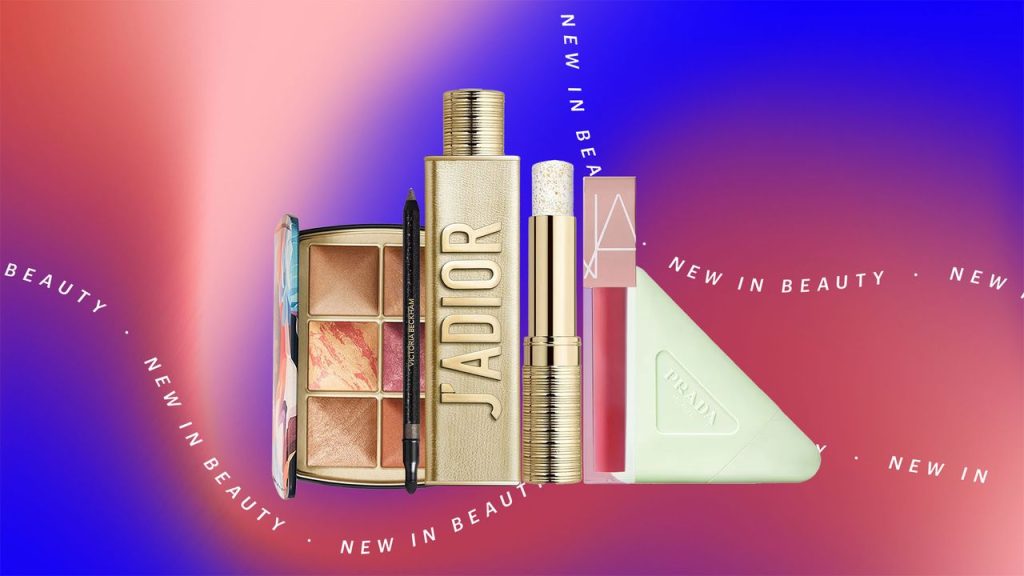
DIVE DEEPER: Click here to discover must-have makeup items
The Journey of Makeup: Early Influences and Traditional Products
The evolution of essential makeup products is a captivating tale that begins with our ancient predecessors, who, despite limited resources, displayed a remarkable ingenuity in their quest for beauty. As early as 4000 BC, the Egyptians utilized natural ingredients to create some of the first cosmetic formulations. This laid the foundation for a culture where makeup was not merely an adornment but a marker of social status and power. They relied on substances like crushed minerals for pigments, with malachite and kohl being used to accentuate the eyes—an early nod to the transformative power of makeup.
During the Renaissance period, makeup saw a dramatic shift with the introduction of the beauty ideal defined by pallid skin, which was believed to signify wealth and nobility. It was not uncommon for women to use toxic substances, such as lead and arsenic, in their quest for that coveted look. Thankfully, this era also sparked the beginning of more innovative formulations—albeit dangerous ones—by incorporating plant-based dyes and oils that paved the way for future advancements.
Fast forward to the late 19th century and early 20th century, when the advent of industrialization essentially revolutionized the makeup industry. The launch of products like the first commercially available mascara by Maybelline in 1915 marked a significant milestone, as it was one of the first times women could purchase makeup off the shelf. This event not only democratized beauty but also transformed society’s view on femininity, allowing women to express themselves in increasingly diverse ways.
Key Advancements in Makeup History
The journey of makeup continued to evolve through the decades, with several milestones significantly impacting the broader context of social beauty standards. Notably, the following advancements illustrated the changing perceptions of makeup:
- Introduction of Lipstick: In the 1920s, lipstick became a symbol of emancipation for women, marking their rising independence during the suffrage movement. Since then, it has evolved from simple hues to sophisticated formulations enriched with moisturizing components.
- The Birth of Foundation: The 1930s saw the introduction of foundations designed specifically for different skin types, leading to a more personalized approach to makeup that catered to diverse needs. This era emphasized the importance of base makeup in achieving a flawless canvas.
- Color Revolution: The 1960s brought an explosion of color and creativity with the introduction of vibrant eyeshadows and bold lip colors, encouraging self-expression beyond conventional standards. This was a time when makeup became a form of art, allowing individuals to explore their creativity freely.
Through these considerable shifts, the makeup industry increasingly acknowledged the importance of diversity and inclusivity. The ongoing journey from basic products, primarily focused on covering imperfections, to advanced formulations that offer a range of benefits encapsulates the broader narrative of change in the beauty landscape.
As we continue uncovering the rich tapestry of makeup history, we observe not only how far the industry has come but also the immense potential for future innovations. This evolution plays a critical role in shaping personal identities and societal beauty standards, inviting us to reflect on the very nature of artistry and expression in the world of cosmetics.
The Evolution of Essential Makeup Products: From Basic to Advanced
The makeup industry has witnessed a remarkable transformation over the years, evolving from basic products to advanced formulations that cater to a diverse range of preferences and needs. Understanding this evolution not only enhances one’s appreciation for cosmetics but also guides consumers in making informed choices. Early makeup products were primarily focused on functionality, with formulas that may not have prioritized skin health or aesthetics. However, recent advancements have introduced a whole new dimension to makeup, incorporating skincare benefits and innovative applications.
Technological Innovations in Makeup
One notable change in makeup products is the integration of technology. Brands are developing formulations that include ingredients not just for color, but also for skin health. For instance, foundations now boast features such as SPF protection, hydration, and anti-aging properties, providing consumers with multifunctional products.
Moreover, the rise of customizable makeup has transformed how individuals interact with their beauty routines. Advanced makeup technologies allow for personalized shades and finishes, catering to unique skin tones and preferences. This trend reflects a growing desire for authenticity and self-expression among consumers.
| Category | Benefits |
|---|---|
| Ingredient Innovation | Incorporation of skin-friendly ingredients such as hyaluronic acid and antioxidants that enhance skin health. |
| Customization | Ability to create tailored products specifically addressing individual skin types and concerns. |
The evolution of essential makeup products has not only transformed beauty routines but also fostered a deeper understanding of the connection between makeup and personal expression. As advancements continue, consumers are empowered to explore a range of products that uniquely suit their needs, paving the way for a future where makeup is as diverse and dynamic as those who wear it.
DISCOVER MORE: Click here to delve into exclusive fragrance collections
The Rise of Innovative Technologies in Makeup
The latter half of the 20th century witnessed a remarkable transformation in the cosmetics industry, driven largely by rapid technological advancements and an increasing consumer demand for performance-driven products. From skincare hybrids to sustainable formulations, makeup products began to evolve from basic coverage options to sophisticated solutions targeting specific needs, such as anti-aging and hydration, while still delivering aesthetic appeal.
One of the most notable breakthroughs in makeup technology came with the launch of airbrush makeup in the 1980s. Initially popularized by the film and television industry, airbrush systems allowed for a flawless, high-definition finish that traditional application methods struggled to achieve. The innovation doesn’t just end at flawless appearances; it also opened doors for customizable color options and formulations designed for diverse skin tones, challenging the beauty industry’s decades-long exclusivity in product offerings.
Formulation Advances: Embracing Skincare Benefits
The early 21st century marked a significant turning point, as consumers began to prioritize healthier and more natural ingredients in their makeup. As a response, brands have increasingly introduced products fortified with skincare benefits. The concept of beauty balms (BB creams) and, later, color correcting creams (CC creams) emerged, which combined the benefits of skincare—such as moisturizing, sun protection, and anti-aging—with traditional makeup, addressing multiple needs in a single application.
- Green Beauty: The growing popularity of vegan and cruelty-free products has encouraged brands to create formulations that avoid harmful chemicals and embrace ethically sourced ingredients. Brands like Tarte Cosmetics and ILIA Beauty have captured the essence of clean beauty while still providing high-performing products.
- Inclusive Shades: Makeup giants such as Fenty Beauty have dramatically reshaped the landscape by offering an extensive range of foundation shades, emphasizing inclusivity in beauty. Their launch of 40 shades and the ongoing expansion of this range underscored that makeup should cater to everyone, regardless of skin tone.
- Smart Makeup: As technology blends further with beauty, innovations such as virtual try-ons and augmented reality mirror apps have changed how consumers interact with makeup. This tech-savvy approach empowers individuals to experiment with various looks from the comfort of their homes, redefining how products are marketed and sold.
At the same time, sustainable packaging has started gaining traction, as brands aim to align with consumers’ growing environmental consciousness. Initiatives incorporating refillable options, biodegradable materials, and minimalistic designs are becoming the norm, making it clear that the future of makeup will not only prioritize beauty but also the health of our planet.
The Influence of Social Media and Cultural Shifts
Moreover, the rise of social media platforms like Instagram and TikTok has revolutionized how makeup is showcased and acquired. Influencers and beauty content creators have emerged as significant players in shaping trends and consumer preferences, highlighting new products and techniques that suit a diverse array of styles. This democratization of influence further propels innovation as brands must keep up with rapidly evolving consumer demands and trends. Tutorials and beauty challenges have not only educated the audience but also created communities united by a shared passion for makeup.
The continued progress in makeup technology and consumer-driven choices emphasizes a growing acknowledgment of individual identity and expression through cosmetics. As the evolution of essential makeup products shifts toward advanced formulations and inclusivity, it highlights the idea that makeup is not simply about looking good; it is an empowering tool for self-expression, creativity, and confidence. Through these ongoing innovations, the future of makeup remains bright, inviting everyone to discover their unique beauty narrative.
DISCOVER MORE: Click here to learn about essential makeup ingredients
Conclusion: The Future of Makeup Innovation
The rapid change in the makeup landscape is not just a trend; it signifies a deeper transformation that resonates with the diverse needs and aspirations of today’s consumers. The evolution of essential makeup products illustrates a remarkable fusion of artistry and technology, which is helping consumers tailor their beauty routines to match both their personal preferences and values.
For instance, the advent of airbrush techniques has revolutionized the way makeup is applied. This method provides a flawless finish that is not only appealing for special occasions but is also becoming popular for everyday use, thanks to tutorials and innovative products that have made airbrushing accessible to the average consumer. Additionally, the incorporation of skincare-infused formulations blurs the line between beauty and wellness. Products like skin-tint moisturizers that combine makeup with beneficial ingredients such as hyaluronic acid or vitamins cater to consumers who prioritize skin health just as much as cosmetic appeal.
Moreover, the impact of diversity in the industry cannot be overstated. Brands like Fenty Beauty, founded by Rihanna, have set a precedent by offering an extensive range of shades that celebrate all skin tones. This commitment to inclusivity is inspiring other brands to follow suit, fostering an industry culture where all individuals feel seen and valued.
The rise of green beauty has also garnered considerable attention. As more consumers become eco-conscious, they seek brands that align with their values. Companies that utilize sustainable sourcing, cruelty-free practices, and biodegradable packaging options reflect a growing awareness of the environmental impact of beauty products. This shift not only caters to environmentally-minded shoppers but also signals to the industry that a commitment to sustainability is now a crucial aspect of the consumer experience.
As social media continues to influence trends, platforms like Instagram and TikTok empower users to share their makeup journeys and personal stories. This democratization of beauty allows for a multitude of narratives, encouraging a wide range of self-expression and creativity. Each individual can contribute to the makeup discourse and challenge conventional norms, paving the way for innovation that resonates with community values.
The future of makeup is undeniably bright, driven by relentless innovation and a shared commitment to inclusivity and sustainability. As both brands and consumers adapt to this evolving landscape, the next generation of makeup products holds a wealth of potential. By engaging with these advancements, we can celebrate not just the art of makeup, but also its essential role as a tool for confidence, creativity, and connection in our vibrant culture.