The Connection Between Physical Activity and Improved Sleep Quality
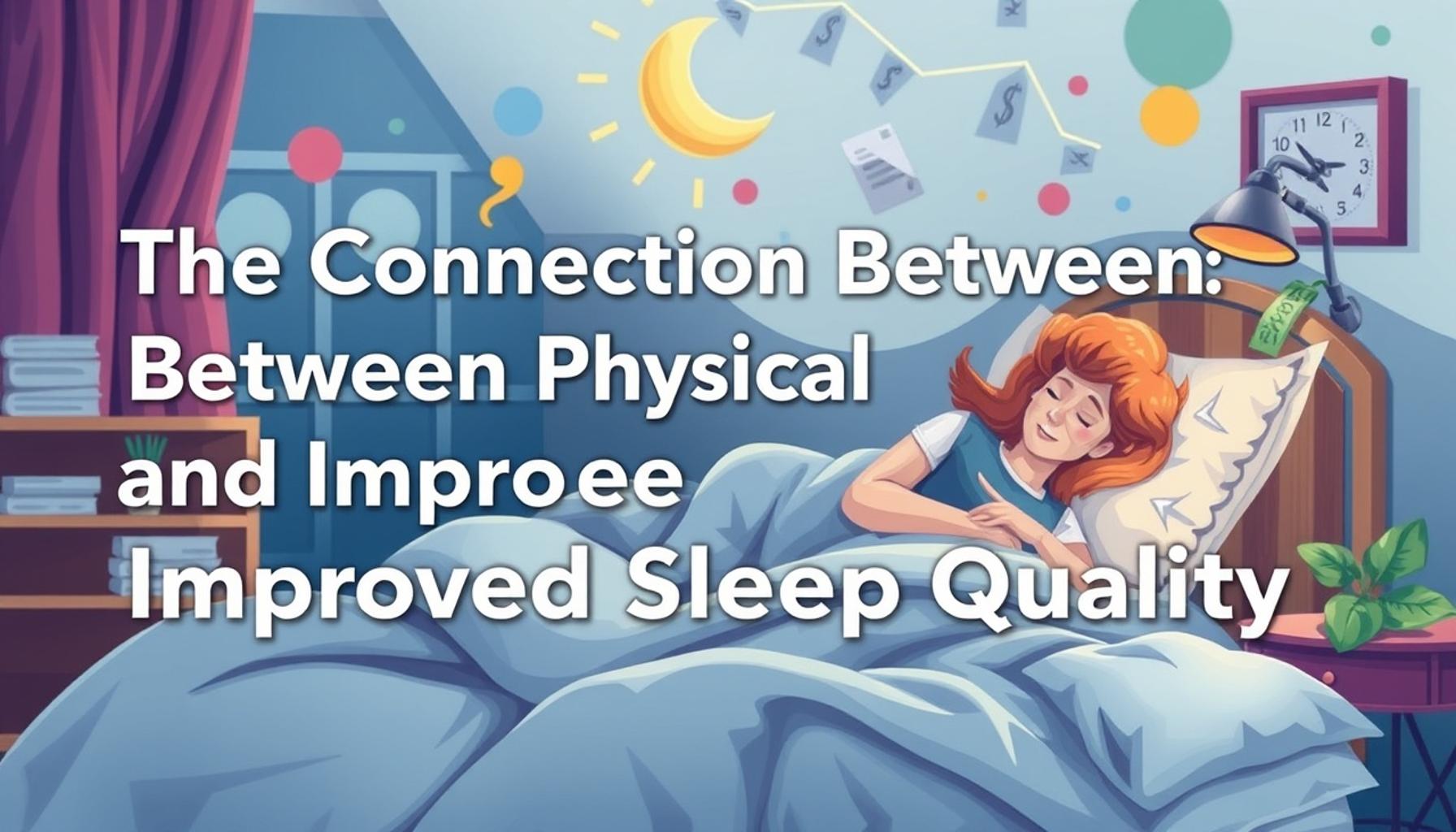
The Impact of Physical Activity on Sleep Quality
Sleep is a cornerstone of good health, yet millions of Americans struggle with sleep-related issues such as insomnia, restless leg syndrome, and sleep apnea. With rising awareness about the quality of sleep, it’s becoming increasingly clear that regular physical activity can serve as a natural remedy for these challenges. Engaging in consistent exercise may just hold the key to not only falling asleep faster but also enhancing the overall quality of sleep.
Scientific Evidence: Numerous studies substantiate the connection between regular exercise and improved sleep quality. For instance, a study published in the Journal of Clinical Sleep Medicine found that individuals who participated in aerobic exercises experienced a significant reduction in sleep disturbances. Another study highlighted that even moderate activity, like brisk walking, yielded noticeable improvements in sleep quality. These findings suggest that regardless of fitness levels, people can benefit from incorporating physical activity into their routines.
Sleep Disorders: For those afflicted with specific sleep disorders, the benefits of exercise can be particularly transformative. Individuals battling insomnia may find that aerobic workouts alleviate their symptoms, enabling them to fall asleep more easily. Similarly, research indicates that increased physical activity can also ameliorate conditions like sleep apnea, as it may help with weight management—one of the contributing factors to this disorder. Such knowledge signifies the importance of viewing exercise as a multifaceted approach to tackling sleep issues.
Hormonal Benefits: Exercise also plays a crucial role in regulating hormones that directly influence sleep patterns. Activities like vigorous exercise trigger the release of endorphins, which can improve mood and reduce anxiety—anxiety that often hampers a good night’s rest. Additionally, physical activity prompts the production of melatonin, the hormone responsible for regulating sleep cycles, leading to better overall sleep experience.
The type of exercise matters as well when it comes to promoting good sleep. Aerobic Activities: Engaging in running, swimming, or cycling increases heart rate and helps in the release of fatty acids into the bloodstream. These activities can tire the body out in a positive way, making it easier to fall asleep. Strength Training: Incorporating weightlifting or resistance exercises not only builds muscle but also enhances body composition, which can lead to improved sleep patterns. Mind-Body Practices: More gentle forms of exercise like yoga and tai chi offer both physical movement and mental relaxation techniques, paving the way for restful nights by reducing stress and promoting a tranquil mindset.
As we continue to grapple with increasing rates of sleep-related health issues in the United States, it’s evident that understanding the connection between exercise and sleep is vital. Each type of activity contributes uniquely to better sleep, allowing individuals to create personalized routines that address their specific needs. Whether it’s through a peaceful yoga session or an invigorating jog, the transformative effects of physical activity on sleep cannot be overstated.
Incorporating these forms of exercise into daily life can foster not only better sleep hygiene but also overall well-being. It’s worth considering that the journey towards improved sleep may begin with a simple decision to embrace a more active lifestyle.
DISCOVER MORE: Click here to uncover the benefits of a sleep diary
Understanding the Mechanism of Action
To grasp the profound impact of physical activity on sleep quality, it’s essential to delve into the underlying mechanisms that contribute to this relationship. When we engage in exercise, our bodies undergo a series of physiological changes that not only enhance physical fitness but also create an optimal environment for restorative sleep.
Boosting Energy Expenditure: One of the most immediate effects of physical activity is the increase in energy expenditure. Regular exercise can help regulate circadian rhythms, which are the internal clocks that dictate our sleep-wake cycles. As we engage in physical activity during the day, our bodies may naturally develop a heightened awareness of when it is time to rest, leading to an easier transition between waking and sleeping states.
Enhancing Sleep Architecture: Another critical aspect to consider is how physical activity can enhance the architecture of sleep itself. Research indicates that regular exercisers often experience a more significant amount of deep sleep, which is crucial for muscle recovery and cognitive restoration. This phase of sleep, characterized by slow-wave brain activity, plays an integral role in consolidating memories and boosting overall brain function.
In a study conducted by the American Journal of Preventive Medicine, participants reported that engaging in even a modest amount of physical activity, such as walking 30 minutes a day, led to a noticeable improvement in sleep quality within just a few weeks. The findings revealed that individuals who exercised regularly had higher levels of restorative deep sleep, reinforcing the idea that movement directly contributes to essential restorative processes during sleep.
Benefits of Regular Exercise on Sleep
Individuals looking to improve their sleep quality might find it helpful to consider the various benefits of physical activity. Here are some key advantages:
- Reduction in Stress Levels: Exercise is a known stress reliever. Physical activity increases the production of endorphins, which can mitigate feelings of stress and anxiety that disrupt sleep.
- Weight Management: Regular workouts can help maintain a healthy weight — a vital factor in improving sleep quality, particularly for those suffering from conditions like sleep apnea.
- Improved Mood: Engaging in physical activities can foster a more positive outlook on life, making it easier to relax and unwind at the end of the day.
- Consistent Routine: Establishing a regular exercise schedule can create a routine that signals the body when to wind down for sleep, promoting a healthier sleep-wake cycle.
Understanding these benefits enables individuals to make informed decisions when it comes to their physical activity choices. The data clearly supports the notion that integrating exercise into daily life is not only beneficial for physical fitness but also plays a significant role in enhancing overall sleep quality.
As we continue to explore the intricate relationship between physical activity and sleep, it’s essential to recognize that the form, timing, and intensity of exercise can all influence sleep outcomes. Tailoring an exercise routine to what works best for each individual’s lifestyle will only enhance their journey toward restorative sleep.
The Connection Between Physical Activity and Improved Sleep Quality
Understanding the intricate relationship between physical activity and sleep quality reveals how engaging in regular exercise can lead to profound benefits for your nighttime rest. Numerous studies have illustrated that individuals who engage in even moderate levels of exercise report better sleep quality and longer sleep duration compared to sedentary individuals. This section will delve deeper into specific advantages of incorporating physical activity into your daily routine and highlight key aspects that enhance sleep.
| Benefits of Exercise | Impact on Sleep Quality |
|---|---|
| Regulates Sleep Patterns | Physical activity helps to synchronize circadian rhythms, which are crucial for improving sleep regulation. |
| Reduces Anxiety and Stress | Exercise stimulates the production of endorphins, which mitigate anxiety and promote relaxation, leading to better sleep. |
The combination of these benefits creates a compelling case for integrating physical activity into daily life, as doing so not only enhances physical health but also significantly contributes to achieving a more restful and rejuvenating night’s sleep. Understanding this synergy opens the door to further exploration of how specific types of exercise can affect sleep patterns differently, whether it be aerobic activities, strength training, or flexibility exercises. Each form of exercise offers unique advantages that can cater to individual needs for improving sleep quality.
DIVE DEEPER: Click here to discover the connection
Exploring Types of Physical Activity and Their Impact on Sleep
When considering the connection between physical activity and enhanced sleep quality, it’s vital to recognize that not all exercises yield the same results. Different types of physical activities can have varying effects on sleep patterns. This section delves into the distinctions between aerobic exercises, strength training, and mindfulness practices, highlighting their unique contributions to achieving better sleep.
Aerobic Exercise: One of the most effective forms of exercise for enhancing sleep quality is aerobic exercise, which includes activities such as jogging, swimming, or cycling. According to the Sleep Research Society, participants who engage in aerobic exercises regularly often report longer sleep duration and improved sleep efficiency. Aerobic exercise is particularly advantageous because it raises body temperature and stimulates the production of melatonin, the hormone responsible for sleep regulation. Interestingly, even low-intensity forms of aerobic exercise can be beneficial. Studies indicate that individuals who briskly walk for 30 minutes daily tend to fall asleep faster and experience deeper sleep cycles.
Strength Training: While less explored, strength training is gaining recognition for its role in improving sleep quality. Resistance exercises, such as weight lifting or bodyweight workouts, can lend to improved mood and decreased anxiety levels. Research indicates that individuals who engage in regular strength training may experience enhanced sleep quality due to the overall reduction in fatigue and muscle tension that can accumulate throughout the day. Furthermore, strength training can aid in the regulation of cortisol levels, the body’s primary stress hormone, which can severely disrupt sleep when elevated.
Mindfulness-Based Practices: Besides traditional forms of physical activity, mindfulness practices such as yoga and tai chi deserve attention when discussing sleep quality. These practices often combine physical movements with deep breathing, helping reduce stress and tension. A study published in the Journal of Clinical Sleep Medicine found that participants who practiced yoga reported significant improvements in sleep quality and daytime sleepiness. The gentle stretches and meditative elements of mindfulness practices facilitate relaxation, which can be particularly helpful for those who struggle with insomnia or anxiety-related sleep issues.
Timing Matters: Exercise and Sleep
The timing of physical activity also plays a crucial role in its effect on sleep. Engaging in intense workouts close to bedtime may lead to heightened adrenaline levels, making it difficult to wind down and fall asleep. On the contrary, morning or early afternoon exercise has been shown to synchronize the body’s circadian rhythms more effectively, leading to improved sleep at night. A survey by the National Sleep Foundation indicated that people who exercised in the morning felt sleepier at night compared to those who exercised later in the day.
As individuals evaluate their routines, it’s essential to find a balance that matches their lifestyles and personal preferences. Whether choosing moderate aerobic exercise in the morning, incorporating strength training sessions during the week, or integrating mindfulness practices, understanding how these different types of physical activity impact sleep can empower individuals to make informed decisions. The nuances of exercise types and timing reveal that the journey to improved sleep quality is unique for everyone.
DISCOVER MORE: Click here for relaxing sleep techniques
Conclusion: Unlocking the Link Between Exercise and Sleep Improvement
In conclusion, the profound connection between physical activity and improved sleep quality cannot be overstated. Numerous studies have consistently shown that engaging in regular physical exercise can lead to significant enhancements in sleep duration, efficiency, and overall restorative experiences during the night. Whether through aerobic activities, strength training, or mindfulness practices, individuals have a variety of approaches at their disposal to positively influence their sleep patterns.
As highlighted, aerobic exercise stands out for its remarkable ability to increase melatonin production, while strength training contributes by reducing muscle tension and stress levels. Moreover, mindfulness practices offer a holistic approach that blends physical movement with mental relaxation, further supporting sleep improvement. Understanding that even modest levels of exercise, such as walking or practicing yoga, can have substantial effects allows for accessible pathways to better sleep.
Additionally, the timing of exercise plays a crucial role in optimizing sleep benefits. Morning and early afternoon workouts can better align with our natural circadian rhythms, encouraging a healthier sleep-wake cycle. This revelation serves as an invitation for individuals to experiment with their routines and discover what works best for them personally.
Ultimately, embracing physical activity as a consistent part of daily life presents an opportunity not just for better health and fitness, but for achieving the restful sleep we all crave. By making informed choices regarding the types and timing of exercise, individuals can take strides towards enriching their overall wellness and discovering the rejuvenating power of restorative sleep.

Beatriz Johnson is a seasoned skincare specialist and writer with a passion for simplifying the complexities of beauty science and skincare routines. With over a decade of experience in the aesthetics industry, she specializes in topics like ingredient efficacy, anti-aging strategies, and global beauty trends. Through her work, Beatriz empowers readers to make informed skincare choices and stay ahead in the ever-evolving world of beauty and wellness.