The Art of Decluttering: Transforming Your Home into a Simplified Space
Unleashing the Power of Decluttering
Living in a cluttered space can lead to more than just visual chaos; it can cause stress and hinder productivity. When we surround ourselves with unnecessary possessions, we often lose sight of what truly matters. Decluttering is not just about throwing things away; it’s about creating a sanctuary that fosters peace and clarity, allowing our homes to reflect our values and priorities.
Why Declutter?
- Improved mental well-being: Numerous studies reveal that a tidy space can lead to a calmer mind. For instance, research from the Princeton University Neuroscience Institute found that clutter can make it difficult to focus and process information, thus increasing feelings of stress. A decluttered environment, therefore, often promotes relaxation, helping individuals to think more clearly and feel more at ease.
- Enhanced productivity: In a time where productivity is paramount, finding what you need quickly and effortlessly is invaluable. A well-organized workspace can lead to significant improvements in efficiency. For example, a study published in the journal ‘Environment and Behavior’ suggests that individuals who work in tidy environments complete tasks faster and feel more motivated to tackle them.
- Inviting atmosphere: A simplified home exudes warmth and hospitality. Instead of feeling overwhelmed by clutter, guests are likely to feel welcomed and at ease in a serene environment. Imagine walking into a home that feels open and inviting, where each piece of furniture and decor serves a purpose. This atmosphere can encourage meaningful connections and positive experiences.
Transforming your home involves more than just removing excess items. It’s about making conscious decisions regarding what to keep, what to donate, and what to discard. With minimalism gaining traction across the United States, countless resources such as books, apps, and workshops are available to help guide you through this liberating journey. The popularity of decluttering icons like Marie Kondo has led many to rethink their relationships with their possessions, emphasizing items that “spark joy.”
Steps to a Simplified Space
- Assess your belongings: Begin by taking inventory of your items. Deliberate over what truly adds value to your life. Ask yourself questions like, “When did I last use this?” and “Does this item bring me happiness?”
- Organize thoughtfully: After deciding what to keep, arrange your items in designated spaces. Utilize storage solutions like baskets and bins, and label them to promote an orderly environment. This organization not only enhances visual appeal but also ensures ease of access.
- Commit to regular decluttering: Make decluttering a habitual practice rather than a sporadic task. Consider setting aside time each month to reassess your belongings, ensuring they align with your current lifestyle and needs.
Join the movement and discover how the art of decluttering can transform your home into a space that reflects your best self. By reducing distractions and focusing on the essentials, you can unlock the simplicity that awaits beyond the clutter. Making this commitment to decluttering can lead to profound changes not just in your physical environment but also in your emotional and mental well-being. Take the first step today and watch as your life begins to flourish.
Understanding the Psychology of Clutter
Before embarking on your decluttering journey, it’s crucial to understand the psychology behind why we accumulate clutter in the first place. Clutter often carries emotional baggage, holding onto memories associated with items that may no longer serve a purpose. From childhood toys to mementos from past relationships, these objects can become symbols of our past selves, making it challenging to let them go. Recognizing this emotional connection is an essential step in overcoming the reluctance to declutter.
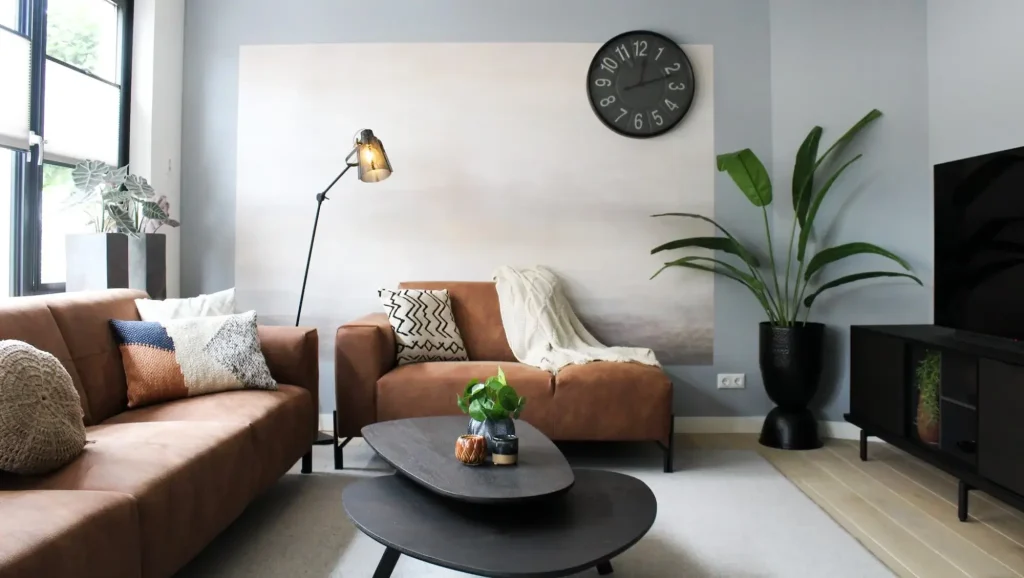
Moreover, studies indicate that our surroundings have a significant impact on our psychological state. A report by the American Psychological Association suggests that environments with excessive clutter can lead to feelings of overwhelm, making it difficult to concentrate and increasing anxiety. By understanding the effects of clutter on mental health, you can gain the motivation needed to take action and create a serene environment.
Benefits of a Simplified Space
- Increased focus and clarity: A streamlined space allows for less distraction, enabling individuals to concentrate on tasks at hand. This is particularly important in our fast-paced world, where every moment counts. A clean environment can boost creativity and foster problem-solving skills.
- Restored energy: Clutter can drain your energy as your mind is constantly processing the excess items around you. A decluttered space not only revitalizes your energy levels but also encourages a sense of accomplishment and control over your environment.
- Financial savings: The act of decluttering can also have financial benefits. By reassessing your belongings, you may discover items that can be sold or donated, ultimately reducing the need for new purchases. This practice aligns with sustainable living as well, allowing you to contribute positively to the environment.
As you begin to delve deeper into the practice of decluttering, keep in mind that a simplified space is more than just an aesthetic choice; it is a way to rejuvenate your mental health and reclaim your life from distractions. By confronting the emotional underpinnings of your clutter, you can create a space that is not only organized but also filled with purpose.
In the next section, we will explore practical strategies to tackle the decluttering process effectively. With so many resources at our disposal today, including innovative apps and support groups, it has never been easier to embark on this transformative journey towards a more simplified and meaningful lifestyle. Get ready to embrace the art of decluttering and see how it can reshape not just your home, but your life.
| Advantages | Details |
|---|---|
| Enhanced Mental Clarity | A decluttered space promotes focus and creativity, allowing individuals to think clearly and effectively. |
| Improved Living Space | By simplifying your environment, your home becomes more functional and aesthetically pleasing, creating a serene atmosphere. |
The process of decluttering not only changes the physical space but also deeply impacts our mental state. As scientific studies show, a tidy environment can lead to higher productivity levels and reduced stress. When our surroundings are neat and organized, our minds can follow suit, leading to enhanced creativity and better decision-making.Moreover, decluttering yields profound benefits for your living experience. Removing excess items allows for a more spacious feel, enabling easier movement and a pleasant atmosphere. It often leads to the rediscovery of items you truly cherish, thus allowing you to curate a home filled with meaningful belongings. Embrace the art of decluttering, and experience these transformative effects firsthand.
Practical Strategies for Effective Decluttering
Once you grasp the underlying reasons for your clutter, it’s time to put that understanding into action. Decluttering is not merely a one-time event; it requires strategy and commitment. Here are some practical techniques that can make the process manageable and even enjoyable.
The Four-Box Method
The Four-Box Method is a systematic approach to sorting through your belongings. Label four boxes as Keep, Donate, Sell, and Trash. Begin by tackling one area at a time, such as a closet or a room. As you sift through items, assign each piece to one of the boxes. This method not only helps you make decisions but also provides a clear way to handle items that you no longer wish to keep.
The 90/90 Rule
Another effective strategy is the 90/90 Rule. This concept, popularized by decluttering expert Marie Kondo, suggests assessing whether you’ve used an item in the last 90 days or if you plan to use it within the next 90 days. If the answer is no, it’s time to consider parting ways with that item. By enforcing this rule, you can quickly eliminate items that don’t contribute to your daily life.
Digital Decluttering
In our increasingly digital world, clutter isn’t confined to physical spaces. Digital clutter can also take a toll on mental well-being. Start by organizing your digital files: delete files you no longer need, categorize remaining items into labeled folders, and unsubscribe from unnecessary email lists. Apps specialized in productivity, such as Trello or Evernote, can help streamline your digital life into a simplified workspace.
Incorporating the One-In, One-Out Rule
To prevent future clutter from accumulating, consider the One-In, One-Out Rule. For every new item you bring into your home—whether it’s a clothing article or a gadget—commit to removing one item. This practice keeps your space limited to only those things that are truly valuable or useful, reinforcing a lifestyle of intentional consumption.
Creating a Maintenance Routine
After decluttering, it’s essential to establish a maintenance routine to keep your space organized. Set aside a few minutes each week to assess your belongings, tidy up, and readjust as necessary. Daily habits, such as the Five-Minute Rule, stating that any task that can be completed in five minutes should be done immediately, can help maintain a sense of order in your home.
As you engage with these strategic approaches, remember that the goal is not to achieve perfection but rather to foster a lifestyle that prioritizes simplicity and intentionality. Embrace the process of decluttering as a journey, not just an endpoint. Each item you choose to keep or release is a step toward creating a more harmonious and simplified environment.
Conclusion
In a world increasingly defined by excess, mastering the art of decluttering emerges not only as a practical necessity but also as a pathway to mental clarity and emotional peace. The buildup of clutter, whether in our physical spaces or digital environments, often weighs heavily on our minds, leading to feelings of overwhelm and distraction. By actively engaging with your possessions through well-structured methods—like the Four-Box Method and the 90/90 Rule—you can begin to unearth the beauty of simplicity in your home. The Four-Box Method involves categorizing items into four distinct boxes: Keep, Donate, Sell, and Trash. This clear division helps to streamline the decision-making process. Meanwhile, the 90/90 Rule prompts you to ask yourself if you have used an item in the past 90 days or if you will use it in the next 90 days, helping prioritize what truly adds value to your life.
Moreover, as you tackle the digital realm through digital decluttering, such as organizing files, unsubscribing from unnecessary emails, and deleting unused applications on your devices, you take proactive measures with rules like One-In, One-Out. This principle encourages the habit of removing a possession every time you acquire something new, fostering a balanced approach to ownership. You create a holistic strategy that extends beyond tangible possessions, leading to an environment where every object serves a purpose. As a result, you can experience improved focus, reduced stress, and enhanced creativity, paving the way for increased productivity in both personal and professional spheres.
Ultimately, creating and maintaining a simplified space requires ongoing effort and commitment, yet the rewards are immeasurable. By establishing a consistent maintenance routine—like dedicating just 15 minutes each week to tidy up—you can cultivate a home that remains a sanctuary rather than a storage unit. Engaging in seasonal decluttering rituals can also help keep your environment intentional and inviting. So, embrace the process of decluttering as an intentional lifestyle, paving the way for an enriched, uncluttered life filled with clarity, joy, and purpose. As you simplify, remember that each small step contributes to a larger transformation, revealing a space where you can truly thrive.

Linda Carter is a writer and organization expert specializing in minimalism and personal organization. With extensive experience helping individuals create clutter-free, functional spaces and adopt mindful habits, Linda shares her knowledge on our platform. Her goal is to empower readers with practical advice and strategies to simplify their lives, stay organized, and achieve a sense of calm and balance in their daily routines.