
Refuge Spaces: Creating Relaxation Areas with Minimalist Principles
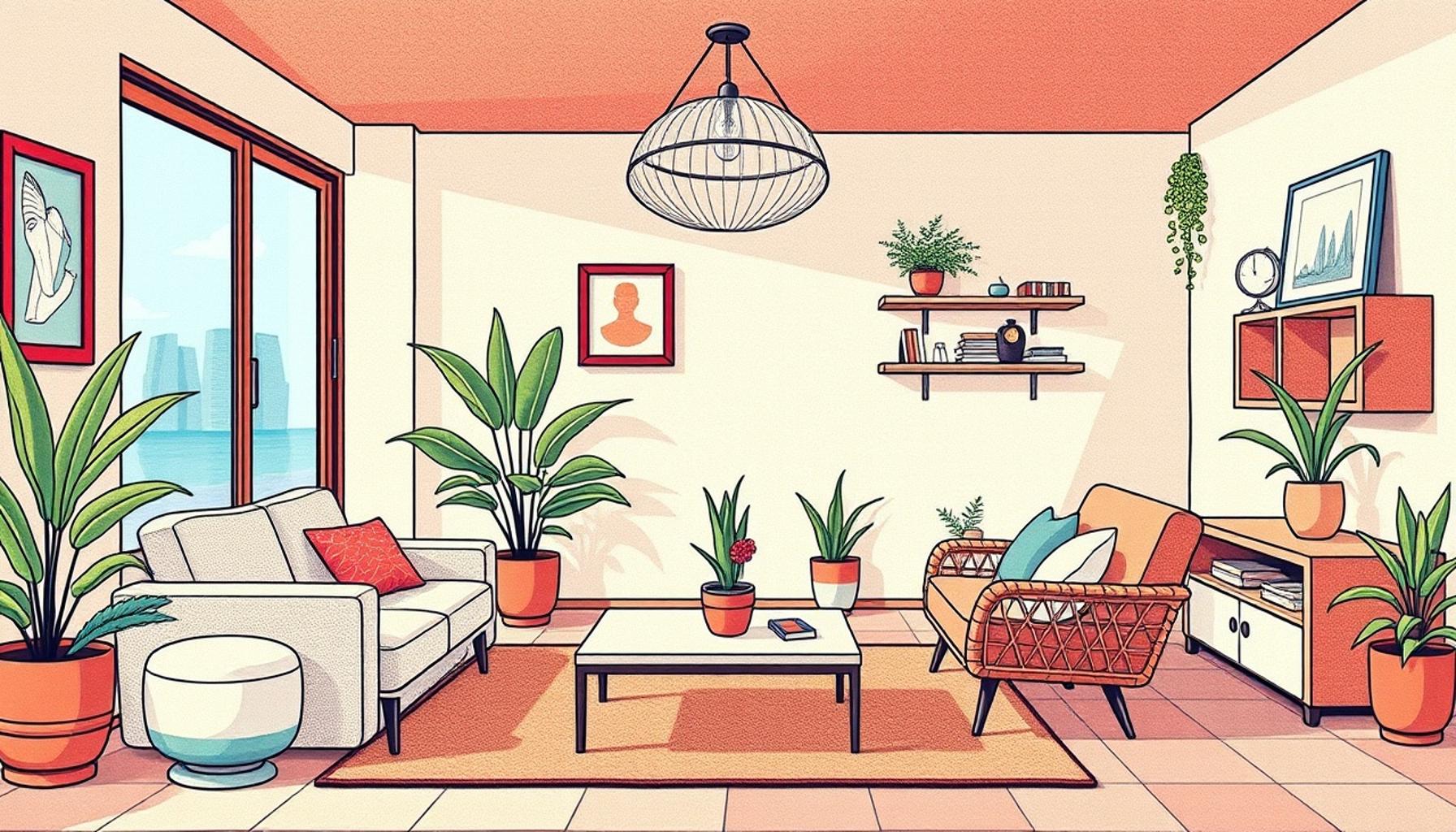
Creating Your Own Sanctuary
In today’s fast-paced world, the search for personal sanctuaries has become increasingly prevalent. As the daily grind can lead to stress and anxiety, many individuals are turning to refuge spaces as a solution for finding tranquility. The essence of this concept revolves around minimalist principles, which focus on simplicity, functionality, and intentional design. Such spaces provide an opportunity to disconnect from the chaos of everyday life, allowing for moments of rejuvenation and peace.
Why Minimalism Matters
Minimalism transcends mere aesthetics; it is a lifestyle choice that advocates for clarity and peace of mind through intentional living. Creating a refuge space involves several essential steps aimed at fostering a calming atmosphere:
- Decluttering: Begin by removing unnecessary items that clutter your environment and disrupt your mental peace. This process doesn’t solely pertain to physical objects; it also encompasses emotional decluttering, such as letting go of stressors that weigh you down.
- Calming Colors: Choose a color palette that naturally promotes relaxation. Soft tones like light blues, gentle greens, and muted earth tones are known to enhance feelings of serenity and help you unwind.
- Natural Light: Emphasizing the use of natural light can uplift your mood and energize your space. Consider strategically placing mirrors to reflect light or using sheer curtains to invite sunlight while maintaining privacy.
In the United States, the increasing popularity of wellness retreats and mindfulness practices showcases a collective yearning for personal refuge. These retreats often focus on creating minimalist environments that encourage guests to disconnect from technology and reconnect with themselves. Importantly, establishing a refuge space requires not an abundance of square footage but rather a commitment to creating a mindful and intentional sanctuary within your available space.
Key Features of Refuge Spaces
Designing an effective relaxation area involves consideration of the key features that contribute to a calming environment:
- Comfortable Seating: Invest in high-quality seating options, such as a well-cushioned chair or a plush floor cushion. This furniture should invite you to rest and fully engage in unwinding activities, such as reading or meditating.
- Natural Elements: Incorporating plants helps purify the air and brings life into your sanctuary. Additionally, water features, like a tabletop fountain or even a small fish tank, can add soothing sounds that promote relaxation.
- Sensory Balance: Enhance your space with thoughtful sensory elements such as soft music, gentle fragrances from essential oils, or burning incense. These elements help create an atmosphere conducive to relaxation and personal reflection.
As the connection between minimalist principles and the creation of calming refuge spaces flourishes, consider how these insights could transform your environment. Armed with a vision for your sanctuary, you can cultivate a harmonious setting tailored to your personal needs, ultimately leading to a more balanced and peaceful life.
Defining Your Space: The Principles of Minimalism
The journey toward crafting an effective refuge space begins with understanding the core principles of minimalism. This design philosophy stems from the idea that less is more, alleviating the clutter that overwhelms modern life. By embracing a minimalist mindset, individuals can create environments that foster emotional and mental well-being.
One critical aspect of minimalism is the importance of functionality. Every element in your refuge space should serve a purpose, contributing to the overall aesthetic and function of the area. For instance, furniture should be both stylish and usable, emphasizing simple lines and shapes rather than elaborate designs. This means selecting pieces that seamlessly blend form and function, which can significantly enhance both comfort and peace of mind. By curating a selection of necessary and beneficial items, you can cultivate an atmosphere of intentionality, reinforcing the purpose of your sanctuary.
Another vital principle involves intentionality in design choices. When adding decorative elements, consider how they contribute to the overall calming effect of your refuge space. For example, choose wall art that evokes inspiration or serenity, such as calming landscapes or abstract pieces with soft hues. Each item should resonate with your desire for tranquility, helping create a cohesive space grounded in mindfulness.
Creating Flow: The Layout of Your Refuge
To further enhance the sanctuary experience, pay attention to the layout of your refuge space. A well-designed layout promotes ease of movement, allowing you to transition effortlessly between activities like meditation, reading, or simply relaxing. Consider the following elements when planning your space:
- Open Space: Avoid overcrowding your refuge with furniture or decor. Aim for an unobstructed area where you can freely move, which can foster a sense of openness and clarity.
- Defined Zones: Consider creating specific zones within your sanctuary. For instance, designate a corner for reading with a comfortable chair and a small bookshelf, or a meditation space with soothing elements like a yoga mat or cushions.
- Natural Flow: Arrange furniture in a way that encourages natural traffic flow. This helps in fostering a sense of harmony, ensuring your sanctuary is a space where relaxation comes easily and intuitively.
When designing your refuge space, it’s essential to acknowledge that it’s a continuous process. Adjustments may be needed as you discover which elements resonate with your personal journey toward tranquility. Remember, the goal is to create a harmonious environment that not only meets your immediate needs but also promotes lasting peace and relaxation.
As you delve deeper into establishing your sanctuary, the marriage of minimalist design and functionality will undoubtedly partner to create a rejuvenating refuge that stands as a tranquil retreat in your everyday life.
Refuge Spaces: Creating Relaxation Areas with Minimalist Principles
Creating a refuge space rooted in minimalist principles transforms not just the aesthetics of a room but also enhances emotional well-being. By removing clutter and focusing on essential elements, such spaces promote peace and tranquility. Minimalism cultivates an environment that fosters relaxation and mindfulness, similar to a calming retreat where stress melts away.Utilizing natural materials and neutral color palettes plays a significant role in establishing a serene atmosphere. Soft textures and gentle lighting can enhance the sense of comfort, encouraging individuals to take a pause from their busy lives. Moreover, the incorporation of plants brings life into the space, improving air quality while promoting a connection with nature. Indoor greenery is known for its psychological benefits, helping to alleviate anxiety and increase feelings of calmness.The importance of functionality cannot be overlooked in minimalist design. Each piece of furniture or decor should serve a purpose while contributing to the overall aesthetic harmony of the refuge space. Thoughtfully chosen furnishings that are both beautiful and practical allow for a seamless balance between form and function, optimizing the atmosphere for relaxation. For those interested in creating their own haven of peace, understanding the key components of minimalist design is essential. Choosing fewer but higher-quality items, fostering an open layout, and creating a cohesive atmosphere will yield a successful sanctuary that invites serenity into the daily routine.
| Advantage | Key Features |
|---|---|
| Enhanced Relaxation | Creates a serene environment minimizing distractions. |
| Clutter-Free Space | Focus on essential items fosters a calming atmosphere. |
As you explore the principles of minimalist design, consider how the integration of these advantages can contribute to the creation of a personal refuge space that appeals not only to the senses but also to the mind. By investing in simplicity, you could unveil profound tranquility tailored to your own lifestyle.
Curating a Sensory Experience: The Role of Color and Texture
As you continue to sculpt your refuge space, color and texture emerge as pivotal components that can significantly influence your emotional experience. Minimalism teaches that each hue and material should serve a distinct purpose, enhancing the overall atmosphere without overwhelming the senses. By strategically selecting colors and textures, you can create a layered sensory experience that fosters relaxation and comfort.
Color psychology plays a vital role in this aspect. Soft, muted tones—such as pastels, light blues, and gentle greens—are often associated with tranquility and calmness. They can help reduce stress levels, making them ideal for a sanctuary. For instance, painting walls in a serene pale blue can mimic the calming effect of a clear sky, bringing an outdoor feel into your indoor refuge. In contrast, vibrant colors may evoke strong emotions and possibly disrupt the serene ambiance you strive to create.
Texture, too, contributes a tactile dimension that enhances your space’s appeal. Incorporating natural materials such as wood, cotton, or linen can introduce a sense of warmth and grounding. A cozy wool throw draped over a minimalist chair creates both interest and comfort, while a smooth stone or ceramic vase can add a touch of tranquility through its organic shape and feel. Mixing textures while maintaining a balanced palette reinforces the minimalist ethos, allowing you to experience comfort without visual chaos.
Natural Elements: Bringing the Outdoors In
Incorporating nature into your refuge space connects you to the calming essence of the great outdoors. Biophilic design—an approach that integrates the natural world into built environments—is paramount in creating a balanced and restorative haven. Plants are wonderful additions, not merely for their aesthetic appeal but also for their air-purifying properties. Consider low-maintenance options like snake plants, pothos, or succulents that thrive indoors while requiring minimal care.
The placement of these plants can further enhance the flow within your space. For example, a tall plant positioned in a corner can draw the eye upward, creating an illusion of height, while smaller plants on shelves add depth and intrigue to your design. Additionally, integrating natural light is essential; if possible, maximize window space to allow sunlight to cascade into your refuge. This not only brightens the area but also promotes mood enhancement, grounding your environment in a natural, soothing light.
Remember that the inclusion of nature in your refuge space is not limited to plants. Natural materials, like a wooden coffee table or a jute rug, can echo outdoor elements, reinforcing the concept of tranquility and grounding as key tenets of your sanctuary.
Finally, sound can also play a crucial role in establishing your refuge. Incorporate elements that contribute to an auditory oasis—perhaps an essential oil diffuser with a gradual hum, or soft background music that complements the calm ambiance. Each auditory element can add to the overall sensory experience, reinforcing your desire for a peaceful retreat from the demands of everyday life.
Conclusion: Embracing Serenity Through Minimalism
In a fast-paced world often inundated with stimuli, creating a refuge space that embraces minimalist principles offers a much-needed sanctuary for relaxation and rejuvenation. By prioritizing intentional design, we allow ourselves to cultivate environments that actively promote tranquility and reduce stress. The careful selection of color and texture, coupled with the integration of natural elements, forms the foundation of a space that resonates with calming energy.
The essence of minimalism emphasizes the idea that less truly is more. By decluttering both our physical space and mental load, we open ourselves to a serene experience that encourages mindfulness and self-care. Moreover, the incorporation of elements such as plants and natural light not only elevates the aesthetic appeal but also enhances our overall well-being, promoting a sense of harmony with nature.
As you embark on your journey to create your own refuge, consider how each choice you make—from the colors on your walls to the materials of your furnishings—can contribute to an oasis of calm. Utilize biofeedback tools or well-being apps to evaluate your environment, and continuously adapt based on what resonates with your senses. Embracing minimalism in your retreat is not merely a design choice; it is a lifestyle that encourages balance and peace amid the chaos of modern life. As you refine your personal haven, remember that your refuge space is an extension of yourself, inviting relaxation and revitalization with every breath you take.

Linda Carter is a writer and organization expert specializing in minimalism and personal organization. With extensive experience helping individuals create clutter-free, functional spaces and adopt mindful habits, Linda shares her knowledge on our platform. Her goal is to empower readers with practical advice and strategies to simplify their lives, stay organized, and achieve a sense of calm and balance in their daily routines.