Physical activity as a tool for socialization and strengthening community ties

The Role of Physical Activity in Community Building
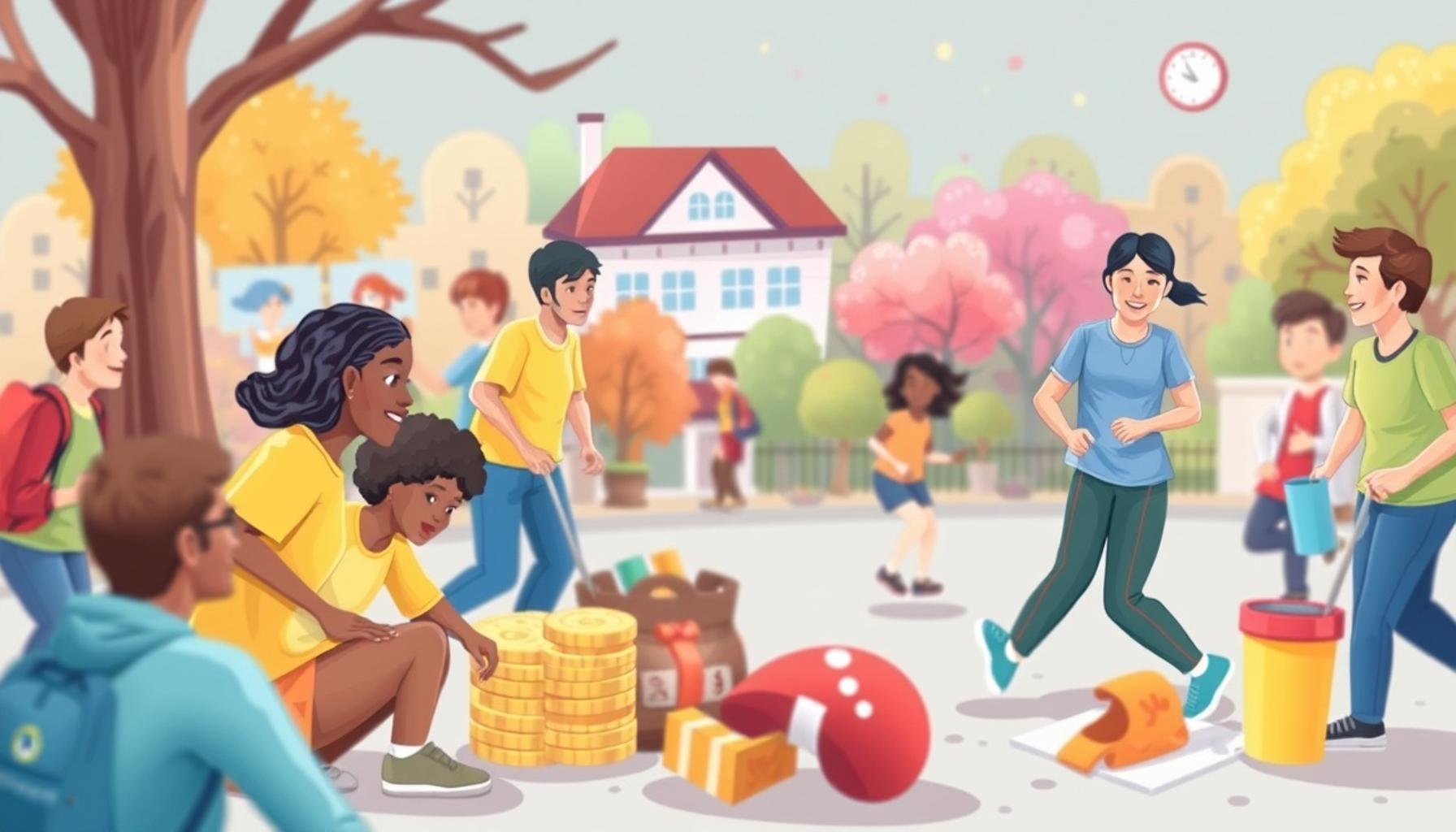
Physical activity extends beyond the realm of individual health benefits; it serves as a dynamic tool for socialization and community bonding. As communities grow more fragmented in this digital age, engaging in physical activities provides a unique platform where individuals can unite, fostering relationships and enhancing neighborhood ties. Communities that prioritize physical activity can cultivate a shared sense of identity and belonging among their members.
Consider these aspects of physical activity that come together to strengthen community bonds:
- Group Sports and Programs: Local soccer teams, basketball leagues, and community runs are more than just physical challenges; they promote teamwork and collaboration among participants. For example, a high school basketball league can draw players from various backgrounds, enabling them to learn valuable social skills while also engaging in friendly competition. These moments of shared triumph or struggle during games build camaraderie that often extends beyond the court.
- Fitness Classes: Group workouts such as yoga in the park, Pilates, or Zumba sessions tend to attract individuals from diverse backgrounds, creating an inclusive atmosphere. Classes like these not only promote health but also serve as melting pots where friendships blossom. A recent study showed that participants in community yoga sessions often report improved connections with fellow attendees, enhancing their overall sense of community.
- Recreation Centers: These facilities often serve as the heart of the community, hosting events like block parties and game nights. By offering spaces for both organized sports and informal gatherings, they capitalize on bringing community members together for shared interests—whether it’s a pick-up game in the gym or a potluck dinner. Such interactions cultivate a neighborhood spirit that can significantly enhance social ties.
Moreover, studies indicate that proximity in physical spaces influences social cohesion. Engaging in shared activities, whether through a local marathon or a fitness competition, unites people and effectively breaks down barriers. In neighborhoods where members frequently participate in community-based exercise, mere acquaintances often transform into lifelong friendships based on mutual interests and experiences.
In this exploration, we will uncover the profound impact of physical activity on social bonds and community resilience, showcasing real-life examples from neighborhoods across the United States. From the vibrant running clubs in San Francisco to the community-driven fitness events in New York City, physical activity plays a vital role in maintaining and enriching community ties. Join us as we delve into how movement can unite and strengthen our communities like never before.
Creating Connections Through Community Sports
In an age where screens often dominate our social interactions, community sports provide a refreshing alternative that fosters genuine connections. When individuals come together to participate in team sports, something magical happens: the barriers of age, ethnicity, and socioeconomic status start to dissolve. Community sports leagues not only facilitate physical fitness but also promote enduring friendships. An example of this can be seen in recreational baseball leagues across the United States, where players of various backgrounds unite in the spirit of competition. The shared experience of working towards a common goal enables participants to forge connections that can last a lifetime.
Social Impact of Community Events
- Inclusivity: Events such as city-wide fun runs or charity walks attract families, young adults, and seniors alike, creating an inclusive environment where everyone feels welcome. These events often encourage participants to push their limits while also making new friends. In cities like Austin, Texas, the annual Capitol 10K run serves as a prime example of how physical activity can bring the community together, fostering friendships that extend beyond the finish line.
- Volunteerism: Physical activities often encourage community members to contribute as volunteers, thereby deepening their connection to the community. From organizing local races to coaching youth sports teams, volunteering allows individuals to connect with their peers in meaningful ways. In many neighborhood organizations, these roles often lead to lifelong networks that support both personal and professional development.
- Shared Goals: Whether it’s preparing for a marathon or participating in a community sports tournament, setting and striving to achieve common objectives can create a sense of unity. The thrill of competing together cultivates a spirit of togetherness that enhances community ties. This phenomenon can be particularly observed in local triathlon clubs, where members train together, overcome challenges, and celebrate each other’s successes.
Furthermore, the benefits of socialization through physical activity transcend personal relationships; they extend to community organizations as well. By bringing people together around a shared interest, community sports can lead to increased civic participation, making neighborhoods more cohesive and resilient. According to the National Recreation and Park Association, communities that encourage physical activity experience lower crime rates and improved mental health among residents. With such compelling evidence on the positive effects of physical activity, it becomes clear that embracing these opportunities for socialization can directly impact community wellness.
As we delve deeper into the various manifestations of physical activity within communities, it becomes apparent that the bonds created through shared experiences go beyond mere acquaintance. They have the power to transform neighborhoods into vibrant, supportive networks where individuals can thrive socially, emotionally, and physically. In the upcoming sections, we will examine innovative approaches to physical activities that are enhancing social connections in diverse communities across the United States.
Exploring the Community Benefits of Physical Activity
As communities strive to bolster social ties and enhance interpersonal connections, physical activity emerges as a vital tool in these endeavors. Engaging in group exercises, sports leagues, or community events not only promotes better health but also fosters unity and camaraderie among participants. By bringing people together through shared interests and goals, these activities create a foundation for lasting relationships and mutual support.
| Category | Advantages |
|---|---|
| Social Inclusion | Promotes participation across diverse groups, ensuring everyone feels a part of the community. |
| Enhanced Communication | Encourages interactions that strengthen bonds and improve community networks. |
| Improved Mental Health | Physical activity reduces stress and anxiety, leading to a more connected and supportive environment. |
| Community Identity | Shared activities foster a sense of belonging and pride among community members. |
The participation in physical activity not only enhances individual wellbeing but also reinvigorates local communities by establishing a dynamic where connections flourish. As more individuals partake in physical pursuits, the ripple effect of enhanced communication and mutual support becomes increasingly evident, contributing to a more vibrant social fabric.
Innovative Approaches to Physical Activity and Community Engagement
As communities strive to enhance socialization through physical activity, innovative approaches are emerging that tap into the diverse interests and needs of residents. These programs not only encourage participation but also emphasize the importance of building a tight-knit community. One notable trend is the rise of community fitness classes that accommodate all skill levels, creating a supportive environment where individuals can find common ground.
Fitness for All
- Outdoor Yoga Sessions: Parks and public spaces across the United States are increasingly serving as venues for free or low-cost outdoor yoga classes. These sessions invite people from different backgrounds to gather, practice mindfulness, and enjoy a shared experience. Cities like San Francisco have embraced this trend, offering free yoga in Golden Gate Park, fostering connections among residents who might not meet otherwise.
- Dance Halls and Social Dancing: Another innovative approach to physical activity involves community dance halls, where locals can learn various dance styles, from salsa to line dancing. These spaces not only promote physical activity but also create an atmosphere of celebration and joy. The popularity of such events has been evident in cities like Nashville, where dance nights attract diverse crowds, enhancing cultural exchanges and community ties.
- Cycle and Walking Groups: Cycling and walking groups are gaining traction in urban areas as an alternative means of transportation and socialization. Groups like the Denver Cycling Club organize regular rides that encourage residents to discover their city while bonding with fellow cyclists. These activities promote a sense of adventure and reinforce the idea that fitness can also be a social experience.
Moreover, as community engagement through physical activity becomes more inventive, technology plays a crucial role in connecting people. Many cities now utilize apps and platforms to coordinate group activities, tracking participation while facilitating communication among community members. This digital integration allows individuals to discover fitness opportunities tailored to their specific interests, thereby bridging gaps and forming new relationships.
The Role of Schools and Youth Programs
Integrating physical activity into school curriculums and youth programs is another critical strategy for enhancing community bonds. Schools that offer after-school sports and engaging physical programs cultivate teamwork and camaraderie among students from various backgrounds. Initiatives such as Safe Routes to School not only promote physical activity but also involve families in community discussions, fostering a holistic environment where both children and parents can connect. In communities like Portland, Oregon, such initiatives are transforming schoolyards into active hubs that encourage socialization beyond the classroom.
Furthermore, the influence of physical activity on community ties extends to families. Family-oriented fitness events, like charity bike rides or family sports days, help strengthen bonds between parents and children while promoting a healthy lifestyle. These programs not only boost physical wellness but also create shared memories that form the foundation of lasting social ties. In towns like Park City, Utah, the annual Family Fitness Festival is an exciting example of how such events can unite families and neighbors through a shared commitment to health and well-being.
As communities continue to explore diverse ways to incorporate physical activity into the fabric of daily life, the emphasis remains on connection and collaboration. Whether through group classes, innovative programs, or family events, the possibilities for enhancing socialization and community ties through physical activity are boundless. Each initiative not only emphasizes physical wellness but also serves as a catalyst for fostering a deeper sense of belonging and engagement among residents.
Conclusion: The Power of Physical Activity in Building Community Connections
In a world where isolation can often overshadow connection, physical activity emerges as a vital tool for socialization and strengthening community ties. Through various innovative programs—such as outdoor yoga, community dance halls, and cycling groups—residents are not only encouraged to embrace healthier lifestyles but also to foster relationships that enrich their lives. The essence of these activities transcends physical fitness; they create spaces for interaction and celebration, encouraging individuals from diverse backgrounds to come together.
The integration of technology further enhances these community efforts, allowing residents to find and participate in activities that resonate with their interests. By utilizing apps and platforms, people can navigate their local fitness landscape, resulting in increased participation rates and deeper bonds formed through shared experiences. Simultaneously, school initiatives and family events reinforce the importance of community involvement from an early age, nurturing a culture of collaboration and camaraderie.
Ultimately, the emphasis on physical activity as a means to strengthen community ties highlights the potential for collective wellbeing. As neighborhoods continue to explore fresh avenues for inclusive engagement, the benefits will ripple through families and across generations. By prioritizing physical activity, we are investing in a healthier, more connected, and more vibrant society. In this pursuit, every jog, dance, and ride becomes a step towards building a cohesive community where everyone feels valued and engaged.