
Navigating the Supermarket: Strategies for Making Healthier Nutrition Choices
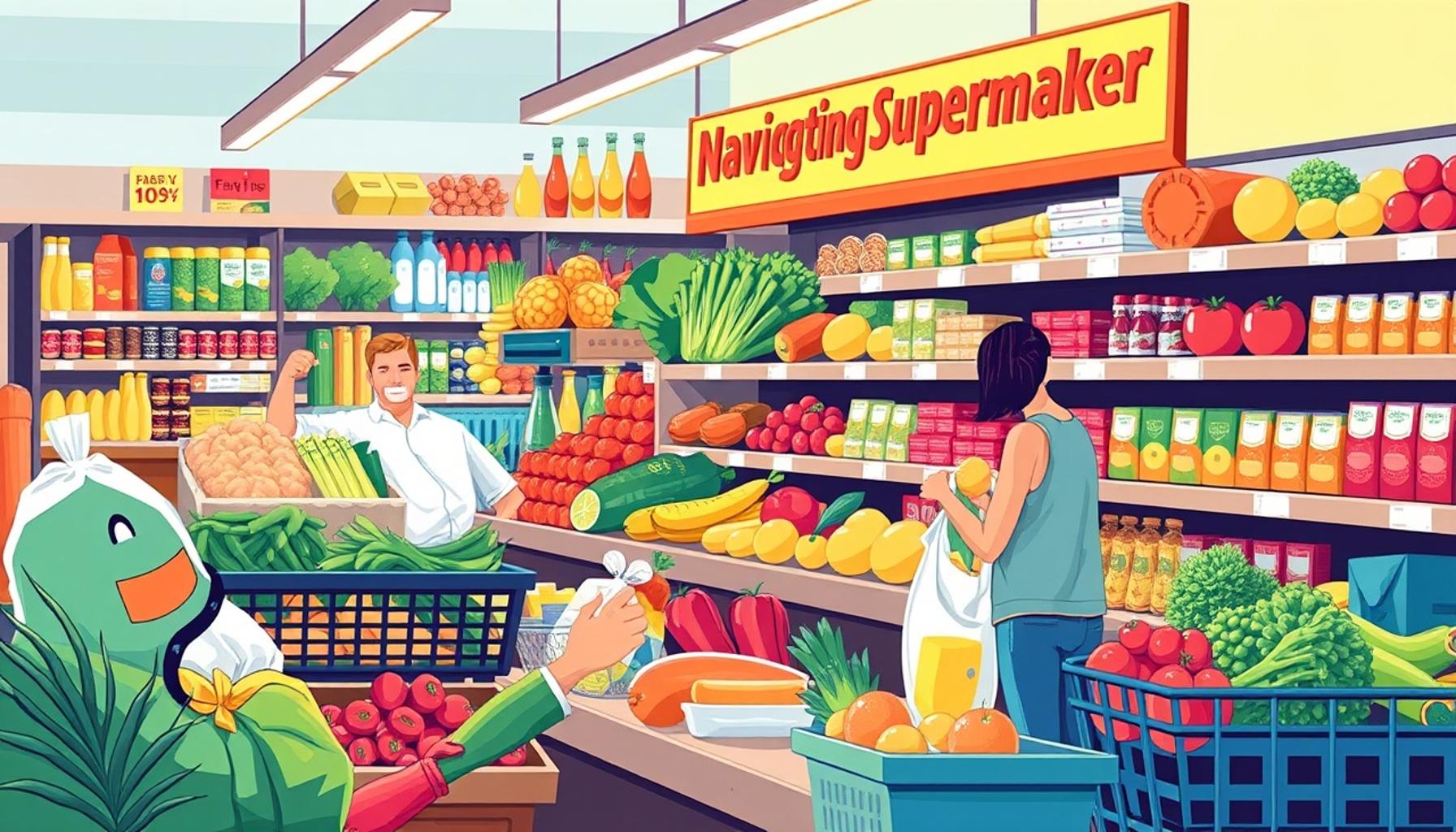
Making Healthier Choices in Aisle 5
Every day, millions of Americans step into supermarkets filled with choices that impact their health. With countless products vying for attention, it can be overwhelming to make nutritionally sound decisions. However, knowing how to navigate the supermarket effectively can transform your shopping experience from one of confusion to clarity.
To maximize your chances of success, consider these strategies for healthier nutrition choices:
- Plan Your Meals: A well-thought-out weekly meal plan can serve as your roadmap, ultimately guiding your shopping list. By outlining meals ahead of time, you can ensure that you have all necessary ingredients on hand while avoiding spontaneous purchases that are often less healthy. For instance, if you plan to prepare a hearty vegetable stir-fry, having a list with fresh veggies and lean protein can keep you focused.
- Shop the Perimeter: Most supermarkets are designed with fresh produce, proteins, and dairy along the outer aisles. Sticking to these areas can lead you to whole foods that are generally more nutritious. Think vibrant fruits, crisp vegetables, and quality cuts of meat—items that are less likely to contain added sugars and unhealthy fats found in processed foods located in the inner aisles.
- Read Nutrition Labels: The fine print on packaging can be a treasure trove of information. Pay close attention to ingredients and serving sizes to make informed choices. For example, a seemingly healthy granola may be packed with added sugars, which can swerve your diet off course. Understanding how to decipher these labels can empower you to opt for options that align with your health goals.
- Avoid Processed Foods: Items with long ingredient lists full of additives and preservatives often detract from nutritional quality. Instead, focus on foods that boast minimal ingredients—such as a can of black beans with just beans and water. Making a conscious effort to limit processed items can drastically improve your overall diet.
These tips not only save time but also help in selecting foods that fuel your body effectively. By employing sensible strategies, you can walk out of the supermarket with a cart full of nutritious items that contribute positively to your health.
As you learn to make health-conscious decisions during your grocery trips, it’s essential to remember that balance is key. Occasionally allowing yourself to indulge in a favorite treat can prevent feelings of deprivation and help maintain sustainable eating habits. Consider this the guiding principle during your shopping adventure—moderation is as crucial as making healthy selections.
In the end, the supermarket can be a powerful ally in your quest for better health. By exploring these intentional strategies, you can ensure that your diet supports your goals and overall well-being. The next time you enter the familiar aisles, equipped with a shopping list and knowledge, remember: your cart is a reflection of your choices—make them count!
DISCOVER MORE: Click here to dive into helpful tips
Mastering the Art of Healthy Shopping
Navigating a supermarket can often feel like a daunting task, with shelves lined with an array of products promoting convenience and taste. However, by employing a few practical strategies, you can hone your shopping skills to make healthier nutrition choices that benefit your overall well-being. It’s about more than just selecting fresh fruits and vegetables; it’s about understanding the environment and making informed decisions.
One of the first steps in this journey is to embrace the concept of mindful shopping. This approach encourages you to be intentional in your selections rather than passive. This means creating a shopping list before you enter the store, detailing the items you need for your planned meals. Not only does this keep you focused on healthy options, but it also minimizes the temptation to grab unplanned items that may not align with your nutritional goals.
- Be Specific in Your List: Outline specific items based on your meal plan, such as kale for salads, quinoa for grain bowls, and salmon for omega-rich dinners. The more specific you are, the less likely you’ll be swayed by marketing tactics.
- Set a Time Limit: Give yourself a set amount of time to shop. This can reduce the likelihood of wandering into less healthy aisles and encourages efficiency in picking up what you need.
- Utilize Technology: Take advantage of grocery store apps or online platforms that allow you to organize your shopping list by category or aisle. This not only saves time but also streamlines your shopping experience, allowing for a more focused approach on healthy selections.
Another pivotal strategy is to prioritize seasonal and local produce. When in-season, fruits and vegetables are typically fresher, tastier, and more affordable. Building your meals around these items can lead to lower costs while maximizing flavor and nutrition. Visit your local farmer’s market or look for signage in the produce section that highlights local offerings.
Moreover, convenience does not have to come at the cost of health. With the rise of pre-packaged health foods, you can find ready-to-eat meals and snacks that boast natural ingredients. However, it’s crucial to scrutinize the nutrition labels on these products. Look for labels that emphasize whole food ingredients and limit additives, sugars, and unhealthy fats. A healthy snack could be as simple as a bag of baby carrots paired with hummus, a convenient option that offers great nutritional value without the baggage of artificial preservatives.
The landscape of options in a supermarket can be multifaceted, but by adopting these strategies—mindful shopping, prioritizing fresh produce, and choosing wisely between convenience foods—you enable yourself to make choices that resonate with your health goals. The more informed you are, the better equipped you’ll be to navigate the aisles and fill your cart with items that contribute positively to your nutrition journey.
Navigating the Supermarket: Strategies for Making Healthier Nutrition Choices
As we journey through aisles filled with countless options, making healthier nutrition choices can often feel overwhelming. However, several strategies can assist you in transforming your shopping habits and effectively navigating the supermarket. Firstly, planning ahead is imperative. Creating a detailed grocery list before heading out can help you focus on purchasing healthy foods. This practice not only prevents impulse buys but also ensures that you are selecting items that align with your nutritional needs. Leveraging cooking at home can significantly reduce reliance on processed foods, leading you to choose more whole foods when shopping. Highlighting fresh produce is another key strategy. Prioritize the purchase of fruits and vegetables, filling half your shopping cart with these nutrient-dense options. Additionally, consider shopping around the perimeter of the store where fresh foods are usually located, as opposed to the inner aisles that often contain more processed and unhealthy items. Employing the use of food labels cannot be overlooked. Understanding how to read nutritional labels empowers consumers to make informed choices. Look for products that offer fewer ingredients, lower sodium, and no added sugars. Lastly, staying informed through health-focused articles, blogs, and documentaries can provide ongoing inspiration to uphold healthier eating patterns.To further illustrate these strategies, here’s a table summarizing some key advantages of making informed nutrition choices while shopping:
| Category | Benefits |
|---|---|
| Meal Planning | Leads to healthier food choices, saves time, and reduces food waste. |
| Reading Labels | Helps identify nutritional value and avoid harmful additives, promoting better health. |
By continuously applying these strategies and being mindful in your selections, you can foster a healthier lifestyle and improve your nutrition outcomes.
DISCOVER MORE: Click here to learn about the impact of technology on your fitness journey
Exploring Smart Choices in Every Aisle
When navigating the supermarket, understanding how to interpret labels and ingredient lists is paramount to making informed decisions. One of the most effective strategies for healthier nutrition choices is to become fluent in the language of food labeling. Reading labels can help differentiate between products that may appear similar but have vastly different nutritional profiles. For instance, look closely at the serving size, calories, and macronutrients like fats, protein, and carbohydrates. A snack food could seem innocuous, but a quick check may reveal it has excessive added sugars or sodium.
- Watch Out for “Health Claims”: Terms such as “low-fat,” “sugar-free,” or “high-fiber” can often be misleading. Companies may substitute unhealthy ingredients in the name of health. Always cross-reference these claims with the overall ingredient list and nutrition facts.
- Focus on the Ingredients List: The first five ingredients listed typically make up the bulk of the product. Aim for items with whole ingredients at the top of the list—like whole grains, fruits, and vegetables—while steering clear of items that list sugar or processed additives among the first few ingredients.
In addition to scrutinizing labels, consider the layout of the supermarket as a strategic tool. Fresh produce, meats, and dairy products are usually located around the perimeter of the store, while processed foods fill the aisles. By focusing your shopping on the outer edges, you can minimize exposure to less nutritious options often found in the interior aisles. This simple maneuver not only enhances your chances of filling your cart with wholesome ingredients but also lays the groundwork for healthier meals.
Moreover, challenging the notion of dining out can lead to better grocery decisions. Studies have shown that cooking at home generally leads to healthier meals—consider making a list of your favorite recipes before shopping. By familiarizing yourself with basic cooking techniques and exploring new ingredients, you empower yourself to experiment in the kitchen, ultimately reinforcing positive dietary habits.
Furthermore, it’s essential to understand the value of buying bulk goods. Many supermarkets offer bulk sections where you can find grains, nuts, seeds, and dried fruits without the added packaging. Not only does this practice help reduce waste, but it often saves you money and allows for greater versatility in meal preparations. For those who enjoy meal prepping, buying in bulk can lead to healthier and more affordable meal options throughout the week.
As you peruse the aisles, heed the power of taking advantage of store promotions and discounts. Look for weekly circulars or electronic coupons that focus on healthier options. Discounts on fresh produce or whole food items can make healthy eating more accessible and appealing. Additionally, sign up for loyalty programs at your preferred grocery stores; they can provide personalized deals that augment your commitment to better nutrition.
Ultimately, cultivating awareness in your shopping habits can transform the supermarket experience from a mundane task into an opportunity for better health. By mastering the skill of reading labels, understanding store layouts, and harnessing the power of bulk buying, you can fill your cart with beneficial products that support your dietary objectives. In the following sections, we will further explore how to navigate the challenges of impulse buying and the emotional aspects of grocery shopping that can derail your health-focused intentions.
DIVE DEEPER: Click here to discover more tips
Empowering Your Grocery Journey
In today’s fast-paced world, making healthier nutrition choices can feel overwhelming, but navigating the supermarket with confidence is entirely possible. By employing the strategies outlined in this article, you can transform your shopping experience into a proactive approach toward better health. Understanding food labels, focusing on wholesome ingredients, and utilizing the store’s layout to your advantage are essential skills that can significantly enhance the nutritional quality of your diet.
Moreover, embracing home cooking not only fosters creativity in the kitchen but also promotes healthier meal choices. The practice of buying bulk items can save you money and encourage you to experiment with new foods, while savvy shopping strategies like maximizing store promotions can make nutritious options more accessible. The decisions you make during your grocery trips play a crucial role in shaping your overall health and wellness.
As you become more conscious of your shopping habits, remember that small changes can lead to substantial health benefits over time. By prioritizing fresh produce, lean proteins, and whole grains, you set the stage for a balanced diet that fuels your body and mind. Equip yourself with the tools to confidently navigate the supermarket aisles, and let this be your journey toward a healthier lifestyle. Every grocery trip is an opportunity to make informed choices that align with your health goals, paving the way for a brighter, healthier future.

Beatriz Johnson is a seasoned skincare specialist and writer with a passion for simplifying the complexities of beauty science and skincare routines. With over a decade of experience in the aesthetics industry, she specializes in topics like ingredient efficacy, anti-aging strategies, and global beauty trends. Through her work, Beatriz empowers readers to make informed skincare choices and stay ahead in the ever-evolving world of beauty and wellness.