
Mindfulness in Motion: How Yoga and Tai Chi Enhance Physical and Mental Health
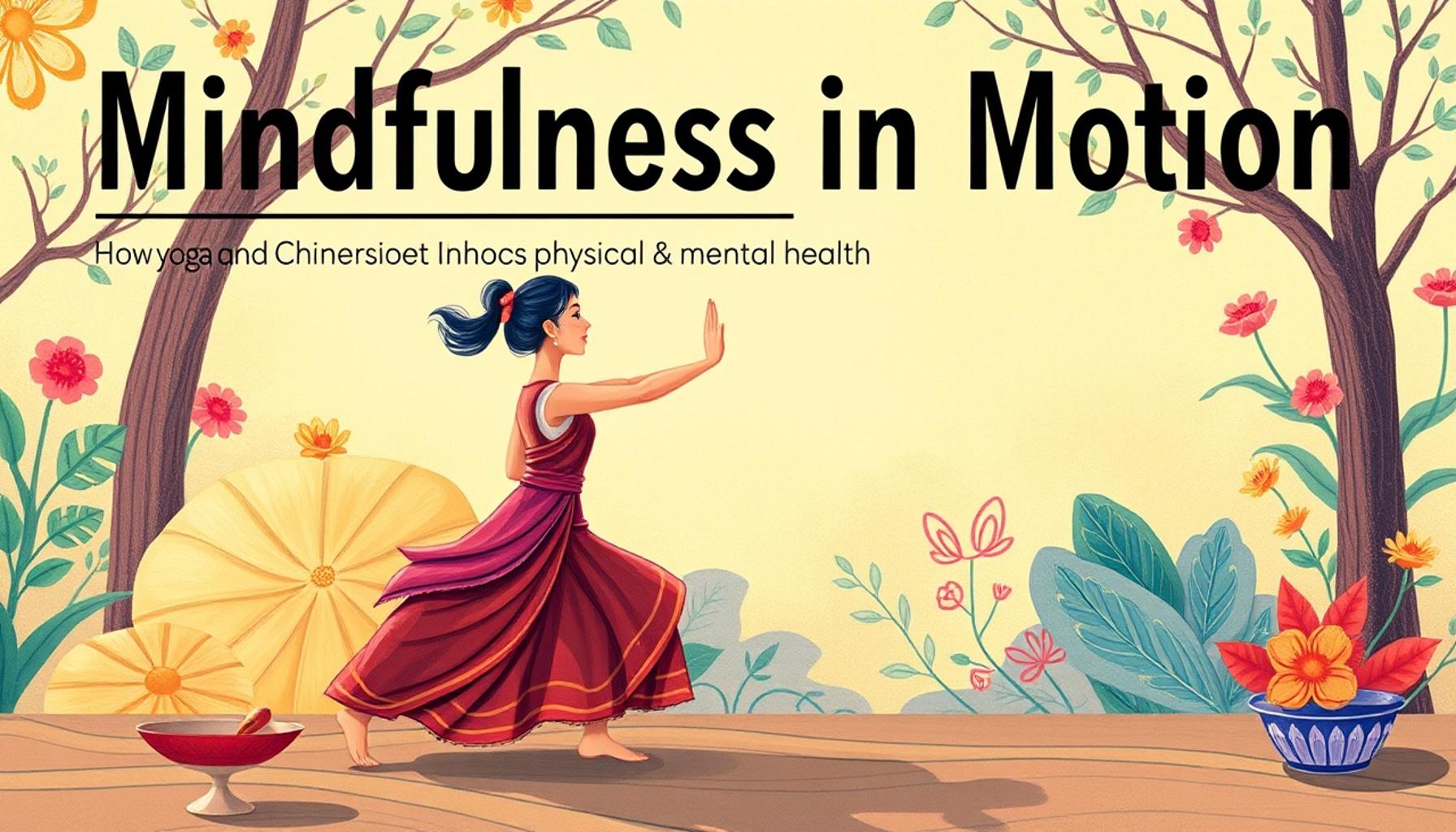
The Transformative Benefits of Mindfulness in Motion
In the hustle and bustle of modern life, many individuals face the growing challenge of managing stress and finding balance. Amidst the clamor of work, family responsibilities, and personal commitments, practices like yoga and Tai Chi provide effective solutions for enhancing both physical and mental health. These ancient disciplines are not merely forms of exercise; they embody a philosophy that integrates the mind, body, and spirit through mindful movement.
Yoga, for example, is rooted in more than just physical postures; it combines breath control, meditation, and ethical practices to cultivate self-awareness and inner peace. Similarly, Tai Chi, often described as “meditation in motion,” utilizes slow, deliberate movements that improve not only physical fitness but also mental acuity. Here are some remarkable benefits that these practices offer:
- Enhanced Flexibility: Regular engagement in yoga and Tai Chi greatly improves flexibility, allowing for increased range of motion while making everyday tasks, such as bending or reaching, feel effortless.
- Stress Reduction: The focus on mindful movements and deep breathing techniques creates a calming effect which lowers stress and anxiety levels, making it easier to cope with daily pressures.
- Improved Balance: Practicing these disciplines can lead to better stability and coordination. Notably, for older adults, this benefit significantly decreases the risk of falls, which are a common concern for this age group.
- Mental Clarity: Engaging in the rhythmic and centered nature of yoga and Tai Chi helps clear mental clutter. Many practitioners report sharper focus and improved cognitive functions, making them more productive in their personal and professional lives.
As awareness of holistic health approaches expands across America, more individuals are turning to these profound practices for nurturing both body and mind. Communities nationwide offer an array of yoga studios and Tai Chi classes that cater to all experience levels, from beginners to seasoned practitioners. The inclusive atmosphere fosters a sense of community and shared purpose, encouraging participants to explore mindfulness as a way of life.
Whether your goal is to alleviate stress, improve physical health, or simply explore a new exercise routine, yoga and Tai Chi hold something valuable for everyone. As you consider embarking on this enriching journey, ask yourself: How might your life transform by incorporating more mindfulness in your daily routine? Embrace the power of movement and discover the profound benefits that lie beyond the mat or training ground.
DISCOVER MORE: Click here to learn about tech that boosts your fitness</
Connecting Mind and Body Through Movement
The allure of yoga and Tai Chi lies in their ability to seamlessly integrate physical activity with mental mindfulness. Both practices create a unique fusion where movement becomes a meditative experience, allowing participants to cultivate awareness not just of their bodies but also of their thoughts and emotions. This is especially relevant in today’s fast-paced world, where individuals often find themselves juggling numerous responsibilities and distractions.
At the core of yoga is the concept of asana, or postures, which serve as a vehicle for fostering greater physical health. Scientific studies have consistently shown that individuals who practice yoga regularly experience significant improvements in various health markers. For example, a study published in 2020 in the Journal of Clinical Psychology observed that participants engaging in yoga reported a decrease in anxiety and depression symptoms compared to a control group. The reason behind this transformation often lies in the synchronization of breath and movement, promoting a state of tranquility and presence.
Tai Chi, often referred to as “moving meditation,” also harnesses this principle by employing slow, flowing movements that encourage relaxation and mental clarity. Emerging research highlights its effectiveness in enhancing physical health, particularly in older adults. A comprehensive review from the American Journal of Preventive Medicine found that Tai Chi can improve balance, muscle strength, and overall physical function, thereby reducing the risk of falls—a critical concern for the aging population.
Both practices offer distinctive yet complementary benefits that can not only improve one’s physical strength and flexibility but also boost emotional well-being. Here is a closer look at some of the benefits:
- Enhanced Mindfulness: Each session of yoga or Tai Chi invites participants to focus on their breath and movement, allowing them to cultivate a heightened sense of awareness and presence.
- Emotional Regulation: Engaging in these mindful practices helps individuals manage emotions better, allowing them to respond to stressors with greater calm and clarity.
- Improved Sleep Quality: Practicing yoga and Tai Chi before bedtime can enhance sleep quality by soothing the nervous system and promoting relaxation.
- Social Connectivity: Joining a local class not only introduces a routine of physical exercise but also provides a sense of community, forging connections with like-minded individuals.
Ultimately, the integration of mindfulness into daily life through yoga and Tai Chi opens doors to holistic health that transcends merely physical improvements. With more Americans seeking alternative solutions to health and wellness, these practices are gaining popularity as powerful methods for enhancing both body and mind. Whether you’re looking to deepen your self-awareness, improve your physical fitness, or find balance amidst the chaos of life, the journey begins with a single, conscious breath.
| Category | Details |
|---|---|
| Physical Benefits | Improved flexibility, strength, and coordination are core outcomes of consistent practice in yoga and Tai Chi. |
| Mental Wellness | Promotes relaxation, reduces anxiety, and enhances emotional resilience through mindful movements and breath awareness. |
| Stress Reduction | Both practices activate the parasympathetic nervous system, leading to lower stress levels and increased mental clarity. |
| Holistic Health | Encourages a proactive approach to health, linking mind-body connection to overall well-being. |
The integration of yoga and Tai Chi into one’s daily routine offers profound enhancements to both physical and mental health. As individuals pursue mindfulness in motion, they discover how these practices foster a deep connection between breath, movement, and awareness. This synergy benefits not just fitness levels but also mental acuity. Moreover, studies continue to robustly affirm their potential to minimize chronic stress while stabilizing mood levels. Engaging in these disciplines creates a unique pathway to explore the self, paving the way for improvements in overall wellness. Whether you embark on a gentle yoga flow or navigate the graceful sequences of Tai Chi, the journey brings forth tools that bolster resilience in the face of life’s challenges. Start exploring these practices today to unlock the fullness of your physical and mental capabilities.
DISCOVER MORE: Click here to dive into the benefits
The Science Behind the Practices
To fully appreciate the impact of yoga and Tai Chi on physical and mental health, it’s important to delve into the scientific research that supports their benefits. When performed regularly, both practices can have profound effects on the brain, body, and overall well-being. Recent neuroimaging studies have revealed how mindfulness practices influence brain activity, with specific areas associated with stress regulation, emotional control, and cognitive function showing significant changes. For instance, a study published in the journal Health Psychology found that those who practiced yoga had increased gray matter in the hippocampus, a critical region for memory and emotional regulation compared to those who did not engage in regular mindfulness practices.
Moreover, the physiological benefits of Tai Chi extend beyond mental clarity to include notable cardiovascular improvements. A meta-analysis conducted by the American Heart Association reported that Tai Chi practice can lead to lower blood pressure, improved heart rate variability, and enhanced circulation. These findings suggest that Tai Chi not only supports mental health but also contributes to cardiovascular health, making it a valuable practice particularly for older adults.
Yoga also serves as an effective intervention for various health issues. Research published in JAMA Internal Medicine indicates that yoga can decrease chronic pain conditions, including lower back pain and arthritis, not merely through the physical movements but via the mindfulness aspects that promote relaxation and awareness. Participants who engaged in yoga were more likely to report significant pain relief and improved quality of life in addition to conventional medical treatments. This blend of physical and mental health benefits highlights yoga’s adaptability as a multifaceted therapeutic approach.
Holistic Benefits of Movement
Perhaps one of the most compelling aspects of both yoga and Tai Chi is their emphasis on holistic health—a critical factor in modern wellness paradigms. Rather than isolating the body and mind as separate entities, these practices encourage the understanding that mental health impacts physical health and vice versa. By fostering a sense of harmony through mindful movement, practitioners can unearth deeper layers of well-being.
Many practitioners also report improvements in stress management techniques as a result of regular engagement in yoga and Tai Chi. The emphasis on breath awareness in both practices encourages participants to cultivate a sense of calm that can be utilized effectively in everyday stressors. According to the National Center for Complementary and Integrative Health, mindfulness techniques can lead to a reduction in cortisol, the stress hormone, providing tangible benefits to those frequently exposed to high-stress environments.
The Accessibility of Mindfulness
One of the most advantageous aspects of yoga and Tai Chi is their accessibility—making them suitable for a wide demographic. From seniors seeking low-impact exercise to busy professionals looking to counteract the effects of sedentary work environments, these practices can be adapted to various fitness levels and needs. In recent years, online classes have surged in popularity, allowing individuals to access guided sessions from the comfort of their homes, thereby further democratizing these wellness practices.
Additionally, the availability of community classes often encourages social support, which is a vital component of emotional well-being. As individuals share their experiences and journeys, they often find emotional resilience fostered through camaraderie and shared goals.
As the quest for holistic health continues to gain traction in the United States, exploring the profound effects of yoga and Tai Chi offers a glimpse into how mindful movement can create lasting changes for both body and mind.
DIVE DEEPER: Click here to discover the impact of technology on your sleep
Conclusion
In a world that often prioritizes rapidity over reflection, mindfulness practices like yoga and Tai Chi emerge as essential tools for nurturing both physical and mental health. The profound benefits—ranging from improved cardiovascular function to enhanced emotional resilience—underscore the value of these ancient disciplines in our contemporary lives. Scientific research continues to highlight the transformative effects of these practices, demonstrating their capability to reshape not just our bodies, but also our minds. This dual impact validates the importance of viewing health as a holistic journey rather than a series of isolated challenges.
Moreover, the accessibility of yoga and Tai Chi makes them increasingly relevant in diverse settings, from community centers to living rooms, appealing to individuals of all ages and backgrounds. With the rising popularity of online classes, people can now engage in these practices in a manner that fits their lifestyles, reinforcing the idea that wellness is within everyone’s reach.
As you consider incorporating mindfulness into your own routine, remember that the journey is deeply personal. Whether you seek improved flexibility, reduced stress, or enhanced emotional well-being, engaging in mindful movement offers a pathway to profound self-discovery. In embracing the principles of yoga and Tai Chi, you not only enhance your own health but become part of a global movement toward greater awareness and unity between mind and body. The exploration of mindfulness in motion is but a step away; as you venture into these practices, you may find not only healing but also a deeper connection to yourself and the world around you.

Beatriz Johnson is a seasoned skincare specialist and writer with a passion for simplifying the complexities of beauty science and skincare routines. With over a decade of experience in the aesthetics industry, she specializes in topics like ingredient efficacy, anti-aging strategies, and global beauty trends. Through her work, Beatriz empowers readers to make informed skincare choices and stay ahead in the ever-evolving world of beauty and wellness.