
Mindful Consumption in the Digital Era: How Technology Can Support Our Purchasing Decisions

The Importance of Mindful Consumption
In an era characterized by rapid technological advancement and a proliferation of options, consumers often find themselves facing a daunting array of choices. This overwhelming abundance can lead to impulsive buying behaviors that might not align with individual values or sustainable practices. This is where the practice of mindful consumption becomes essential. It serves as a thoughtful guide for navigating the complexities of today’s digital marketplace by encouraging individuals to assess both necessity and the ethical implications of their purchases.
How Technology Supports Mindful Purchases
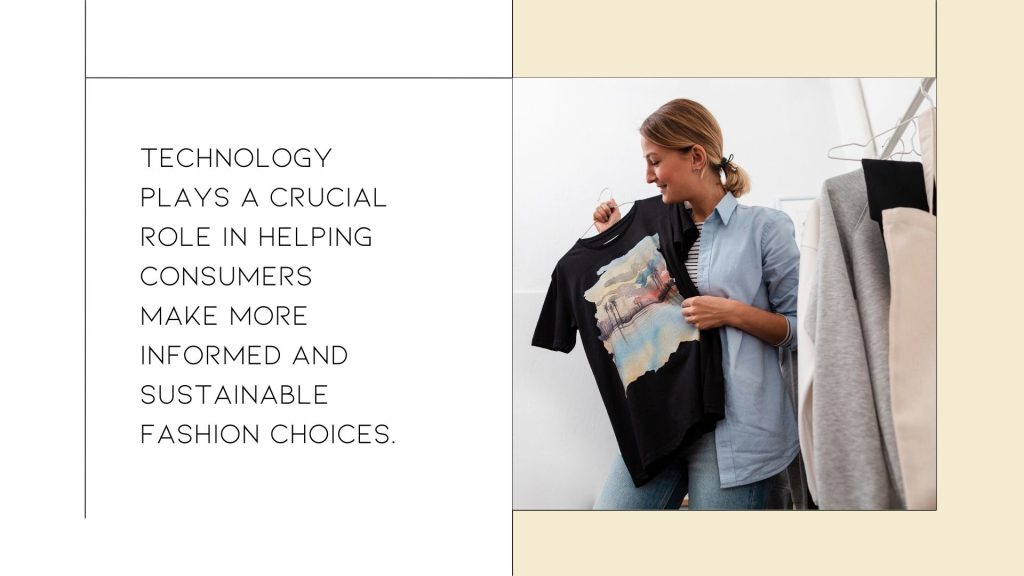
With technology continuously evolving, it plays a crucial role in how consumers make informed decisions. Here are a few notable methods through which technology enhances our purchasing processes:
- Price Comparison Tools: Websites like Google Shopping or apps such as ShopSavvy empower users to compare prices across various retailers at a glance. This ensures that buyers not only find the best deals but also get the most value for their money, promoting a thoughtful approach to spending.
- Product Reviews: Platforms such as Yelp and Amazon serve as treasure troves of user-generated feedback. When consumers share their experiences, they provide valuable insights that help others make informed choices. A well-documented review on a product can highlight potential flaws or validate quality, thus influencing healthier consumption patterns.
- Sustainable Shopping Apps: Apps like GoodGuide and Buycott connect consumers with information about product sustainability and corporate ethics. By filtering results based on eco-friendliness, users can support brands that align with their values, fostering a shopping culture that values the planet as much as personal gain.
The Ripple Effect of Mindful Consumption
Embracing a mindful approach to consumption can significantly reshape one’s interaction with consumer culture. When individuals start making conscious buying choices, they not only benefit themselves by opting for higher-quality, more sustainable products but also contribute to a larger societal shift toward environmental responsibility. This collective shift can motivate companies to adopt sustainable practices as well, recognizing consumer demand for ethical products.
Furthermore, understanding the implications of our choices enables us to make more responsible decisions, ultimately fostering a culture of sustainability. As we remain engaged with these technological tools, we become empowered to advocate for products and brands that reflect our environmental values. In a world where every purchase counts, utilizing technology not just enhances personal choices but also creates empowering ripples in the broader context of consumerism.
Conclusion
Ultimately, the intersection of technology and consumerism presents a unique opportunity to refine our shopping habits with mindfulness. As consumers invest time in understanding the implications of their purchases, they take a significant step towards a more conscious consumer experience—one that is not solely about acquiring goods, but also about caring for the world we inhabit. Let’s embrace this mindset and leverage technology to create a more responsible and sustainable shopping culture.
The Role of Digital Tools in Shaping Conscious Choices
In a landscape filled with numerous brands and products competing for attention, technology provides an invaluable framework for making thoughtful purchasing decisions. With the rise of online shopping and digital marketplaces, consumers are no longer limited to their local stores; they can now access information, reviews, and alternatives from anywhere in the world. This shift has the potential to foster a more mindful consumption experience by equipping consumers with the necessary tools to evaluate their purchases critically.
Exploring the Benefits of Online Resources
A variety of online resources exist to facilitate mindful spending, helping consumers navigate their options with ease. Consider the following digital tools that are enhancing shopping behavior:
- Online Product Comparisons: Websites and apps that allow users to compare product features, prices, and reviews can streamline the decision-making process. This enables consumers to recognize not only the best deals but also the products that best satisfy their needs.
- Ethical Fashion Platforms: Websites like Good On You and Project Just have emerged, providing users with critical data about brands’ labor practices, environmental impact, and overall ethical standings. This knowledge empowers consumers to opt for brands that align with their values, promoting a more sustainable fashion industry.
- Subscription Services: Learning about responsible purchasing can also be made easier through subscription services aimed at sustainability. Platforms like EarthHero or EcoRoots deliver products that prioritize eco-friendliness, thus simplifying the process of choosing sustainable alternatives.
The availability of such resources fosters a culture of informed decision-making where consumers can align their purchases with their personal ethics. In fact, a survey by Statista indicates that 74% of U.S. consumers are willing to pay more for sustainable products, showcasing an undeniable shift towards mindful consumption.
Leveraging Social Media for Awareness
In addition to specialized shopping platforms, social media has emerged as a powerful influencer in shaping purchasing habits. User-generated content often reflects the values of a community, and consumers utilize platforms like Instagram and Pinterest to explore trends in sustainable living, ethical brands, and responsible consumption practices. Influencers with a focus on sustainability can educate their followers about mindful shopping and highlight products that encapsulate these ideals.
Furthermore, hashtags such as #SustainableShopping and #ConsciousConsumer facilitate discussion around responsible purchasing, allowing consumers to share insights and experiences. This collective awareness can lead to a stronger demand for transparency from brands. The more consumers voice their preferences for ethical products, the more businesses must adapt to meet these expectations.
Ultimately, leveraging technology to support mindful consumption not only enhances personal buying decisions but also drives significant changes across entire industries. As consumers adopt these digital tools, they transform their purchasing habits into a conscious and proactive engagement with the marketplace, signaling a shift toward more sustainable and ethical consumerism.
Embracing Technology for Thoughtful Spending
In today’s fast-paced digital world, the way we shop has transformed dramatically. Technology plays a crucial role in enabling mindful consumption, offering tools that guide consumers toward making informed purchasing decisions. From mobile apps to personalized recommendations, these innovations empower individuals to reflect on their shopping habits.
Smart Shopping Tools
One of the significant advantages of technology is the emergence of smart shopping tools. Applications that track spending patterns, provide price comparisons, and even suggest eco-friendly alternatives promote more responsible consumer behavior. For instance, price tracker extensions can notify users of better deals, allowing them to make purchases only when they are certain about the best value.
Transparency in Supply Chains
Moreover, technology enhances transparency in supply chains. Digital platforms that showcase product origins and ethical manufacturing processes help consumers make choices that align with their values. This accessibility to information fosters a deeper connection between consumers and the products they buy, bridging the gap between intention and action in mindful consumption.
| Advantage | Description |
|---|---|
| Enhanced Decision-Making | Access to detailed product information aids consumers in making more educated choices. |
| Personalized Recommendations | AI-driven suggestions align purchases with individual needs and ecological impacts. |
With these technological advancements, consumers now have the potential to integrate mindfulness into their everyday purchasing practices. Understanding the implications of our transactions, aided by technology, can lead to a more sustainable future in consumption.
The Intersection of Artificial Intelligence and Consumer Choices
As technology advances, the integration of artificial intelligence (AI) into the shopping experience is transforming how consumers approach their purchasing decisions. AI-driven tools are designed to enhance the shopping journey by providing personalized recommendations, predictive analytics, and tailored advertisements. These features not only make shopping more efficient but also encourage consumers to engage in more mindful purchasing.
Personalization and Enhanced Shopping Experience
One of the most significant benefits of AI is the ability to personalize the shopping experience. Platforms like Amazon and Netflix utilize sophisticated algorithms to study consumer behavior, preferences, and past purchases. As a result, they can anticipate the needs of their users, presenting them with products that resonate with their personal values and lifestyles. For example, if a consumer consistently buys eco-friendly products, the AI system will promote similar sustainable items. This not only simplifies decision-making but encourages consumers to stick with mindful and ethical choices.
Moreover, chatbots and virtual assistants are becoming increasingly common in e-commerce settings, helping consumers navigate options without getting overwhelmed. By answering questions and offering product insights, these AI tools can significantly enhance consumer awareness, guiding them toward informed choices. Studies show that 73% of consumers prefer researching products and brands through digital means, making it essential for sellers to provide easy and accurate information.
Data-Driven Decision Making
AI also facilitates data-driven decision-making, enabling consumers to make purchases based on factual insights rather than impulse or external pressures. Applications that focus on tracking spending habits and offering financial advice—like Mint and YNAB (You Need A Budget)—empower users by highlighting areas where they may be overspending or areas where they can invest in more sustainable practices. For instance, by analyzing past purchases, these tools might suggest that a consumer consider cutting down on fast fashion or single-use products in favor of higher-quality, responsibly produced alternatives.
Furthermore, AI can curate tailored educational content, such as articles or videos that explain the importance of mindful consumption. This targeted information can turn passive consumers into active learners, encouraging them to understand the broader impacts of their purchasing decisions on the environment and society. Research from Nielsen indicates that 66% of consumers worldwide are willing to pay more for sustainable brands, marking a clear shift towards value-driven purchases.
The Power of Reviews and Ratings
Another technological advancement supporting mindful consumption lies in user-generated content, particularly in the form of reviews and ratings. Platforms like Yelp and TripAdvisor have long helped consumers make informed decisions regarding services and experiences, but similar concepts have also been applied to product purchases. The integration of authentic customer reviews fosters a sense of community and trust, making it easier for people to choose brands that reflect their values.
Moreover, recent innovations allow consumers to utilize visual recognition tools, enabling them to uncover the origins of a product simply by scanning its barcode or image. This promotes transparency, as consumers can quickly access vital information regarding ethical sourcing, production practices, and sustainability ratings before finalizing their purchase. Research from Brightpearl indicates that nearly 86% of consumers want more transparency from brands regarding the sourcing and impact of their products, underscoring the importance of this technology-driven aspect of mindful consumption.
Through the integration of artificial intelligence and user-generated content, technology continues to shape the landscape of mindful consumption, empowering consumers to make informed and ethical choices in the digital marketplace.
Conclusion: Embracing Technology for Conscious Consumerism
As we navigate the digital era, it is evident that technology plays a pivotal role in fostering mindful consumption. The integration of AI-driven recommendations, user-generated content, and data analytics equips consumers with the tools necessary to make informed purchasing decisions. Platforms like Amazon and various budgeting applications empower shoppers with personalized insights, allowing them to align their purchases with their values—be it sustainability, quality, or ethical sourcing.
Moreover, transparency brought about by innovations such as visual recognition tools enhances consumer awareness, ultimately shifting the paradigm towards more ethical purchasing practices. With 86% of consumers seeking greater transparency, it is clear that there is a growing demand for brands that not only provide products but also promote responsible production methods.
The shift towards value-driven purchases is undeniably shaping the marketplace, with research indicating that 66% of consumers are willing to invest more in sustainable options. This evolving consumer mindset calls for brands to adapt and engage with their audiences, ensuring that their practices reflect the demand for ethical standards.
In conclusion, as technology continues to evolve, it has the potential to empower consumers in their journey towards mindful consumption. By embracing these advancements and leveraging data-driven insights, consumers can redefine their purchasing habits, making choices that significantly impact the environment and society. The future of shopping not only holds the promise of convenience but also underscores our collective responsibility as discerning consumers. The digital landscape is ripe for transformation, and it is up to us to lead the charge toward conscientious consumption.

Linda Carter is a writer and organization expert specializing in minimalism and personal organization. With extensive experience helping individuals create clutter-free, functional spaces and adopt mindful habits, Linda shares her knowledge on our platform. Her goal is to empower readers with practical advice and strategies to simplify their lives, stay organized, and achieve a sense of calm and balance in their daily routines.