Living Spaces: How Minimalism Can Improve Social Interaction at Home
The Impact of Minimalism on Social Connections
In an age where our lives are encumbered by countless distractions, the design of our personal spaces plays a critical role in determining the quality of our social interactions. The relentless pace of modern life often leads to homes overflowing with possessions, which can stifle communication and hinder the growth of meaningful relationships. This scenario sets the stage for minimalism, a philosophy that embraces simplicity and intentional living as a means to cultivate environments that foster openness and connection.
Understanding Minimalism
Minimalism is not merely about decluttering; it is about creating spaces that reflect our values and priorities. By eliminating excess and focusing on what truly matters, minimalism allows us to curate our environments in a way that supports more engaging interactions and deeper connections. When we reduce the number of objects around us, we often find that our mental clarity and emotional well-being improve, paving the way for more fulfilling conversations with loved ones.
Benefits of a Minimalist Environment
Adopting a minimalist approach has several advantages, particularly in the context of social interactions:
- Enhanced focus: With fewer distractions in our living spaces, individuals can engage more fully in conversations. For instance, a dining room stripped of excessive decor becomes a serene backdrop, where the focus shifts entirely to the people around the table and the discussions at hand.
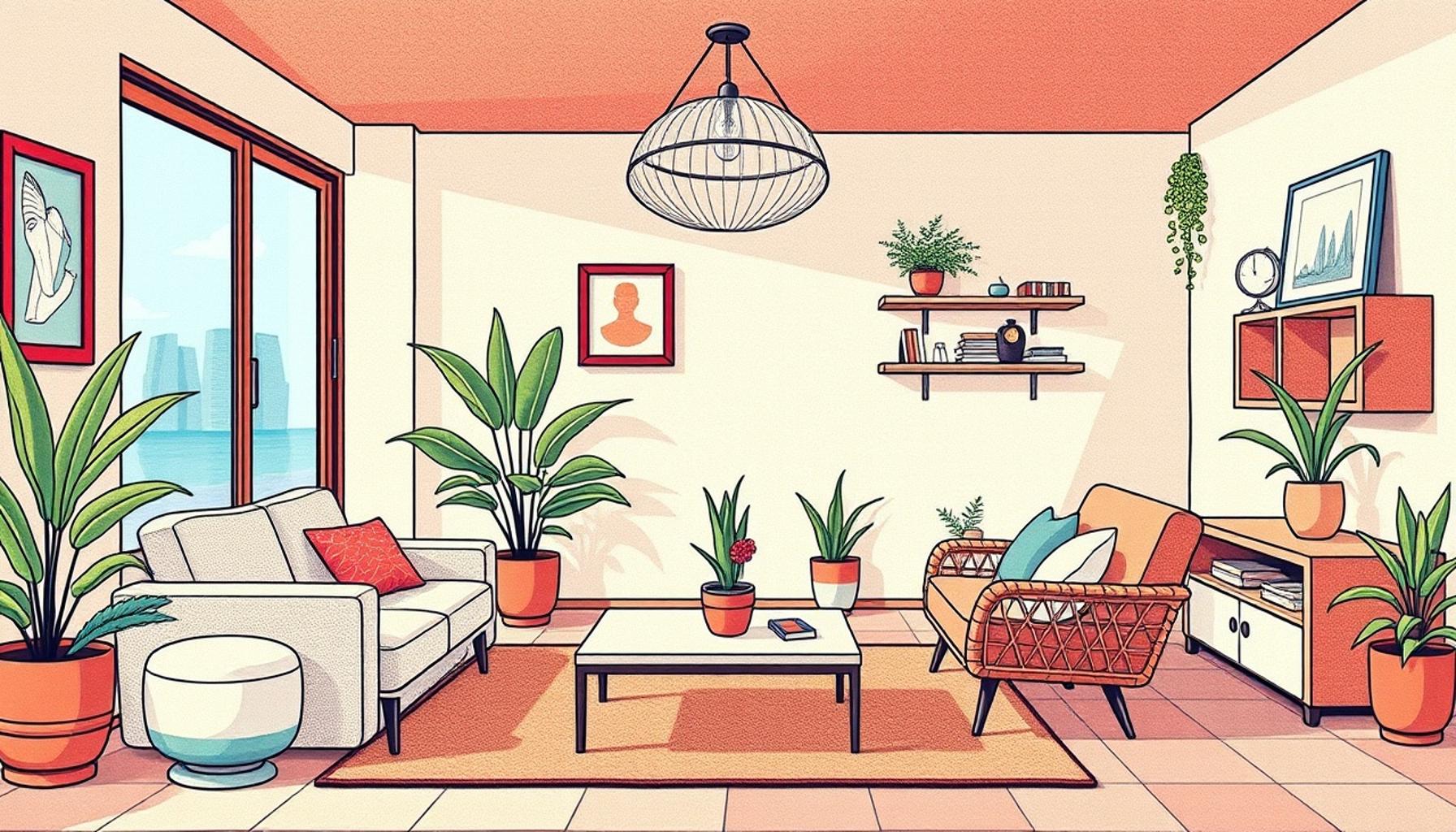
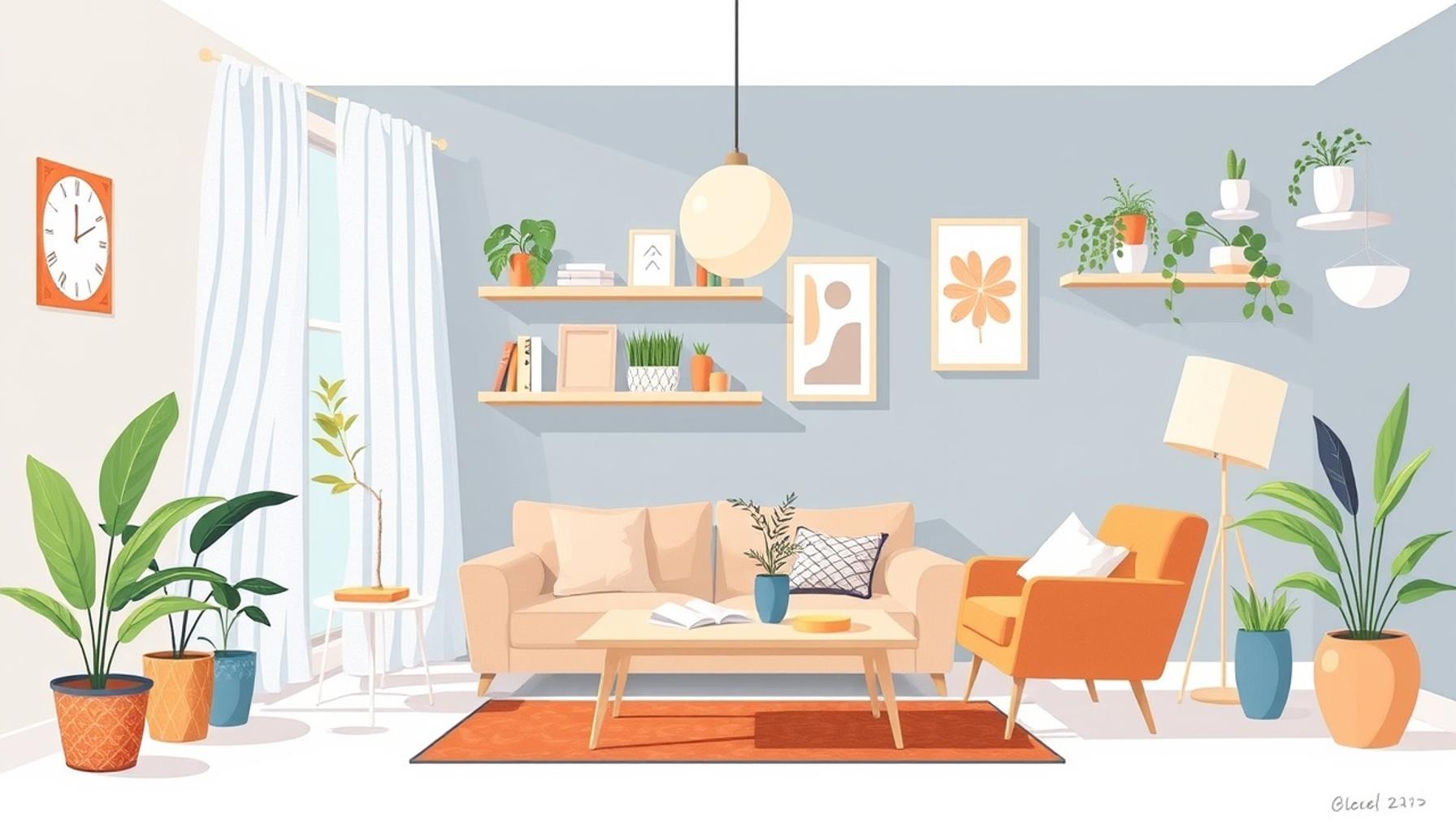
- Increased comfort: Open, uncluttered spaces can make gatherings feel more inviting. Imagine a well-organized living room with soft seating, warm lighting, and minimal decor—this environment encourages friends and family to relax and enjoy their time together.
- Improved organization: A tidy environment not only feels welcoming but also promotes mental relaxation. When everything has its place, the stress of misplaced items is alleviated, allowing for a more harmonious atmosphere that can be conducive to socializing.
Transforming Relationships Through Intentional Living
Embracing minimalist principles also invites individuals to be more intentional about their daily choices and interactions. Prioritizing shared experiences—such as game nights, potlucks, or simply having open conversations—becomes easier when physical distractions are minimized. Research indicates that homes characterized by less clutter are often associated with lower levels of anxiety and stress. Consequently, these environments become fertile ground for nurturing relationships, as individuals feel more at ease in their surroundings.
Join the Minimalist Movement
If you are curious about transforming your living space to improve your social experiences, consider starting small. Begin by evaluating your belongings and assessing what truly brings you joy and utility. Prioritize shared moments over material possessions, perhaps by investing in experiences rather than decorative items. Engaging with minimalism can reshape your living spaces into sanctuaries that encourage connection and togetherness.
Are you ready to explore how adopting a minimalist lifestyle can elevate your social interactions? Delve into practical strategies and insights designed to transform your surroundings and enhance your social life. Embrace the art of minimalism, and unlock the potential for deeper connections in your home.
The Simplicity of Minimalism and Its Social Benefits
In a society where physical and digital clutter can easily overwhelm our senses, the principles of minimalism provide a refreshing counterpoint. By stripping back our living environments to essential elements, we not only simplify our surroundings but also pave the way for meaningful interactions. A minimalist home is designed to foster clarity, comfort, and connection, making it an ideal backdrop for social engagement.
The Role of Space in Communication
Space is more than just a physical entity; it influences how we communicate and interact with others. A well-thought-out minimalist design promotes a sense of openness and allows for fluid conversation. In contrast to rooms filled to the brim with furniture and decor, minimalist spaces encourage people to gather and engage without the hindrance of visual chaos. Research has shown that environments that prioritize simplicity can lead to more profound emotional connections among individuals. In these uncluttered spaces, conversations tend to be more focused and sincere, allowing for the exchange of ideas and emotions more freely.
Key Elements of a Minimalist Home That Enhance Social Interaction
To better understand how minimalism can enrich our social experiences at home, consider the following key elements that contribute to improved interactions:
- Layout Optimization: An open floor plan can eliminate barriers, making it easier for people to converse, irrespective of their location in the room. This fluidity fosters a more communal atmosphere, where everyone feels included.
- Intentional Furnishing: Choosing multi-functional furniture not only saves space but also encourages social activities. For example, a coffee table can double as a board game station, inviting friends and family to partake in shared entertainment.
- Neutral Color Palettes: Soft and neutral hues create a calming environment that encourages relaxation and engagement. Avoiding jarring colors and patterns helps individuals to feel at ease, making them more open to conversation.
- Thoughtful Lighting: Good lighting can significantly influence mood and interaction. Soft, warm lighting can create an inviting ambiance, encouraging guests to linger and enjoy each other’s company.
The Psychological Impact of Decluttering
A minimalist home is not just aesthetically pleasing; it also plays a critical role in mental well-being. Studies indicate that clutter can lead to increased stress and anxiety, which can impede social interactions. On the other hand, an organized and deliberately curated space promotes a sense of peace. This tranquility translates into social settings, allowing people to engage more authentically and deeply. When guests are greeted by a serene environment, they are likely to feel more comfortable, leading to longer conversations and stronger connections.
In summary, embracing minimalism in our living spaces has the potential to transform how we engage with one another. Through intentional design choices and decluttering strategies, we can create homes that promote a sense of belonging and connection. By understanding the relationship between our environment and social dynamics, we can take the first steps toward fostering richer social interactions in our daily lives.
| Category | Key Features |
|---|---|
| Increased Clarity | A minimalist design reduces visual clutter, allowing for clearer communication and connection. |
| Enhanced Comfort | Focusing on essential furniture fosters a cozy, inviting atmosphere that encourages social interaction. |
The essence of minimalism lies in its ability to create space that prioritizes human connection over material distractions. By embracing a design that emphasizes clarity, homes become environments where conversations can thrive without the interference of overwhelming visual stimuli. The removal of unnecessary items fosters a more open, welcoming atmosphere, inviting friends and family to engage more freely.Furthermore, minimalist living creates areas of comfort. With only essential pieces, the focus shifts from clutter to aesthetics that support social gatherings. This tailored approach not only tends to the visual appeal but also promotes better functionality. Each selected piece is intentional, encouraging meaningful interactions while ensuring guests feel at ease in their surroundings.As homeowners begin to understand the profound effects of minimalism, they may witness a notable transformation in their relational dynamics at home. By prioritizing space and essence, they open doors to deeper connections and memorable moments with loved ones. This model aligns perfectly with the growing desire for intentional living, where quality interactions reign supreme.
Creating Inviting and Interactive Environments
While simplicity in design is a cornerstone of minimalism, the integration of interactive elements can enhance social interaction significantly. Encouraging guests to participate in activities can transform a gathering into a memorable experience. Below are several strategies to make spaces not only minimal but also interactive and inviting:
Incorporating Tech Wisely
In today’s digital age, technology plays a substantial role in our social interactions. However, excessive gadgets and devices can lead to distractions or even feelings of isolation. To strike a balance, consider integrating technology in a minimalist way. For example, a sleek, hidden sound system can set the mood without cluttering the space, while smart lighting can adjust to create different atmospheres for various occasions. This technology not only maintains the minimalist aesthetic but also enhances the social experience by encouraging engagement through music, mood, and ambiance without overwhelming visual elements.
Nature as a Social Catalyst
Bringing nature indoors is another powerful way to enhance social interactions. Biophilic design — the concept of incorporating natural elements — promotes well-being and connectivity. Simple additions like indoor plants or natural light sources can create a refreshing environment that invites people to gather. Studies have shown that green spaces improve mood and promote feelings of calm, making guests more receptive to interaction. For instance, a minimalist room embellished with a few strategically placed plants or a small indoor herb garden creates not just aesthetic appeal but also serves as a conversation starter. As guests engage about the care or uses of these plants, it fosters a sense of community and shared interest.
Open-Ended Spaces for Creativity
A minimalist approach creates much-needed flexibility in living spaces. Rather than adhering to traditional layouts, consider designing areas that allow for varied uses and configurations. These open-ended spaces empower guests to adapt the environment to their needs, enhancing creativity during social gatherings. For instance, providing a large, open surface can invite arts and crafts, cooking sessions, or interactive games. This adaptability encourages participation and collaboration among guests, strengthening social bonds.
Personal Touches That Spark Conversations
While minimalism emphasizes reduction, small personal touches can significantly enhance social engagement. Artworks, photographs, or mementos that tell a story provide an opportunity for connection. Creating a gallery wall with a few curated pieces can spark discussions about shared experiences or individual journeys. These elements should be included mindfully, focusing on quality over quantity, resulting in curated displays that promote curiosity and interaction among guests. When individuals share stories tied to personal objects, the conversations often deepen, cultivating a sense of intimacy and understanding.
By focusing on creating inviting, interactive environments while embracing minimalism, individuals can foster authentic connections within their homes. The balance of simplicity and social engagement in living spaces allows for a more enriching, community-oriented experience, turning ordinary interactions into invaluable memories.
Conclusion
In today’s fast-paced world, the essence of minimalism transcends mere aesthetics; it becomes a powerful facilitator for enhancing social interactions at home. By creating inviting, open, and interactive environments, individuals can foster connections that resonate deeply with their families and friends. Through thoughtfully incorporating technology in a subtle manner, integrating natural elements, and allowing for flexible spaces, homes evolve into havens where communication flows freely. These strategies not only reduce clutter but also invite creativity and participation, turning gatherings into enriching experiences.
Personal touches, when added with intention, can open doors to meaningful conversations and shared stories, thus strengthening the ties that bind us. The notion of less is more applies not only to physical belongings but also to the emphasis on quality time and authentic engagement. Ultimately, minimalism encourages us to shift our focus from the possessions we own to the connections we forge within our living spaces.
As we navigate the journey toward a more minimalist lifestyle, it is essential to recognize the profound potential of our homes as platforms for social interaction. By reimagining our living spaces, we can cultivate environments that not only reflect our values but also enhance our relationships. Embracing minimalism opens a pathway to a more connected, engaged, and community-oriented way of living, ensuring that each moment spent together becomes a memorable experience.

Linda Carter is a writer and organization expert specializing in minimalism and personal organization. With extensive experience helping individuals create clutter-free, functional spaces and adopt mindful habits, Linda shares her knowledge on our platform. Her goal is to empower readers with practical advice and strategies to simplify their lives, stay organized, and achieve a sense of calm and balance in their daily routines.