
How to Choose the Ideal Hair Treatment for Each Hair Type

Understanding the Fundamentals of Hair Care
Every strand of hair is unique, requiring specific care to maintain its health and beauty. Understanding your hair type is crucial in selecting the most effective treatments. Whether your hair is straight, wavy, curly, or coily, each type has distinct needs and characteristics. Recognizing these differences can pave the way for a personalized hair care routine that will promote not only healthy hair growth but also enhance your overall appearance.
Common Hair Types and Their Needs
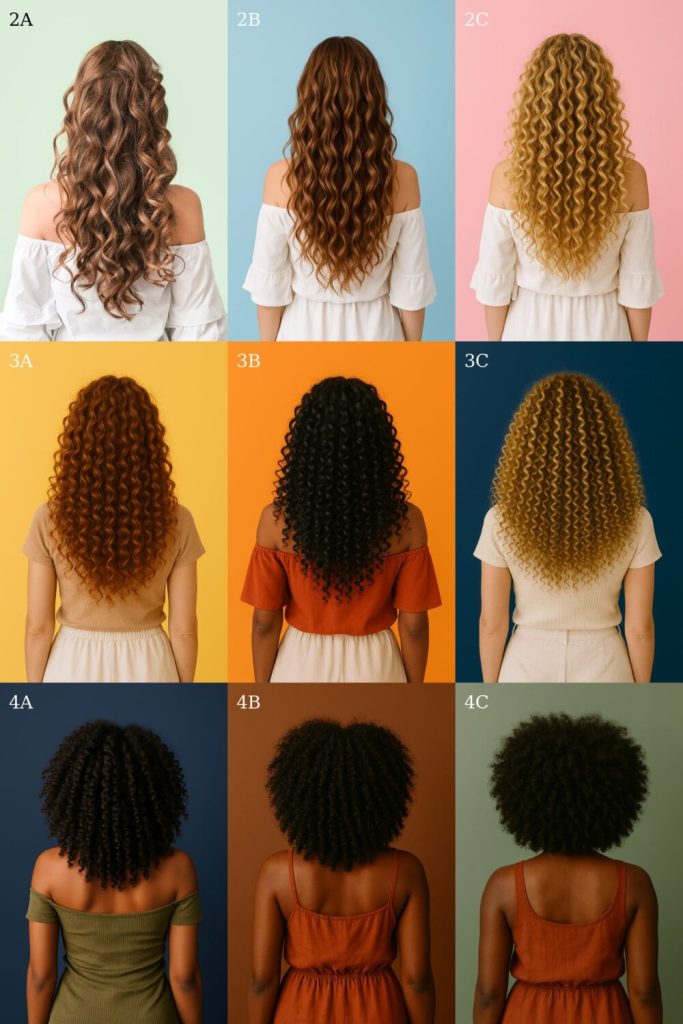
Identifying your hair type is the first step in establishing a successful care regimen. A quick guide to understanding these types includes:
- Straight Hair: Typically more resistant to styling but can be prone to oiliness. Products with lightweight formulas are ideal to prevent excess grease while ensuring nourishment. Consider using a mild shampoo and a light conditioner to keep it healthy and manageable.
- Wavy Hair: With its natural bends and texture, this hair type often craves moisture. Look for moisturizing products that enhance your waves without adding unnecessary weight. A curl-enhancing cream can help define your waves and prevent frizz as well.
- Curls: Rich in texture, curly hair needs extra care to avoid frizz and maintain definition. Specialized treatments like leave-in conditioners or curl-defining gels can provide the support it requires. Regular deep conditioning treatments can also greatly improve health and texture.
- Coily Hair: This type often suffers from dryness and brittleness, necessitating intense hydration. Look for products rich in oils, such as coconut or argan oil, to deeply nourish your coils. Incorporating a weekly mask can also be beneficial to retain moisture and elasticity.
Selecting the right product goes beyond simply identifying hair type. Factors such as environmental influences, such as humidity and temperature; styling habits, like frequent heat usage; and underlying health conditions, such as hormonal imbalances, can significantly affect your hair’s texture and wellness. Therefore, it is essential to consider these additional elements to create a comprehensive hair care plan.
Why Personalization Matters
Every individual’s hair is distinct, and what works for one person may not have the same effect on another. This personal touch in hair care is crucial in achieving the best possible results. A tailored approach ensures that your routine addresses not only your specific hair type but also any challenges you may be facing, such as damage from heat styling or environmental stressors.
As we delve deeper into this article, you will discover a variety of treatments suited for each hair type. From the importance of customizing your wash routine to the role of regular trims, we will help you unlock the secrets to maintaining radiant and healthy hair. Join us as we explore the essential products and practices that can transform your locks to achieve your hair goals!
DISCOVER MORE: Click here for tips on customizing your makeup bag
Assessing Hair Health and Needs
Once you’ve identified your hair type, the next step is to assess the specific health and needs of your hair. Every texture and type presents unique challenges and requirements for maintenance, and being attuned to these factors can significantly influence the effectiveness of your treatment choices.
Evaluating Hair Condition
Before diving into products, take a moment to evaluate the current state of your hair. Look for signs such as:
- Dryness: Look for split ends and a lack of shine. Dry hair could indicate a need for enhanced moisture and hydration treatments.
- Frizz: If your hair often appears unruly or lacks definition, it may benefit from smoothing treatments or products that provide frizz control.
- Breakage: Hair that is brittle or snaps easily suggests a need for strengthening treatments that focus on repairing and reinforcing the hair shaft.
- Oiliness: An excessively oily scalp can indicate the need for balancing shampoos that cleanse without stripping natural oils.
Understanding these signs allows you to tailor your hair treatment selections specifically to what your hair currently requires, thus maximizing their effectiveness.
Incorporating Hair Type Trends
Different hair types may exhibit various trends in texture over time, prompting the need for seasonal adjustments in your hair care routine. For example, courser textures might become drier in colder months, requiring richer conditioners and deep conditioning masks. Conversely, fine hair can become limp in humid conditions, benefiting from volumizing products that add lift without weighing it down.
Additionally, understanding how your hair reacts to different styling methods is crucial. Regularly using heat tools can lead to long-lasting damage if not adequately addressed. In such cases, protective serums and heat-activated treatments may become essential aspects of your routine.
Exploring Ingredients
The ingredient list is a crucial aspect when choosing the ideal hair treatment. Familiarizing yourself with beneficial components relevant to your hair type can steer you in the right direction. For example:
- Hydrating Ingredients: Look for natural oils (like jojoba or argan oil), glycerin, and aloe vera for moisture retention in dry or curly hair.
- Protein Treatments: Hydrolyzed keratin and silk proteins are excellent for strengthening treatments for damaged or chemically treated hair.
- Clarifying Agents: For oily hair types, consider ingredients like salicylic acid or charcoal to help clear product buildup and excess grease.
- Botanical Extracts: Ingredients such as chamomile, green tea, or lavender can soothe the scalp, particularly beneficial for those with sensitive scalps.
Recognizing the right ingredients for your hair type and issues can transform the effectiveness of your treatment products, helping you achieve a shiny, healthy mane.
In the coming sections, we will delve deeper into specific product recommendations and regimen suggestions for each hair type, equipping you with the knowledge needed to make informed decisions for your personalized hair care journey.
| Hair Type | Recommended Treatment |
|---|---|
| Fine Hair | Use volumizing shampoos and lightweight conditioners to avoid weighing down strands. |
| Curly Hair | Opt for moisture-rich treatments that enhance curl definition and reduce frizz. |
| Color-Treated Hair | Choose color-safe shampoos and deep-conditioning masks to maintain dye vibrancy. |
| Damaged Hair | Repair with protein treatments that rebuild hair strength and prevent further breakage. |
| Thick Hair | Use hydrating oils and heavy creams to keep the hair moisturized and manageable. |
Choosing the ideal hair treatment means recognizing that hair types require specific care tailored to their characteristics. For instance, fine hair benefits from volumizing products that lend body without excess weight, whereas curly hair thrives on moisture-rich formulas that encourage elasticity and curl definition. The needs of color-treated hair revolve around maintaining vibrancy and preventing fading, specifically with shampoos formulated for this purpose.Transporting you further into the realm of hair care, understanding how to address damage involves embracing protein-based treatments that reinforce and protect. This can significantly reduce breakage and promote a healthier appearance. Meanwhile, thick hair can utilize hydrating oils that deliver nourishment while enhancing manageability. Each category highlights the importance of selecting products that are not only suitable but also enriching to your hair’s unique quality. Discovering the appropriate treatment can unleash the potential of your hair and create the luscious locks you’ve always desired.
DON’T MISS: Click here for minimalist nail art inspiration
Knowing Your Hair Treatment Options
Once you’ve assessed your hair health and identified its specific needs, the next step is understanding the plethora of treatment options available. Navigating the world of hair treatments can feel overwhelming, but by categorizing them based on hair concerns, you can streamline your selection process.
Moisturizing Treatments
If dry, brittle hair is your main concern, moisturizing treatments should be at the forefront of your regimen. These products are designed to infuse hydration, making hair easier to manage and less prone to breakage. Look for deep conditioning masks and leave-in conditioners that contain rich emollients such as shea butter, coconut oil, or honey. Notably, products labeled as “intensive treatment” are typically formulated to penetrate deep into the hair shaft for lasting hydration.
Additionally, incorporating a weekly hair mask can provide beneficial nutrients. Brands like Olaplex and SheaMoisture offer treatments that are highly rated for their hydrating properties, making them popular choices among consumers.
Strengthening Treatments
For those dealing with weakened or damaged hair, strengthening treatments become essential. These treatments typically contain proteins that help rebuild the hair structure, offering protection against future damage. Look for products with keratin or collagen as key ingredients since they are scientifically proven to reinforce the hair cuticle.
If you regularly color or chemically treat your hair, integrating a protein treatment into your routine every few weeks can restore elasticity. Many hairstylists recommend options such as the K-Pak Deep Penetrating Reconstructor for its targeted ability to enhance damaged strands.
Frizz Control Treatments
Frizz can be the bane of those with naturally curly or wavy hair. The key to fighting frizz lies in moisture retention and hair smoothing. Products featuring silicones, such as dimethicone, can coat the hair, creating a barrier against humidity. Additionally, leave-in smoothing creams or serums can provide long-lasting control.
Brands like Moroccanoil and Living Proof have dedicated lines focusing on frizz control, often combining natural oils and smoothing compounds to give your hair a polished look without weighing it down.
Clarifying Treatments
For those with oily hair or product build-up, clarifying treatments are necessary for restoring scalp health. These treatments typically feature strong cleansing agents that can remove residue from styling products, hard water, or excess oil. However, they should be used sparingly—around once a month—since over-clarifying can strip necessary oils and lead to dryness.
Shampoos with ingredients like activated charcoal or apple cider vinegar are excellent for detoxifying the scalp and promoting an overall balance. Brands like Neutrogena and Paul Mitchell produce popular clarifying shampoos that are effective and widely trusted.
Customizing Your Routine
As with skincare, personalizing your hair care routine can yield the best results. Mixing and matching treatments based on your hair’s evolving needs can enhance effectiveness. For example, if your hair is dry in winter but oily in summer, consider rotating between moisturizing and clarifying treatments as the seasons change.
Keeping a hair journal can help track how different products and treatments impact your hair, offering insights into what truly works best for you. By taking a conscientious approach to selecting hair treatments, you allow yourself the chance to achieve vibrant, healthy hair that reflects your personal style.
DISCOVER MORE: Click here for tips and tricks
Conclusion: Making Informed Choices for Healthy Hair
In conclusion, choosing the ideal hair treatment for your hair type is an empowering journey that requires understanding your unique hair needs. A comprehensive assessment of your hair’s condition is the starting point, enabling you to select from a multitude of treatments tailored to specific concerns. Whether you struggle with dryness, damage, frizz, or buildup, there are effective solutions available on the market that can help restore your hair to its healthiest state.
As we’ve explored, it is essential to categorize treatments—such as moisturizing, strengthening, frizz control, and clarifying—to streamline your choices effectively. Remember, the key to achieving optimal results lies in customization. As your hair’s needs may evolve with the seasons or due to changes in your lifestyle, being adaptable in your routine is crucial. This flexibility allows you to mix and match treatments, ensuring that you give your hair the proper care it requires.
Furthermore, documenting your experiences through a hair journal can provide valuable insights, helping you fine-tune your regimen over time. By educating yourself and taking a personalized approach, you pave the way for beautiful, vibrant hair that reflects your individual style. Embrace these strategies and discover the joy of caring for your hair while enhancing its natural beauty—because healthy hair is not just a look; it’s a statement.