
How to Choose Essential Makeup Products for Different Skin Types

Choosing the right makeup products can be a transformative experience, but it all begins with a crucial foundation: understanding your skin type. Each individual’s skin possesses unique characteristics influenced by various factors, including genetics, environment, and personal care routines. This understanding is vital not just for enhancing beauty but also for nurturing skin health, as mismatched products can lead to irritation, ineffective coverage, or even skin issues over time.
Key Factors to Consider
Identifying your skin type is the first step in selecting the most suitable makeup. Here are some key factors to consider:
- Skin Type: Recognize whether your skin is oily, dry, normal, combination, or sensitive. For example, oily skin tends to produce excess sebum, leading to shine, particularly in the T-zone. In contrast, dry skin can feel tight or rough and may flake. Understanding this difference is critical for product selection.
- Ingredients: Choose products that align with your skin’s specific needs. Look for non-comedogenic options if you have oily or acne-prone skin, which means they won’t clog pores. For dry skin, ingredients like hyaluronic acid and glycerin are ideal for achieving hydration and plumpness.
- Climate: Your local weather conditions significantly affect how makeup performs. In humid climates, lightweight products perform better, while colder, drier environments may require more hydrating formulations to prevent dryness throughout the day.
Essential Makeup Products
Once you identify your skin type, various essential makeup products cater specifically to your needs, ensuring that you can achieve a flawless look while maintaining skin health:
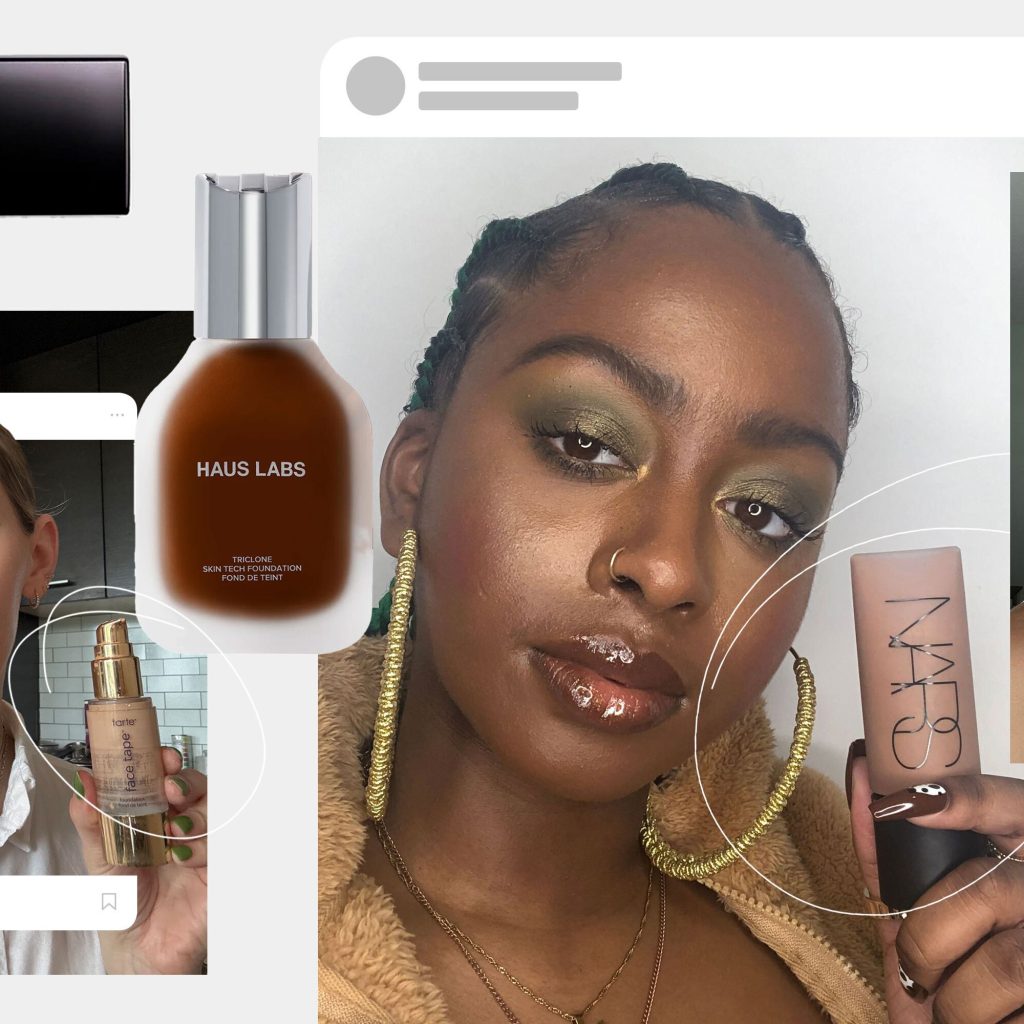
- Foundation: Those with oily skin may prefer matte foundations that control shine and provide a smooth finish, whereas individuals with dry skin often benefit from hydrating foundations that offer added moisture and a luminous glow.
- Concealer: For concealing blemishes or dark circles, cream-based concealers work well for dry skin, as their rich texture does not accentuate dryness. Conversely, people with oily skin typically find that liquid concealers offer better staying power and a more natural matte finish.
- Setting Spray: In terms of longevity, those with oily complexions should reach for a mattifying setting spray, which helps absorb excess oil throughout the day. On the other hand, a dewy setting spray is perfect for dry skin, adding a refreshing burst of moisture while enhancing the overall glow.
By grasping the essentials of your skin type and the specific makeup products that enhance your unique beauty, you can refine your routine effectively. The beauty landscape is vast, filled with innovative products and techniques designed to elevate not only your look but also your approach to self-care. As you venture into the world of makeup, consider these fundamental principles to help guide your exploration, ensuring that your beauty routine is as harmonious as it is stunning.
DISCOVER MORE: Click here to learn about essential nutrients for glowing skin
Understanding Your Skin Type
To navigate the myriad of makeup products available, a comprehensive understanding of your skin type is crucial. Each skin type presents its own challenges and requirements, determining how makeup sits on the skin and lasts throughout the day. The most common skin types include:
- Oily Skin: Characterized by a shiny appearance, particularly in the T-zone (forehead, nose, and chin), oily skin produces excess sebum that can lead to frequent breakouts. It’s essential to look for products that balance oil production and provide a matte finish.
- Dry Skin: People with dry skin often experience flakiness, tightness, or a rough texture. This skin type craves hydration, so products that offer moisture and a luminous finish are ideal.
- Normal Skin: Describing a balanced complexion, normal skin feels neither too oily nor too dry. It supports a wide array of makeup options, but those with this skin type should still select products based on their daily needs.
- Combination Skin: Featuring both oily and dry areas, combination skin requires a thoughtful selection of products tailored to different zones of the face. For instance, a matte foundation may work well on the oily areas while a hydrating formula benefits the dry patches.
- Sensitive Skin: Easily irritated, sensitive skin reacts negatively to harsh ingredients, often resulting in redness or breakouts. Choosing hypoallergenic and fragrance-free products can help minimize irritation while still delivering the desired coverage.
Product Recommendations by Skin Type
With a solid grasp of your skin type, it becomes easier to select essential makeup products that cater to your unique needs. Below are recommendations tailored for each skin type:
- Foundation: For oily skin, opt for oil-free matte foundations that absorb excess shine. Dry skin, on the other hand, flourishes with moisturizing foundations loaded with hydrating ingredients like ceramides or jojoba oil to combat dryness.
- Concealer: If you’re concealing blemishes on oily skin, a liquid formula with a matte finish provides better longevity. Conversely, cream-based concealers work wonders for dry skin, offering a more moisturizing touch that doesn’t cling to flaky areas.
- Blush: Powder blushes are generally favored among oily skin types as they help absorb excess oil, while cream or liquid blushes can infuse moisture and give a more radiant look, perfect for those with dry skin.
- Primers: A mattifying primer is crucial for oily skin, as it reduces shine and smooths texture. For dry skin, a hydrating primer can act as an additional layer of moisture under your makeup.
- Setting Powders: Finally, oily skin benefits from a translucent setting powder designed to lock makeup in place, whereas dry skin should seek lightly-milled powders that provide a soft finish without emphasizing dryness.
By recognizing your unique skin type and selecting appropriate makeup products, you can lay the groundwork for a flawless appearance while supporting your skin’s health. Makeup can indeed boost confidence and creativity, but making informed choices helps ensure it works harmoniously with your natural beauty.
| Category | Key Features |
|---|---|
| Skin Type: Oily | Look for oil-free foundations and mattifying primers that help control shine. |
| Skin Type: Dry | Choose products with hydrating ingredients like hyaluronic acid for a dewy finish. |
| Skin Type: Combination | Use balancing formulations that cater to both oily and dry areas. |
| Skin Type: Sensitive | Opt for hypoallergenic and fragrance-free products to prevent irritation. |
Understanding your skin type is paramount while selecting essential makeup products. Each skin type has unique characteristics and requires specific considerations to enhance your natural beauty without causing harm. For people with oily skin, it’s critical to focus on mattifying products to control shine and prevent breakouts. In contrast, dry skin benefits from rich, hydrating formulations to achieve that coveted luminous look. Combination skin needs a balanced approach, using different products for various zones to avoid excessive oiliness or dryness.
Sensitive skin necessitates an extra layer of caution; therefore, seeking out gentle, non-irritating options is crucial. The right products not only help achieve an appealing aesthetic but also promote overall skin health. Let’s explore the key essentials, so you can make informed decisions that cater to your skin’s unique needs and deepen your understanding of makeup application techniques tailored to your skin type.
DISCOVER MORE: Click here to dive into the world of personalized fragrances
Makeup Application Techniques and Tips
While selecting the right products based on your skin type is fundamental, understanding how to effectively apply those products can enhance your overall makeup experience and results. Here are some expert techniques and tips tailored for each skin type:
- Oily Skin: To keep excess shine at bay, start with a clean face, applying a mattifying primer to areas prone to oiliness. Use a beauty sponge to apply foundation, as this method helps absorb excess product and gives a more natural finish. When applying powder, focus on the T-zone, and use a setting spray to lock everything in place without adding more texture.
- Dry Skin: Hydration is your best friend, so ensure to exfoliate regularly to remove any dead skin cells before makeup application. A hydrating primer sets the stage for a smooth application. Use a damp beauty sponge to apply your foundation, as it can infuse moisture while providing a seamless finish. For blush application, opt for cream formulas; they not only provide a natural flush of color but also hydrate the skin.
- Normal Skin: Since you have the advantage of balanced skin, feel free to experiment with different formulas. Make use of both cream and powder products to determine which provides the desired look for different occasions. Always start with a lightweight moisturizer followed by a primer that suits your preference. When blending, a brush usually provides an airbrushed effect, while a sponge offers a more dewy finish.
- Combination Skin: The key to mastering your makeup is to apply products in layers. First, use a mattifying primer on oily areas and a hydrating primer on dry patches. When applying foundation, a stick foundation can be handy, as it allows you to target specific areas. Always set your makeup with a light dusting of powder, concentrating it on the oily zones, to achieve a flawless finish.
- Sensitive Skin: When applying makeup, use clean tools to avoid infections and irritations. Focus on applying a hypoallergenic primer to create a protective barrier. Opt for mineral foundations, which are often gentler on the skin. When concealing redness or blemishes, use a small, precise brush to ensure minimal disturbance to your skin. Always perform patch tests for new products to ensure compatibility.
In addition to product selection and application techniques, understanding the importance of makeup removal for your skin type cannot be overlooked. For oily skin, use a gel cleanser or an oil-free makeup remover to prevent clogging pores. Dry skin benefits from an oily makeup remover that hydrates while cleansing. Normal skin types can balance between gentle foaming cleansers and cleansing oils, while combination skin may require targeted products for each area. Sensitive skin benefits from fragrance-free, hypoallergenic removers that effectively cleanse without causing irritation.
Ultimately, your choice of essential makeup products should revolve around both the unique qualities of your skin type and the techniques that work best for you. By mastering these elements, you’ll not only enhance your makeup application but also prioritize the health and well-being of your skin.
DISCOVER MORE: Click here to discover unique designs
Conclusion
Choosing the right makeup products for your skin type is not just about aesthetics; it’s about enhancing your natural beauty while ensuring the health of your skin. Each skin type—be it oily, dry, normal, combination, or sensitive—has its distinct characteristics that demand customized approaches for both product selection and makeup application. As outlined in this article, understanding your skin’s needs allows you to select essential makeup items such as primers, foundations, and removers that work harmoniously with your skin.
Arming yourself with the right application techniques goes hand-in-hand with product choice, as even the best products can look less than perfect when applied incorrectly. For instance, techniques tailored for oily skin can help manage shine, while methods focused on dry skin ensure hydration is maintained throughout wear. This tailored application will ultimately lead to a more flawless finish, affecting not just your look, but your confidence as well.
Last but not least, never underestimate the significance of effective makeup removal to maintain skin health, as it is just as crucial as the makeup application process itself. In a world of overflowing beauty options, remember that a personalized approach—one that considers both your skin type and techniques—will set you on the path to achieving that coveted look while fostering your skin’s overall well-being. By embracing these insights and strategies, you’re not merely putting on makeup; you’re investing in your skin’s future. Explore, experiment, and elevate your makeup game for a look that truly feels like you.