Hair Treatments and Sustainability: Eco-Friendly Options and Their Benefits
Understanding the Shift to Sustainable Hair Care
As consumers increasingly prioritize environmental sustainability, the beauty industry is experiencing a profound transformation, particularly in the realm of hair treatments. Traditional hair products, often laden with synthetic chemicals and plastics, pose significant risks to both human health and the planet. This growing awareness has led many to explore eco-friendly alternatives that do not compromise on effectiveness while supporting broader ecological goals.
Natural Ingredients: The Heart of Eco-Friendly Treatments
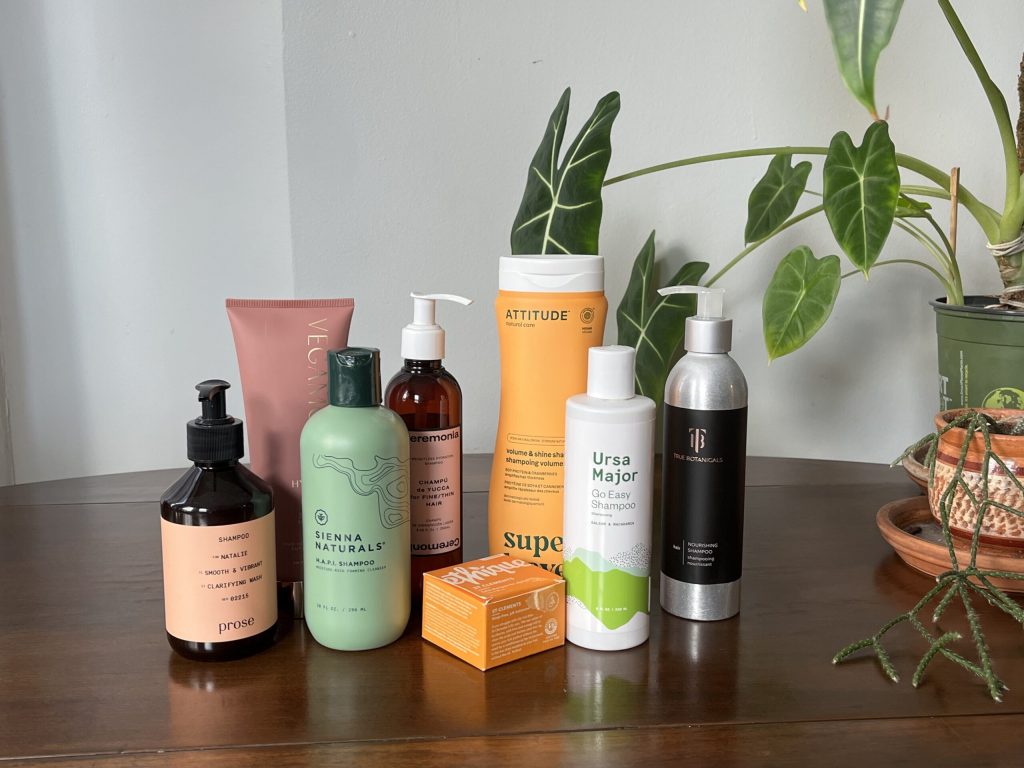
One of the cornerstones of eco-friendly hair care is the use of natural ingredients. Unlike conventional shampoos and conditioners filled with sulfates, parabens, and artificial fragrances, sustainable products often boast organic and biodegradable elements that are gentle on both the hair and scalp. For instance, ingredients such as argan oil, jojoba oil, and aloe vera provide deep moisture and nourishment without the harmful side effects associated with synthetic additives. Brands like Aveda and Rahua are exemplary, utilizing plant-based formulas that enhance hair health while being kind to the environment.
Reduced Waste: A Fresh Approach to Packaging
In addition to the formulas themselves, there is a marked shift towards reduced waste in the packaging of hair care products. Many companies are embracing sustainable packaging solutions, such as recyclable containers and biodegradable materials. Furthermore, refill options are becoming commonplace, allowing consumers to replenish their products without generating additional plastic waste. For instance, companies like Ethique offer shampoo bars that reduce plastic use and travel well, appealing to eco-conscious consumers who seek convenience and sustainability.
Ethical Sourcing: Supporting Global Communities
Another significant aspect of eco-friendly hair treatments is ethical sourcing. Many brands pursue fair trade practices, ensuring that the ingredients they use are harvested sustainably and support local communities. This not only elevates the quality of the products but also empowers farmers and workers involved in the supply chain. Brands such as SheaMoisture illustrate this commitment through their Fair Trade Shea Butter program, which allows local women in Western Africa to earn a livelihood while contributing to the sustainable production of hair care products.
Adopting eco-friendly hair treatments does more than promote luscious locks; it fosters a deeper connection to environmental stewardship. By choosing products that are gentle on the Earth, individuals contribute positively to ecological balance and encourage a shift away from damaging industrial practices. The movement towards sustainable hair care represents a necessary evolution in personal grooming that resonates with today’s values.
This article will explore various eco-friendly hair care products, their extensive benefits, and the implications of making the switch. Understanding these options not only empowers consumers but also positions them as active participants in the pursuit of a healthier planet and a more sustainable future.
DISCOVER MORE: Click here to dive into the latest trends
The Benefits of Eco-Friendly Hair Treatments
With the spotlight increasingly on sustainability in personal care, the benefits of opting for eco-friendly hair treatments extend beyond mere ethical considerations. Choosing sustainable options can lead to improved hair health, reduced environmental impact, and a sense of personal empowerment. Exploring these advantages will deepen your appreciation for sustainable products and may encourage you to reconsider your hair care routine.
Enhanced Hair Health
One of the most compelling reasons to switch to eco-friendly hair treatments is the potential for enhanced hair health. Conventional hair products often contain harsh chemicals that can strip hair of its natural oils, leading to dryness and damage. In contrast, eco-friendly treatments typically harness the power of natural, plant-based ingredients that nourish and strengthen hair.
For instance, products containing coconut oil are not only hydrating but also help protect against heat and environmental damage. Similarly, tea tree oil can combat scalp issues while promoting hair growth. By embracing these naturally-derived ingredients, consumers often experience improvements in shine, elasticity, and overall vitality.
Environmental Impact: Reducing Harm to the Planet
Another significant benefit of eco-friendly hair treatments lies in their potential to reduce harm to the planet. Traditional hair care products contribute to pollution through chemical runoff, plastic waste, and excessive water usage in their production. In stark contrast, sustainable hair treatments focus on minimizing these impacts. Many brands now commit to carbon-neutral practices, environmentally-responsible sourcing, and sustainable farming methods.
- Carbon-neutral production: Companies like Lush have made headlines for their commitment to offsetting carbon emissions, ensuring that their operations contribute positively to the environment.
- Water conservation: Eco-friendly brands often prioritize concentrating their products, requiring less water in production and leading to a lower environmental footprint.
- Biodegradable ingredients: Sustainable formulations prioritize biodegradable ingredients, ensuring that they do not harm aquatic life when washed down the drain.
Consumer Empowerment: Making Thoughtful Choices
Engaging with sustainable hair care is not just a trend; it’s a means of consumer empowerment. Individuals can make thoughtful choices about the products they use, reflecting their values and priorities. This conscious decision-making process can cultivate a sense of community among those who are passionate about protecting the environment.
Moreover, opting for sustainable hair treatments sends a powerful message to the beauty industry. As consumer demand shifts towards eco-conscious products, brands are motivated to innovate and develop more sustainable practices. By using eco-friendly options, individuals contribute to a larger movement that encourages responsible consumption and challenges the status quo.
In summary, eco-friendly hair treatments offer a multitude of benefits, from enhancing hair health to reducing environmental impact and empowering consumers. Understanding these advantages is crucial as we navigate the evolving landscape of hair care and embrace practices that align with our values for sustainability.
| Advantage | Description |
|---|---|
| Natural Ingredients | Eco-friendly hair treatments utilize natural ingredients free from harmful chemicals, promoting healthier hair and scalp. |
| Environmental Impact | These treatments focus on reducing waste and carbon footprint, as many brands adopt sustainable packaging and ethical sourcing practices. |
| Cruelty-Free Practices | Many eco-friendly hair treatments are developed with cruelty-free principles, ensuring no animal testing is involved in the product creation. |
| Long-Term Hair Health | Adopting these treatments not only nourishes hair but also contributes to its long-term strength and appearance, providing more sustainable solutions for consumers. |
Incorporating eco-friendly hair treatments into your routine not only benefits personal health but also emphasizes a commitment to sustainability. People are becoming more conscious of their choices, and seeking information about the advantages of organic hair products can ignite curiosity and lead to impactful lifestyle changes. The intersection of beauty and environmental responsibility is a growing trend, one that inspires a deeper dive into the products we choose for our hair care. This movement encourages individuals to explore how sustainability can redefine beauty standards while benefiting both people and the planet.
DIVE DEEPER: Click here to discover the latest trends
The Growing Popularity of Eco-Friendly Hair Treatments
The evolution of the beauty industry has seen a remarkable shift, with eco-friendly hair treatments gaining traction among consumers who are becoming increasingly conscious of their choices. As awareness about the detrimental effects of traditional hair products spreads, more individuals are looking for alternatives that align with their sustainability values. This growing demand is driving innovation and inspiring established brands, as well as new entrants, to explore eco-friendly formulations.
Certification and Transparency: A New Standard
Today’s consumers are discerning, often prioritizing products that are not only effective but also certified by respected organizations. The rise of certifications such as FDA-approved, USDA Organic, and Leaping Bunny not only signify a commitment to quality but also ensure transparency regarding ingredients and sourcing. Brands like Aveda and Rahua have embraced these certifications, showcasing their dedication to providing safe products without harmful chemicals while sourcing sustainably from their native regions.
This transparency helps consumers make informed decisions, ultimately leading to a more educated marketplace. For example, ingredients such as argan oil, known for its moisturizing properties, are often sourced from cooperative societies in Morocco, empowering local communities while promoting sustainability. As consumers demand clarity regarding ingredient origins, ethical sourcing practices are becoming a non-negotiable expectation.
Innovative Ingredients: Nature’s Gifts
The ingredient lists in eco-friendly hair treatments reflect a treasure trove of nature’s gifts. Many brands are harnessing the power of lesser-known botanicals and herbs which not only enhance hair health but are also sustainably harvested. Ingredients such as aloe vera, baobab oil, and amaranthe oil are finding their way into shampoos and conditioners, providing moisturization and nourishment that chemical-heavy products simply cannot achieve.
Additionally, brands are incorporating superfoods into their formulations, like spirulina and matcha, which are rich in nutrients. Such ingredients not only energize and revitalize hair but also carry potential environmental benefits, as many are grown sustainably and have a lower carbon footprint compared to conventional crops.
Community and Consciousness: The Collective Effort
Choosing eco-friendly hair treatments fosters a sense of community among consumers who care about the planet. Many brands are championing the idea of consciousness and collective effort, driving positive change through various initiatives. For instance, companies are partnering with local charities to fund reforestation projects and promote biodiversity as part of their business model.
Moreover, the presence of grassroots movements, such as zero-waste salons, is an inspiring example of how the beauty community is coming together to support sustainable practices. These salons use refill stations for shampoos and conditioners, minimizing plastic waste, while offering a platform for education on how to reduce personal environmental impact. Consumers engaging with these local initiatives are not just supporting eco-friendly products; they are part of a larger conversation regarding the future of beauty.
As the journey of making informed decisions continues, exploring eco-friendly hair treatments reveals possibilities that go beyond superficial benefits. This movement is about cultivating a holistic approach to beauty, one that encompasses our inner and outer selves while nurturing the planet we call home.
LEARN MORE: Click here for essential insights
Embracing Sustainability in Hair Care
As we navigate through the evolving landscape of the beauty industry, the significance of eco-friendly hair treatments becomes increasingly evident. The growing awareness around the environmental impact of traditional hair products is paving the way for a new era—one where consumers prioritize sustainability, ethical sourcing, and natural ingredients. By opting for products backed by certifications such as USDA Organic and Leaping Bunny, individuals are not only caring for their hair but also making conscientious choices that benefit the planet.
Moreover, the incorporation of innovative ingredients derived from sustainable practices illustrates that nature holds a wealth of options that can effectively enhance hair health. From aloe vera to baobab oil, these valuable botanicals support not just individual beauty but also community welfare and environmental preservation. As grassroots movements gain momentum, such as the emergence of zero-waste salons, consumers are becoming part of a broader initiative that champions both beauty and environmental responsibility.
Ultimately, embracing eco-friendly hair treatments is about more than just enhancing hair appearance—it fosters a collective consciousness that empowers individuals to take charge of their beauty choices in a manner that honors the planet. As this movement continues to grow, it invites us all to become more informed, engaged, and aware consumers, paving the path toward a more sustainable future in the beauty industry.