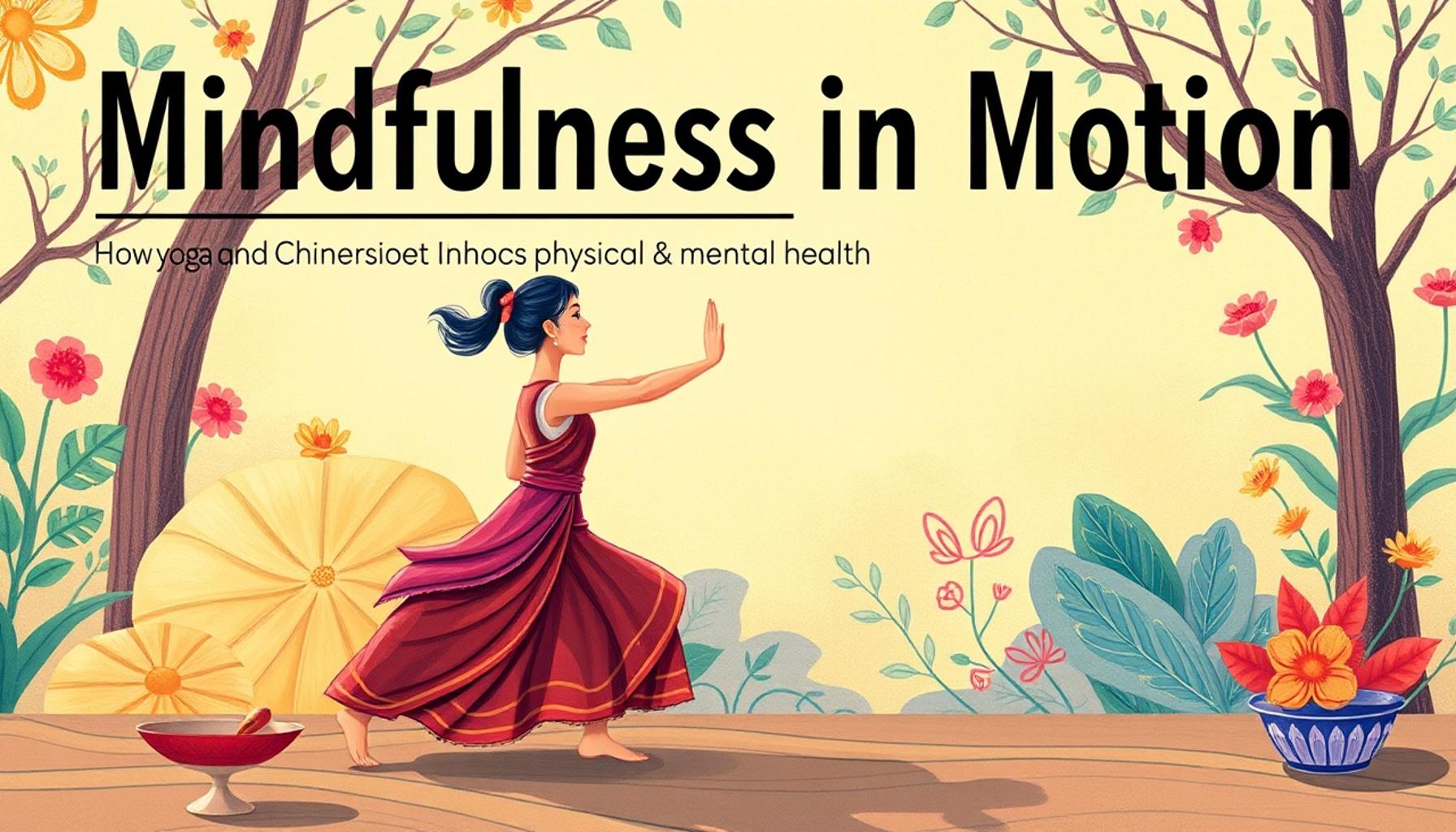
Exploring the Benefits of Outdoor Activities for Physical and Mental Health
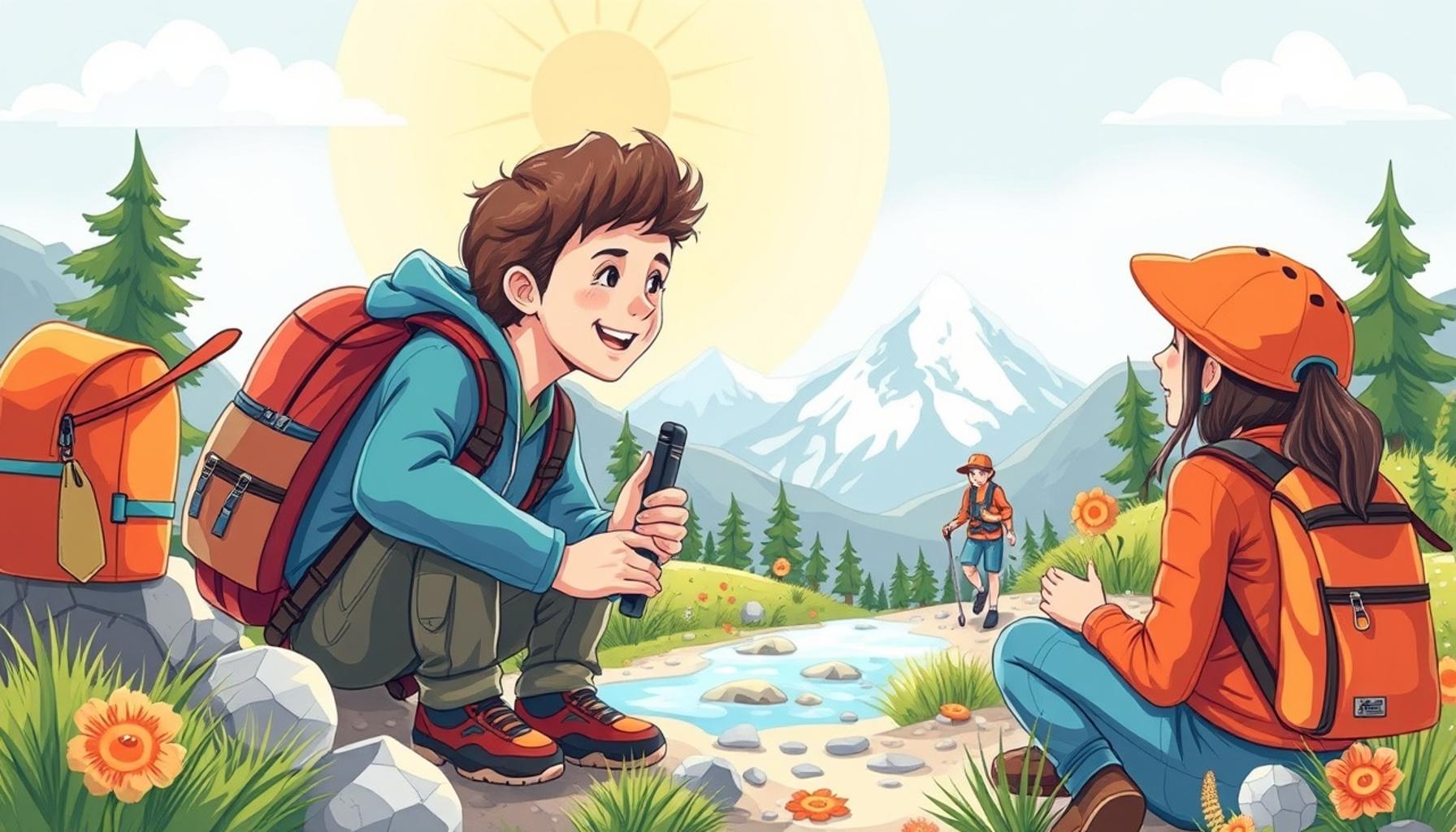
The Importance of Reconnecting with Nature
Engaging in outdoor activities can profoundly impact both physical and mental health. As the world becomes increasingly urbanized, the need to reconnect with nature has never been more essential. Research indicates that spending time outdoors not only elevates our mood but also boosts overall well-being. For many, simple outdoor experiences can serve as transformative adventures that enhance both individual health and community bonds.
Physical Benefits
Outdoor activities offer a myriad of physical benefits, making them an enticing alternative for those seeking to improve their health:
- Enhanced cardiovascular fitness: Activities like hiking and cycling not only elevate heart health but also improve lung capacity. For example, biking along the scenic Pacific Coast Highway in California presents stunning views while promoting a strong cardiovascular system.
- Increased strength and flexibility: Participating in yoga in the park, or attempting rock climbing at a local climbing gym can significantly improve body strength and flexibility. Programs such as outdoor boot camps or community yoga classes in green spaces allow individuals to partake in guided exercises while enjoying nature.
- Weight management: Regular participation in outdoor sports, such as canoeing, trail running, or soccer in the park can aid in maintaining a healthy weight. Studies suggest that those who engage in outdoor recreational activities burn more calories compared to stationary indoor workouts.
Mental Benefits
In addition to physical health, outdoor activities provide significant mental health advantages that can lead to a more balanced life:
- Reduced stress: Nature exposure, such as walking through a lush forest or sitting by a calm lake, has been shown to lower stress levels. Research from Stanford University indicates that individuals who walk in nature report less anxiety and depressive thoughts.
- Improved mood: Spending time in outdoor settings can trigger the release of feel-good hormones, like serotonin and endorphins. For example, gardening or simply enjoying a picnic in the park can uplift spirits significantly.
- Enhanced focus: Nature can help replenish attention levels and boost creativity, improving overall cognitive function, particularly beneficial for students and professionals alike. The concept of “forest bathing,” a Japanese practice known as Shinrin-yoku, suggests that immersing oneself in a natural environment can have profound impacts on mental clarity and focus.
In a society where mental health is gaining recognition, integrating outdoor activities into our routines may be the key to unlocking a happier, healthier life. Whether it’s a family hike in the Adirondacks or a solo stroll through a local botanical garden, each moment spent outdoors enhances our connection to both the world around us and ourselves. By consciously embracing the great outdoors, we not only discover the beauty of nature but also foster the resilience needed to navigate the complexities of modern life. Join us as we delve deeper into the compelling reasons to embrace the great outdoors.
DISCOVER MORE: Click here for tips on creating the perfect sleep environment
Unveiling the Holistic Impact of Outdoor Activities
As we increasingly understand the importance of a healthy lifestyle, integrating outdoor activities into our daily routines emerges as a powerful strategy for enhancing both physical and mental well-being. A wealth of research underlines that exposure to natural environments can invigorate our bodies and elevate our spirits in ways that indoor activities often cannot match. Beyond just a momentary escape from the hustle and bustle, engaging with the outdoors can foster lasting health benefits that are crucial in our rapidly evolving world.
Optimizing Physical Health through Outdoor Recreation
Exploring the variety of outdoor activities reveals numerous ways they help optimize physical health:
- Cardiovascular improvement: Activities such as running trails, kayaking, or even brisk walking in a nearby park promote better heart health and vascular function. A report from the American Heart Association illustrates that just 150 minutes of moderate aerobic activity weekly can have profound effects on cardiovascular efficiency.
- Muscle strengthening: Engaging in outdoor pursuits like hiking or playing sports not only promotes cardiovascular exercise but also builds strength and endurance. Whether it’s climbing tough terrain or pushing a child on a swing, outdoor activities engage muscle groups that might remain dormant in a sedentary lifestyle.
- Boosting endurance: Regularly participating in outdoor events such as marathons or triathlons can vastly improve stamina and functional capacity. Outdoor training courses are increasingly available, empowering participants to trek across beautiful landscapes while building endurance.
The Psychological Lift of Nature Engagement
The psychological benefits of outdoor activities come into sharp focus when considering their impact on mental health:
- Stress reduction: Activities such as leisurely biking or meditative strolls along a beach have been shown to significantly decrease levels of the stress hormone cortisol. Studies from the University of Essex reveal that just five minutes of exercise in a natural environment can enhance mood and self-esteem.
- Enhanced creativity: Immersing oneself in nature can lead to heightened creativity and problem-solving skills. Engaging in outdoor art programs or simply allowing oneself to reflect in idyllic settings often inspires fresh ideas, showcasing the powerful link between nature and cognitive processes.
- Improved overall happiness: Research conducted by the Happiness Studies Academy indicates that people who spend time outdoors report more substantial feelings of joy and fulfillment. Whether through gardening, playing a game of frisbee, or attending outdoor community events, the happiness derived from the outdoors often spills over into other aspects of life.
In our quest for a healthier lifestyle, incorporating outdoor activities seems not only logical but essential. The unique interplay of fresh air, natural beauty, and physical exertion creates a perfect setting for reaping enormous health benefits. Embracing these opportunities can lead to transformative experiences, encouraging holistic growth and renewal. Through deeper exploration of outdoor activities, we pave the way for better informed and improved quality of life.
Exploring the Benefits of Outdoor Activities for Physical and Mental Health
Engaging in outdoor activities is more than just a pastime; it’s a pathway to a healthier and happier life. The interplay between the natural environment and physical exertion can significantly impact both physical and mental well-being. Activities such as hiking, biking, and team sports not only enhance cardiovascular health but also strengthen muscles and improve flexibility. Meanwhile, the exposure to sunlight increases Vitamin D levels, which is crucial for bone health and immune function.
Moreover, the benefits of outdoor activities extend beyond physical fitness. Studies indicate that spending time in nature can alleviate symptoms of anxiety, stress, and depression, leading to an overall uplift in mood. The simple act of walking in a park or engaging in outdoor sports brings about a sense of community and a camaraderie that can enrich one’s social life.
| Category | Details |
|---|---|
| Physical Health | Improves cardiovascular fitness and muscular strength. |
| Mental Well-being | Reduces stress, anxiety, and depression, enhancing mood. |
With an array of activities to choose from, whether it’s competitive sports or leisurely strolls, it’s essential to find what resonates best with you. This not only encourages regular participation but also transforms outdoor activity into a compelling and enjoyable part of your lifestyle. Embrace the great outdoors and experience the transformative power it holds for your health and happiness.
DIVE DEEPER: Click here to discover relaxation techniques for better sleep
Connecting Communities Through Outdoor Engagement
In addition to the personal physical and mental benefits, outdoor activities play a pivotal role in connecting communities and fostering social bonds. Engaging in activities outside can facilitate formidable friendships and networks, enriching the community fabric while enhancing individual well-being.
Promoting Social Health
Participation in outdoor activities provides opportunities for individuals to meet like-minded people and cultivate relationships. The social impacts cannot be understated:
- Community events: Outdoor festivals, sporting events, or simply neighborhood activities like park clean-ups encourage individuals to gather, share stories, and work towards common goals. These events strengthen community ties, providing a platform to build friendships based on shared interests.
- Team sports: Joining local teams for sports such as soccer, basketball, or even ultimate frisbee can enhance physical fitness while solidifying social connections. According to a study from the American Psychological Association, being part of a team reduces feelings of isolation and loneliness, which are becoming increasingly common in today’s fast-paced digital era.
- Support networks: Engaging in groups that focus on outdoor activities, whether it’s hiking clubs or outdoor yoga sessions, creates built-in support networks. Sharing experiences fosters camaraderie, elevating mental health and providing motivation to remain active.
Educational Opportunities in Nature
Businesses and educational institutions are increasingly recognizing the value of outdoor learning experiences. Integrating active learning with nature can enhance cognitive functions:
- Nature-based education: Programs that utilize outdoor environments for teaching science, art, and ecology cultivate a deeper appreciation for the world around us. Research by the American Institutes for Research indicates that children who spend time engaging with nature show better focus and improved academic performance.
- Adventure therapy: This innovative therapeutic approach uses outdoor activities as a medium for treatment. Programs designed for at-risk youth and adults can provide transformative experiences that encourage personal growth and resilience. A meta-analysis from the Journal of Adventure Education and Outdoor Learning found that participants in adventure therapy programs reported improvements in self-esteem and social skills.
- Outdoor skills workshops: Learning skills such as climbing, survival tactics, or orienteering not only enhances individual competencies but also promotes teamwork and communication. These workshops often extend beyond mere physical skills, instilling confidence and adaptability that can have lasting impacts.
The Environment’s Role in Healing
Beyond personal and social dimensions, the environmental impacts of outdoor activities should not be overlooked. Engaging with natural spaces can lead to a greater understanding and appreciation of environmental stewardship:
- Conservation initiatives: Participating in organizations focused on environmental conservation can connect individual health with the health of the planet. Volunteering for such initiatives not only allows participants to enjoy outdoor activities but also inculcates a sense of responsibility and purpose.
- Sustainable recreation: Outdoor activities, when engaged in sustainably, promote conservation of natural resources, ensuring that these beautiful environments remain intact for future generations. Awareness campaigns and responsible outdoor practices, like Leave No Trace, help individuals understand their ecological footprint.
- Promoting biodiversity: Engaging in outdoor activities can increase public support for ecological initiatives, leading to stronger advocacy for preserving natural habitats. This, in turn, contributes to a vibrant environment that supports mental well-being and physical health.
Overall, the overlap of outdoor activities with social, educational, and environmental realms creates a multi-layered approach to health and wellness. This series of positive exchanges fosters a deeper connection not only to oneself but also to the greater community and the environment, amplifying the benefits of outdoor engagement.
DIVE DEEPER: Click here to discover powerful breathing techniques for better sleep
Final Thoughts on Outdoor Activities and Well-Being
In conclusion, the evidence is clear: engaging in outdoor activities offers profound benefits for both physical and mental health. From enhancing cardiovascular fitness through hiking and cycling to reducing stress and anxiety via tranquil nature experiences, these activities not only provide a pathway to improved personal health but also build resilient communities. By participating in social gatherings, team sports, and volunteering for conservation efforts, individuals develop connections that foster a sense of belonging and purpose.
Moreover, outdoor engagement synergizes with educational opportunities, promoting both cognitive skills and personal growth. The versatility of learning in natural settings creates richer, more meaningful experiences that benefit participants of all ages. Programs such as adventure therapy provide vital support for those in need, further illustrating the transformative power of the great outdoors.
As individuals explore these benefits, they also cultivate a deeper connection with the environment, reinforcing the significance of sustainable practices. By considering our ecological footprint and advocating for biodiversity, outdoor enthusiasts contribute to a healthier planet, enhancing well-being for generations to come.
Ultimately, the act of exploring the benefits of outdoor activities for physical and mental health is an invitation to embrace a lifestyle that honors our well-being while nurturing the communities and ecosystems that support us. Whether it’s a brisk walk in the park or an adventurous climb up a mountain, the outdoors beckon us to engage, connect, and thrive. Let us take this call to action and step outside—our bodies and minds will thank us.

Beatriz Johnson is a seasoned skincare specialist and writer with a passion for simplifying the complexities of beauty science and skincare routines. With over a decade of experience in the aesthetics industry, she specializes in topics like ingredient efficacy, anti-aging strategies, and global beauty trends. Through her work, Beatriz empowers readers to make informed skincare choices and stay ahead in the ever-evolving world of beauty and wellness.