
Deconstructing Clutter: Personal Organization Practices for an Intentional Life

Understanding the Impact of Clutter
In today’s fast-paced world, many find themselves surrounded by a constant influx of physical and digital clutter. This accumulation can lead to feelings of overwhelm and distraction, making it harder to focus on what truly matters. Research shows that clutter not only affects our immediate physical environment but also impacts our mental well-being. For instance, a study published in the “Personality and Social Psychology Bulletin” found that individuals living in cluttered homes experienced higher levels of the cortisol hormone, which is associated with stress. Embracing a clutter-free lifestyle is more than just tidying up; it’s about creating intentional spaces that foster clarity and purpose.
Benefits of Personal Organization
Personal organization extends beyond mere aesthetics. Here are some key advantages:
- Boosted productivity: A well-organized space helps streamline tasks, allowing individuals to locate items quickly and complete work efficiently. For example, having a dedicated workspace with essential tools easily accessible can significantly enhance focus and creativity.
- Reduced stress: Clutter can be a significant source of anxiety. A cluttered environment often distracts our attention from important tasks and may lead to feelings of helplessness and frustration. Studies suggest that a clean and organized setting can drastically reduce feelings of overwhelm.
- Clearer mindset: A tidy environment promotes mental clarity. When you diminish the noise created by excess belongings, you allow your mind to concentrate on what truly matters—whether it be personal projects, work tasks, or family time.
Exploring Practical Strategies
To embark on a journey towards a more intentional life, consider implementing the following organization practices:
- Decluttering regularly: Schedule time for seasonal purges—think of early spring or the end of the year as prime opportunities to assess what you truly need. For instance, donating clothes you haven’t worn in over a year not only benefits you but can help those in need.
- Curating personal belongings: Keep only what adds value to your life. This could mean retaining items with sentimental value or those that serve a practical purpose. The minimalist philosophy suggests that by turning our attention to quality over quantity, we can enhance our life experience.
- Establishing designated spaces: Create specific spots for items to minimize chaos. Implementing storage solutions such as bins, shelves, or even digital storage can prevent clutter from accumulating. For instance, using a planner app on your phone to keep your calendar organized can reduce paper clutter while ensuring you remain on top of important events.
By adopting these strategies, you pave the way for a lifestyle that is not only purposeful but also enriching. The act of organizing can facilitate deeper reflection on what matters most to you, ultimately guiding you to a more fulfilling daily existence. As we delve deeper into this topic, discover how embracing intentional organization can transform your life and lead to greater happiness and effectiveness in both personal and professional realms.
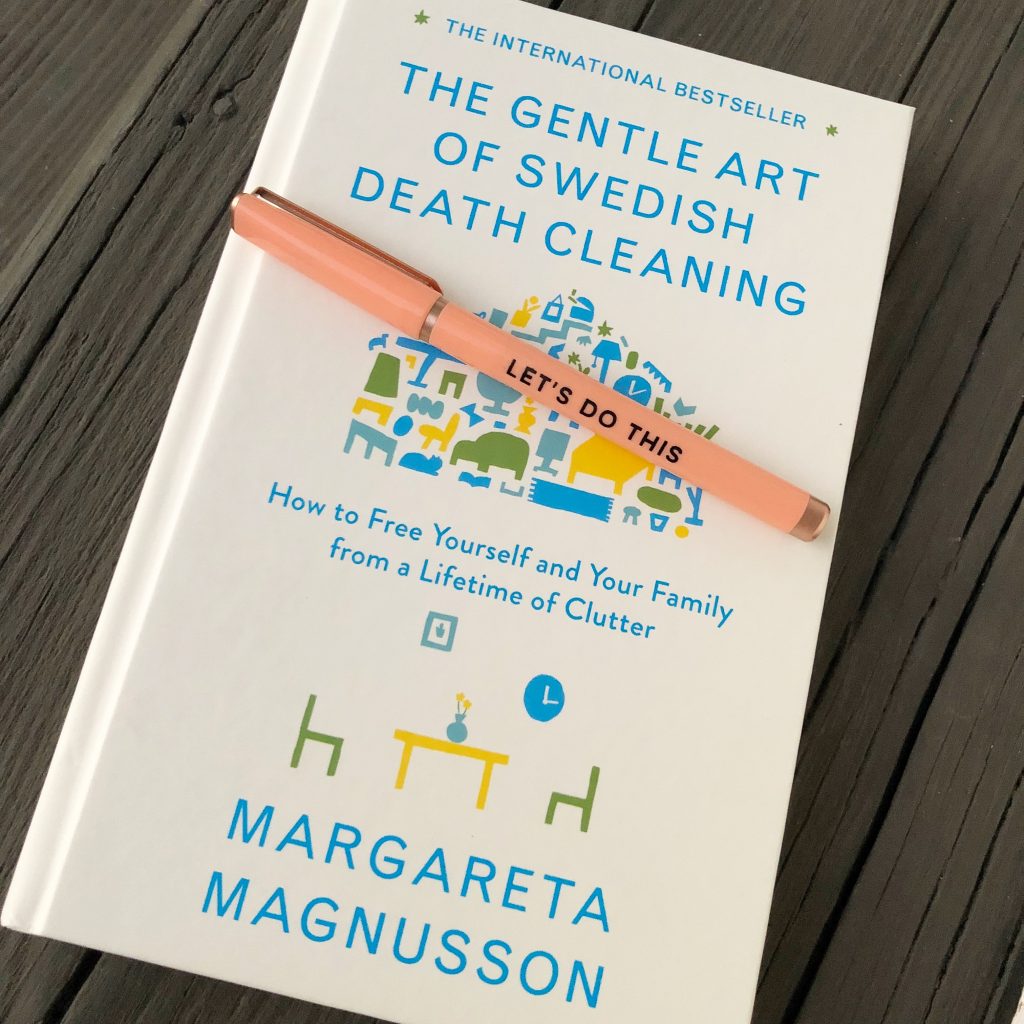
Practical Steps to Embrace Organization
Embracing organization in our lives is a journey that can profoundly impact both our physical and mental well-being. To embark on this path effectively, it is vital to adopt practical organization strategies that align with our individual values and everyday routines. Awareness is the first step; it involves acknowledging the specific areas in our homes and workplaces that may contribute to our feelings of chaos and overwhelm. This self-assessment can guide our decluttering efforts and ultimately create a more serene and harmonious environment.
Creating a Decluttering Routine
One of the most critical elements in sustaining an organized lifestyle is the establishment of a decluttering schedule. Routines not only provide consistency but also instill accountability. Here are some systematic steps you can incorporate into your daily life:
- Daily Maintenance: Aim to spend a mere 10-15 minutes each day tidying up spaces you frequently use. For instance, after cooking, take a few minutes to clean the kitchen counter, or at the end of the workday, organize your home office desk. This small investment of time can prevent a backlog of clutter from accumulating and becoming overwhelming.
- Weekly Focus: Choose one day each week to tackle specific areas that require attention, such as your closet, bathroom drawers, or garage. Set achievable goals, such as addressing one section at a time—a great way to keep the process manageable and less daunting.
- Monthly Projects: Identify larger projects that can’t be handled in a single day, like sorting through old paperwork or organizing digital files. Breaking these larger tasks into smaller, more manageable chunks enables you to maintain motivation and a sense of accomplishment as you make progress.
Embracing Digital Organization
In our increasingly digital age, controlling digital clutter is as critical as managing physical clutter. With the endless influx of emails, documents, and digital files vying for our attention, utilizing strong organization strategies can significantly enhance efficiency and minimize stress.
- Email Management: Organize your email by creating folders based on categories like ‘To Do’, ‘Projects’, or ‘Archive’. Additionally, take time each month to unsubscribe from newsletters and promotional emails that no longer provide value, allowing your inbox to be less cluttered and easier to navigate.
- File Organization: Consider using cloud storage solutions such as Google Drive or Dropbox for easy access to essential documents. Clearly label files and organize them into logically categorized folders, ensuring that retrieving documents is quick and straightforward.
- App Decluttering: Regularly review the apps installed on your smartphone or tablet. Delete any applications that you haven’t used in the past month or that add unnecessary complexity to your life. By streamlining your digital tools, you create a more focused and efficient workspace that enhances productivity.
By committing to these steps, you can curate a living space that aligns with your values and priorities. The process of deconstructing clutter serves not only to organize your physical environment but also nurtures a new mindset—one that prioritizes simplicity, focus, and clarity. As we delve into this journey further, let’s explore the philosophy of minimalism, which serves as a powerful tool for enhancing personal organization and well-being.
| Strategy | Impact |
|---|---|
| Decluttering Sessions | Improves focus by creating a calmer environment conducive to productivity. |
| Intentional Purchasing | Reduces clutter over time as it encourages mindful choices, leading to an organized and peaceful life. |
| Organizational Tools | Enhances efficiency in daily tasks, making it easier to maintain a clean and structured living space. |
| Set Goals | Motivates commitment to personal organization practices, ensuring sustained improvements and intention in daily activities. |
Engaging in regular decluttering sessions, as indicated in the table, significantly enhances focus and mental clarity. These sessions allow individuals to scrutinize their possessions and eliminate unnecessary items that distract from their personal and professional goals. Moreover, intentional purchasing plays a pivotal role in cultivating an environment that fosters organization. By consciously selecting items that truly add value to their lives, people can substantially decrease the likelihood of accumulating clutter.Organizational tools, whether digital apps or physical storage solutions, streamline day-to-day tasks, thereby promoting a more efficient lifestyle. This efficiency is essential for leading a stress-free and intentional life. Setting clear and achievable goals acts as a catalyst for maintaining commitment to these practices. Through a structured approach to personal organization, individuals can transform their living spaces into havens of peace and productivity. Embracing these strategies not only cultivates an intentional life but also promotes a profound shift in lifestyle choices and overall wellbeing.
Minimalism: A Path to Intentional Living
At the core of deconstructing clutter lies the transformative philosophy of minimalism. Minimalism isn’t just a design aesthetic; it’s a mindset that encourages individuals to prioritize experiences and relationships over material possessions. By embracing minimalism, we can create environments that promote clarity and purpose, nurturing an intentional life.
Understanding Minimalism
Minimalism can take on various forms, depending on individual preferences and life situations. It encourages individuals to appreciate quality over quantity, prompting a careful examination of what truly adds value to their lives. The appeal of minimalism is not merely in reduction; it is in the profound peace that arises when distractions are minimized, allowing space to focus on what truly matters. Research indicates that individuals who adopt minimalist practices often report higher levels of satisfaction and reduced feelings of anxiety, proving that less can indeed be more.
Implementing Minimalist Principles
To incorporate minimalist concepts into your daily life, consider these foundational practices:
- Assess Your Belongings: Start with a deep dive into your possessions. This could be your wardrobe, household items, or even books. Ask yourself, “Does this bring me joy?” or “Do I truly need it?” Items that do not serve a purpose or enhance your life may be candidates for donation or resale.
- One In, One Out Rule: Establish a diligent policy whereby each time you acquire a new item, an old one must leave your home. This practice not only curbs excessive accumulation but also encourages intentional purchasing—making sure new additions are genuinely valuable to you.
- Mindful Consumption: Approach shopping with a mindset of mindfulness. Before purchasing, take time to reflect on the necessity of the item, its quality, and its longevity. This helps in avoiding impulsive decisions that clutter your life.
Celebrating Experiences Over Things
Minimalism encourages focusing on experiences instead of accumulating items. Studies show that people often derive more lasting happiness and fulfillment from memorable experiences than from owning material goods. This shift can motivate individuals to invest in travel, hobbies, learning, or even quality time with family and friends. Planning regular experiences fosters deeper connections and fulfilling lives, which is a critical aspect of an intentional lifestyle.
Creating a Calm and Inviting Space
Implementing minimalism in your physical space not only promotes aesthetic appeal but also cultivates tranquility. A clutter-free environment can enhance focus and productivity. One popular approach is the KonMari Method, developed by Marie Kondo, which entails organizing by category rather than location and retaining only those items that “spark joy.” Adopting this method can be particularly effective in instilling mindfulness towards personal belongings and creating a serene atmosphere.
By integrating minimalism into everyday life, you can not only learn to deconstruct the physical clutter that surrounds you but also participate in a broader exploration of what it means to live intentionally. As we progress, it is essential to look into sustainable organizing practices, enabling us to maintain our newfound clarity and intention while contributing positively to the planet.
Conclusion: Toward an Intentional and Organized Life
In a world overwhelmed by the incessant flow of possessions and distractions, deconstructing clutter emerges as a crucial step toward crafting an intentional life. By embracing the philosophies of minimalism, we come to understand that true fulfillment is rooted not in what we own, but in the quality of our experiences and relationships. The journey begins with a thorough assessment of our belongings, while adopting principles like the One In, One Out Rule and practicing mindful consumption can significantly transform our spaces and minds.
As we celebrate life through meaningful experiences, we begin to shift our focus away from material accumulation, unlocking deeper emotional connections and lasting joy. Creating a calm and inviting space allows us to enhance productivity and focus, leading to a more centered and enriched existence. Implementing sustainable organizing practices not only promotes personal clarity but also encourages environmental responsibility as we strive to maintain spaces that reflect our values.
Ultimately, the journey of deconstructing clutter is an ongoing process, fostering personal growth and intentional living. As you take the first steps to simplify your life, remember that each choice reflects your values and aspirations. Dive deeper, explore various methods, and engage in conversations around organization and intentionality, creating a ripple effect that can inspire others to embark on similar paths. The potential for a more fulfilling existence awaits, just beyond the clutter.

Linda Carter is a writer and organization expert specializing in minimalism and personal organization. With extensive experience helping individuals create clutter-free, functional spaces and adopt mindful habits, Linda shares her knowledge on our platform. Her goal is to empower readers with practical advice and strategies to simplify their lives, stay organized, and achieve a sense of calm and balance in their daily routines.