
Decluttering Strategies for Families: Creating Harmonious Spaces at Home
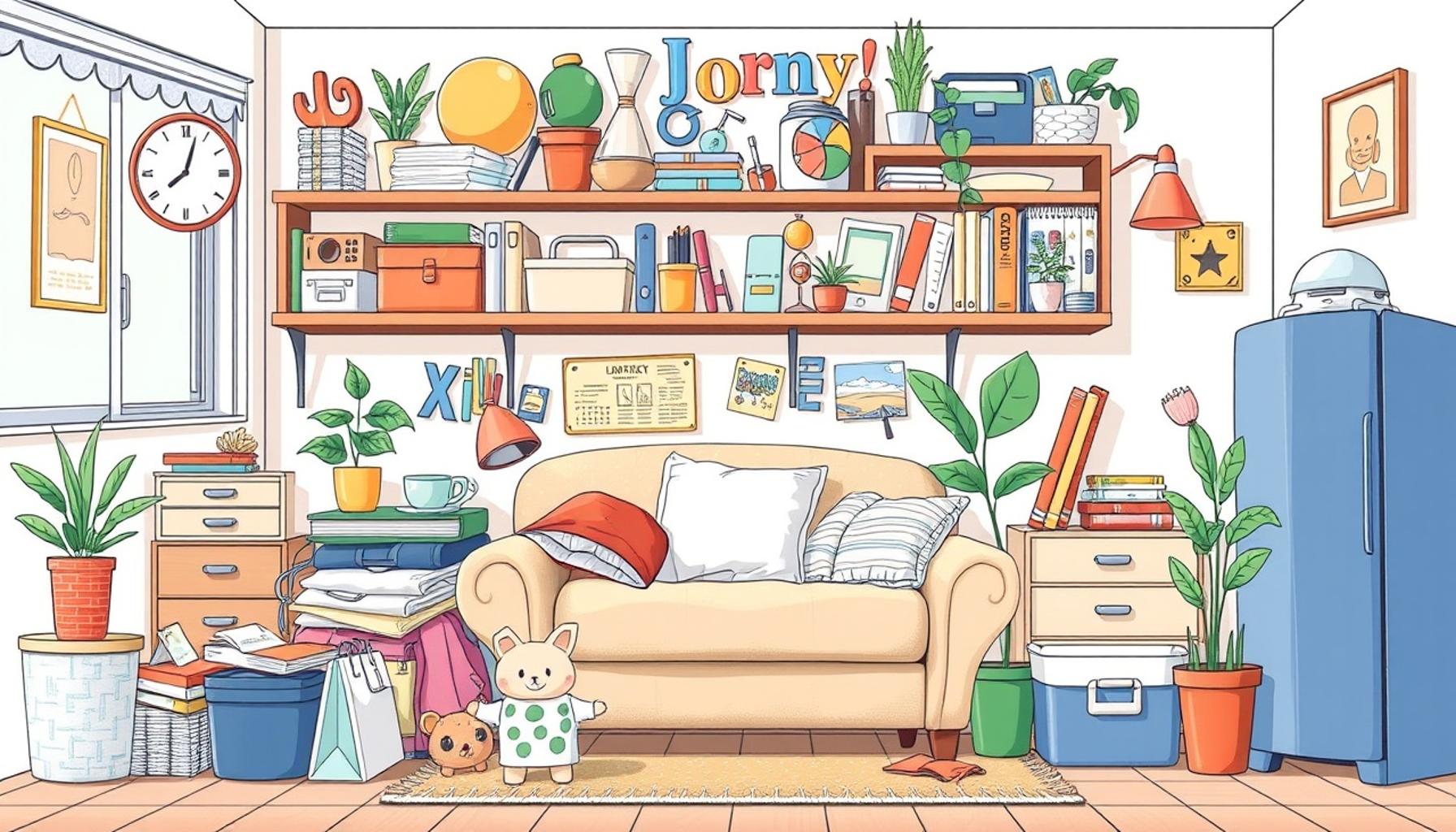
The Importance of Decluttering
In recent years, the issue of clutter has gained increasing attention, as more families struggle to find balance between busy lifestyles and maintaining a serene home environment. A disorganized space not only hampers efficiency but also affects mental health; studies have shown that cluttered homes can elevate stress and overwhelm, leading to decreased concentration and overall productivity. It’s vital to consider decluttering not just as a chore, but as a pathway to a healthier lifestyle.
Effective Decluttering Strategies
Adopting effective decluttering strategies can profoundly transform how a family interacts within their living space. Here are detailed approaches to consider:
- Set Clear Goals: Start by visualizing what a clutter-free home means to your family. Is it a clean kitchen counter, a toy-free living room, or an organized garage? Write down specific goals for different rooms and prioritize them based on daily use. For instance, set a timeline to tackle the kitchen this week, followed by the children’s play area next week. This structured approach ensures that you see progress and remain motivated.
- Involve the Whole Family: Decluttering should not be a solo endeavor. Bring in all family members, from toddlers to teenagers, and assign age-appropriate tasks. Young children can help sort toys, while teenagers can handle their own clothing and personal items. Turn these sessions into fun activities—it could be a friendly competition with timer challenges or a family music playlist to keep energy high. Engaging everyone fosters collaboration and teaches valuable life skills.
- Regular Decluttering Sessions: Prevention is key. Organize regular decluttering sessions—weekly, bi-weekly, or monthly, depending on what suits your family best. Encourage family members to regularly evaluate items, asking themselves if they have used or even looked at an item in the past year. Consider adopting the “one-in, one-out” rule, where for every new item brought into the home, an old one is donated or discarded. This practice helps maintain the harmony achieved through previous decluttering efforts.
In summary, by adopting a structured approach to decluttering, families can not only create a more organized living space but also strengthen family bonds while reducing stress. The payoff is not just the aesthetic change within the home, but also the enhanced wellbeing that comes with a peaceful environment.
Looking Ahead
Families across the United States are beginning to realize the importance of creating harmonious spaces. With mindfulness and commitment, each small step in decluttering leads to significant improvements in both daily life and long-term happiness. Getting started is the hardest part, but the journey towards a tidier home can be rewarding and fun. In the following sections, we will delve into practical techniques and innovative ideas that help families thrive in their quest for order. Prepare to uncover transformative strategies that can reclaim your home and your peace of mind!
Embracing Minimalism
As families navigate the complexities of modern life, the allure of minimalism has become increasingly prominent. Minimalism advocates for living with less, encouraging families to evaluate the necessity of items in their homes. By adopting a minimalist mindset, families can experience a significant reduction in clutter, leading to a more peaceful and focused environment. This approach hinges on the idea that possessions can easily multiply in the chaotic hustle and bustle of family life, stressing the importance of intentionality with what we choose to keep.
Sorting Techniques
One effective method to streamline decluttering is utilizing sorting techniques that simplify the decision-making process. Consider implementing the following strategies that can be easily integrated into your family routine:
- The Four-Box Method: Designate four boxes labeled “Keep,” “Donate,” “Sell,” and “Trash.” As you sort through items, immediately categorize them into these boxes. This method not only clarifies your decision but also urges family members to confront the value of their possessions.
- The 90/90 Rule: This rule suggests that if you haven’t used an item in the past 90 days and don’t foresee using it in the next 90 days, it’s time to let go. This strategy helps families focus on items that truly serve a purpose in their daily lives, promoting a more functional space.
- Seasonal Rotations: For families with children, toys can accumulate rapidly. Consider a system where seasonal toys are stored away for the off-season, allowing a periodic inventory of items. When the new season arrives, evaluate the stored items—are they still relevant and used, or should they be passed on?
Incorporating these sorting techniques can transform the daunting task of decluttering into a more manageable and structured process. Families often find success when they can visualize the end result: clear spaces filled only with things that inspire joy and functionality.
Establishing Zones
Creating designated zones within your home not only helps in organizing physical spaces but also encourages family members to understand where items belong. Establishing zones means categorizing areas based on purpose and activity, such as a homework nook, a play area, or a family crafting table. This spatial organization eliminates confusion and wasted time searching for items.
As families embark on their journey to declutter, it’s important to remember that this is a gradual process. Small, consistent efforts will yield impactful results over time. Encouraging a culture that values organization and mindfulness in maintaining spaces will set the foundation for a harmoniously clutter-free environment.
Understanding the Emotional Benefits of Decluttering
Decluttering goes beyond just organizing physical items in your home; it plays a pivotal role in shaping the emotional and mental well-being of families. When families engage in decluttering strategies, they not only create harmonious spaces but also facilitate a significant transformation in their everyday lives. The experience of sorting through possessions can be cathartic, allowing family members to confront attachments and memories linked to items they may no longer need. By acknowledging what to keep and what to let go, individuals gain a sense of accomplishment and clarity, ultimately fostering an environment that enhances focus and tranquility.Additionally, having a clutter-free home allows families to spend more quality time together, as less time is consumed by continuous cleaning and searching for misplaced items. Instead of feeling overwhelmed by chaos, a neatly organized living space promotes a sense of peace and harmony, supporting healthier family interactions. Research indicates that living in an orderly environment can reduce stress levels, and enhance cognitive function, thereby boosting overall family productivity and happiness.
Implementing Practical Decluttering Techniques
To embark on a decluttering journey, families can adopt a variety of practical techniques that resonate with their unique needs. One effective approach is the “One In, One Out” rule, where for every new item brought into the home, an old item must be removed. This strategy keeps clutter in check and encourages mindful purchasing habits. Additionally, the “Four-Box Method”—designating boxes for keep, donate, trash, and undecided—can streamline the decluttering process, making it easier to tackle one area of the home at a time, be it children’s toys, living room furniture, or kitchen gadgets.Incorporating communal decluttering days, where the entire family participates, can also strengthen bonds while promoting teamwork. Not only does this create shared responsibility in maintaining a harmonious home, but it also teaches children essential skills in organization and decision-making. Setting a timer and working in focused bursts can make the task less daunting, encouraging families to make decluttering a regular habit rather than an occasional chore.
Creating Sustainable Decluttering Routines
To ensure the benefits of decluttering are long-lasting, families should establish sustainable routines that encourage consistent organization. Regularly scheduled declutter sessions, perhaps monthly or seasonally, can help maintain order and prevent buildup. Integrating daily habits, such as a quick tidy-up before bed, can foster an ongoing commitment to a clutter-free lifestyle. By celebrating small victories along the way and involving each family member in the process, the struggle against clutter becomes a shared journey towards harmony, positively impacting the home environment overall.Now, let’s take a look at some of the key advantages of implementing these decluttering strategies:
| Advantage | Description |
|---|---|
| Enhanced Mental Clarity | A decluttered space reduces distractions, improving focus and mental well-being. |
| Improved Family Interactions | A harmonious space fosters quality time, reducing stress and enhancing relationships. |
Creating a Decluttering Routine
Establishing a consistent decluttering routine can dramatically ease the burden of clutter management within a busy family household. By integrating decluttering into regular family activities, it transforms the task from a monumental chore into an enjoyable, shared experience. Here are some strategies to consider:
- Daily 10-Minute Tidy: Designate a specific time each day, even if just 10 minutes, for the family to quickly tidy up. This could occur right before bedtime or just after dinner. Everyone can contribute by picking up toys, books, or clothes, thereby maintaining a baseline level of organization that prevents clutter from accumulating.
- Weekly Declutter Sessions: Set aside one day each week to tackle specific areas. Whether it’s a child’s bedroom, a communal space, or a garage, this dedicated time allows for an in-depth review of items without the overwhelming prospect of an all-day effort. Involve children by giving them responsibility over their own spaces, promoting ownership and fostering good habits early on.
- Monthly Purge Days: Every month, schedule a day to evaluate items accumulated over the past month. This could coincide with seasonal changes, encouraging families to make space for new items received as gifts or during swapping events. Encourage family members to be proactive, eliminating anything that no longer serves them.
By embedding decluttering into everyday life, families not only maintain organization but also cultivate a sustainable lifestyle that continuously values space and simplicity.
Involving Children in the Process
Engaging children in the decluttering process is vital to ensure they understand the importance of maintaining a tidy environment. It teaches responsibility and the value of what they own. Here are ways to involve youngsters:
- Decluttering Games: Turn decluttering into a fun game by using timers. Challenge your kids to see how many items they can sort into the donation or trash boxes within a set time frame. This playful competition not only makes the process exciting but also reinforces decision-making skills about their possessions.
- Storytelling Sessions: Incorporate storytelling into decluttering by asking children to share memories related to certain items. This reflection can help them decide whether to keep, donate, or let go of those belongings, thereby instilling an emotional connection to the process.
- Reward Systems: Implement a chore chart where children earn points for assisting in decluttering efforts. Points can be exchanged for rewards such as screen time, a small treat, or an outing, reinforcing their contribution and making them more invested in maintaining organized spaces.
When children feel involved, they are more likely to appreciate and value a clutter-free home, facilitating a family culture that prioritizes cleanliness and order.
Using Storage Solutions Wisely
Effective storage solutions can help control clutter and create visible order within living spaces. Understanding how to leverage storage can significantly aid in the decluttering efforts. Here are some innovative storage ideas:
- Multi-functional Furniture: Consider integrating furniture that doubles as storage, such as ottomans with hidden compartments, coffee tables with drawers, or beds equipped with under-bed storage. This creative use of space maximizes functionality while minimizing visible clutter.
- Clear Bins and Labels: Using clear storage containers allows families to see what’s inside easily, while labeling bins ensures that everyone knows where items belong. This is especially beneficial in shared spaces, as it simplifies clean-up and maintenance.
- Vertical Space Utilization: Encourage families to think vertically by using shelves and wall-mounted organizers. By freeing up floor space and utilizing wall areas, families can create visually appealing, yet practical storage systems that maintain harmony in the home.
Thoughtful storage solutions not only help to keep spaces tidy but also promote a sense of organization that is both functional and aesthetically pleasing. By employing these strategies, families can effectively turn decluttering into a lifestyle choice, resulting in serene, harmonious environments.
Conclusion: Embracing a Clutter-Free Lifestyle
In conclusion, implementing decluttering strategies for families is not just about maintaining tidy spaces; it’s about fostering an environment that nurtures peace, productivity, and connection. By creating a consistent decluttering routine, families can easily integrate organization into their daily lives. Tools such as the daily 10-minute tidy, weekly sessions, and monthly purges empower everyone to take an active role in managing their surroundings.
Moreover, involving children in the decluttering process not only teaches them essential life skills but also promotes a shared responsibility that brings families closer together. Utilizing engaging methods like decluttering games and reward systems creates a culture of appreciation for belongings and space.
Additionally, harnessing smart storage solutions—like multi-functional furniture and vertical space utilization—enables families to maintain organization without sacrificing aesthetics. As homes become more harmonious and functional, families can focus on what truly matters: spending quality time together, free from the distractions of clutter.
As you move forward with these decluttering strategies, remember that cultivating a harmonious space at home is an ongoing journey. By making deliberate choices to clear the chaos, families can create environments that truly reflect their values and support their lifestyles, ultimately paving the way for a balanced, stress-free existence.

Linda Carter is a writer and organization expert specializing in minimalism and personal organization. With extensive experience helping individuals create clutter-free, functional spaces and adopt mindful habits, Linda shares her knowledge on our platform. Her goal is to empower readers with practical advice and strategies to simplify their lives, stay organized, and achieve a sense of calm and balance in their daily routines.